Physical Address
304 North Cardinal St.
Dorchester Center, MA 02124
Physical Address
304 North Cardinal St.
Dorchester Center, MA 02124

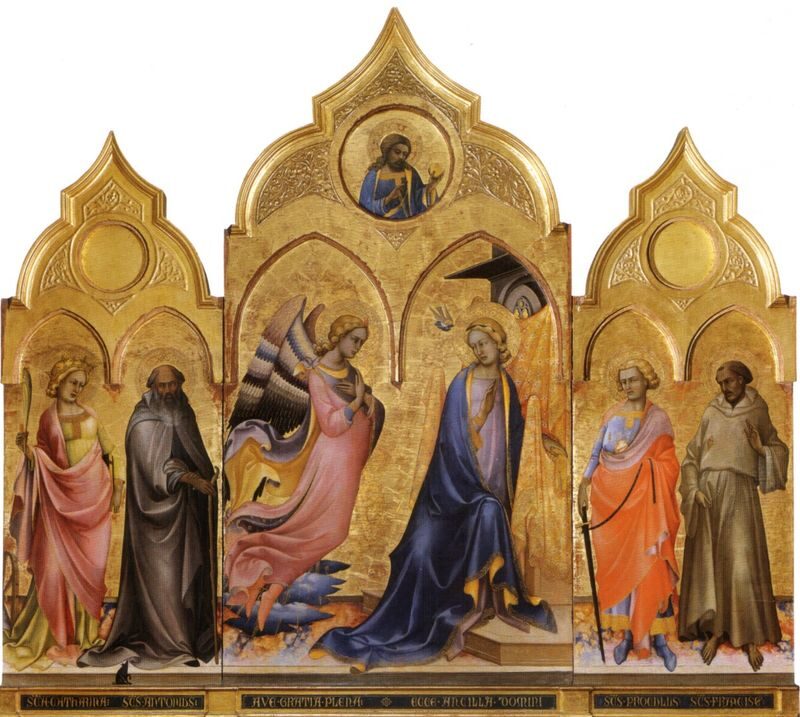
See Michelangelo’s David at Florence’s Accademia Gallery, compare ticket and tour options, and get practical advice on queues, timing and entry.
Michelangelo’s David is the reason many people come to the Accademia Gallery, and seeing the original in person is a powerful moment. The ticket gets you into a compact museum where you can also see Michelangelo’s unfinished I Prigioni and San Matteo, plus paintings and other works from Florence’s artistic past.
I like two things about this visit: you can explore at your own pace, and the unfinished sculptures offer a rare look at Michelangelo’s work in progress. Choose an audio app for a self-guided visit, or book an English-language tour if you want a guide to put the art in context.
One thing to plan for: reserved entry is not a promise of instant entry. You must exchange your mobile voucher for a paper ticket at the ticket office opposite the museum, then join the reserved-ticket line. Security checks and crowds can still mean a wait.
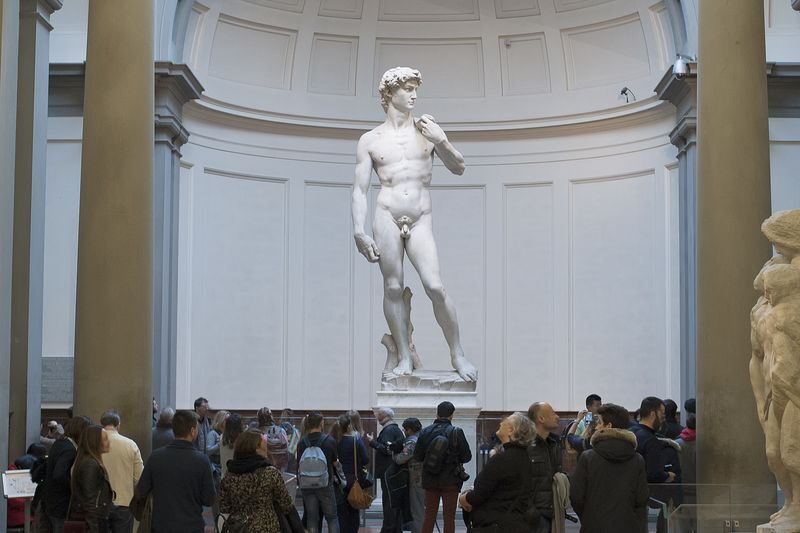
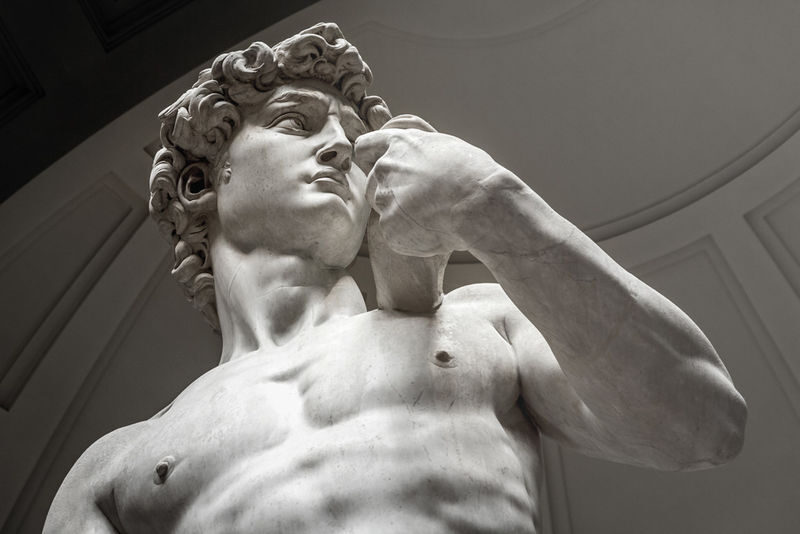
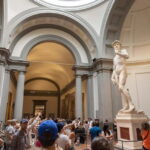
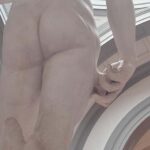
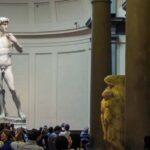
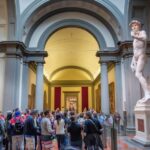
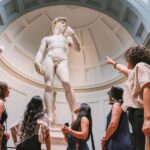
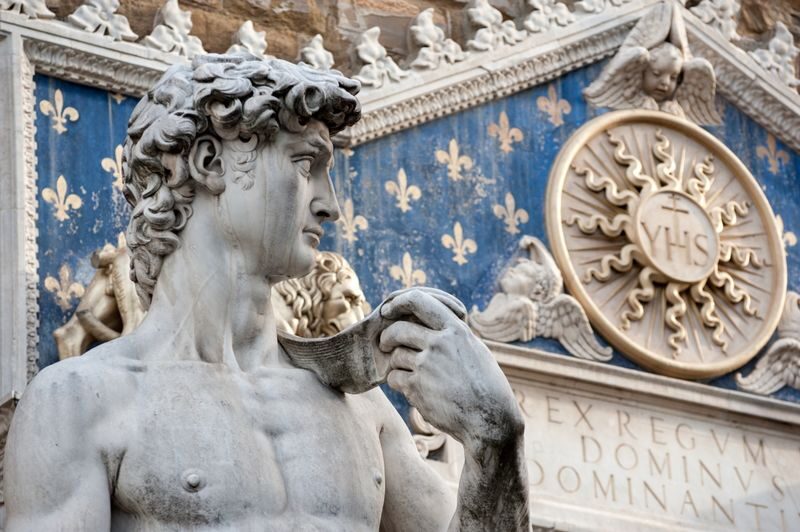
The Accademia’s draw is easy to understand once you reach the hall with Michelangelo’s David. The sculpture is monumental, but what holds your attention is its detail: the poised stance, the tension in the body and the care in the carving. Photos can suggest its scale. They cannot quite prepare you for standing beside it.
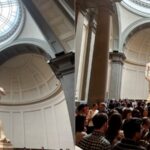
The gallery’s arrangement gives the statue room to command attention. You can circle it and look from different angles, though the crowd around the sculpture may affect how long you can linger. Visit with patience, and take a moment to look beyond the familiar front view.
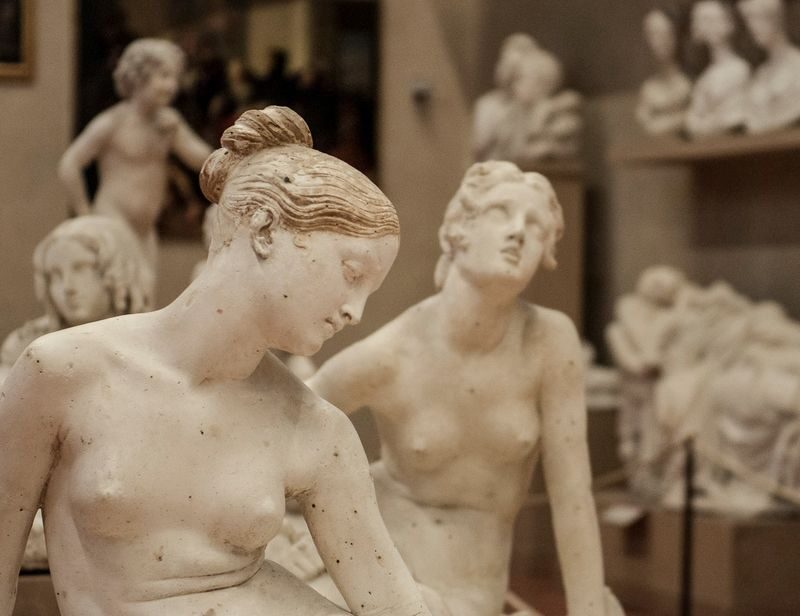
A plaster model of David also helps show how a sculpture can be planned and studied. It is an interesting point of comparison, especially if you are curious about the process behind the finished marble work.
The museum is not enormous, and that is part of its appeal. You can see its central works without giving up half a day. But if you expect the scale of the Uffizi, you may find the Accademia’s collection more focused than extensive. For many people, David alone makes the visit worthwhile; for others, the surrounding works are what turn a quick stop into a fuller museum visit.
You might also be interested in these Florence experiences
After David, seek out I Prigioni and San Matteo. These sculptures show a different side of Michelangelo’s work. The figures seem to emerge from the marble, with parts of the stone still unworked. That unfinished quality makes the act of carving easier to imagine than it is when looking at a polished statue.
I find these works especially rewarding if you have already seen David and want to understand more than the headline attraction. Their rough surfaces and partly formed bodies invite you to think about the sculptor’s choices: what to remove, what to reveal, and when a piece is finished. You do not need an art-history background to notice the contrast.
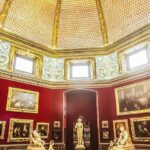
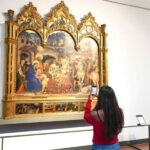
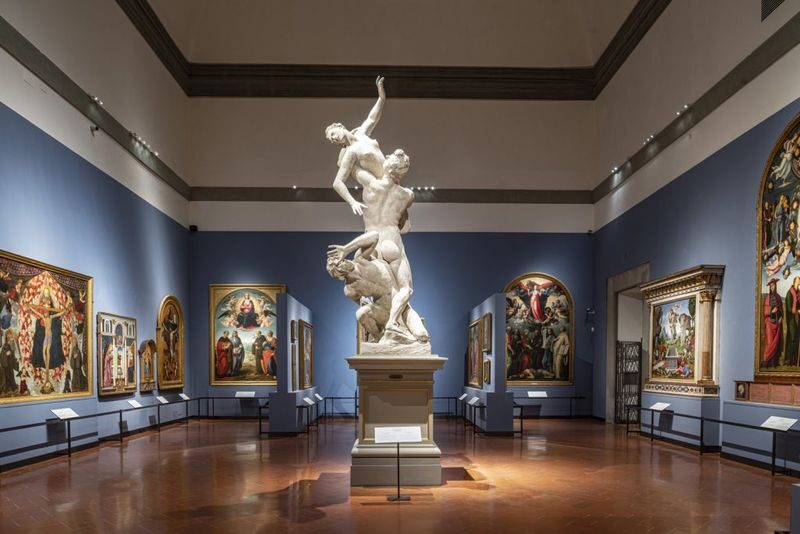
The Accademia also displays Renaissance paintings by artists including Sandro Botticelli, Domenico Ghirlandaio, Pontormo and Andrea del Sarto, as well as work by Giambologna. There are religious paintings, sculpture and collections that reflect the museum’s wider institutional history, including 19th-century works associated with the Academy of Design, the Academy of Fine Arts and suppressed convents.
Give these rooms some time instead of treating them as a corridor on the way to David. If your interest is mostly sculpture, you can still keep the visit focused. If you enjoy painting and the broader history of art education in Florence, the additional galleries make the ticket feel more substantial.
The basic ticket with an audio guide app suits visitors who like to move independently. It includes admission to the Accademia, access to the permanent and temporary exhibitions, and a downloadable multilingual audio app. Bring your own headphones and check that the app is ready to use before you enter, so you are not sorting it out in a crowded room.
A ticket with a host can help with the handoff from voucher to paper ticket. It is not the same as a full guided tour, so check the package name carefully. Some options combine a host with an audio app or the museum’s official audio guide. A host may make the meeting and exchange process easier, but you still need to find the person or desk described in your booking instructions.
An English-language guided tour is the better fit if you want a person to connect the artworks and explain why they matter. Guides named Tom, Fedrika and Francesca have been praised for making the visit engaging, with stories that go beyond a list of dates and artists. Guide assignments can change, so do not book expecting a particular person.
There are also combinations with a Florence walking tour, a hop-on hop-off bus ticket, the Uffizi Gallery, or an Uffizi visit with lunch. Bundles can be useful if those are already part of your plans. They are less attractive if you want a quiet, self-paced museum visit or have little time between activities. Check the meeting time for any combined tour against your voucher, since a mismatch can put the whole outing at risk.
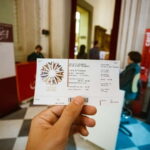
The practical detail that catches people out is the ticket exchange. You do not simply show the mobile voucher at the gallery entrance. First, take it to the ticket office opposite the museum and exchange it for a paper ticket. The instructions point to the priority entrance for reserved-ticket holders after that.
Arrive 15 minutes before your booking time and allow extra time to locate the correct counter or host. Ticket pickup is often described as straightforward, but different operators may have staff in different places. If your package includes a host, read the meeting instructions closely and save them on your phone before you leave your accommodation.
Reserved entry can save time compared with trying to buy a ticket on the day, especially when the museum is busy. But it does not remove every queue. You may wait for your booked time, for security screening or because the entrance is handling many people at once. Some visitors have waited around half an hour or longer. Treat the ticket as a way to secure admission, not a guarantee that you will walk straight in.
The line and outdoor waiting area can be hot in summer. If you are visiting in warm weather, bring water and avoid arriving at the last minute. Large bags are not allowed inside and must be left at the cloakroom. You cannot re-enter once you leave, so sort out anything you need before going through the entrance.
The Accademia is open Tuesday through Sunday from 8:15 a.m. to 6:50 p.m., with last entry at 6:20 p.m. It closes on Mondays, December 25 and January 1. Hours and closure dates can change, so check current details before setting out.
For a calmer visit, aim for a weekday during the low season, generally November through February, and avoid public holidays when possible. Early morning or after 5 p.m. may also help you miss some of the busiest periods. These are ways to improve your odds, not a guarantee of an empty gallery.
Plan for one to two hours. If your priority is David, the main sculpture rooms and a quick look at the paintings may fit into less time. If you take an audio tour or join a guide, leave room for explanations and pauses. The compact size makes the Accademia easy to fit into a Florence day, but it is worth resisting the urge to rush past everything except the famous statue.
On certain free-admission days, including the first Sunday of each month in 2026 and several listed public dates, the booking service is not active. You must wait your turn at the entrance. Free entry sounds tempting, but a reserved ticket is not available through this service on those days, so weigh the savings against the possibility of a longer wait.
Culture seekers can explore more Florence museums and galleries
The listed price starts at $35.70, while the audio-app package is also shown from US$32.49. Prices depend on the option and can change, so compare the total for your chosen date and package before booking. Guided tours cost more: the English tour starts at US$51.39, and bundles with other sights climb from there.
For a single visit, the value is not just the time saved at the ticket counter. It is having an entry plan for one of Florence’s most in-demand museums and the chance to see David and the other works in person. The audio app adds useful structure without tying you to a group. A live guide costs more, but can be worth it if you want stories and context rather than simply moving from room to room.
On the other hand, this is a relatively small museum, and visitors focused only on David may feel the price is high for a short visit. If you are comparing options, decide whether you want the least expensive ticket, help finding the entry point, or a guide who will interpret the collection. Those are different services, and the package names can sound similar.
Children aged 0 to 16 must be included in the passenger headcount and need to buy a €4 ticket onsite, subject to availability. Reduced tickets are available onsite for EU citizens aged 18 to 24 and teachers at public institutions within the EU. Disabled visitors and one accompanying carer can enter free with a valid disability certificate, but this activity is listed as not wheelchair-accessible. Confirm current arrangements directly before planning a visit around access needs.
The gallery is at Via Ricasoli 58/60 in central Florence. You can reach it by bus: routes 14, 23 and C1 stop at Cavour San Marco; routes 6, 17, 31 and 32 stop at Battisti San Marco. Check the route and stop for your travel time, then allow a few extra minutes to find the ticket office across from the museum.
The meeting point matters most for hosted packages. Follow the specific instructions for your selected option rather than assuming every operator uses the same spot. If anything is unclear, ask staff in the area before your booked time. Once inside, you are free to explore at your own pace unless you have booked a guided tour.
Book if seeing Michelangelo’s David is high on your Florence list, or if you want a short museum visit with significant Renaissance sculpture and painting. The audio-app ticket is a sensible choice for independent visitors; choose a guided tour if explanation and stories are part of what makes a museum worthwhile for you.
Think twice if you expect a completely queue-free entrance, need wheelchair access, or want a huge museum to fill most of the day. Book for the right date and time, follow the voucher exchange instructions carefully, and give the unfinished sculptures and paintings a fair look after David. That is how this visit becomes more than a stop for one famous statue.
“There is really no such thing as priority or skipping the line. Even after exchanging your ticket, you still have to wait in line together. If poss…”
Plan on one to two hours. You can see the main works more quickly, but an audio app or guided tour may extend your visit.
The audio-app ticket includes admission to the Accademia Gallery, access to Michelangelo’s David, entry to temporary and permanent exhibitions, and a downloadable audio guide app.
Yes. Take your mobile voucher to the ticket office opposite the museum and exchange it for a paper ticket before going to the reserved-ticket entrance.
No. You may still wait for your booked time, for security screening or because of crowd levels. Advance booking can help secure admission, but it does not guarantee immediate entry.
The gallery is open Tuesday through Sunday from 8:15 a.m. to 6:50 p.m. Last entry is at 6:20 p.m. It is closed on Mondays, December 25 and January 1. Check current hours before visiting.
Yes. An English-language guided tour is available, as are options combining the Accademia with other Florence activities or the Uffizi Gallery.
Infants and children must be included in the passenger headcount. Visitors aged 0 to 16 need to purchase a €4 ticket onsite, subject to availability.
This activity is listed as not wheelchair-accessible. Disabled visitors and one accompanying carer can enter free with a valid disability certificate, but check current access arrangements before you go.
Large bags are not permitted inside and must be checked at the cloakroom. Re-entry is not allowed after you leave.
Routes 14, 23 and C1 stop at Cavour San Marco. Routes 6, 17, 31 and 32 stop at Battisti San Marco. The address is Via Ricasoli 58/60, Florence.