Physical Address
304 North Cardinal St.
Dorchester Center, MA 02124
Physical Address
304 North Cardinal St.
Dorchester Center, MA 02124

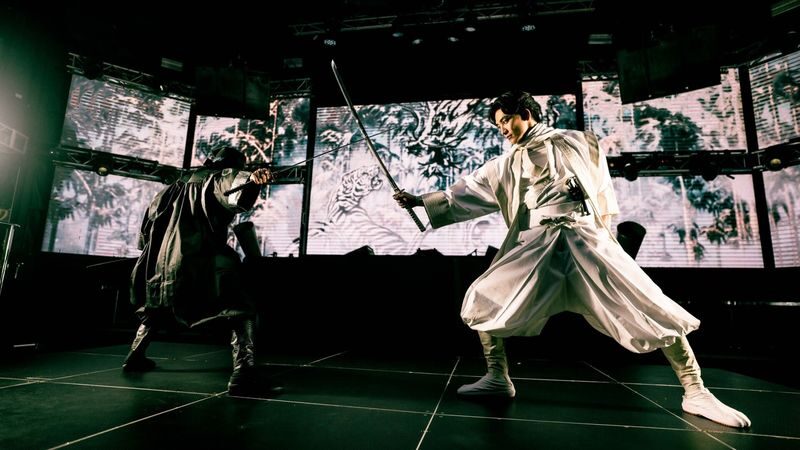
See taiko drumming, ninja stage combat and kabuki-inspired dance in an 80-minute, language-free show in Tokyo’s Kabukicho.
The first sound is a thunder of taiko drums. From there, Ninja+Kabuki Tokyo mixes martial-arts action, traditional dance and stage effects into a story told without spoken dialogue. In the middle of Kabukicho, it gives you a compact, indoor introduction to several Japanese performance traditions.
I like the live drumming and visual storytelling, which make the show easy to follow without Japanese. I also like the chance to join in, with a ninja lesson and audience participation before the cast’s finale.
One caveat: the show gives substantial time to drumming, and the balance of music, dance and swordplay may not suit everyone. If you expect a long, plot-heavy ninja battle or a formal kabuki performance, adjust those expectations before booking.
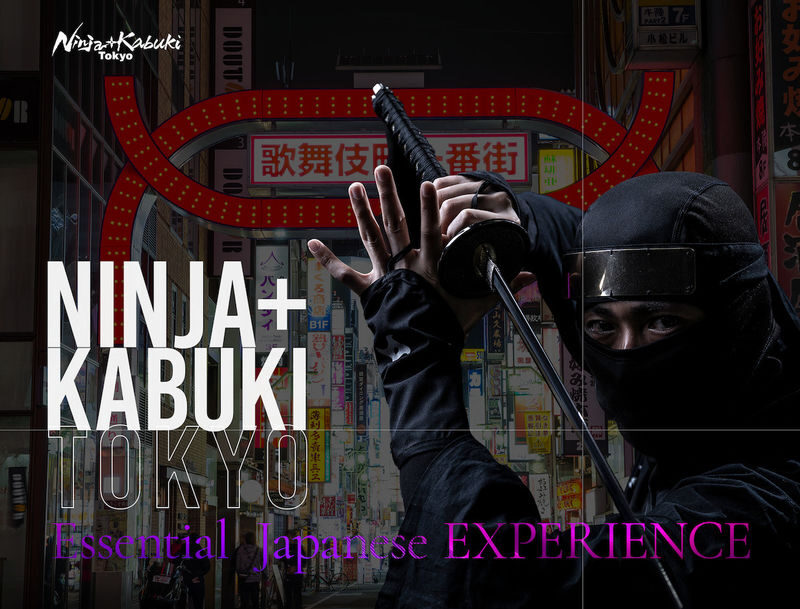
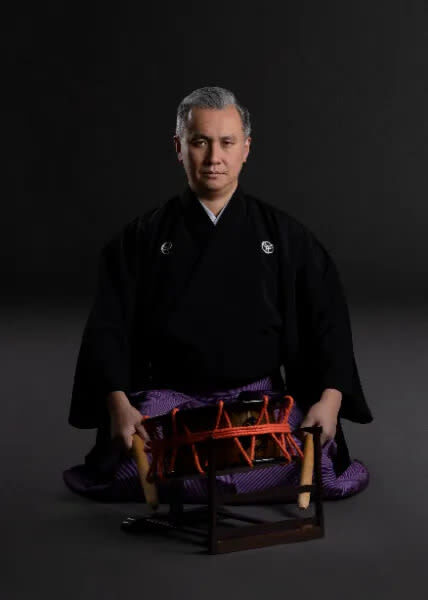
Ninja+Kabuki Tokyo is a small indoor performance venue in Shinjuku’s Kabukicho district. It opened in 2024 as a non-verbal show built around Japanese culture, with supervision from the Japan Ninja Council and kabuki master Denjiro Tanaka. That background gives the production a link to established traditions, though the result is a modern stage show rather than a lesson in formal kabuki.
The appeal is its mixture. Taiko drumming, theatrical sword fights, dance, lighting and visual effects are presented as parts of one story. You do not need to know Japanese history or speak Japanese to follow the broad action. Still, the story may not always be clear, and some scenes are more about mood and movement than plot.
I would think of it as a cultural sampler with a strong entertainment focus. It offers a taste of performance styles that can be unfamiliar to first-time visitors, in a format that does not ask you to sit through a long explanation. It is also a useful option when you want an indoor activity in Shinjuku rather than another hour of shopping or wandering.
The listed ticket price starts at $35.40, and the performance lasts about 80 minutes. The average rating provided is 4.2 out of 5 from 453 ratings. Those figures point to a generally well-liked show, but not one that wins over every audience. Your enjoyment will depend on whether you like theatrical drumming and dance as much as ninja action.
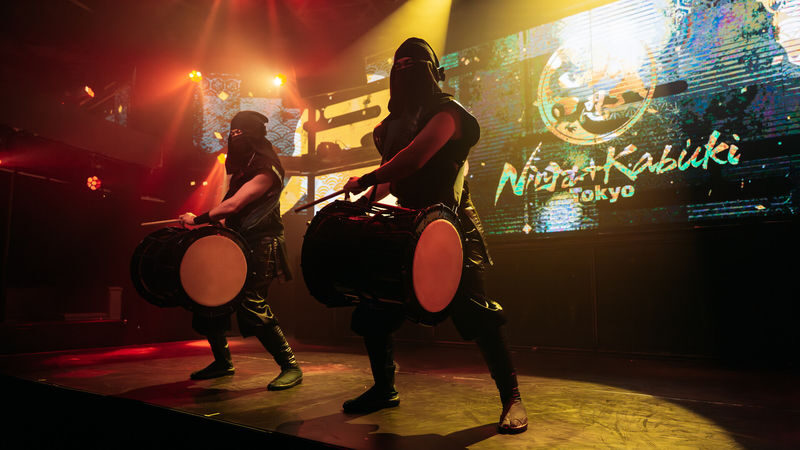
The show begins with live wadaiko drums. The sound is loud, physical and immediate, and it gives the production a strong opening pulse. If you enjoy percussion, this may be the highlight. If you came mainly for sword fights, be prepared: the drumming takes up a noticeable part of the performance, and some viewers find it goes on too long.
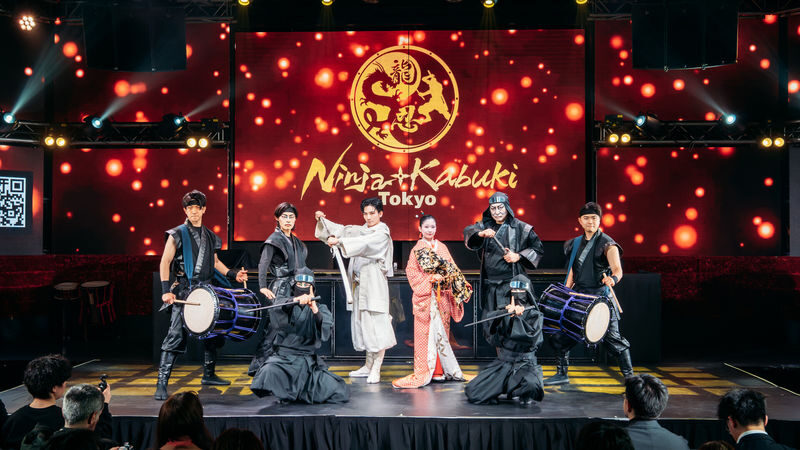
From there, the show moves into kabuki-inspired swordplay and traditional Japanese dance. The performers use movement, costumes and lighting to carry the scenes, so you are not relying on spoken narration. That makes the show accessible across language barriers, though it also means the plot may feel less direct than a conventional play. If you prefer clear, step-by-step storytelling, some sections may seem more atmospheric than explanatory.
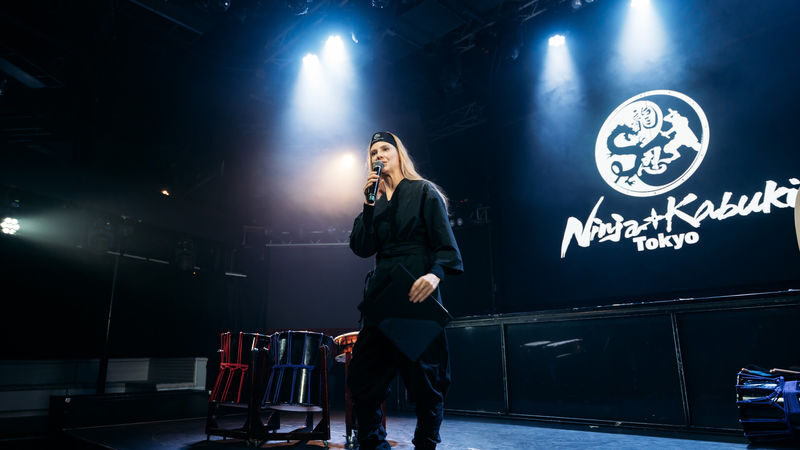
The ninja elements add action and a shift in pace. The show includes a participatory ninja segment, with instruction in movements and hand gestures, and volunteers may be invited to take part in stage combat. Audience involvement is one of the more distinctive parts of the evening. It turns the performance from something you only watch into a short, low-pressure chance to try a few movements yourself.
The finale brings the cast and audience together. There is also an opportunity to take photos with the performers afterward, a welcome extra if you want a keepsake from the evening. The format is family-friendly in spirit, but the interactive ninja experience is only available to participants aged five and older.
An intermission has been part of the show format, according to the information available from attendees. If you are counting the total time, allow a little more than the 80-minute performance itself for entry and any break. The advertised schedule gives the show times and door opening times, but operations can change.
Looking for more options in Tokyo? Here are some other experiences worth considering.
The strongest part is the live performance energy. The taiko players provide a compelling sound, and the cast’s combination of movement and costume gives the show a theatrical feel. The most enthusiastic reactions often focus on the drumming, the performers’ skill, the interactive section and the chance to take a photo afterward.
It also works well as an introduction. You can see a few different forms of Japanese performance in one sitting without needing to know the rules or language in advance. For families, the variety and participation can help hold a child’s attention. One young audience member reportedly wished the show lasted longer, which is a good sign if your children are keen on ninjas.
But the show is not a deep study of either ninja history or kabuki. The kabuki elements are part of a broader entertainment production, and the story may not be intuitive. The stage is described as small, so do not expect a vast theatrical set or a large-scale battle scene. Some people find the pace uneven, and some feel there is more drumming than action.
Volume is another consideration. Taiko drums are meant to make an impact, and the sound can feel very loud in an indoor venue. If you are sensitive to loud music, keep that in mind when deciding if this is the right evening activity.
The show is best approached with flexible expectations: enjoy the drumming and movement for what they are, rather than waiting for a tightly plotted drama. If you mainly want a historical explanation or a long sequence of ninja combat, this may not be your best choice.
At a starting price of $35.40, the ticket buys an 80-minute live performance and the chance to join in. I see the value in the combination: you get music, dance, stage action and an indoor cultural activity in one booking. It can also fit neatly into an evening in Kabukicho, with plenty of nearby options for dinner before or after.
The ticket covers admission only. Drinks and snacks are extra, and prices inside can feel high. One attendee reported paying 1,500 yen for a drink, so treat refreshments as an optional splurge rather than part of the ticket’s value. Alcohol is served only for consumption at the venue. You must be at least 20 to drink, and you may be asked for ID.
If you are travelling with children, children aged six and under enter free, but you must still obtain a free ticket for them so the venue can track attendance. Children aged seven and older pay the adult rate, and anyone aged 15 or younger must be accompanied by a paying adult. There is no children’s, allergy-friendly or vegetarian meal option, so do not count on the venue for a special meal.
The venue is at WARP SHINJUKU, in the basement of the Daini Toua Kaikan Building, at 1-21-1 Kabukicho, Shinjuku City. The nearest station is Shinjuku Station. From the street, look for the entrance next to Daikoku Drugstore and the SEGA Game Center, then go down the stairs to the basement.
Give yourself time to find the entrance. The basement cannot be reached by elevator, and the entrance is outside the building, so it is easy to miss if you assume you can go down from inside. Check the address before setting off, and arrive with enough time to locate the stairs rather than cutting it close.
Doors are scheduled to open 20 minutes before each performance, and reception opens 15 minutes before showtime. You enter by showing your reservation screen to staff at the WARP SHINJUKU entrance. Staff then direct you to your seat. Seat selection is not available, so arriving early is a sensible way to make the most of the check-in process.
The timetable provided lists two shows. From December 2025, the first is scheduled for 4:00 to 5:20 p.m., with doors at 3:40 p.m.; the second runs from 6:00 to 7:20 p.m., with doors at 5:40 p.m. From January 2026, the first show is scheduled for 3:00 to 4:20 p.m., and the second remains 6:00 to 7:20 p.m. Hours can change, and temporary closures may occur, so check your selected date and time before you go.
I would book Ninja+Kabuki Tokyo if you want a lively, indoor evening activity, enjoy live drumming, or are travelling with children who are excited by ninja stories. It is also a practical pick if you want to see a few Japanese performance styles without needing Japanese-language skills. The audience participation gives it a personal touch that a standard stage show cannot.
I would pause if you want a historically detailed account, traditional kabuki in full, or nonstop swordplay. The production blends its influences for a broad audience, and its drumming and dance may take up more of the evening than you expect. Drinks and snacks are additional expenses, and the entrance takes a little care to find.
For the right audience, the value is in the mix: an hour and 20 minutes of live music, stage action and participation right in Shinjuku. Book it as an energetic introduction to Japanese performance, not as a definitive account of ninja or kabuki traditions.
“I liked the kabuki part of the performance but struggled with some of the other parts. felt like there was a lot of drum solos compared to an actua…”
The performance lasts about 80 minutes. Allow extra time for entry and any intermission.
No Japanese language skills are required. It is a non-verbal performance that uses movement, music and visual effects to tell its story.
It is at WARP SHINJUKU, in the basement of the Daini Toua Kaikan Building at 1-21-1 Kabukicho, Shinjuku City, Tokyo.
Use the entrance outside the building, next to Daikoku Drugstore and the SEGA Game Center, then walk down the stairs. The basement cannot be accessed by elevator.
From December 2025, the scheduled shows begin at 4:00 p.m. and 6:00 p.m. From January 2026, they begin at 3:00 p.m. and 6:00 p.m. Schedules can change, so check the time for your selected date.
The scheduled door-opening time is 20 minutes before each performance. Reception opens 15 minutes before showtime.
Yes. Children aged six and under can enter free, but you need to obtain a free ticket for them. Children aged seven and older pay the adult rate, and children aged 15 or younger must be with a paying adult.
The ninja experience is available to participants aged five and older.
No. The ticket includes admission only. Drinks and other personal expenses are extra, and outside food and drinks are not allowed.
No. Seat selection is not available. Staff guide you to your seat after reception.