Physical Address
304 North Cardinal St.
Dorchester Center, MA 02124
Physical Address
304 North Cardinal St.
Dorchester Center, MA 02124

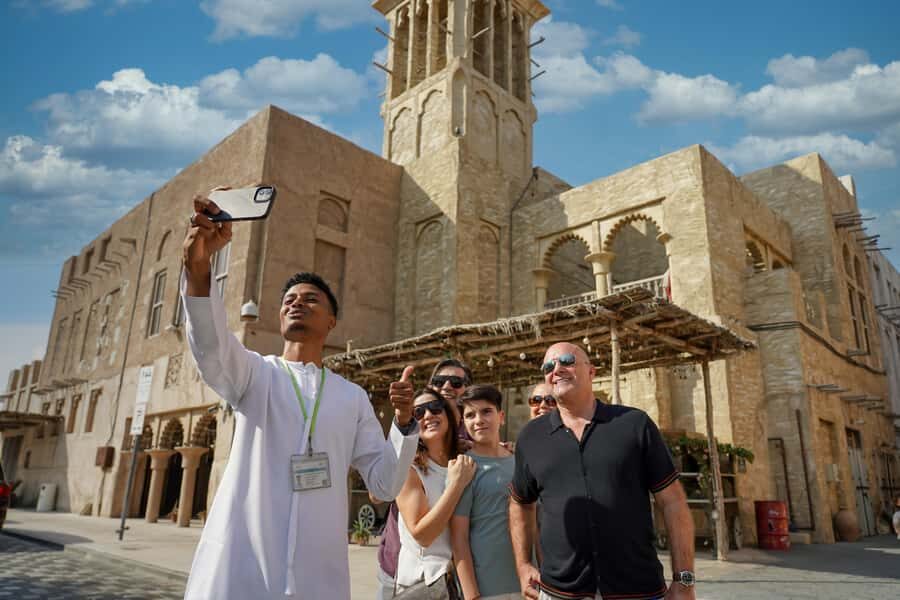
Walk Old Dubai with a local guide, sample Emirati snacks, visit the souks, and cross Dubai Creek by traditional abra for $31.
Old Dubai comes into focus on foot, over a cup of karak tea, and from the wooden seat of an abra crossing Dubai Creek. This tour links Al Fahidi’s heritage lanes with the souks across the water, giving you a useful first look at a side of the city that skyscraper-focused itineraries often miss.
I like the combination of guided cultural context and easy-to-enjoy food samples, and I like that the abra ride is part of the route rather than a separate errand. One thing to weigh: the opening restaurant visit can take a substantial share of the tour, and late starts or waiting for a group can affect the pace.
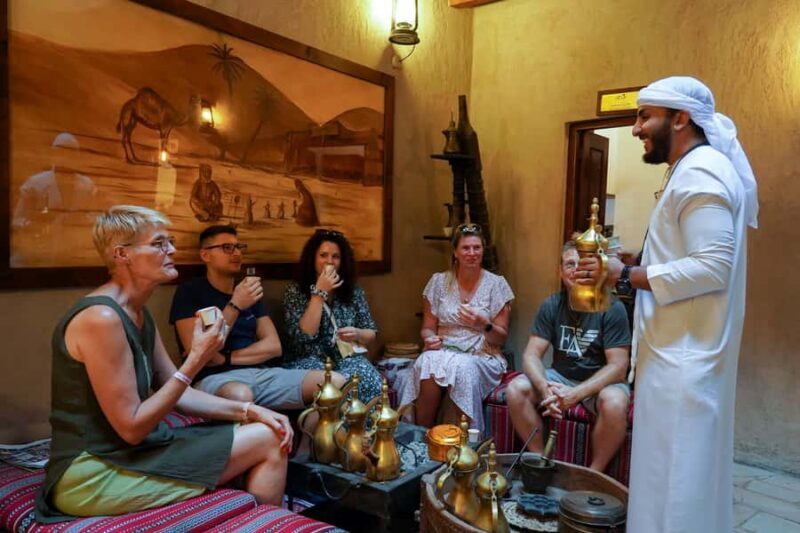
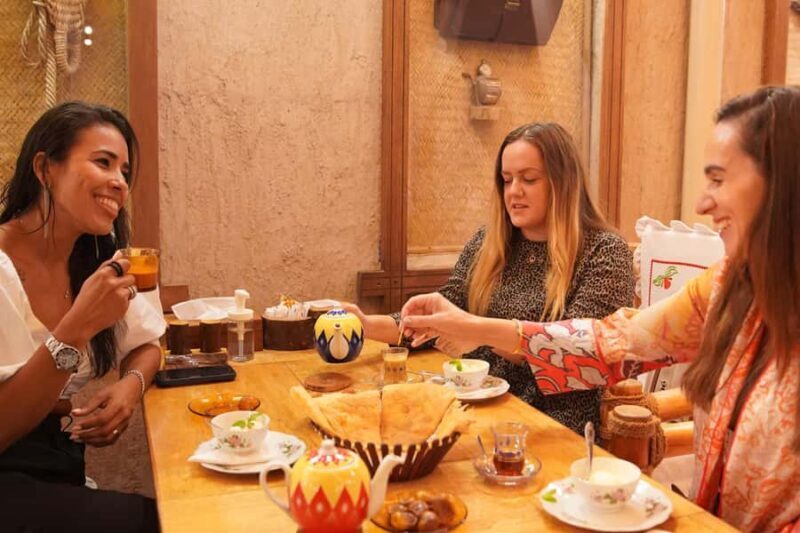
At $31 per person, this is a strong-value way to get oriented in Old Dubai. The fee includes a live guide, entry to the heritage house and sites, an abra ride, and a broad spread of food and drink. If you tried to arrange each part independently, you would need to find the places, work out the route, and make sense of what you were seeing as you went.
The value is not only in the number of tastings. A guide can connect the old neighborhood, Creek crossing, and market streets into one story, while pointing out details you might otherwise pass without noticing. Several guides, including Fesal, Maaz Khan, and Ibrahim, have been praised for answering questions, telling stories, and keeping a group engaged. You cannot request that a particular guide will lead your departure, but the pattern of comments suggests that the human element is a major part of the tour’s appeal.
The word premium is best read as a promise of a generous, food-filled outing, not a private or luxury tour. Pickup and drop-off are shared and only included if you choose that option. The experience lasts three to four hours, and the itinerary’s stop times add up to about three hours before any extra time for moving between places or waiting.
For more Dubai culinary adventures, you might enjoy these food and drink experiences
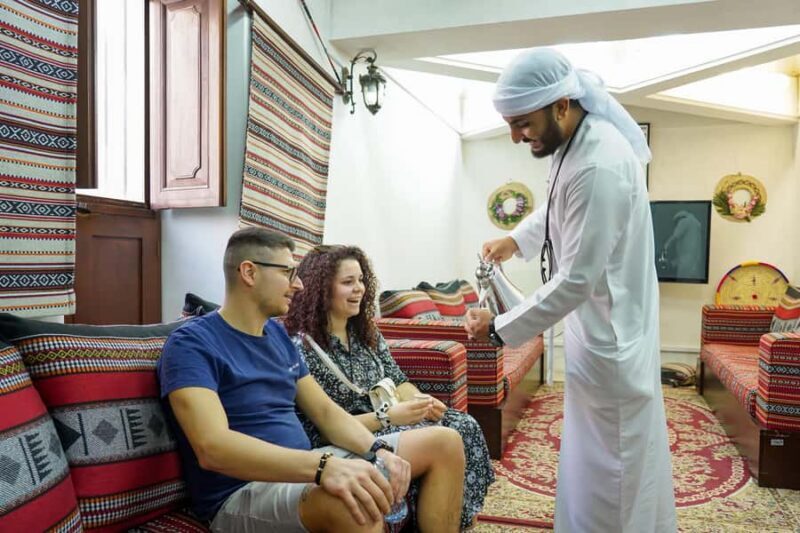
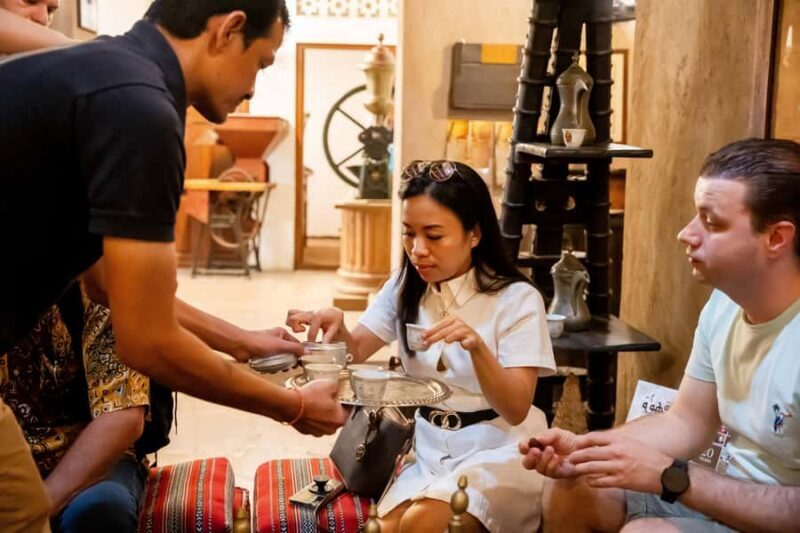
The meeting point is at the entrance to Al Khayma Heritage Restaurant in the Al Fahidi Historical Neighborhood. The tour begins with a visit to the heritage house, where you can expect dates, Arabic tea or coffee, and a welcome that gives you a first taste of Emirati hospitality.
The listed stop is about 30 minutes, though the actual opening can feel longer depending on the group and how the visit is organized. One account describes spending roughly an hour at the restaurant before the walking portion began. That indoor time may be welcome in hot weather, but if you are eager to start exploring the lanes, it can feel like a slow start.
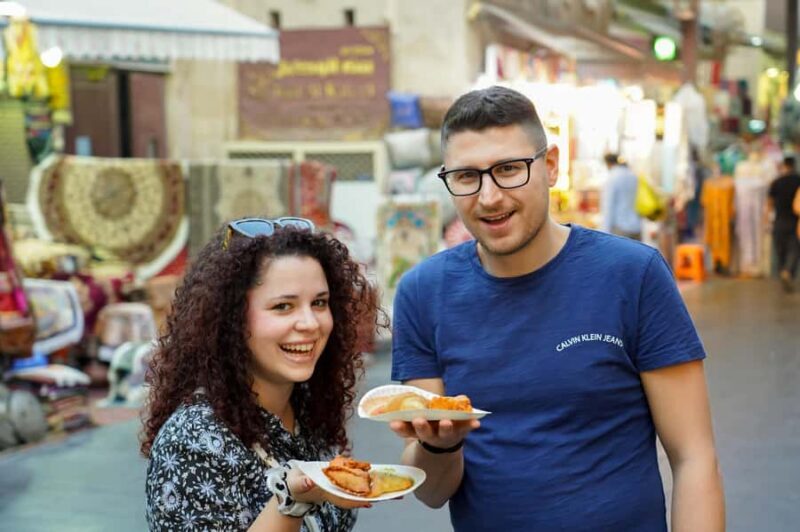
Food is a thread running through the whole outing. The included items can include karak tea, samosas, shawarma, falafel, rogag, luqaimat, dates, camel milk ice cream, lemon-mint juice, and Arabic tea or coffee. The exact sequence may vary, and the tour description does not promise a full meal. Treat it as a succession of local snacks rather than a sit-down lunch, though some tours may serve enough to feel more substantial.
From the heritage-house visit, the route takes you along Al Seef, a Creek-side promenade with views across the water and a small mosque along the way. You have around 30 minutes for this stretch, including a walk and sightseeing. It is a gentle way to start moving and to see how the neighborhood meets the Creek.
The tour then reaches Al Fahidi Fort, with a short stop for photos and a guided look. The pace is designed for an overview rather than an in-depth museum visit. If you want to linger at each landmark, this may feel brisk, but the guide’s explanations help give even a short stop some meaning.
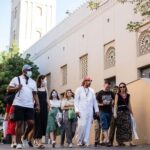
A walk through Al Fahidi’s historic lanes brings the outing closer to the city’s older character. Here, the value of a guide is especially clear: the route is more than a series of photo stops when someone can talk about local life, history, religion, and culture as you go. Guides such as Maaz Khan and Fesal have been singled out for making those stories easy to follow, while others, including Ibrahim and Zee, are praised for a friendly, lively manner.
You also pass Bur Dubai Souk Market, where the focus is on a brief walk, a guided explanation, and time for photos. The markets are active commercial spaces, not staged exhibits. Give yourself room to look, but keep in mind that the tour is moving toward the abra and the larger souks across the Creek.
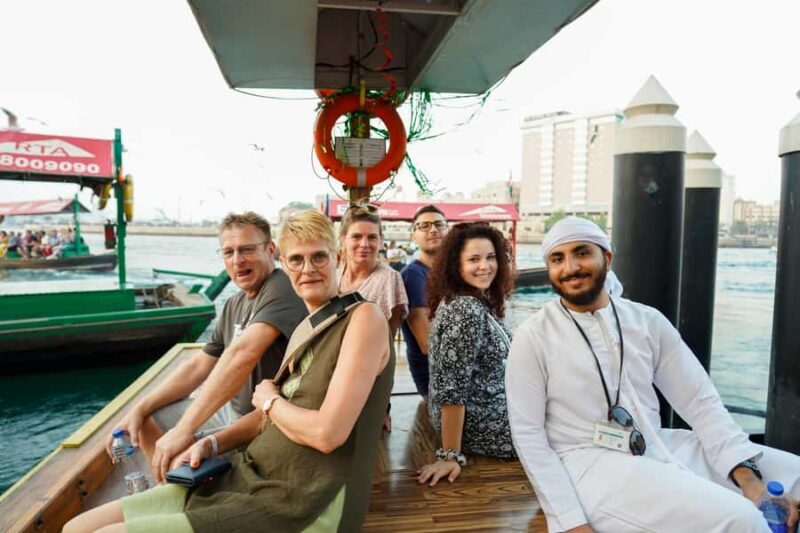
At Bur Dubai Abra Dock, you board a traditional abra for a short crossing. The ride is about 15 minutes, including time around the dock, and it is one of the most memorable transitions on the route. You leave the lanes behind, travel across the Creek, and arrive on the side with the Spice and Gold Souks.
The boat ride is both transport and sightseeing. From the water, you get a different perspective on the Creek and the districts along its banks. It is not a long cruise, so think of it as a scenic link in the walk rather than a separate boating excursion.
The dock can be a waiting point, particularly if the group needs to gather before boarding. Keep your belongings close and follow your guide’s instructions. If you are hoping for a slow, private ride, this is not that; the appeal is the simple, local-feeling crossing built into the route.
More Great Tours Nearby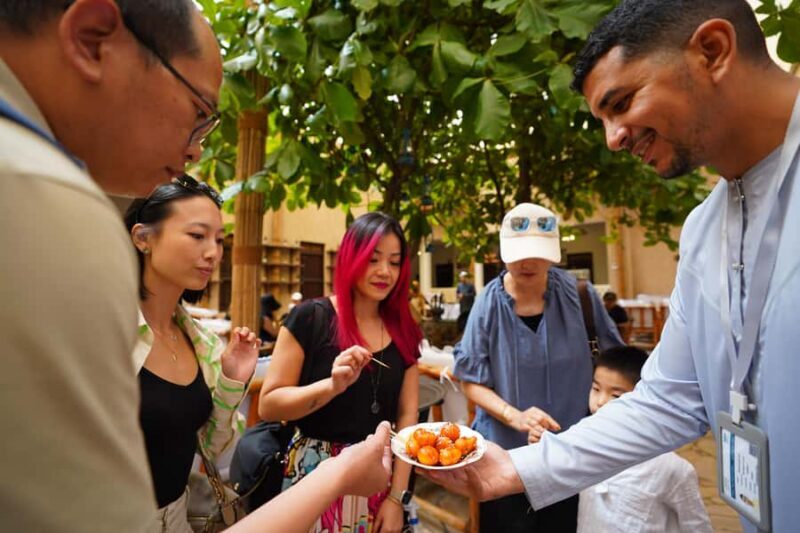
Across the Creek, the Spice Souk gets about 30 minutes. The market offers a lively change of pace: stalls display spices and other goods, and the scents are part of the experience. You can browse and shop, while your guide helps explain what you are looking at and may offer practical souk tips.
This is also a good place to stay curious without feeling obliged to buy. If something catches your eye, ask your guide about it before making a decision. One of the useful parts of going with a local guide is having someone beside you who can answer questions and help you navigate the market.
The short visit is enough to get a feel for the place, but not enough for a leisurely shopping session. If you enjoy comparing goods or want to make several purchases, you may want to return on your own later. A few people have wished the overall tour were longer, and the souks are an obvious reason why.
You might also be interested in these Dubai experiences
The Gold Souk is the last major stop, with about 30 minutes for a guided walk and sightseeing. Even if you have no plans to shop, the displays make it an engaging finale. If you do want to buy something, use the time to look around and ask questions rather than rushing into a purchase.
The tour’s listed drop-off points include Al Khayma Heritage Restaurant, so check your chosen option for the exact arrangements. Some departures include shared hotel pickup and drop-off; others begin at the restaurant meeting point. The tour description lists two drop-off locations, but the restaurant is the one named in the itinerary.
The souk visit also marks a shift from the guide-led part of the outing toward time among the markets. One visitor’s useful observation was that much of the experience leads you through Old Dubai to the souks, where you may spend more time after the formal tour ends. If you want to keep exploring, make sure you know how you will get back to your hotel or next stop.
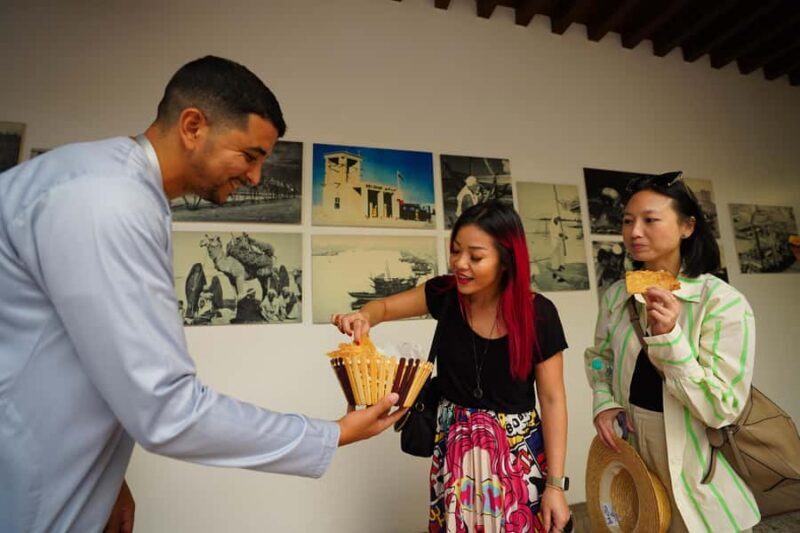
The snacks add real value, especially if you want to try several local flavors without planning a meal around each one. Karak tea and samosas provide a familiar introduction, while rogag, luqaimat, and camel milk ice cream offer more distinctive tastes. Lemon-mint juice, dates, and Arabic coffee or tea round out the food and drink.
The timing of the tastings can affect how filling the tour feels. Some departures may distribute the food across the route, while the restaurant visit may take up more time at the beginning. If you have dietary restrictions, the information provided does not specify substitutions or allergen handling, so ask the operator before booking rather than assuming alternatives will be available.
The pace is generally described as comfortable, but it includes walking outdoors and moving between several stops. Heat can make the same route feel harder, so choose comfortable clothes and shoes, and bring sunglasses and a sun hat. A bottle of water is included, but it is sensible to keep an eye on your hydration during the walk.
Group timing can be uneven. One person noted some waiting when participants arrived late, while others praised guides for being patient and keeping the group moving. If you have a fixed dinner reservation or another time-sensitive plan, leave a buffer after the tour rather than counting on the shortest possible duration.
This is a good fit if you are new to Dubai and want a guided introduction to the city’s older districts, markets, and food. It suits curious eaters, first-time visitors, and anyone who likes a mix of walking, local stories, and a short boat ride. The combination is especially useful if you would rather not figure out the route across the Creek on your own.
It may be less satisfying if you want long, unhurried time in museums or souks. The itinerary gives each stop a set window, and the focus is on seeing several places rather than spending an afternoon in one. It is also not recommended for infants, and children under two, wheelchair users, and people with mobility impairments are listed as unsuitable.
Tours are offered in English, German, French, Italian, and Spanish. The guide’s style and language can make a difference, so select the language that works best for you when booking. The free-cancellation window is up to 24 hours before the activity, and a reserve-now, pay-later option is available.
I would book this if you want an affordable, food-forward introduction to Old Dubai, especially early in your stay. The most compelling parts are the guide-led walk through Al Fahidi, the everyday Creek crossing, and the variety of snacks included for $31. Guides such as Fesal, Maaz Khan, Ibrahim, and Zee have been praised for warmth, clear storytelling, and practical help, though the actual guide depends on your departure.
Go in expecting a compact overview, not hours to browse every market or a formal history lecture. Bring sun protection, give yourself some time after the tour if you want to keep shopping, and avoid placing a tight reservation immediately afterward. If that pace suits you, this is a practical way to meet a more traditional side of Dubai.
“Waleed was a wonderful guide, lovely trip seeing things we would have missed ourselves. Thank you so much, god bless”
The tour lasts three to four hours. The timing can vary, so leave some flexibility after the activity if you have other plans.
The stated meeting point is the entrance to Al Khayma Heritage Restaurant in the Al Fahidi Historical Neighborhood. Shared pickup and drop-off are available only with selected options.
The included tastings can include shawarma, falafel, karak tea, samosas, rogag, luqaimat, dates, camel milk ice cream, lemon-mint juice, and Arabic tea or coffee.
Yes. The tour includes a traditional abra ride across Dubai Creek.
Live guides are available in English, German, French, Italian, and Spanish.
The tour is not recommended for infants and is listed as unsuitable for children under two, wheelchair users, and people with mobility impairments.
You can check availability for your dates here: