Physical Address
304 North Cardinal St.
Dorchester Center, MA 02124
Physical Address
304 North Cardinal St.
Dorchester Center, MA 02124

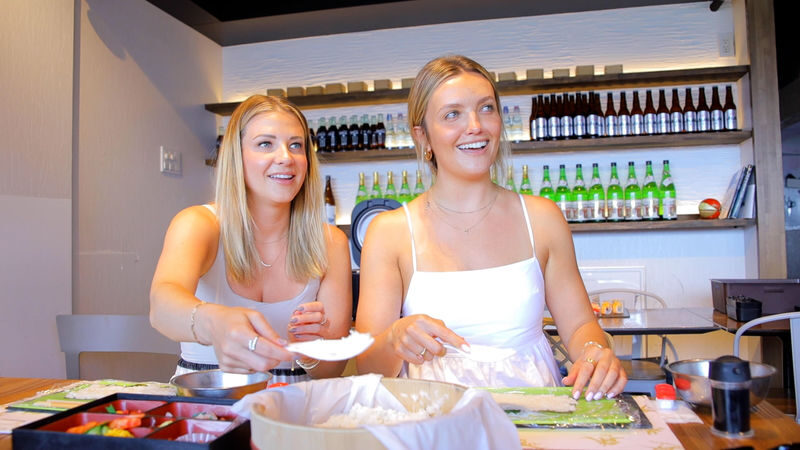
Make sushi in a one-hour Asakusa class, learn a little sushi history, and enjoy what you prepare near Sensoji Temple.
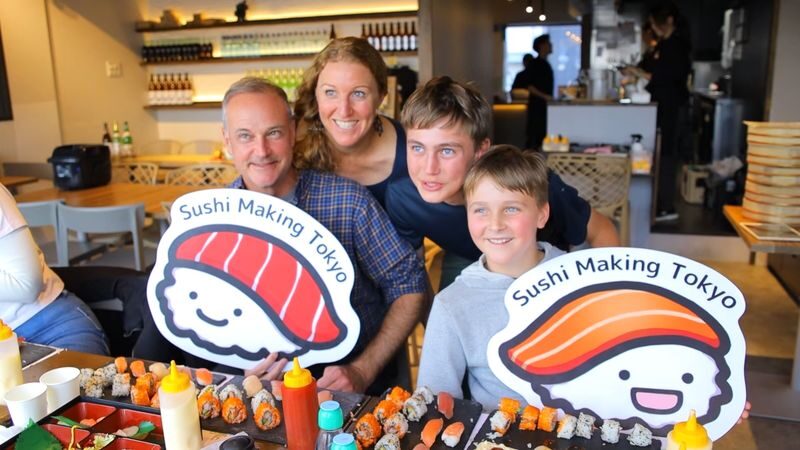
Making sushi is the point, but the best part of this one-hour Asakusa class may be seeing how a few simple steps turn into a meal you made yourself. I like the easy-to-follow English instruction and the mix of food, sushi history and a lighthearted quiz. It’s a cheerful change of pace from sightseeing, and you get to eat your work.
One thing to consider: an hour goes by quickly. You’ll get an introduction and hands-on practice, not a long course in sushi technique. The starting price is $56.85, so it makes the most sense if you value the lesson and shared activity as much as the food.
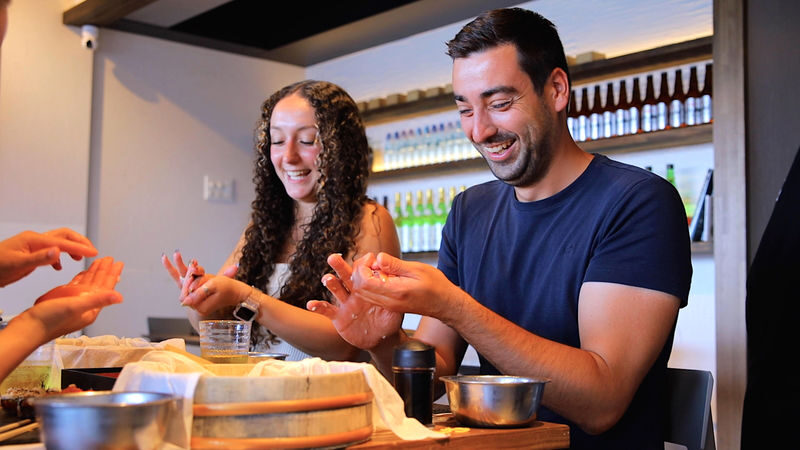
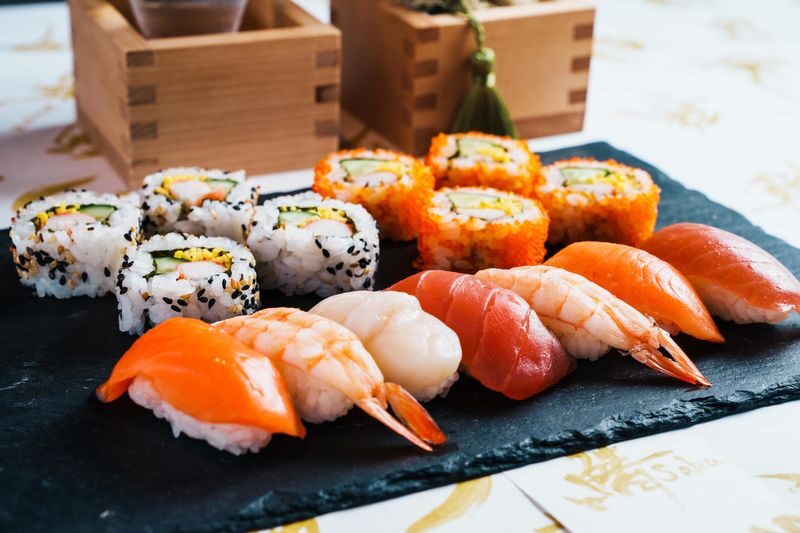
The class is designed as an activity, not a formal cooking course. You meet English-speaking staff, get an introduction to sushi and then make sushi with their guidance. A quick, interactive quiz adds some cultural context without turning the hour into a lecture.
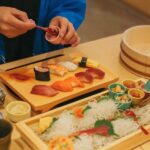
The experience is advertised as a chance to make roll sushi and authentic Japanese sushi. The standard sample menu, however, describes nine pieces of temari sushi, miso soup made from a miso ball, and asazuke, or pickled turnip and carrot. Some class packages and descriptions also refer to maki rolls and nigiri. The exact hands-on formats may depend on the session or menu, so check the package details if making a particular style is important to you.
That variation is worth knowing. You’re booking an enjoyable introduction to sushi-making, not a fixed syllabus with a guaranteed set of techniques. The format still offers a useful mix: you get to shape food with your own hands, hear how sushi developed, and sit down to eat the result.
You might also be interested in these Tokyo experiences
The instructors guide you step by step, making the class approachable even if you have never handled sushi ingredients before. Past instructors have included Hikaru, Mayuko, Momo, Susie and Courtney. The team changes, but the qualities the experience calls for are clear: patient explanations, an upbeat manner and enough guidance to help first-timers keep pace.
Expect the activity to be hands-on. You’ll work with ingredients, follow demonstrations and prepare sushi for yourself to eat. The precise menu depends on your selected package. For the standard option, the sample menu names tuna, salmon and scallop among the temari fillings, with miso soup and pickled vegetables alongside them.
The reviews of the class repeatedly praise the clear instructions and friendly teaching style. That matters here more than technical jargon or an elaborate lecture. Sushi can look deceptively simple, but shaping it takes practice. A good instructor makes the steps manageable and keeps the mood light when your first piece looks more handmade than restaurant-perfect.
Some class descriptions and participants refer to making maki and nigiri, while the listed standard menu specifies temari sushi. If you have your heart set on rolling maki or forming nigiri, ask the operator what your chosen session includes before you pay. If you’re happy to learn through whichever sushi styles are part of the class, you can focus on the fun of preparing and tasting something new.
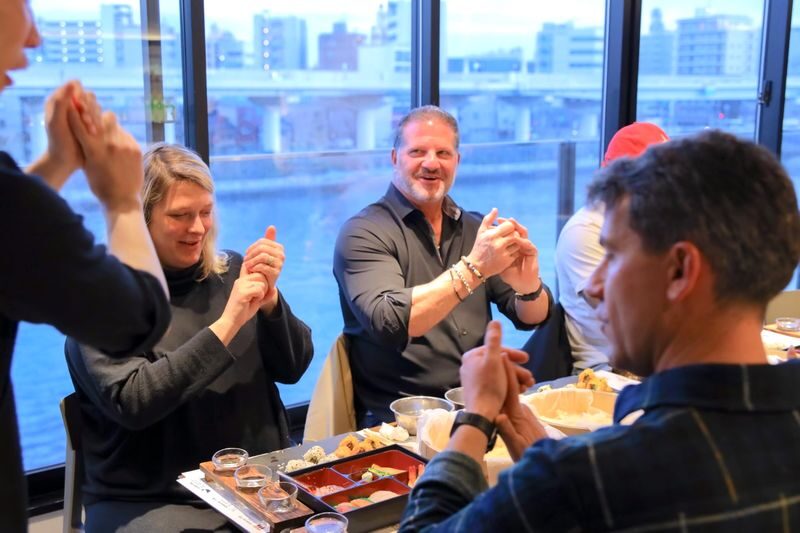
The quiz is a small but useful part of the experience. It gives you a reason to think about sushi as more than a familiar dish, while keeping the atmosphere social and informal. Instructors also share sushi history and, in some sessions, a few Japanese words.
Don’t expect an in-depth history lesson. The class is only an hour, and most of that time is built around the food. But a little context can make the meal more memorable: you leave with a sense of how sushi styles differ, not just a plate of pieces you formed yourself.
That balance works well if you want a cultural activity that doesn’t ask you to sit still for long. The history is there to support the cooking, not take it over.
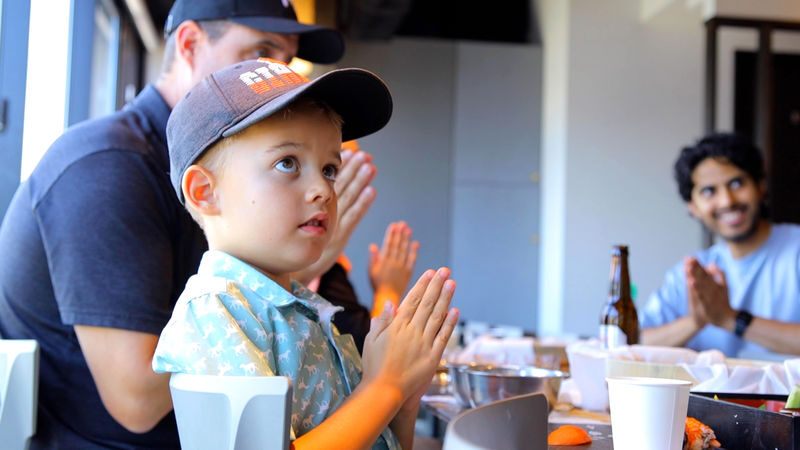
The meal is part of the value. In the standard sample menu, you make nine pieces of temari sushi, then have miso soup and asazuke with them. The ingredients listed for the standard menu include tuna, salmon, scallop, shrimp, flying fish roe, cucumber, egg, ginger and sesame.
The food is not just a take-home craft project. You eat the sushi during the experience, and the portions are described as generous. For many people, that makes the activity feel more complete than a demonstration where you watch someone else cook and then leave hungry.
Fresh ingredients and good flavor are often praised, but keep expectations in line with the price and format. You’re paying for instruction, ingredients and a guided meal, not a high-end sushi restaurant tasting. If your main goal is to try the most elaborate sushi in Tokyo, book a restaurant. If you want to learn a little and enjoy a meal you helped make, this class offers more than dinner alone.
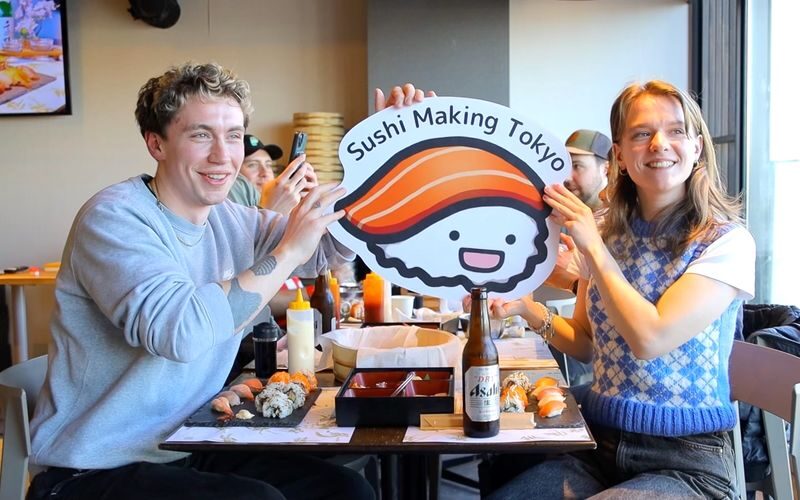
The class welcomes both solo participants and groups, so you don’t need to bring a companion to take part. The warm, interactive approach also makes it a reasonable family activity, and children aged four and older may join. Children pay the same rate as adults.
A hands-on food activity can be a welcome change from temples, shops and long walks, particularly on a hot day. Still, consider your child’s age and attention span. The class is paced as a group activity, and a young child who needs extra time or close help may find it harder to keep up. The minimum age is four, but that does not mean every four-year-old will find the pace easy.
Couples and friends can treat it as a shared activity rather than a cooking lesson to take too seriously. Solo participants are welcome too, and the group setting gives you a natural way to meet people while making lunch or a snack.
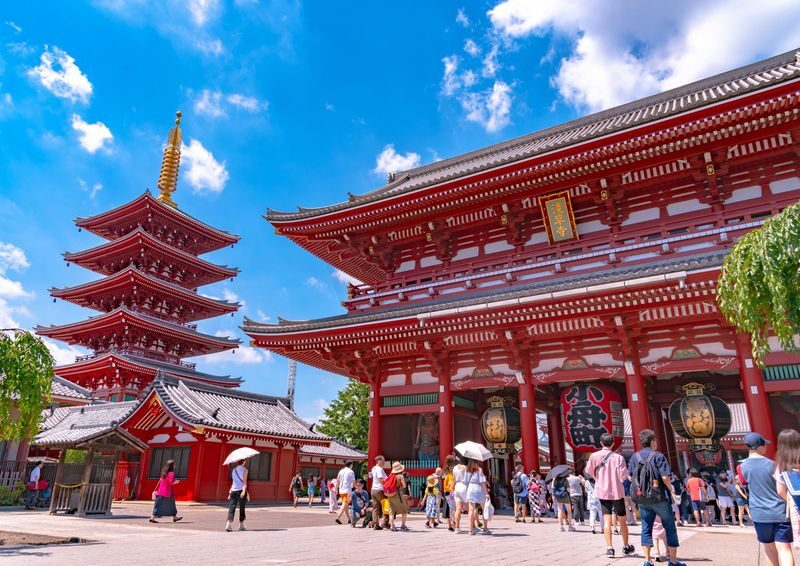
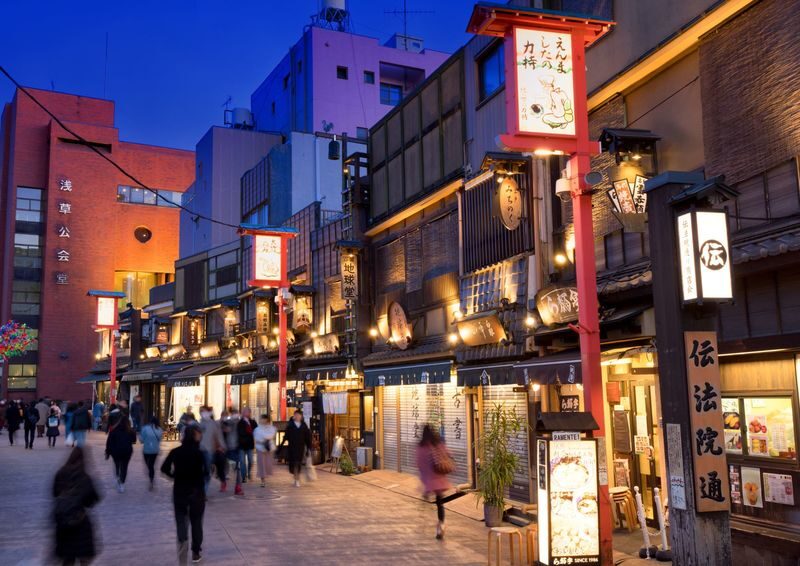
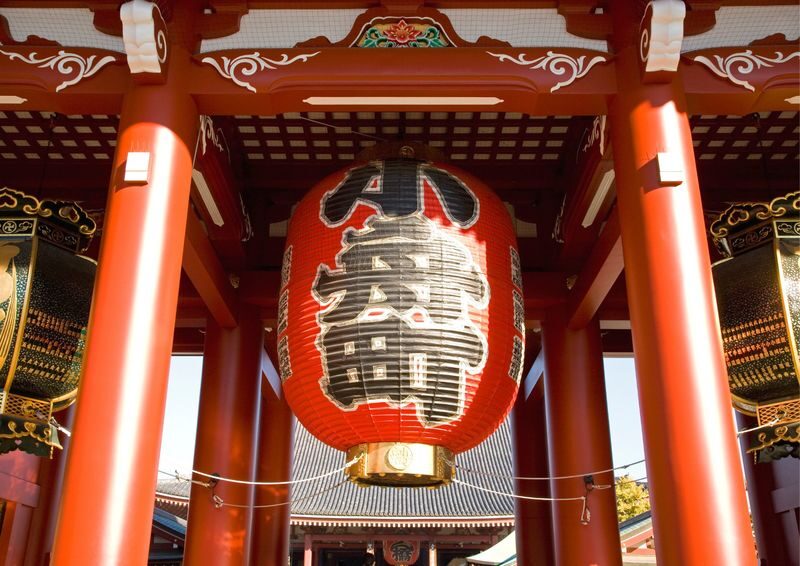
The meeting address is 2-17-9 Kaminarimon, Taito-ku, Tokyo, 111-0034. The class sits in Asakusa, close to Sensoji Temple and Tokyo Skytree, making it easy to pair with time in this historic part of the city. Check the map before setting out, as the venue asks you to use it for meeting-point help.
The location is a real practical advantage. You can plan the cooking class around a visit to Sensoji rather than crossing Tokyo just for a one-hour activity. The class itself is indoors, which can also be a useful break from walking around the district, though the experience is not a substitute for a full Asakusa sightseeing tour.
Hotel pickup and drop-off are not included. You’ll need to make your own way to the venue, and the mobile voucher is presented for direct entry.
There are several package choices: standard or gluten-free, vegan or vegetarian, halal, and an allergies menu. Some packages are offered with a sake set. Japanese sake is not included in the basic class, so select a package with the sake set if you want that addition.
The sample ingredient list for the standard menu includes fish and shellfish, egg and sesame. The allergies menu information says crab, meat, nuts, fruit and dairy products are not used. That list is helpful, but it is not a guarantee that every possible allergy can be accommodated or that cross-contact is impossible. If you have a serious allergy or strict dietary requirement, contact the operator before booking and confirm the exact ingredients and preparation arrangements.
Vegan, vegetarian and halal options are listed, which makes the class more accessible to a mixed group. Do not assume that a standard package can be adjusted on the day. Choose the package that matches your needs and verify any questions in advance.
At a starting price of $56.85, this is more than a quick snack, but it includes a one-hour class, English-speaking staff and the ingredients for making sushi. You also get the meal you prepare, plus a little cultural context. That combination makes the price easier to justify if you’re looking for an activity as well as something to eat.
The cost may feel high if you compare it with buying sushi at a restaurant, or if you only want to learn one technique. The class is brief, and you shouldn’t expect expert-level training or a long list of dishes. Its value lies in the guided, social format and the chance to take part rather than simply order from a menu.
For a family, remember that children aged four and up pay the adult rate. That can add up, so weigh the cost against how much your family enjoys hands-on food activities. For a couple or solo visitor, it may be a worthwhile way to spend an hour in Asakusa, especially if the class fits naturally into your plans.
The voucher is valid only for the date and time shown, and you can present it on your mobile for direct entry. Confirmation is expected within minutes; if it does not arrive, contact customer support. For group bookings, you can ask the merchant about scheduling before you book.
You can receive a full refund if you cancel at least 24 hours before the activity, using destination local time. In extreme weather or other unforeseen circumstances, the operator may cancel and offer a reschedule or full refund.
Book it if you want a friendly, English-language introduction to making sushi, a meal you prepare yourself and a short cultural activity close to Sensoji Temple. It is especially appealing for first-timers, families with children who can follow a group pace, and anyone who wants a break from sightseeing on foot.
Skip it if you’re after an advanced cooking course, a long lesson or a guaranteed chance to master one specific sushi style. Before booking, check which sushi formats your session includes and make sure the package suits your dietary needs. If those details line up, this is a practical, cheerful way to add a little food culture to an Asakusa day.
“very fun experiance! hosts great and fish great. experience: location: instructor: equipment:”
The class lasts one hour.
It meets at 2-17-9 Kaminarimon, Taito-ku, Tokyo, 111-0034, in Asakusa.
The sample standard menu lists nine pieces of temari sushi, miso soup and asazuke, or pickled turnip and carrot. Ingredients listed for the sushi include tuna, salmon, scallop, shrimp, flying fish roe, cucumber, egg, ginger and sesame.
No. The class is suitable for beginners, and English-speaking staff guide participants through the activity.
Participants must be at least four years old. Children aged four and older pay the same rate as adults.
Yes. Vegan or vegetarian, halal and allergies packages are listed, along with standard or gluten-free options. Contact the operator in advance to confirm ingredient details for your needs.
Japanese sake is not included in the basic class. Packages with a sake set are available.
No. Hotel pickup and drop-off are not included.
A full refund is available if you cancel at least 24 hours before the activity date, based on destination local time. If the operator cancels because of extreme weather or an unforeseen event, you can reschedule or request a full refund.