Physical Address
304 North Cardinal St.
Dorchester Center, MA 02124
Physical Address
304 North Cardinal St.
Dorchester Center, MA 02124

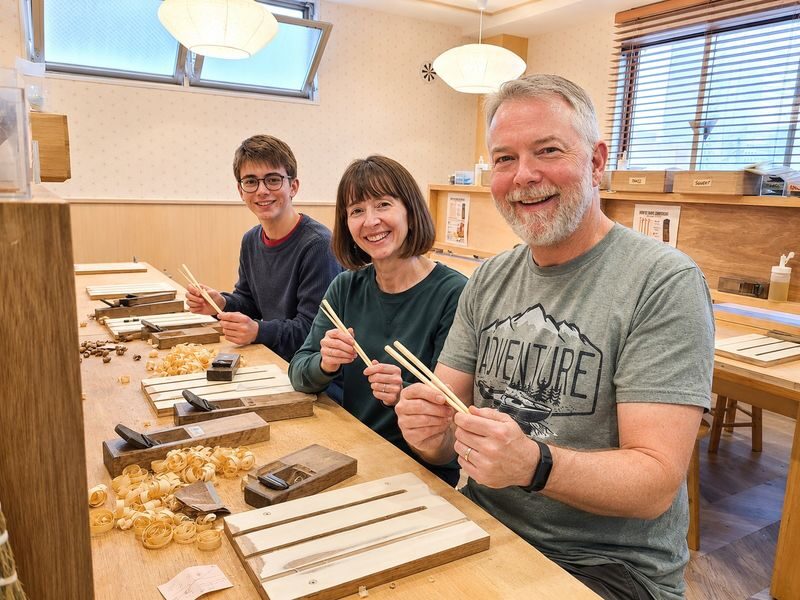
Make a pair of wooden chopsticks in Shinjuku with traditional tools, guided instruction, wood choices, and optional Japanese engraving in 45 minutes.
A handmade pair of chopsticks is a useful souvenir, and here you do the shaping yourself. In 45 minutes at ZEN Chopsticks Workshop, you choose a piece of wood, plane it with a traditional kanna, sand it smooth, and finish it with natural oil. The result is personal, practical, and a reminder of the time you spent making it.
I like two things about this class: you get hands-on time with traditional tools, and the finished chopsticks are made to be used, not just admired on a shelf. English-speaking staff guide each step, with instructors such as Momo, Hazel, Jen, and Karina named for their clear, patient help. One consideration: the starting price covers standard wood, while premium wood and engraving cost extra, so the final bill can rise if you add both.
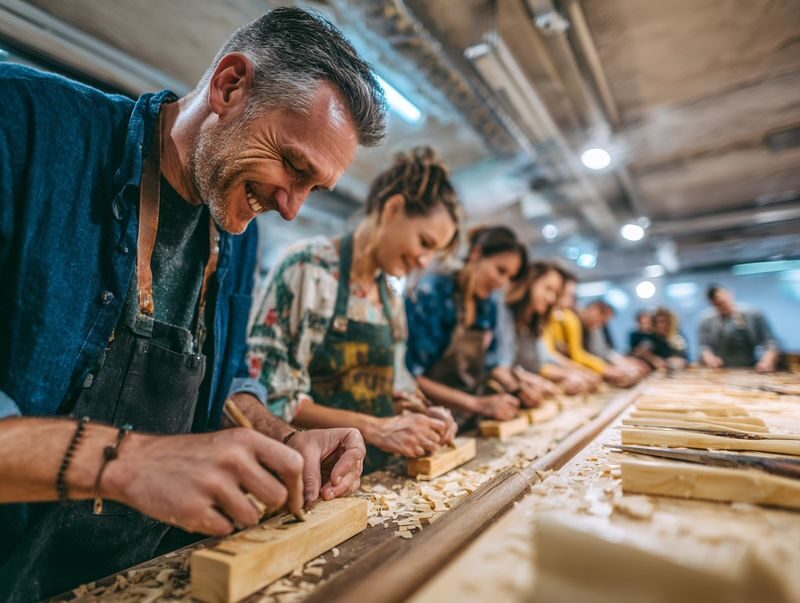
This is a compact craft class rather than a long cultural lecture. You spend most of your time working on the wood, with an instructor nearby to demonstrate the tools and help you correct your technique. That makes it a good fit if you want to make something in Tokyo without setting aside half a day.
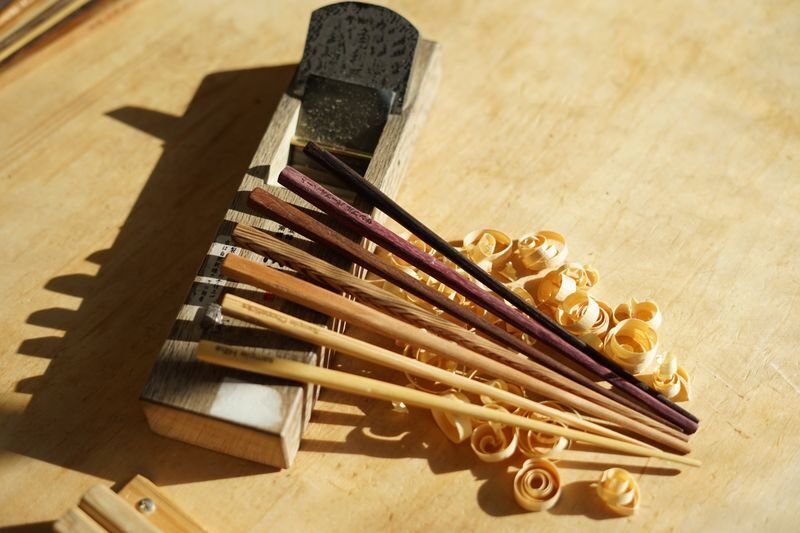
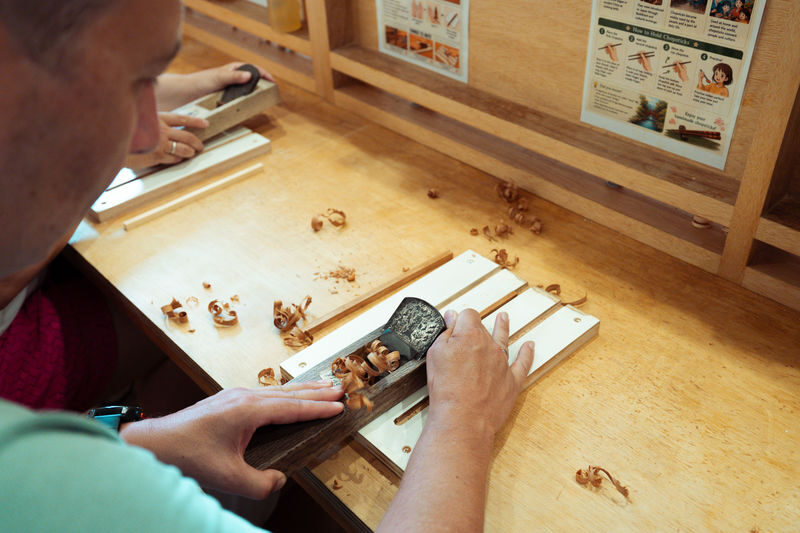
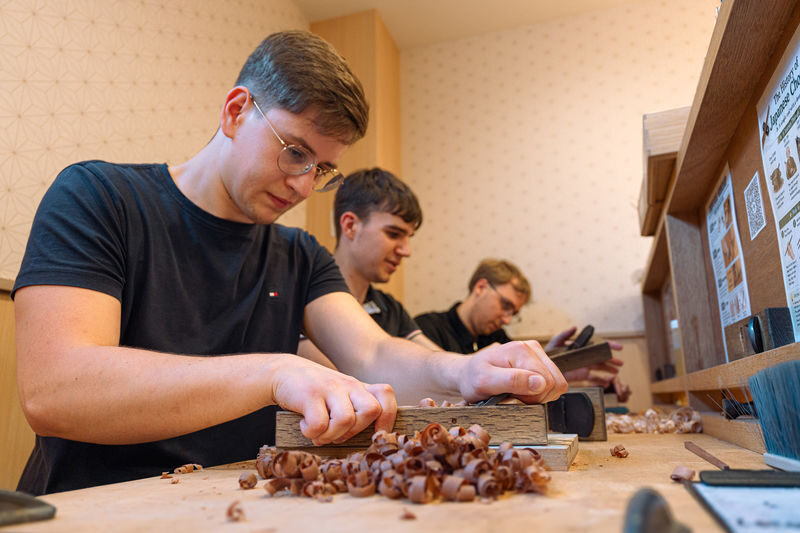
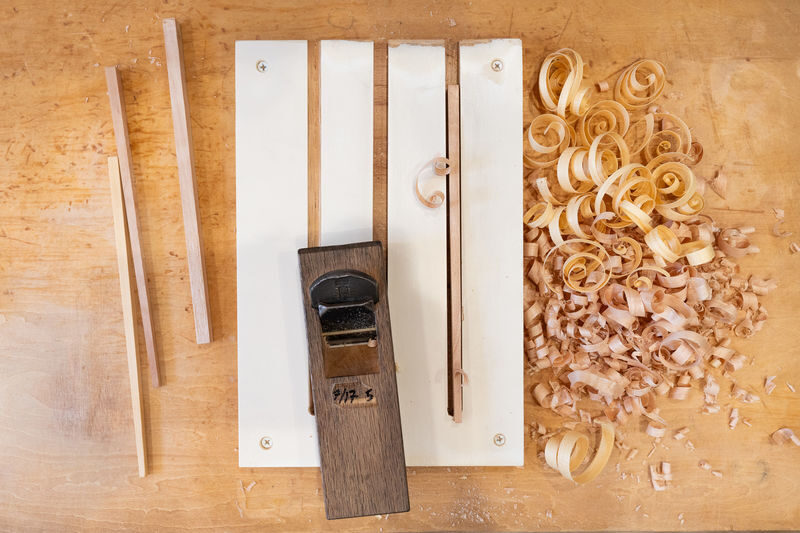
The process has a nice rhythm. First, you select a wood blank. Then you use a hand plane to shape it, sand down the surface and edges, and apply natural oil. Each stage changes the feel of the wood: carving gives it its basic form, sanding takes away roughness, and oil brings out the grain while protecting the finish.
The kanna, a Japanese hand plane, is the most distinctive part of the class. You are not simply decorating a ready-made pair. You use a traditional tool to shape the wood, with help at hand if your first passes are uneven or you need a little guidance. The point is not to master woodworking in three quarters of an hour. It is to take part in a practical craft and leave with something you helped make.
Looking for more options in Tokyo? Here are some other experiences worth considering.
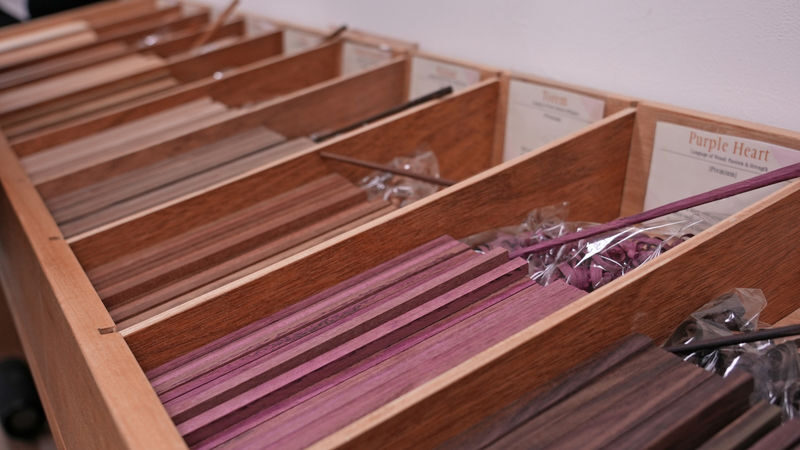
The workshop offers 10 types of wood, each with its own color, grain, and character. Standard wood is included in the base price, and premium options are available for an added fee. The included wood is described as the easiest to work with, which makes it a sensible choice for most first-timers.
That matters because a harder or more distinctive wood may look appealing, but it can take more effort to shape. If you are new to hand tools, choosing the included wood lets you focus on learning the steps instead of worrying about whether you picked the trickiest material. If the appearance of the wood is a major part of the keepsake for you, ask about the upgrade cost before choosing.
It is also worth remembering that the wood itself is only one part of the finished look. Careful sanding and a coat of natural oil help show its grain. Take your time at the finishing stage, and ask your instructor to check the shape before you move on. Instructors have helped participants correct their chopsticks during the process, so you do not need to treat an imperfect first attempt as a lost cause.
The listed itinerary is simple: meet at the workshop, take the guided class, and finish at the same address. There is no transport between stops. The value is in using a short window for a hands-on activity, especially if your Tokyo schedule is full.
After arriving and getting settled, you choose your wood and learn how to use the hand plane. The instructor demonstrates how to carve the chopsticks into shape, then you work through the task yourself. This is the part that calls for a little elbow grease and attention. It is also where the class feels most different from buying a souvenir in a shop.
Next comes sanding. You smooth both the surface and the edges, making the chopsticks more comfortable to hold and use. The final step is applying natural oil to protect the wood and bring out its finish. The class also offers optional Japanese name engraving, a personal detail that can make the pair feel more distinctly yours. Engraving is not included in the base price.
The 45-minute duration keeps the activity easy to fit between other plans, but it also means you should arrive ready to start on time. The workshop asks you to be there five minutes before your selected session. Arrivals more than 15 minutes late may be asked to reschedule, since late starts can affect later bookings.
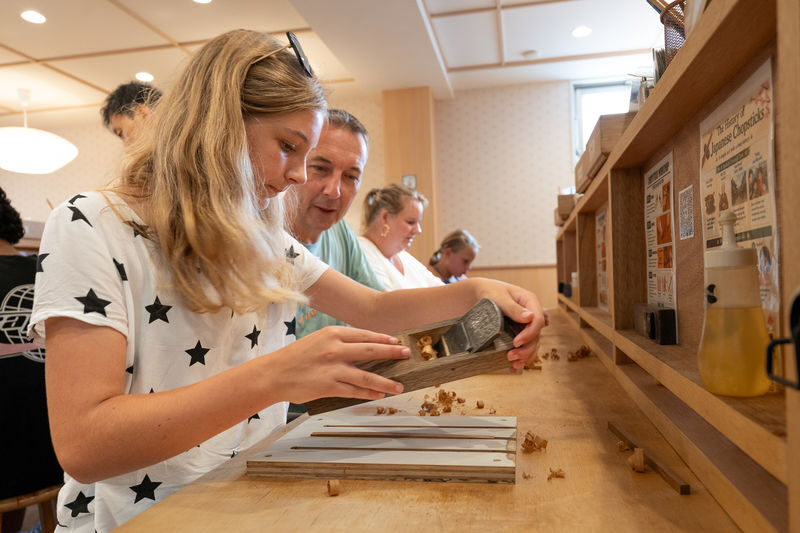
A hand plane is simple in principle, but shaping two slim sticks evenly takes a steady hand. Clear instructions and individual help make this class approachable for beginners. The instructors named for their teaching include Momo, Hazel, Jen, Karina, Suzana, and Shervin, among others. Their patience and step-by-step explanations are a recurring part of the experience.
That guidance is especially useful if you are making chopsticks with children or with someone who has never used a woodworking tool. The activity has no age limit, and children aged 0 to 2 can take part for free. Children aged 13 and older pay the adult rate. The details do not specify a separate rate for ages 3 to 12, so check the price shown for your chosen booking before you go.
This is not a class where you need to arrive with craft skills. The instructor walks you through the process, and help is available if your shape needs adjustment. You still do the work yourself, which gives the finished pair more meaning than a ready-made set. Just keep expectations reasonable: this is an enjoyable introduction to the craft, not an in-depth woodworking course.
The experience is advertised from $6.35, with standard wood and the guided workshop included. At that entry price, it is a modest-cost activity that also gives you a useful keepsake. The extras are the main point to watch: premium wood and engraving are both charged separately, and the total can increase if you choose them.
I would decide what matters most before you arrive. If you want to try the craft and take home a handmade pair, the included wood is likely enough. If you want a particular wood or a Japanese engraving, treat those as optional upgrades rather than assuming they are part of the displayed starting price. Ask about any add-on charges before you commit.
The class earns its value through participation, instruction, and the finished object. You spend the session making rather than watching, and the result is something you can use at home. It is a better match for someone who enjoys doing an activity than for someone looking only for the cheapest souvenir.
The workshop is in Shinjuku West Square Building, 7-4-5 Nishishinjuku, Shinjuku City, on the 10th floor. The nearest station is Shinjuku-Nishiguchi on the Oedo Line, using Exit D5. From Shinjuku Station on the JR or Marunouchi lines, use the West Exit or Exit 15 or 16.
The meeting instructions say to meet in front of the building, then take the elevator to the 10th floor. Shinjuku’s station area can be confusing, so allow a little extra time to find the right exit and building. There are sessions listed from 9:00 a.m. through 7:00 p.m.; the available return times depend on your selected departure and the session duration. Book the time you intend to attend.
The venue is cashless. It accepts Visa, Mastercard, American Express, JCB, Diners Club, and Discover. There is no luggage storage and no room for large bags, so leave suitcases and bulky luggage at your accommodation or in your vehicle before coming.
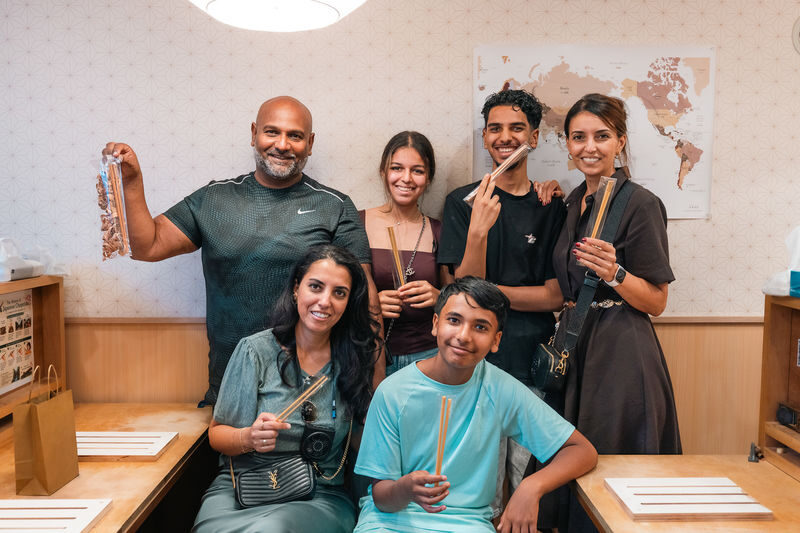
This class suits couples, families, and solo visitors who want an activity with a tangible result. It works well as a break from Tokyo’s larger attractions: you spend less than an hour making something, rather than just taking photos or shopping. The guided format is useful if you are new to hand tools, and the optional engraving gives you a way to personalize the final pair.
It is also a good choice if you are looking for a souvenir with a story behind it. You will remember choosing the wood and shaping it, not just where you bought it. Families may especially like that the activity is open to all ages, though very young children’s ability to take part in the hands-on steps will depend on the child.
Skip it if you want a long, detailed lesson in Japanese woodworking or a fully finished product with no effort. The class is short, and the craft is simple by design. There is also a small risk that you will want one of the paid upgrades once you see the wood choices, so keep that in mind when setting your budget.
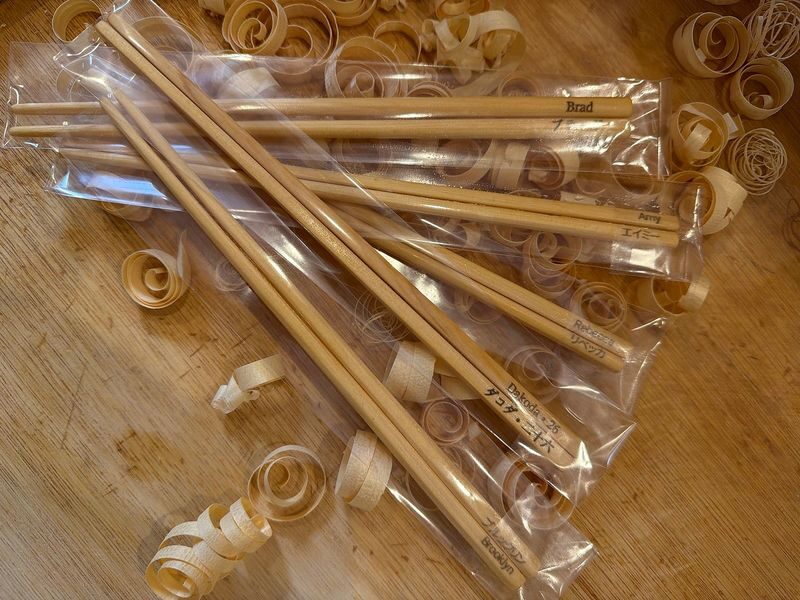
Book this if you want a short, guided craft activity and a souvenir you can actually use. The included wood is a practical starting point, the tools make the process feel connected to traditional craftsmanship, and instructors are on hand to help you shape the pair. If engraving or a premium wood matters to you, check those extra costs before you choose. Arrive on time, travel light, and leave with a little more than something bought off a shelf.
“Great fun! Our guide Shervin patiently show us what to do. He even fixed my chopstick. Highly recommended!”
The guided workshop lasts about 45 minutes.
The workshop, English-speaking staff, standard wood, admission, and use of traditional tools are included. Premium wood and engraving cost extra.
Yes. Japanese name engraving is an optional extra and is not included in the base price.
It is on the 10th floor of Shinjuku West Square Building at 7-4-5 Nishishinjuku, Shinjuku City. The closest station is Shinjuku-Nishiguchi on the Oedo Line, Exit D5.
There is no luggage storage and no room for large bags. Leave luggage at your accommodation or in your vehicle.
Arrive five minutes before your selected start time. If you are more than 15 minutes late, you may be asked to reschedule because late arrivals can affect later reservations.