Physical Address
304 North Cardinal St.
Dorchester Center, MA 02124
Physical Address
304 North Cardinal St.
Dorchester Center, MA 02124

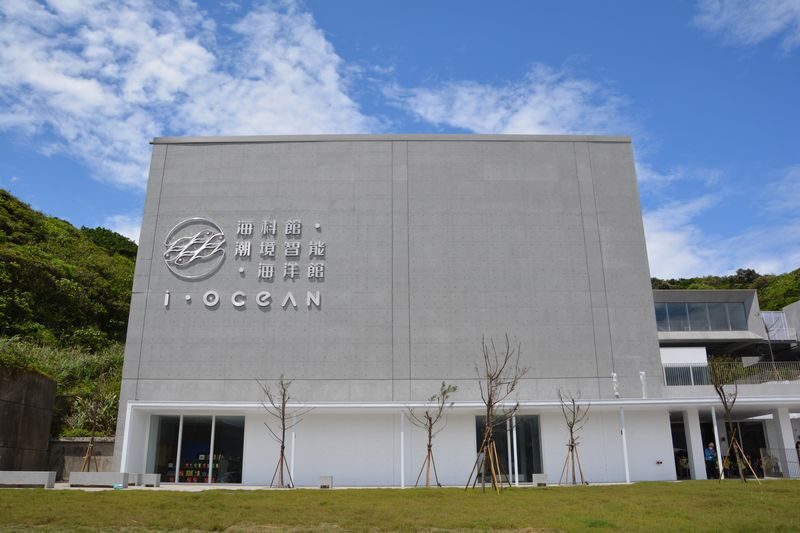
Explore Keelung’s seven-story marine science museum, with hands-on exhibits, a children’s hall, deep-sea displays, and optional aquarium visits.
The ocean gets a proper workout at this seven-story museum: you can move from ship engineering and fisheries to deep-sea creatures, marine culture, and the environmental pressures affecting our seas. It is in Keelung, not Taipei, and the main exhibition hall alone can fill a relaxed half-day.
I like two things in particular: the children’s hall gives younger visitors room to play while learning, and the exhibits connect ocean science to familiar parts of daily life. The museum is also a practical rainy-day choice, with cool indoor space and plenty to explore.
One catch: the advertised main-hall ticket does not cover every attraction. Special exhibitions, the 3D IMAX Theater, and some nearby facilities cost extra, so check the package details before you buy.
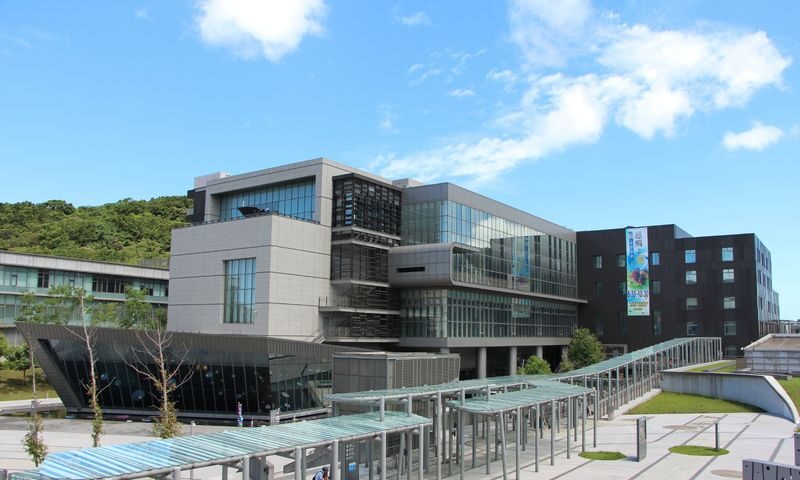
The National Museum of Marine Science and Technology, or NMMST, is a large museum built around a broad idea: the ocean is not a distant subject reserved for scientists. It shapes weather and climate, supplies food and materials, influences culture, and affects the choices we make every day.
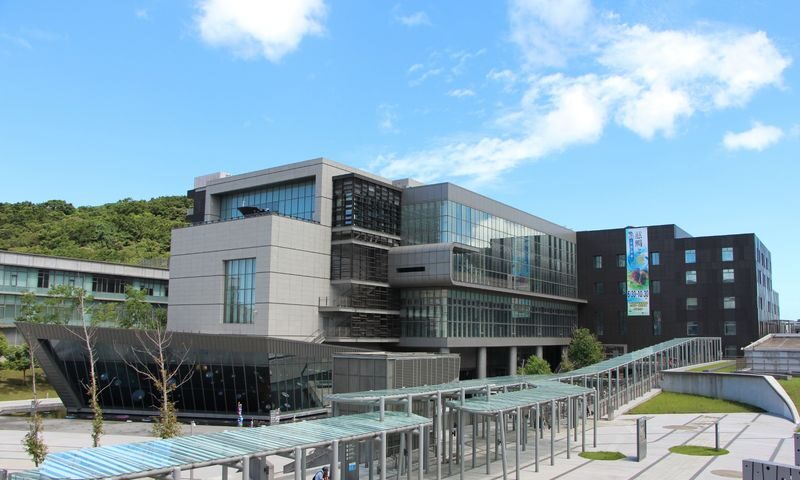
That approach gives the museum more range than a conventional aquarium. You will find marine life and ecology, but also exhibits on ships, engineering, fishing, and the ways people live with the sea. The building itself is designed to sit among Keelung’s surrounding natural environment, and its seven-story scale makes this an outing with room to wander rather than a quick look at a few tanks.
A standard ticket covers the main exhibition hall. The ticket does not automatically include every activity on the wider museum campus, so think of the main hall as the core visit and the other attractions as possible add-ons.
The suggested visit length is two to three hours. That is a useful starting point, not a strict limit: families who stop at the interactive stations and children’s area may stay longer, while adults moving briskly through the displays may finish sooner.
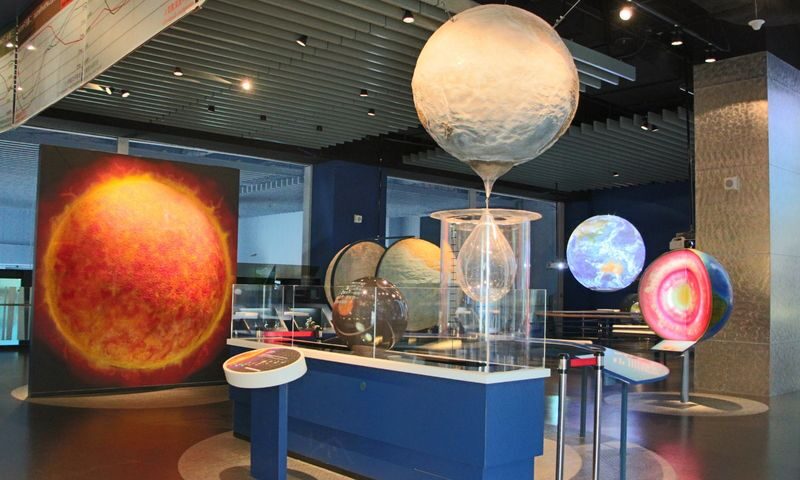
The permanent displays are divided among eight halls: Marine Environment, Marine Science, Ship and Ocean Engineering, Fisheries, Marine Culture, Deep Sea Image, Deep Sea Exhibition, and Children’s Hall. Each takes a different route into the subject, so you can choose what interests you instead of treating the museum as one long sequence of similar displays.
The Marine Environment Hall puts attention on the health of the sea and the pressures facing it. This is the section that helps turn marine conservation from a distant slogan into a practical question: how do human activity and the ocean affect each other?
The Marine Science Hall adds the scientific frame, while the Ship and Ocean Engineering Hall looks at technology and the ways people build and work with vessels and ocean systems. If your children like machines, movement, and how things work, these may hold their attention better than a wall of text.
In the Fisheries Hall, the focus shifts to how people gather food and make a living from the sea. The Marine Culture Hall brings in the human side, showing that the ocean is not just a habitat or workplace but also part of the stories and customs of coastal communities.
The Deep Sea Image Hall and Deep Sea Exhibition Hall take you toward a less familiar world. The displays use imagery and exhibits to introduce deep-sea environments and creatures, a subject that can be hard to picture without visual help. The goal is not simply to show unusual animals, but to make the deep sea feel like a real part of the planet rather than a science-fiction setting.
Then there is the Children’s Hall, designed to combine play with learning. It is a useful pressure valve on a family outing: children can move around and engage with the subject at their own pace, instead of being expected to read every panel. Parents should still set expectations by age. Interactive exhibits can be more rewarding once a child is old enough to understand the prompts, while younger children may mainly enjoy the play space.
The permanent halls are the strongest reason to choose the main museum ticket. They give you an overview of the subject, with enough variety to keep a family visit from becoming a single long lesson.
Hands-on elements are one of the museum’s main strengths. The displays are designed to make marine science more active, and the combination of play and information gives children several ways to stay involved. Older children, in particular, may appreciate the chance to connect a visual demonstration with ideas such as ocean sounds, ships, or how tsunamis form.
There is a practical limit to interactivity: some installations may be damaged or unresponsive, and a child who is too young to follow the activities may not get much from them. That does not make the visit a poor choice for little ones, but it does mean you should not expect every display to work as a hands-on activity.
Families can use the museum as a flexible outing rather than a test of endurance. Spend more time where your child is curious, take a break when attention fades, and treat the halls as a selection rather than a checklist. The Children’s Hall and the large indoor spaces also make the museum a handy option when summer heat or rain makes an outdoor plan less appealing.
For adults without children, the exhibits still offer a broad introduction to marine ecology and technology. The museum’s appeal is educational more than purely spectacular, so it suits visitors who enjoy learning how systems work as much as looking at animals.
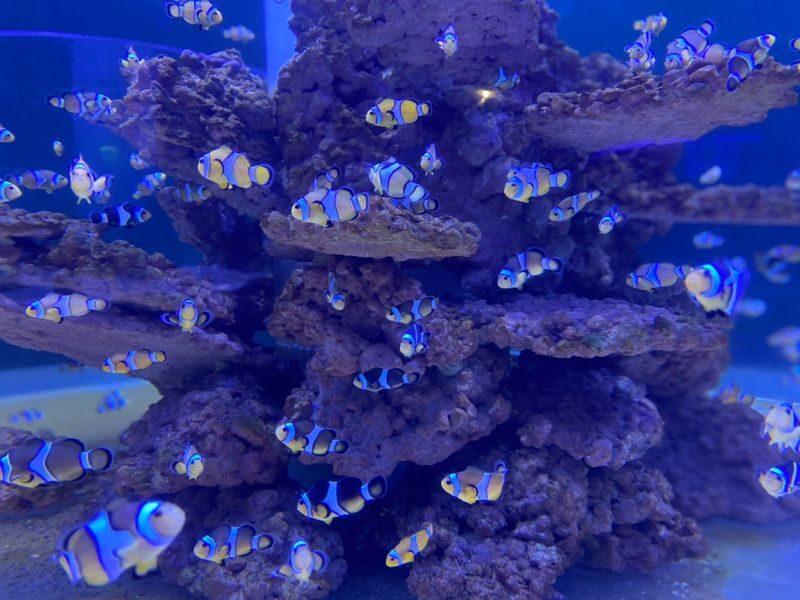
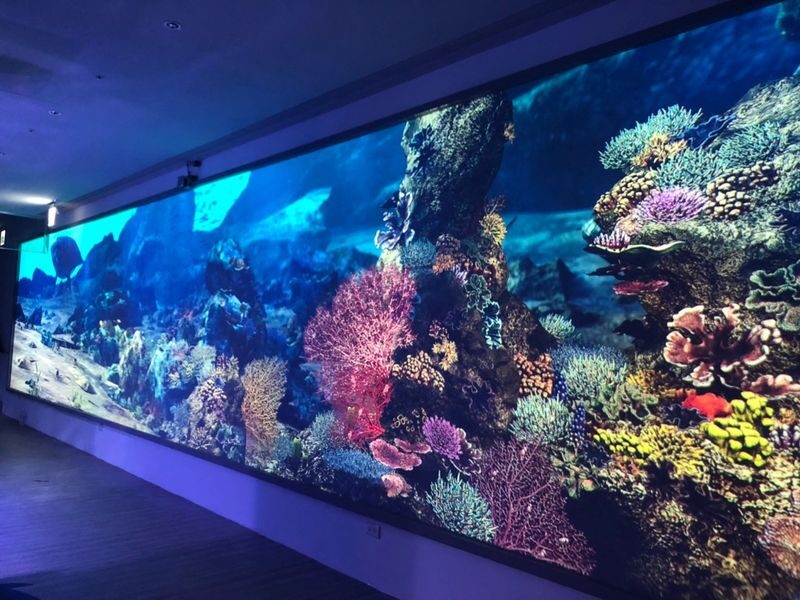
Chaojing Smart Ocean, also described as Chaojing Smart Pavilion, is a separate venue and ticket option. It combines marine life exhibits with newer display technology, including a 5G experience and AR and VR underwater activities. The stated experience is divided into a main exhibition area, an interactive and leisure area, an ocean center, and a shop.
The main exhibition area has five themed zones: Chaojing Visitors, Chaojing Fish, Underwater World, Chaojing Dancers, and Tidal Painting. The Ocean Center displays 320 species of marine life. The overall visit is smaller in scale than the main museum, but it adds the close-up aquarium experience that the science halls are not designed to provide.
The aquarium displays include fish, rays, small sharks, eels, jellyfish, and other marine animals. Its indoor setting makes it a useful choice on a wet day or when you want an air-conditioned activity. Views of Chaojing Bay add an outdoor element to the visit, and the nearby intertidal zone offers a chance to spend time by the water.
Some interactive activities, including VR Ocean Defender, cost extra. Parts of the aquarium may also be under maintenance at a given time, so it is wise to treat the exact displays available as subject to change. If you are comparing packages, check whether you are buying the main museum, Chaojing, or a bundle that includes both.
The wider area includes Wangyou Valley, a quieter natural stop known for its scenery and ecology. It can make a pleasant contrast to the indoor exhibits, but it is not included in the museum ticket.
Start with the main halls that match your interests. For families, that may mean picking out the Children’s Hall early and then using the ship, fisheries, or deep-sea displays as chances to keep the learning varied. Adults interested in conservation may want to allow extra time for the Marine Environment Hall.
You do not need to rush through all eight permanent halls just to say you saw them. A better plan is to look for a few themes you can discuss afterward: how the ocean affects daily life, how ships and technology change our relationship with it, or what marine conservation asks of us.
If you have a combined ticket, decide in advance how much time you want at Chaojing. The main museum is large enough to occupy a substantial part of the day, while the aquarium offers a more focused visit. Trying to give every hall and every add-on equal time can turn an enjoyable outing into a march.
The museum is at No. 367, Beining Road, Zhongzheng District, Keelung City. Transportation is not included, so plan your own trip to the site. Large backpacks, travel bags, and luggage must be stored in the designated area. Outside food and drink are not allowed inside, and the museum has accessible facilities.
Tickets start at US$5.35, though the final price depends on the package you choose. The basic option covers admission to the National Museum of Marine Science and Technology Main Exhibition Hall. Other packages may pair the main hall with Chaojing Smart Ocean, an 8K Ocean Theater viewing, or ANIVERSE Wanderer Base. Some bundles include a NT$30 merchandise voucher.
The value depends on what you plan to see. If the permanent halls are your main interest, the basic ticket is the straightforward choice. If you want both marine science displays and live aquarium exhibits, a combo may save you the trouble of buying separate admissions, but compare its cost with the attractions you actually intend to visit.
The 3D IMAX Theater, special exhibitions, and other paid facilities are not included in the standard main-hall admission. Prices for those are announced on site. Do not assume a general museum ticket covers every activity simply because it is sold on the same campus.
The mobile voucher is valid for 365 days from booking confirmation and can be used for direct entry. Show the QR code at the service counter on the first floor of the main exhibition hall. The voucher can be cancelled for a full refund before it is redeemed, which gives you flexibility if plans change before the visit.
Admission is free for children aged 0 to 5, and children aged 0 to 12 must be accompanied by a paying adult. Seniors aged 65 and older can enter the museum free on weekdays. Birthday discounts are also mentioned in some package experiences, but the details are not set out here, so check directly with the venue before buying a ticket for someone celebrating.
The museum is open Tuesday through Sunday, from 9 a.m. to 5 p.m. It closes every Monday and on New Year’s Eve, though it opens as usual on national holidays and consecutive holidays. Confirm the official schedule before you set out, since actual hours can change.
Chaojing Smart Ocean has different hours: Tuesday to Sunday, 11 a.m. to 8 p.m., with last admission at 7:20 p.m. It closes on Mondays, subject to its own holiday announcements. That later schedule can make it possible to visit the main museum first and Chaojing afterward, but check current opening information before planning around the difference.
Pets are not allowed, except service animals with valid identification. Smoking and drinking are prohibited, and dangerous or disruptive items such as firecrackers and lasers are not permitted. These are simple rules, but worth knowing before you arrive with bags or plan to bring food for a child.
I would put this museum high on the list for families with school-age children, especially if your group likes interactive learning and wants an indoor activity that can fill a half-day. The children’s facilities, varied subjects, and large indoor setting give you options when energy or attention runs short.
It also suits adults with a real interest in marine life, ocean technology, and conservation. The breadth is the attraction: you can move from ecology to engineering to culture without leaving the building. If your main goal is a traditional aquarium visit, choose a Chaojing ticket or a combo rather than expecting the main exhibition hall to deliver the same experience.
The main drawback is that the full day can cost more than the basic ticket suggests. Add-ons, special exhibitions, and theater admission are separate, and some interactive equipment may not be functioning. The good news is that you can keep the visit simple: the permanent halls alone offer a solid and varied outing.
Book the main exhibition hall if you want a broad, family-friendly introduction to the sea and its connection to everyday life. Add Chaojing Smart Ocean if marine animals and aquarium displays are a priority, and check the package carefully so you know what is included.
For a rainy day, a child-friendly outing, or a few hours of indoor learning in Keelung, NMMST is a practical choice. If you have only a short window and want a quick spectacle rather than a museum visit, you may prefer to spend your time at the aquarium or along the coast instead.
“The scenery is beautiful, and the interior is also very nice. After looking around, you can even head outside to the intertidal zone to play in the…”
It is at No. 367, Beining Road, Zhongzheng District, Keelung City, Taiwan.
Plan for about two to three hours. Families who spend extra time at interactive displays or the Children’s Hall may want longer.
It includes admission to the National Museum of Marine Science and Technology Main Exhibition Hall.
No. Chaojing Smart Ocean has its own ticket, though combo packages may include it.
It is generally open Tuesday to Sunday, 9 a.m. to 5 p.m. It closes every Monday and on New Year’s Eve. Check the official schedule for holiday changes.
Children aged 0 to 5 can enter free. Children aged 0 to 12 must be accompanied by a paying adult.
Visitors aged 65 and older can enter the museum free on weekdays.
No. They require additional tickets, with prices subject to on-site announcements.
Show your mobile voucher and QR code at the service counter on the first floor of the main exhibition hall for admission.