Physical Address
304 North Cardinal St.
Dorchester Center, MA 02124
Physical Address
304 North Cardinal St.
Dorchester Center, MA 02124

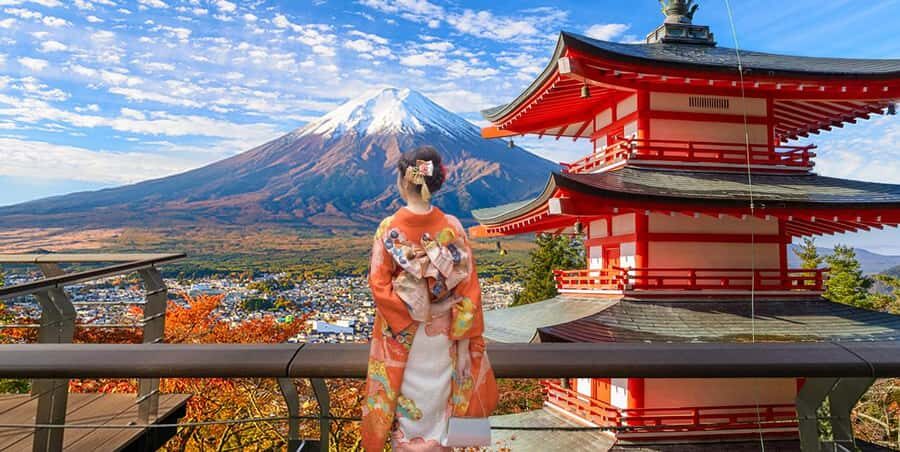
See Mount Fuji from Lake Kawaguchi, Oshino Hakkai and Chureito Pagoda on a guided 10-hour day trip from Tokyo for $50.
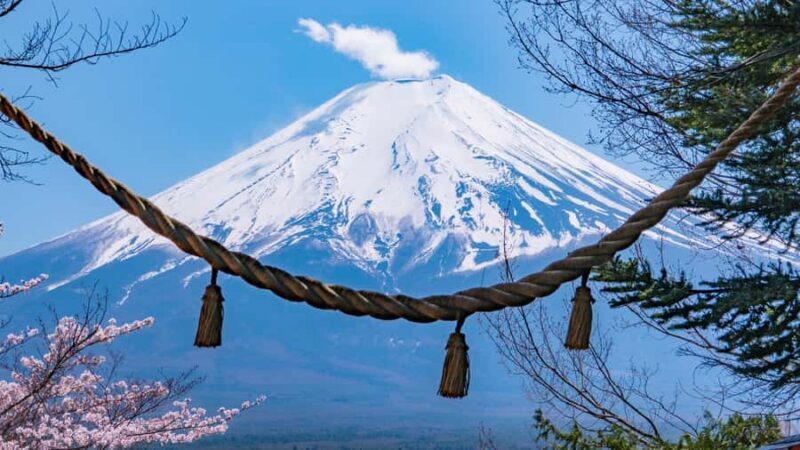
Mount Fuji is the star, but this day trip gives you several very different ways to see it: across Lake Kawaguchi, behind a thatched village, and beside the red pagoda at Arakurayama Sengen Park. You travel by coach from Tokyo, with a guide and a set route that takes the guesswork out of reaching these widely spaced sights.
I like the mix of Fuji viewpoints and traditional village scenery, and the chance to sample spring water at Oshino Hakkai. I also like that the $50 price includes transport, guide, attraction entry tickets and road costs, which makes the day easy to budget.
The trade-off is time on the road and at each stop. You have roughly 30 to 60 minutes at most places, and Mount Fuji can disappear behind clouds. On busy weekends or holidays, traffic may eat into an already full day.
This is a sightseeing loop, not a slow country ramble. From Tokyo, the coach heads toward the Fuji area, where you visit Lake Kawaguchi and Oishi Park, Saiko Iyashi-no-Sato Nenba, Oshino Hakkai, Arakurayama Sengen Park, Arakura Fuji Sengen Shrine and Chureito Pagoda. The order or timing can shift with road conditions and weather.
The advertised day lasts about 10 hours, with roughly two hours of driving each way. That estimate can stretch in peak season, on weekends and during public holidays. Keep your evening plans flexible, especially if you have a timed dinner reservation or a show back in Tokyo.
The itinerary’s short stops are part of the bargain. You get a broad sample of the area without planning separate buses or train connections, but you won’t have time to linger at every site. I’d treat this as a first look at Fuji country, not a substitute for a longer stay.
Looking for more options in Tokyo? Here are some other experiences worth considering.
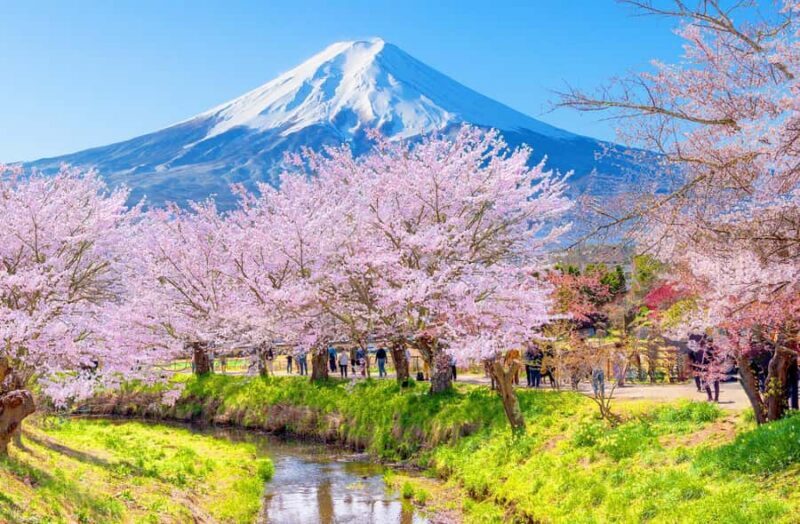
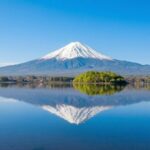
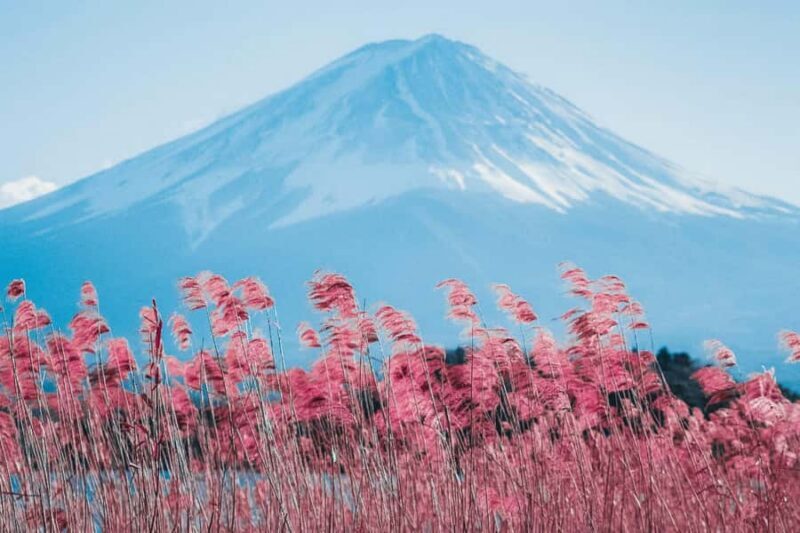
Oishi Park is the day’s easy-going opening act. You get about 20 minutes at the park and another 20 at Lake Kawaguchi, with the mountain providing the classic backdrop when the sky is clear. The park is known for seasonal changes: cherry blossoms in spring, lavender in summer, red foliage and kochia in autumn, and snow scenes or reeds in winter.
That changing scenery gives the stop value beyond a single postcard view. The flowers and plants shift with the calendar, while the lake keeps the setting open and calm. If Mount Fuji is visible, you can frame it with flowers, water or both. If cloud covers the peak, the lakeside walk still offers a pleasant break from the coach.
Twenty minutes at each spot is enough for a short stroll and photos, not a long wander. Have your camera ready and follow the guide’s timing. You may find yourself wishing for more time if the view is clear, but the schedule has several more stops to fit in.
Saiko Iyashi-no-Sato Nenba gets about an hour, making it one of the more substantial visits. This reconstructed village preserves traditional crafts and features thatched-roof buildings. The roofs and village setting can frame Mount Fuji in the distance, creating a very different view from the broad lakefront at Oishi Park.
I like the contrast. Instead of another quick roadside photo stop, you get a chance to walk through a village setting and look at traditional building styles. It also brings a human scale to a day often dominated by the mountain’s enormous presence.
The village is popular, so don’t expect complete solitude, especially during busy seasons. Still, an hour gives you room to explore at a measured pace and take photographs without having to race through in a few minutes. Comfortable shoes are useful here and at the other walking stops.
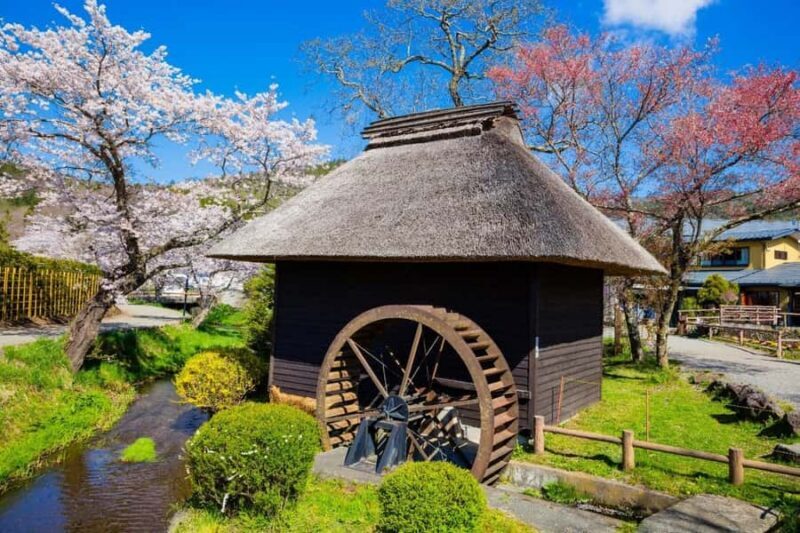
Oshino Hakkai is named for its eight clear spring pools, fed by snowmelt from Mount Fuji. The water has a local reputation for bringing good health and long life, and you can taste it during the visit. The stop lasts about an hour, giving you time to see the springs and walk around the village.
The water is the memorable detail here: it connects the mountain you’ve been photographing with the everyday life of the surrounding area. Bring a reusable bottle if you like, though the tour information specifically encourages tasting the spring water rather than promising a particular refill arrangement.
This is also a busy attraction. The clear pools are a draw, and crowds are more likely during peak periods. I’d go in expecting a lively village stop, not a secluded nature walk. Local merchants may not accept cards, so carry some cash if you want to buy anything.
More Great Tours Nearby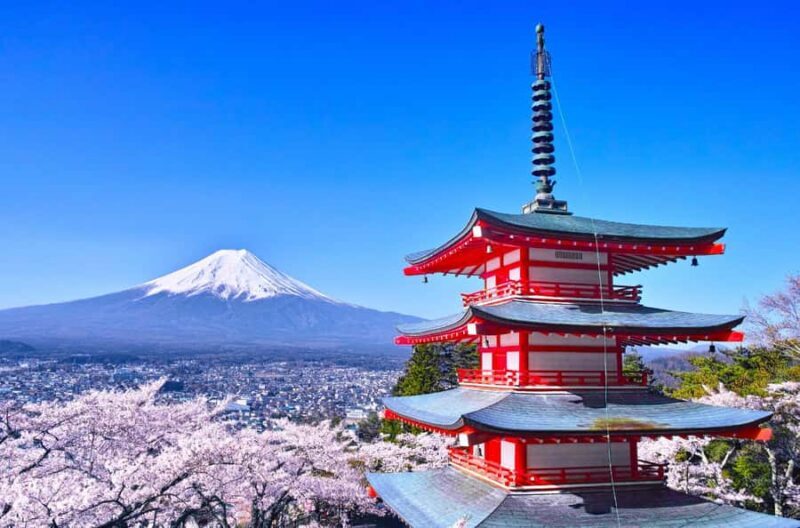
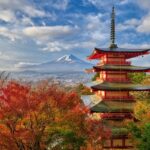
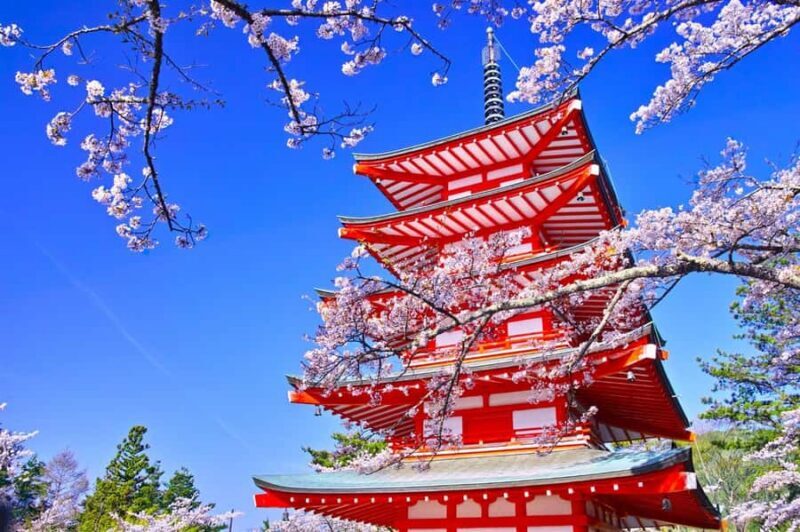
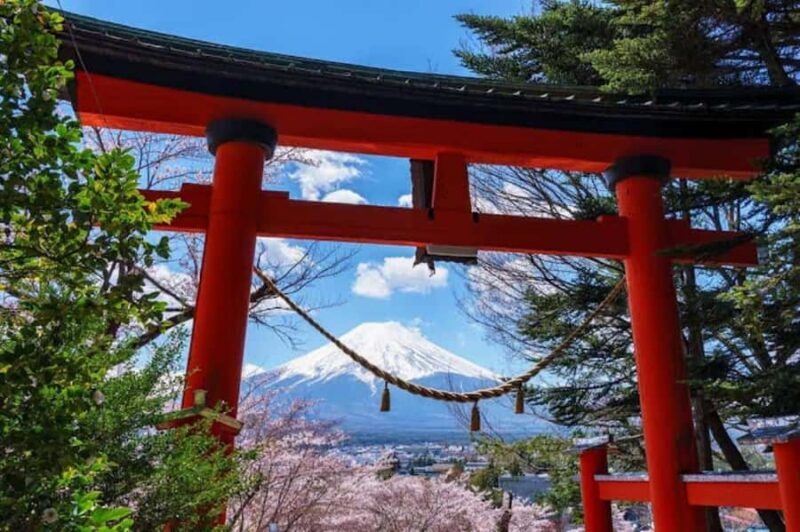
Arakurayama Sengen Park is the most demanding stop on the route. The famous viewpoint is reached by climbing about 400 steps, with the red five-story Chureito Pagoda and Mount Fuji forming the iconic composition at the top. The itinerary allocates about 30 minutes for the park and another 15 minutes each for the shrine and pagoda.
Those times leave little room to dawdle, and the steps matter. This tour is not suitable for wheelchair users or people with mobility impairments, and pregnant visitors are also advised not to take it. If you can manage the climb, pace yourself and wear shoes with a good grip. The view is a strong payoff, but no photograph is guaranteed: cloud can cover Fuji even when the pagoda is in sight.
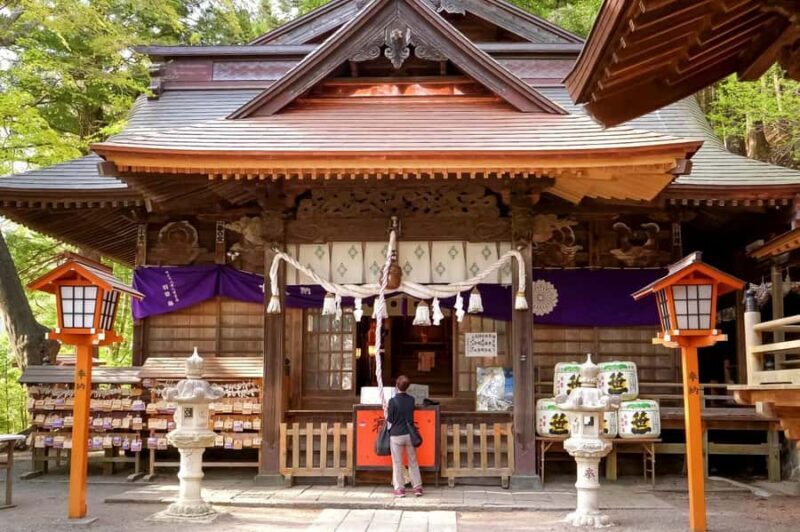
Arakura Fuji Sengen Shrine adds a quieter, more devotional note. Established in 705, it is dedicated to the deity of Mount Fuji and was once used for rituals intended to calm the mountain’s eruptions. The shrine’s presence gives the viewpoint more context than a photo stop alone. Take a moment to look around before heading back to the coach.
At $50 per person, the price covers more than a seat on a bus. You get an air-conditioned vehicle, round-trip transport from the selected Tokyo meeting point, a professional guide speaking English or Chinese, attraction entry tickets, and taxes, parking, tolls, fuel and environmental fees. For a route with several stops spread across the Fuji area, that’s useful value, especially if you don’t want to coordinate local transport yourself.
The important extra expense is food. Lunch is not included unless you select a lunch-set option, and snacks and drinks are also on you. One visitor found that the non-lunch option left about 30 minutes to eat, so plan for a quick meal rather than a leisurely restaurant stop. Carry cash for small local purchases, since some merchants do not accept cards.
Private or small-group options are available, but the exact format depends on what you book. Pickup is optional, and meeting points vary by option. Check the selected departure details carefully, then watch for an email with guide information by 7 p.m. the day before. The guide may also contact you to confirm pickup details.
The route’s stops are spread out, and public transport between them would add planning and waiting. A coach lets you settle in between sites, while the guide handles timing and gives context along the way. The vehicle is described as comfortable and air-conditioned, and guides on past departures have included Keiko, Betty, Joey, Pin, Yuan and Tim. Your guide will depend on the date and departure.
Guides can also help make a short stop more useful. Some have shared local history, pointed out photo spots, helped with pictures or recommended where to eat. Those touches matter when the schedule is tight. At the same time, this is a group outing, so you’ll need to be back at the coach on time rather than setting your own pace.
Bring water and wear comfortable clothes and shoes. Food and drinks are not allowed in the vehicle, and smoking is prohibited there. If you’re bringing a stroller or large luggage, note it when booking so the operator knows in advance.
The central gamble is visibility. Mount Fuji may be visible from several stops on a clear day, but the mountain’s appearance depends on weather. Check the forecast before you go, and keep your expectations flexible: even a well-run trip cannot make the clouds move.
Crowds are the other variable. Oshino Hakkai and the famous pagoda viewpoint can be busy, especially during peak seasons. Traffic delays are common on weekends and public holidays, too. The schedule may change for traffic or weather safety, so allow a buffer after the tour rather than booking something important right away.
Despite those uncertainties, the variety of stops is a strength. If Fuji is hidden, you still have the village, shrine, spring pools and seasonal park scenery. If the mountain is clear, each location gives you a different frame, from wide lake views to the pagoda’s familiar silhouette.
I’d choose this tour if you’re based in Tokyo, want to see several well-known Fuji-area sights in one day, and would rather leave transport and route planning to someone else. It suits first-time visitors, photography fans and anyone who values variety over spending half a day at one place. The included entry tickets and road costs make the price easier to judge.
I’d think twice if you dislike early starts, tight timings, coach travel or crowds. It is also a poor fit if the 400-step climb is not manageable for you. If you want a quiet, unhurried stay by the lake, spend a night in the area instead. If you want a convenient sampler with a guide and a strong chance of seeing the region’s main sights, this is a sensible use of a day.
“smooth transaction and tour was worth it especially thumbs up to our tour guide. very accommodating and entertaining! recommended!!!”
The tour lasts about 10 hours. The drive from Tokyo to the Fuji area is estimated at two hours, and the return trip is also estimated at two hours. Traffic can extend both journeys.
The tour offers live guiding in English and Chinese.
Lunch is not included unless you choose a lunch-set option. Snacks and beverages are also not included.
Yes. Attraction entry tickets are included, along with round-trip transfers, an air-conditioned vehicle, taxes, parking, tolls, fuel and environmental fees.
The climb to the observation deck involves about 400 steps. The tour is not suitable for people with mobility impairments or wheelchair users.
No. Visibility depends on weather. Check the forecast before your trip, but be prepared for the mountain to be obscured by cloud.
The meeting point depends on the option you book. Pickup may be available, and the guide information is sent by email by 7 p.m. the day before departure.
You can check availability for your dates here: