Physical Address
304 North Cardinal St.
Dorchester Center, MA 02124
Physical Address
304 North Cardinal St.
Dorchester Center, MA 02124

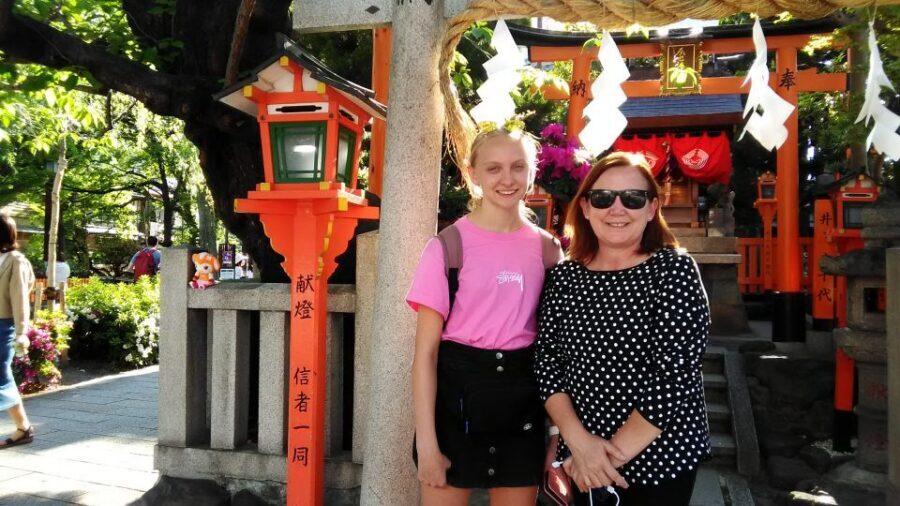
Explore Kyoto with a private licensed guide, custom stops, temple visits and local transit advice. Choose a four, six or eight-hour walking tour.
Kyoto’s famous sights are spread across a city that rewards a little planning. This private walking tour pairs you with a nationally licensed local guide who can shape the day around temples, markets, gardens or neighborhoods, and help you connect the stops by train, bus, taxi or on foot.
I like two things in particular: you can choose the places that matter to you, and your guide can explain the customs and stories behind them. Guides such as Kazuo, Noriko, Akira and Yuka have helped visitors cover several sites while sharing practical tips on transit, dining and shrine etiquette.
The main consideration is that this is a walking tour, not a chauffeured sightseeing day. Transport between distant sites and entrance fees cost extra, and the more places you request, the less time you will have to linger.
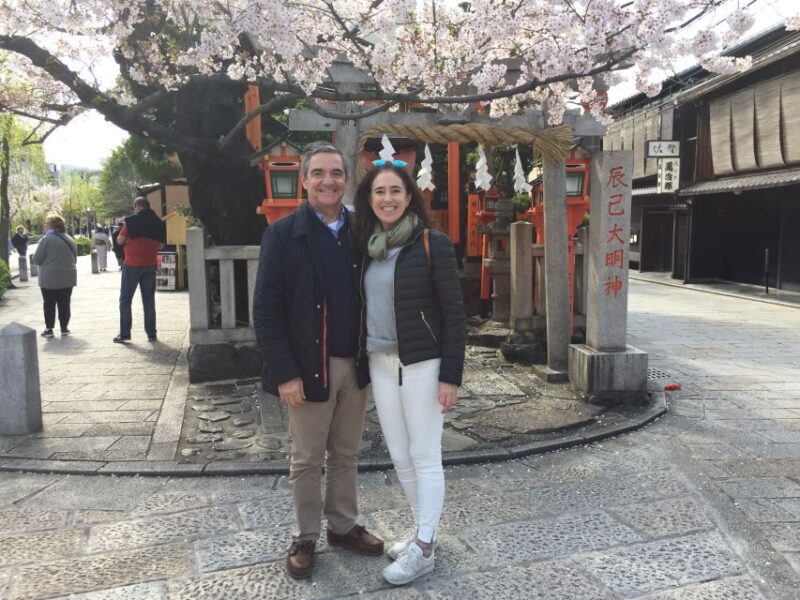
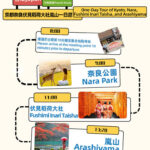
Kyoto is not one compact collection of sights. Fushimi Inari lies in the south, Kinkaku-ji in the north, while Arashiyama sits well to the west. Add the east-side temples and Gion, and a day can turn into a string of transport decisions if you are working it out as you go.
A private guide helps turn your wish list into a workable route. You can request famous landmarks, lesser-visited temples, a market, a garden or time in an old neighborhood. The guide can also adjust the order to reduce backtracking or avoid spending too much of your day in traffic.
The guides are certified by Japan’s government as Nationally Licensed Tour Guide-Interpreters. That certification requires knowledge of Japanese culture and history, and English and Japanese are the available tour languages. The personal style will vary by guide, but past visitors have praised clear English, thoughtful explanations, friendly conversation and a willingness to adapt.
That flexibility is especially useful if your group has mixed interests or different energy levels. Guides have adjusted plans for children, older family members, photo stops, coffee breaks and requests to spend more time away from crowds. Tell your guide what matters before the day, rather than expecting them to guess.
You can check availability for your dates here: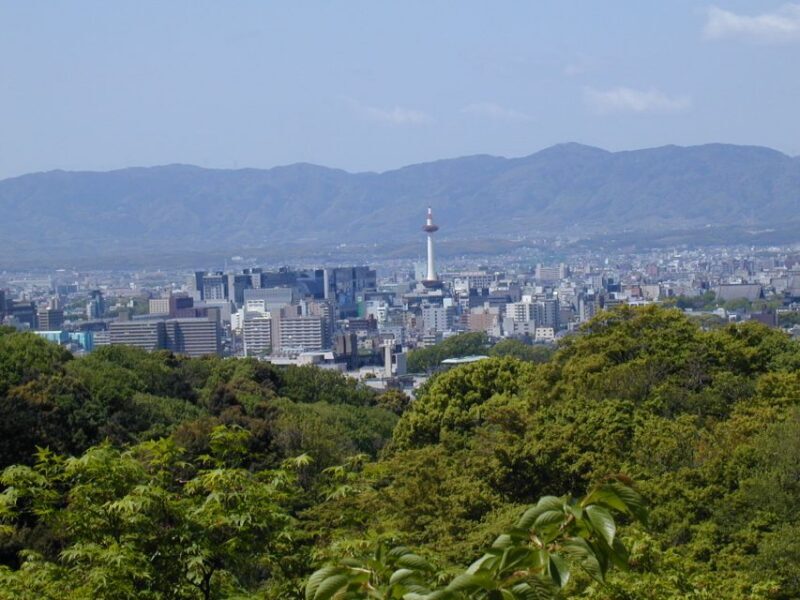
The tour runs for four, six or eight hours. The general planning guide is two or three places in four hours, three or four in six hours, and four to six in eight. Treat those numbers as a starting point, not a promise that every stop will receive equal time.
A four-hour tour suits a focused visit. You might pair Fushimi Inari with a nearby stop, or spend the time around Kiyomizu-dera, Higashiyama and Gion. Pick a small area and let the guide help you make the most of it. Trying to cross the city for a long list can turn a short tour into a transit tour.
Six hours offers a useful middle ground. It may allow several major sights, plus a meal or a slower walk through a district. Eight hours gives you the widest range, but it is still a full day on foot. Keep your priorities clear, and leave room for the guide to suggest a sensible sequence.
You can ask for an early start. That may help you reach a site before the day gets busier, though it cannot guarantee an empty temple or shrine. Fushimi Inari and Nishiki Market, for example, can be crowded even in the morning.
If you prefer having a local expert, these guided Kyoto experiences could work well
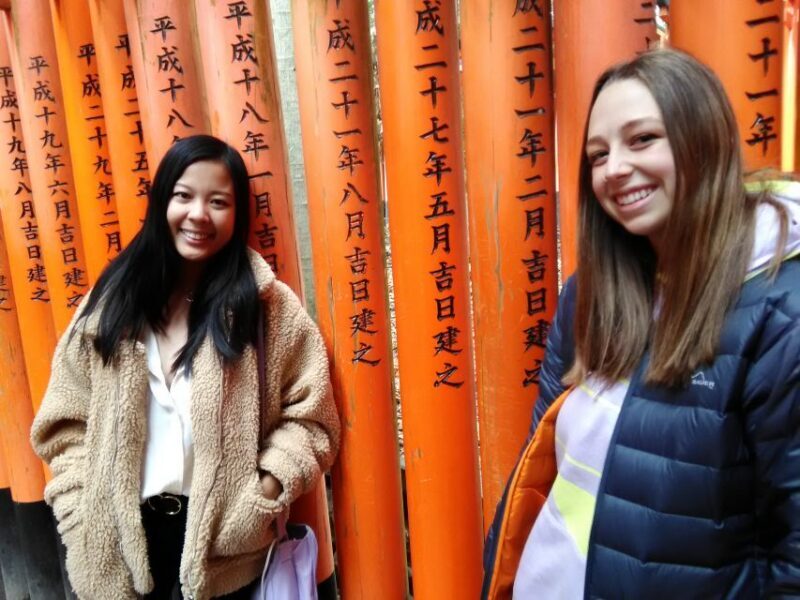
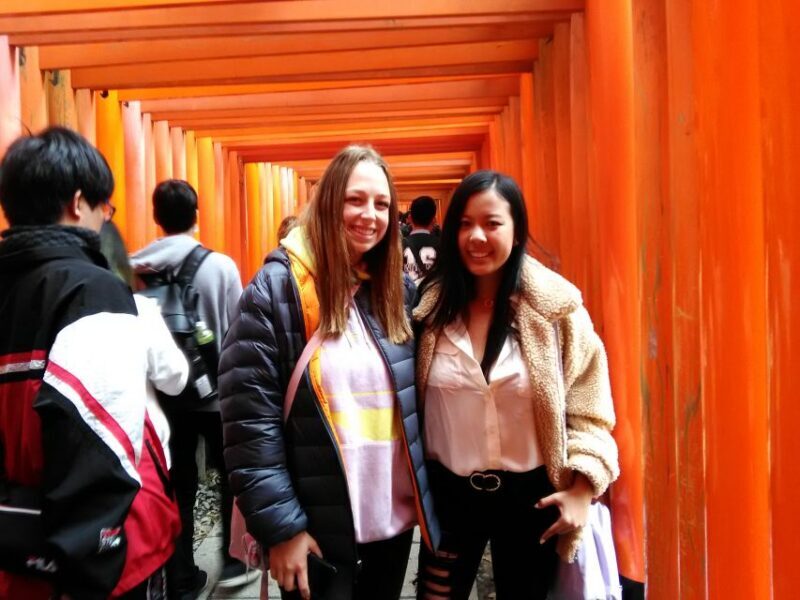
Fushimi Inari-taisha is famous for its long corridors of red torii gates. Walking through them is a memorable Kyoto experience, but a guide can add useful context to what might otherwise be a striking photo stop. The gates mark a symbolic passage between the human world and the sacred realm associated with the gods.
This is also the shrine identified as a filming location for Memoirs of a Geisha. Its red corridors have a cinematic look, but the place is first a working shrine with religious meaning. A guide can explain how to behave respectfully and what you are seeing, rather than leaving you to follow the crowd without context.
Plan for walking and photo stops. The tour description does not promise a particular length of route through the gates, so tell your guide how much time and exertion you want to spend here. If this is one of your top priorities, give it enough space in your schedule.
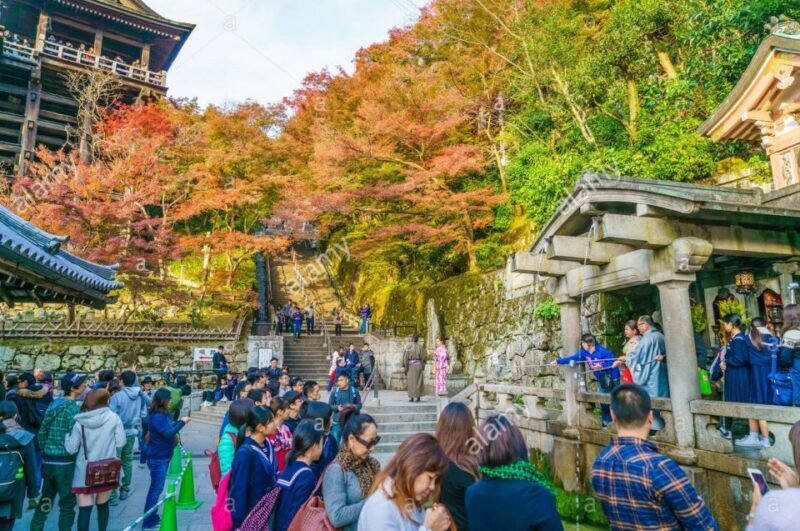
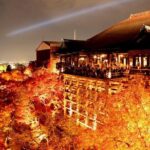
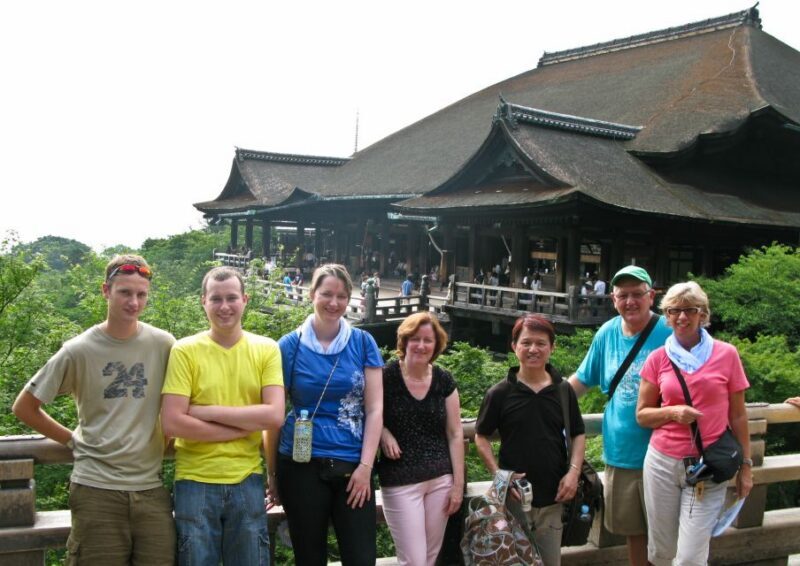
Kiyomizu-dera is known for its broad wooden veranda and sweeping views over Kyoto. The temple is a strong choice if you want a landmark with a clear sense of place, and the walk downhill toward Higashiyama and Gion gives the day a change of pace.
The streets around the temple are lined with Kyoto-style shops and places to stop for a snack. Souvenir shopping can be fun, but it can also take up more time than you expect. Decide in advance whether you want a quick look or a proper browse, especially on a shorter tour.
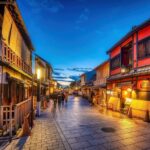
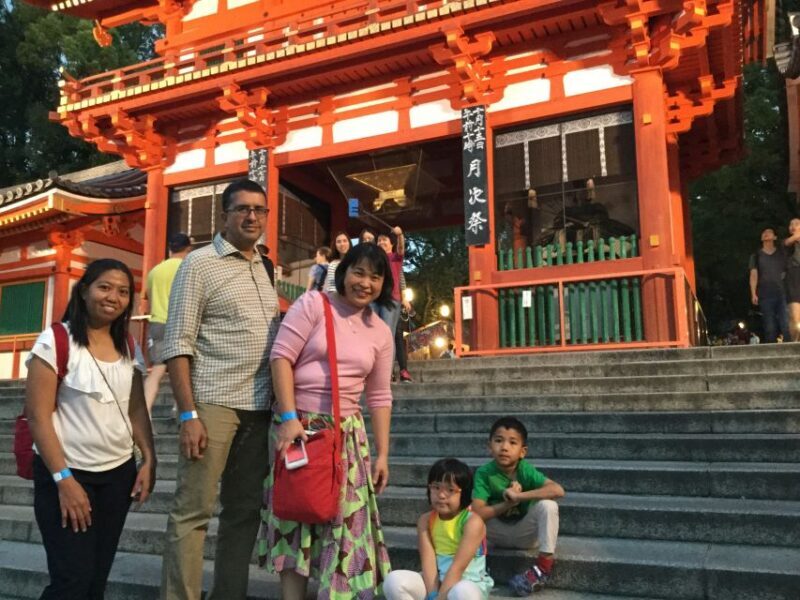
Gion offers traditional streets, restaurants and an appealing place to end the day. Your guide can point you toward dining options, but food and drinks are not included. Pontocho is another listed option for an evening atmosphere and restaurant recommendations. If a sit-down meal matters to you, say so early and adjust the number of sightseeing stops.
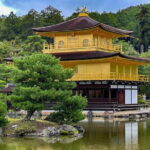
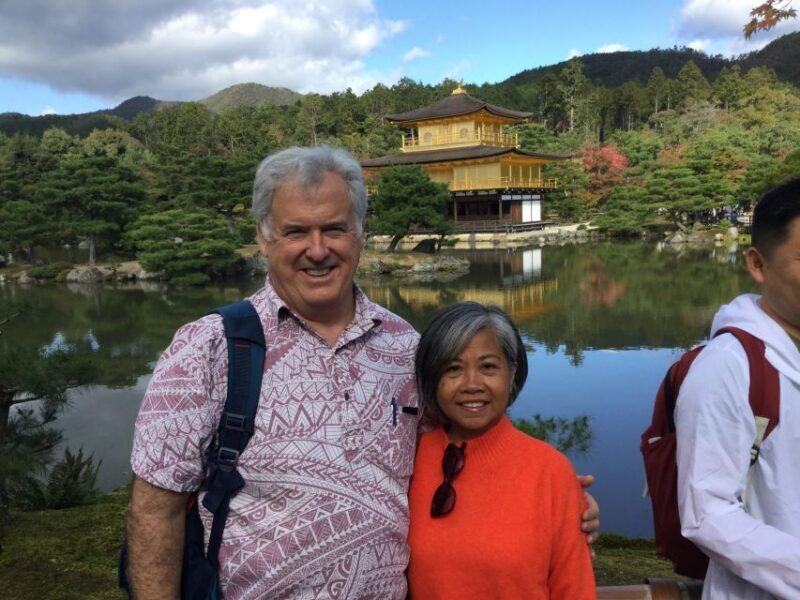
Kinkaku-ji, the Golden Pavilion, takes its name from the gold-colored reliquary hall. The temple’s bold form and mountain backdrop make it one of Kyoto’s best-known sights. It is a natural choice for a first visit, though its popularity means you should not expect a quiet, private encounter with the building.
If you prefer a different mood, the list includes Ginkaku-ji, Ryoan-ji, Nanzen-ji and Tofuku-ji. Ryoan-ji is associated with its rock garden; Nanzen-ji’s Suirokaku aqueduct gives the grounds a distinctive feature. The tour information does not specify how long you will spend at any one temple, so make your preference clear when discussing the route.
Kyoto Imperial Palace, Shugakuin Imperial Villa and Katsura Imperial Villa offer another direction for the day. Access and visit arrangements can differ by site, so confirm what is possible with your guide before building a schedule around one of them. Entrance fees are separate from the tour price.
More Great Tours Nearby
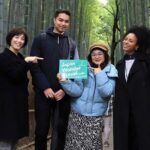
Arashiyama is a useful choice if you want scenery and several nearby stops in one part of the city. Options include Bamboo Forest Street, Togetsukyo Bridge, Tenryu-ji, Okochi Sanso Garden and smaller temples such as Gio-ji, Jojakko-ji and Otagi Nenbutsu-ji.
The advantage is variety: a walk through the bamboo, a bridge, gardens and temple grounds can give the day a different feel from a central Kyoto temple circuit. The drawback is distance from many eastern and northern sights. Pair Arashiyama with nearby sites rather than trying to tack it onto a far-flung list.
A guide can help you decide whether the western area deserves most of your day. If you have already seen Kyoto’s central temples, or want a route with more outdoor walking, Arashiyama may be a better fit than adding another famous landmark simply because it is famous.
For a more personal experience, these private Kyoto tours deliver individual attention
There is no private vehicle included. You may travel between stops by public transport or local taxi, as well as on foot. Transport fares are extra, and you should carry Japanese yen for those costs. If you want a private vehicle, it must be arranged directly at least five days ahead; the stated maximum is seven passengers.
This detail matters because Kyoto’s sights are spread out. A guide who knows which train or bus to take can save you the small stresses of route-finding, missed connections and figuring out where to get off. Past guides have also helped with train times and meeting points, and some visitors have valued having someone keep the day moving without rushing them through each stop.
Still, allow for travel time. Five or six attractions do not mean five or six long visits, especially when the route crosses the city. Ask your guide to map out what is realistic for your chosen duration, and be ready to drop a stop if you would rather enjoy a temple than hurry through it.
At $106 per person, the main value is not a bundle of admissions or transport. It is a private guide’s time, route planning and ability to tailor the day to your interests. For a solo visitor or a small group, that can be a meaningful expense; for a group sharing one guide, the cost may feel more reasonable per person.
The price does not include entrance fees, food, drinks or local transport. Add those costs when comparing this with a self-guided day. You are paying for explanation and coordination, not an all-inclusive package.
For a short stay in Kyoto, the time saved can be important. Guides such as Kazuo have planned complex days across several sites, while others have helped visitors change routes to avoid traffic or crowds. Their local advice can also carry beyond the tour, from restaurant suggestions to how to use trains and buses.
This tour is best for people who want to see several places but do not want to spend the day planning every connection. It is also a good fit if you care about the history and customs behind shrines and temples, or want a guide who can answer questions and adjust the pace.
Families may appreciate the private format. Guides have adapted days for children and older relatives, and the itinerary can include breaks. If mobility is a concern, note that the experience is described as wheelchair accessible, but it is still a walking tour. Confirm the precise route and site needs with the provider before booking.
Independent visitors who enjoy researching routes and prefer exploring alone may not need a private guide. You can visit the sights without one, but you will miss the tailored explanations and on-the-ground help with transit. If you want a guide, contact details and the itinerary should be discussed in advance. The tour is not confirmed until the guide contacts you, usually within seven days, and the provider will reach out before the date to confirm logistics.
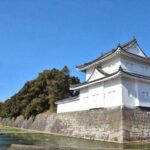
There are 32 listed places, from Nishiki Market and Nijo Castle to Byodoin Temple, Kibune River and Maruyama Park. That breadth is helpful, but it can make choosing harder. Pick three priorities, then name a few optional stops in case the timing or route allows.
Tell your guide what you want from the day: famous sights, quieter temples, shopping, gardens, history, food advice or a mix. If you have already seen one of the major temples, say so. Guides have successfully shifted plans toward less-visited places, added a favorite neighborhood or recommended an early start to get ahead of the crowds.
You can cancel up to 24 hours before the tour for a full refund, and the reserve-now, pay-later option keeps you from paying at the time of booking. The experience runs rain or shine, so bring clothing suited to the forecast and be prepared for a day outdoors.
Book this tour if you want a personal route through Kyoto and value the stories, cultural pointers and transit help as much as the sights. The strongest reason to choose it is the combination of customization and a licensed local guide, with past guide names such as Noriko, Yuka, Akira, Kazuo and Michi associated with warm, organized and adaptable days.
Skip it if you prefer to explore alone, need a vehicle included, or want entrance fees and transport wrapped into one price. If you do book, choose fewer stops than your first instinct suggests. A well-paced visit to three or four places, with time to ask questions and pause for a snack, is often a better Kyoto day than racing across town to check off six.
“Kazuo was the best tour guide I’ve had. Knowledgeable about the local culture, sites, and transit. He planned our entire day with complex logisti…”
You can choose a four, six or eight-hour tour. The suggested pace is two to three places in four hours, three to four in six hours, and four to six in eight hours.
Yes. It is a private walking tour with a local licensed guide.
The tour is offered in English and Japanese.
Yes. You can request places from the list of 32 sites, or let your guide plan a route around your interests. Share your preferred stops after booking.
No. The tour is on foot, and public transport or local taxis may be used between sites. Those fares are extra, so carry Japanese yen.
No. A private vehicle is not included in the walking tour. If you want one, contact the provider directly at least five days ahead. The stated maximum is seven passengers.
No. Entrance fees are separate, as are food and drinks.
Pickup on foot is included if your accommodation is within a reasonable distance. The guide can also meet you at a requested hotel lobby or train station.
Yes. The experience takes place rain or shine.
You can cancel up to 24 hours before the tour for a full refund.
You can check availability for your dates here: