Physical Address
304 North Cardinal St.
Dorchester Center, MA 02124
Physical Address
304 North Cardinal St.
Dorchester Center, MA 02124

Trek Mae Kampong’s forest trails, learn about local plants, visit a waterfall and look for wild gibbons on this Chiang Mai day trip.
Wild gibbons are the headline here, but the best part is that the day still has plenty to offer if they stay out of sight. You’ll walk forest trails with local guides, learn which plants are edible or used in local cooking and medicine, and see Mae Kampong beyond its village lanes.
I like the gibbon-care donation built into the tour price, and the mix of wildlife, village life and a forest walk makes this more than a single-animal outing. One caution: the route is steep and uneven in places, and the gibbons roam freely, so neither the walk nor the wildlife sighting is a sure thing.
The day begins with hotel pickup in Chiang Mai, usually between 8 and 8:30 in the morning. You travel east for about an hour in an air-conditioned van or SUV, climbing into the mountains toward Mae Kampong.
That drive is part of the appeal. You leave the city behind and reach cooler mountain air, forest and village scenery without having to organize your own transport. If you tend to feel carsick, take note: the final stretch is winding, and the tour recommends bringing motion-sickness tablets if you need them.
Solo participants may be asked to meet at Burger King Thapae at 8 a.m. instead of receiving hotel pickup. If that applies to you, confirm the meeting point before the day of the tour.
Outdoor enthusiasts can explore more Chiang Mai trails with these hiking options
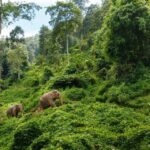
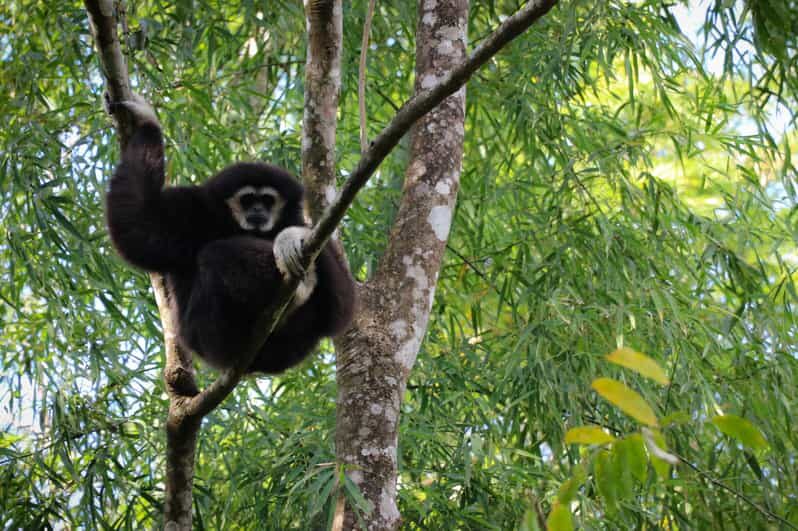
The gibbon search is the most memorable possibility, but it is important to understand what you are signing up for. These are wild animals, free to move through the forest. The caretaker knows the area and helps guide the search, but no one can promise the gibbons will appear on cue.
Some groups have seen them after a short wait. One guide described days when the search has taken close to two hours. The plan can also change if the caretaker hears or locates the gibbons, so you may visit them earlier or later than expected.
That uncertainty is part of the point. You are not visiting a zoo or a guaranteed feeding show. If the gibbons appear, you may see them moving among the trees, sometimes close enough for a clear view. If they do not, the forest walk and plant explanations still give the day substance.
Part of your $77 price is donated to the gibbon caretaker. That support helps with protection and food during periods when natural supplies are limited. It is a practical reason to choose this outing over an animal encounter that offers no clear link to local care.
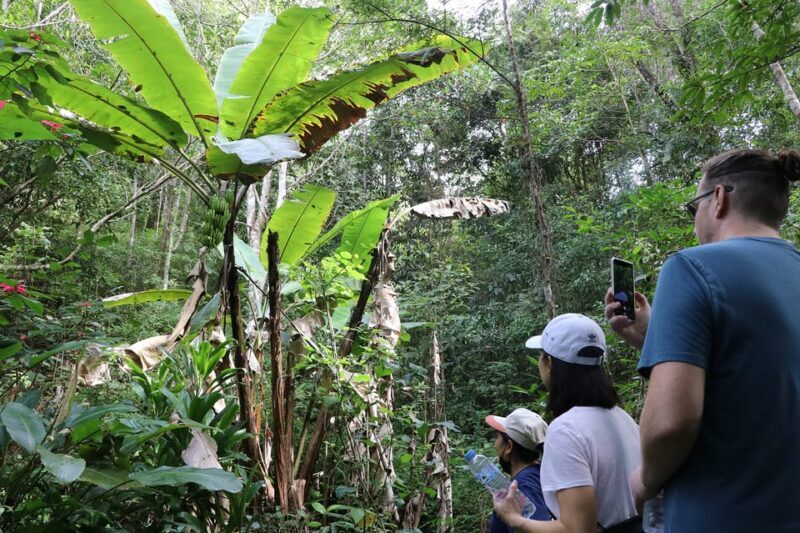
The forest walk is a major part of the experience, not simply a way to pass time between stops. The stated trail distance is about 3 to 5 km, and the ground is steep and uneven in places. Bring shoes with good grip and clothes you can move in comfortably.
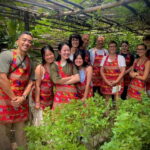
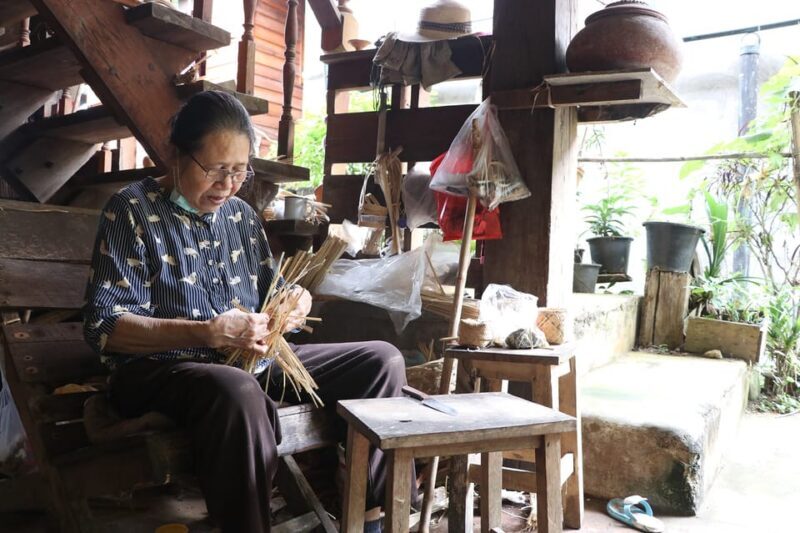
Your guide and local forest guide explain the plants along the route, including herbs, fruits and edible jungle plants. You may be invited to touch, smell or taste some of them. Guides have also shown how certain plants are used in local cooking and traditional remedies. This turns the walk into a practical introduction to the forest, rather than a hike focused only on scenery.
The pace can be adjusted, and guides have helped groups keep a steady rhythm. Still, do not mistake a moderate distance for an easy path. Heat, uphill climbs and uneven ground can make the walk more demanding than the number of kilometres suggests. The tour is not suitable for people with mobility impairments.
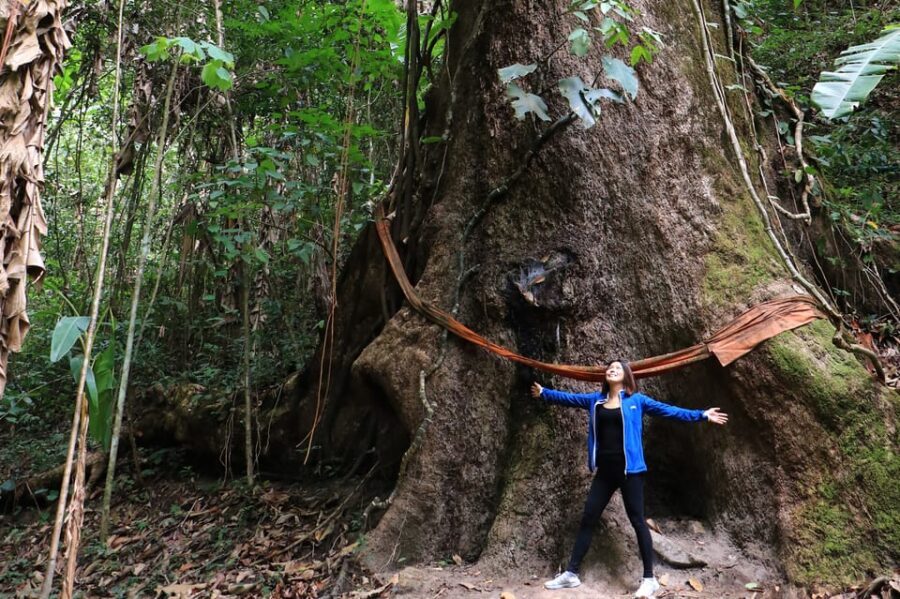
One especially notable stop is a very old tree said to be around 900 years old. It offers a memorable point of focus on the trail and a reminder that the forest is more than a backdrop for the gibbon search. Some local guides add hands-on touches, such as making small items from leaves or bamboo.
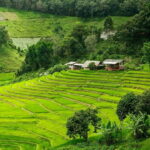
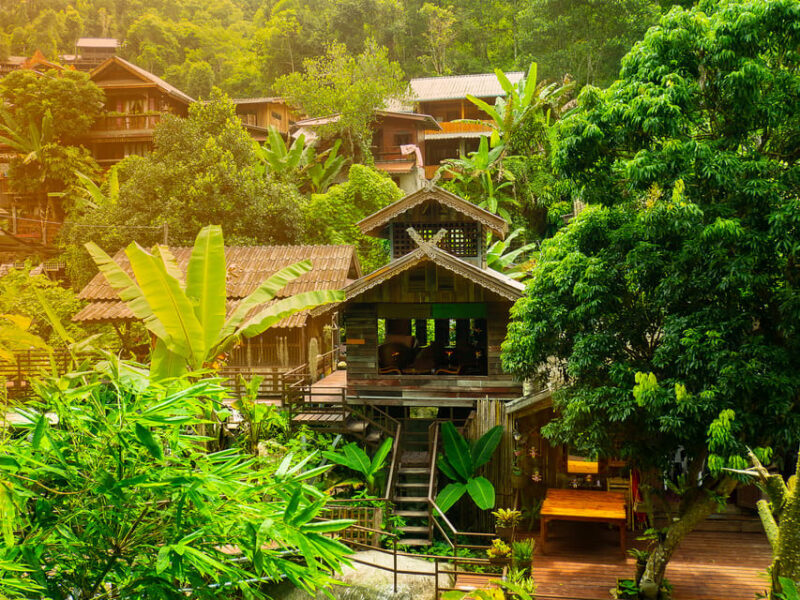
Mae Kampong brings a change of pace from the forest. You’ll wander through the village’s small lanes and get a feel for its setting among the mountains. The tour describes time in the village, though the day’s exact balance between village walking and forest walking can shift. If seeing more of the village is a priority for you, ask your guide how the route is shaping up.
The waterfall adds another outdoor stop. In the rainy season, the water flow can be stronger, and the forest tends to feel especially fresh. The tour runs in all weather, so carry a rain jacket if you are visiting during the wet months. Rain can make already uneven ground slippery, so take care on the trail.
A complimentary drink break gives your legs a rest. You can choose coffee, tea or a smoothie at a café with views over the village. The stop is a useful pause, not just a photo opportunity: it gives you time to take in the mountain setting before continuing the day.
More Great Tours Nearby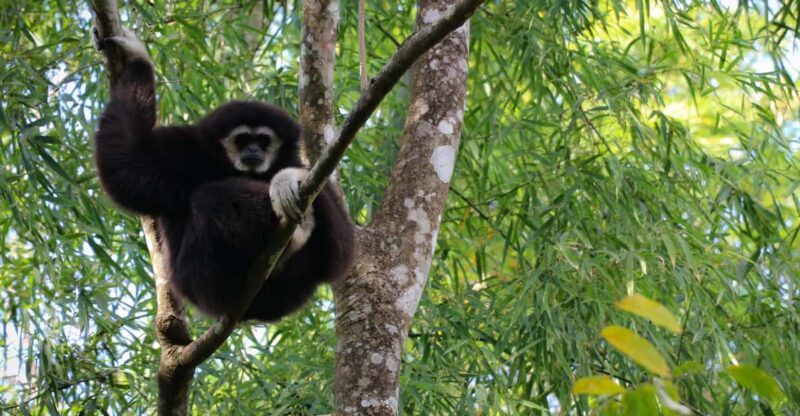
Lunch is served at a local restaurant, with a choice of Thai and more familiar dishes. Vegetarian and vegan options are available, and the meal is included in the tour price. Guides have recommended local dishes such as ginger and cinnamon pork, while the menu offers choices for different diets.
The meal adds value in a straightforward way: you do not need to find a restaurant or pay separately for lunch during the outing. Extra snacks are not included, so bring something small if you know you get hungry between meals.
The schedule places lunch around 1 to 2 p.m., with the gibbon visit sometimes planned for around 2:30. But the order can change to make the most of information from the caretaker. Expect a day that adapts to the animals rather than one that follows a minute-by-minute script.
At $77 per person, this is more than a ride to a village and a short hike. The price includes Chiang Mai pickup and drop-off, air-conditioned transport, an English-speaking guide, a local guide, lunch, refreshments, coffee, the waterfall visit and the gibbon-care donation.
The value comes from having several local contributors involved. Your main guide handles the day and explains the experience in English. A local guide shares knowledge of the plants and area, while the caretaker helps with the gibbon search and their protection. That arrangement gives the outing more local connection than a self-guided drive and walk would offer.
The tour is especially good value if you want a full day outdoors and are interested in more than one thing: wildlife, local food, plants and village life. If your only goal is to see gibbons, the price carries some risk because sightings are not guaranteed. You are paying for the guided day as a whole, not a promise of an animal encounter.
The team’s communication and hospitality are recurring strengths. Guides named TK and Nee have led days with strong English explanations and a personal touch; Smile and local guides have also helped share knowledge of plants and the area. The exact team may vary, but the format relies on both an English-speaking guide and local expertise.
I’d recommend this tour if you enjoy nature walks, are curious about local plants and food, and can accept that wildlife follows its own schedule. It also suits people who want a change from Chiang Mai’s city sights without arranging transport or meals themselves.
Families may find it workable if everyone can handle uneven ground. One family completed it with an eight-year-old, but that is not a guarantee that the trail will suit every child. The more important test is whether your group can manage uphill walking and a few hours outdoors.
Think twice if you have mobility limitations, strongly dislike steep trails, or need a guaranteed gibbon sighting. The path can be demanding, and the search may take longer than hoped. On the other hand, if you approach it as a forest and village day with a chance to see gibbons, the experience has much more to offer than a single wildlife viewing.
“If you like nature, this is the best trip you can take in Chiang Mai. The animals, the plants, and the whole jungle are astonishing! The guide, Nee…”
No. The gibbons are wild and free to roam, so sightings are not guaranteed. The caretaker helps the group look for them, and the schedule may change based on where they are.
The trail distance is between 3 and 5 km. It is steep and uneven in places, so the walk can feel more challenging than the distance alone suggests.
Yes. The tour operates in all weather, and the waterfall may have more water during the rainy season. Bring a rain jacket, as sudden rain is possible.
The price includes hotel pickup and drop-off, air-conditioned transport, guides, a local lunch, refreshments, coffee, the village and waterfall visits, the forest walk and a donation to the gibbon caretaker.
Yes. The included lunch offers vegetarian and vegan options.
Wear comfortable clothes and shoes with good grip. If you are prone to motion sickness, bring tablets for the winding road near Mae Kampong.
You can check availability for your dates here: