Physical Address
304 North Cardinal St.
Dorchester Center, MA 02124
Physical Address
304 North Cardinal St.
Dorchester Center, MA 02124

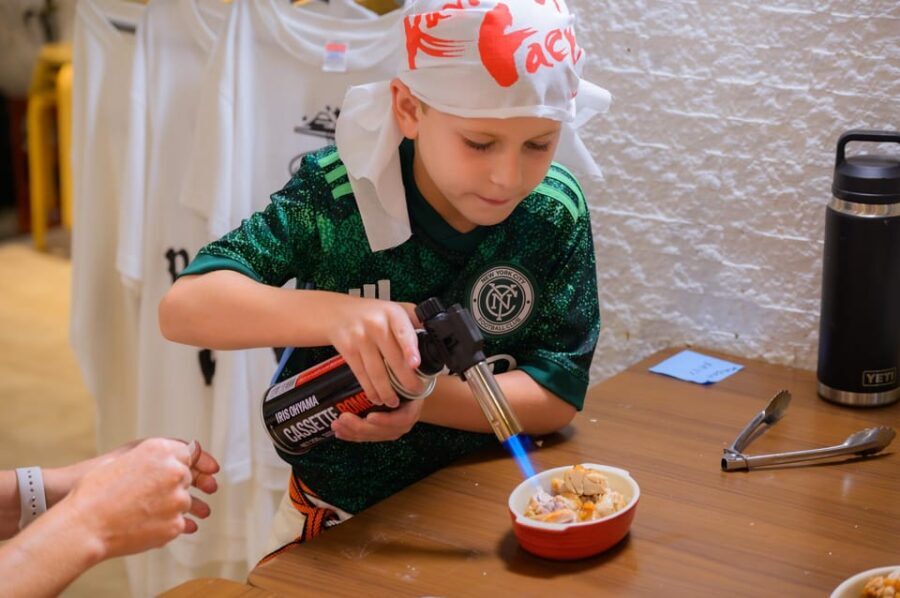
Make ramen from flour to finished bowl in a lively 90-minute Kyoto class, with flexible flavor choices, a take-home souvenir, and a recipe for home.
From flour to a steaming bowl, this 90-minute class gives you a hands-on look at ramen’s moving parts: dough folded more than 100 times, seasoned chicken, broth, sauces, oils, and toppings. You make the noodles yourself, then eat the result, which is a satisfying way to spend a Kyoto lunch break.
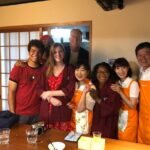
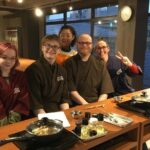
I like two things in particular: you can mix and match miso, salt, and soy flavors to suit your bowl, and the instructors make the process approachable, even if you have never cooked ramen. Staff members such as Sakura, Fuku, Moeka, and Akemi have led lively classes, and the team often helps take photos along the way.
The main consideration is the price: at $127 per person, this is a paid activity rather than a budget meal. The class includes instruction, your ramen, a selected souvenir, and a recipe to take home, so it offers more than lunch, but you should book it for the making as much as the eating.
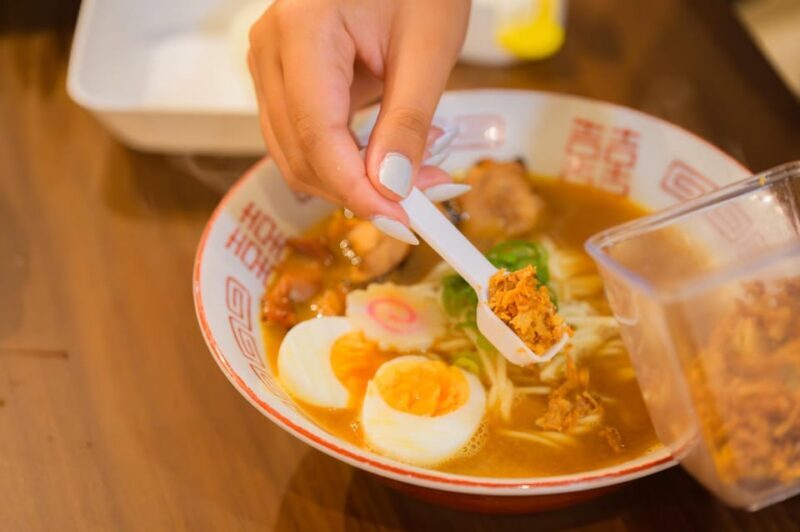
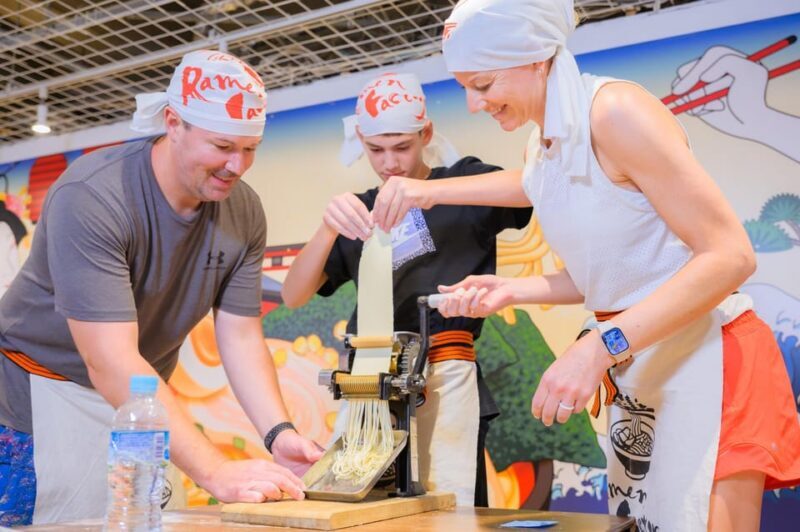
The class takes place at Ramen Factory, a ramen school established by Menbaka Fire Ramen, a well-known Kyoto ramen house. The school format matters: you are not simply watching a chef finish a bowl. You take part in the stages that can be done in a short class, with instructors guiding the work and preparing the activity so each step fits into the 90-minute visit.
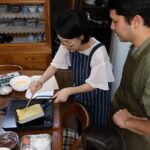
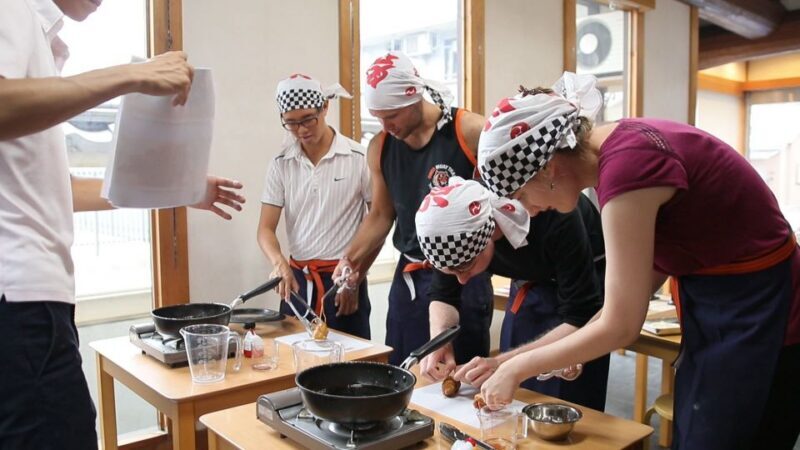
You start by putting on a ramen apron and headscarf, then watch a short overview video. It gives you a sense of the process before you get your hands into the ingredients. The instructors keep the pace lively and explain what you are doing as you go, with some also sharing information about ramen and Japanese food culture.
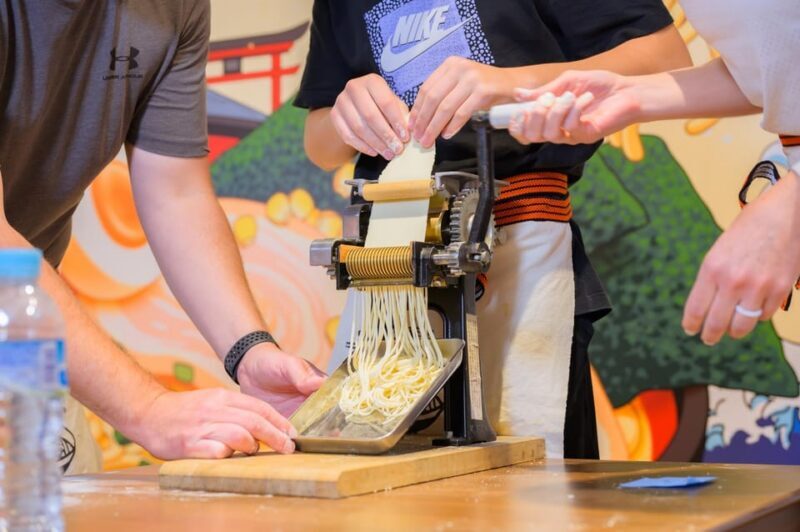
Then comes the part that makes the class feel like cooking rather than a demonstration: making noodles from flour. You mix, punch, and knead the dough, then drain and shake it into noodles. Folding the dough more than 100 times is a reminder that ramen texture takes work. It is also a good lesson in how much handling goes into a bowl that often arrives at the table looking simple.
Don’t expect to become a noodle-making expert in one session. The class is designed to get you through the process and help you understand its stages, not to turn a short visit into a professional course. But the hands-on work gives you a better sense of ramen than watching someone else cook it, and it is manageable for beginners with the instructors’ help.
Want to bring Kyoto flavors home? These cooking classes could be just right
You also season chicken as part of the cooking. Chicken chashu is used in place of the pork that many people associate with ramen, making it possible to prepare and eat the dish within the class time. It gives you another useful point of comparison when thinking about what can go into a ramen bowl.
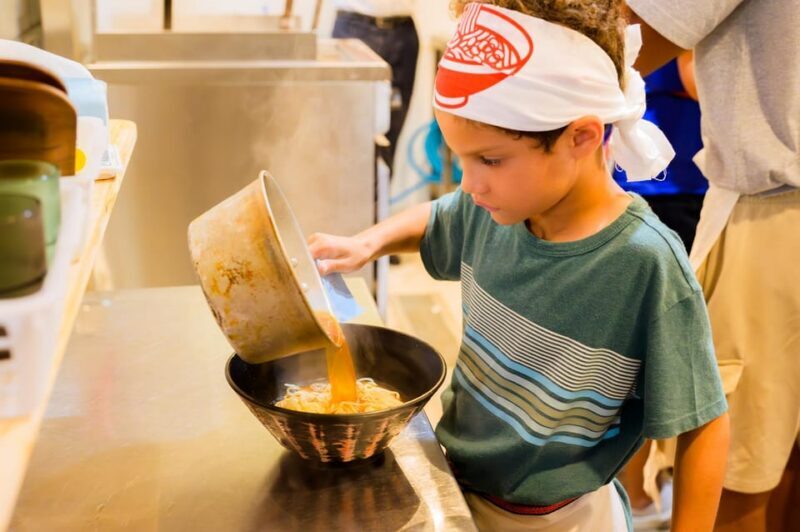
Next, you choose a soup and sauce combination. The featured sauces are miso, salt, and soy, and you can taste and mix them to find a balance you like. This is one of the class’s best features: instead of receiving a fixed bowl, you make decisions about its flavor.
You finish by displaying your ramen with toppings, egg, and condiments according to your taste. That final stage is part cooking and part presentation, and it gives you room to make the bowl feel like your own. You do not need a trained palate to take part. The choices are clear, and the instructors help you along if you are unsure.
The emphasis is on an enjoyable, practical introduction, not on explaining every regional style or the long preparation behind restaurant ramen. Some components are prepared ahead of time, as one class participant who had taken other cooking courses noted. That is a sensible tradeoff: many ramen broths take days to develop, while this class needs to deliver a complete meal in 90 minutes.
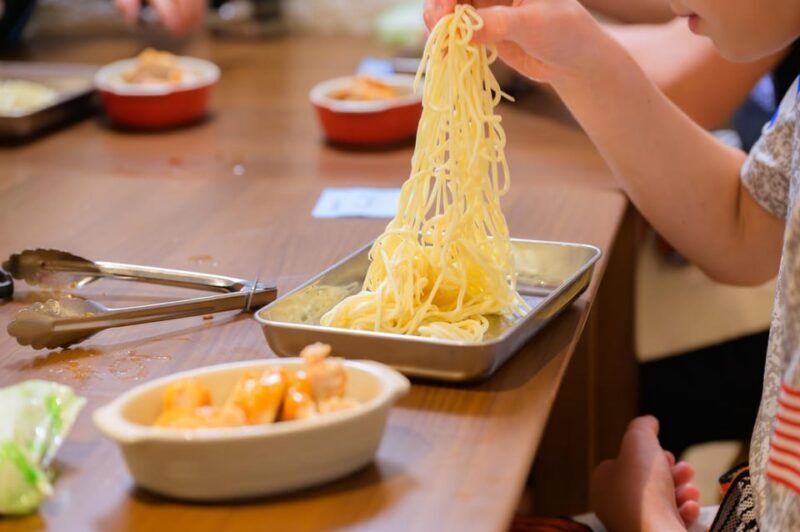
At the end, sit down with the bowl you have assembled and eat it while looking back on the process. The meal is not an extra stop after the activity; it is the payoff. You have handled the dough, made choices about sauce and broth, and helped prepare the chicken, so the finished bowl has a clear connection to the work.
The food is a major part of the appeal. People who arrive expecting the cooking to be the main attraction often find the ramen itself a pleasant surprise. The class aims to make a meal that tastes good, not merely a novelty dish made for a photo.
It is also a filling activity, which makes the timing useful if you want lunch and an experience in one booking. Drinks are not included, so plan to buy your own if you want one with the meal. The price is easier to justify if you value the instruction and activity as well as the bowl; if you mainly want a quick, inexpensive lunch, a ramen shop will cost less.
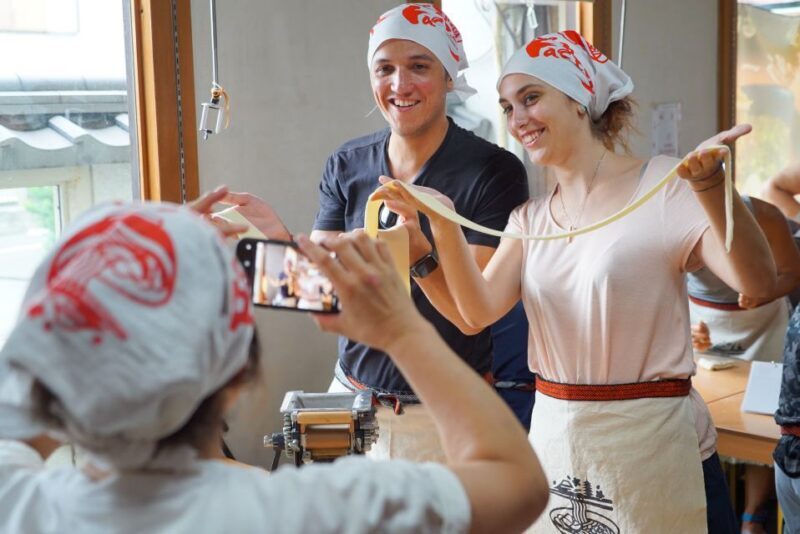
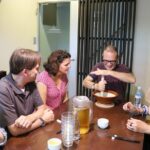
The instructors’ energy is central to how the class works. Instructors named in class accounts include Sakura, Fuku, Moeka, Akemi, Haruka, and Kazuma, among others. The teaching style is often described as upbeat and clear, with humor and personal attention helping the room feel relaxed rather than formal.
The team also helps with photos and videos, which is useful when your hands are busy with dough. Some participants have left with a printed photo or certificate as well as a souvenir, though the included item is described as a choice from four souvenir types. Check what is available when you book rather than assuming every keepsake is included.
The format can work well for families, couples, solo visitors, and groups. Instructions are broken into steps, and the class is presented as suitable for beginners and different ages. If you are traveling alone, you can still take part; staff have made solo participants feel welcome and helped document the process.
It is not a quiet, private lesson by default. Expect a social, energetic atmosphere, particularly when several people are cooking at once. If you want a deep technical course or a hushed setting, this may not be your match. If you like learning by doing, with a guide keeping things moving, the format makes good sense.
More Great Tours Nearby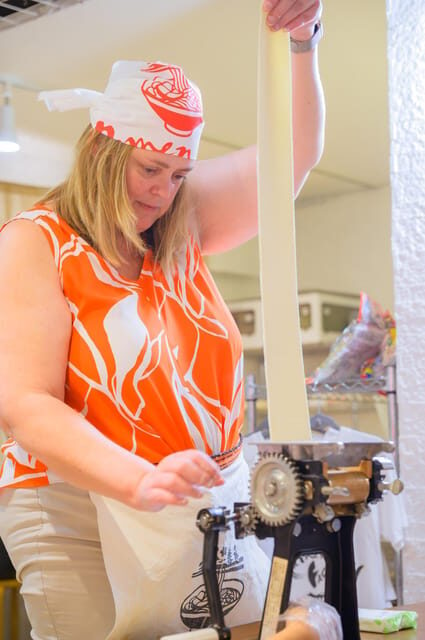
If you have a dietary requirement, contact the local supplier after booking. The class has accommodated different needs, including a pescatarian option with tofu and fish broth and adjustments for allergies, but you should confirm your own requirements in advance rather than relying on an on-the-day change.
The activity is in a basement, roughly a five-minute walk from Demachiyanagi Keihan-line station. The stated directions say to take the staircase to the right of the supermarket and go down. The entrance can be easy to miss on a map, so follow the supplier’s directions carefully; a street-side staircase near a bus stop has also been described as a useful landmark.
English and Japanese instruction is available. Starting times depend on availability, so check the time that fits your Kyoto plans. Transportation and drinks are not included. There is free cancellation up to 24 hours ahead, and you can reserve without paying immediately if you want to keep your plans flexible.
One more practical note: professional filming or photography may take place during your visit, including 360-degree camera recording. Images or video may be used for media coverage, the school’s website, or promotional and advertising purposes worldwide. If you are uncomfortable being filmed, contact the supplier before booking to ask what options are available.
You might also be interested in these Kyoto experiences
At $127 per person, this is not the way to find the cheapest bowl of ramen in Kyoto. It is better understood as a cooking class with lunch included. The cost covers a 90-minute guided session, ingredients and equipment for the cooking, the ramen you make, a selected souvenir, and a recipe sent by email.
That combination gives you a practical keepsake: the recipe may help you try the dish again at home, while the class shows you the steps and the choices that shape a bowl. Still, ramen made from scratch at home can require ingredients and preparation that are not all replicated in a short lesson. Treat the recipe as a starting point, not a promise that recreating the exact class meal will be effortless.
I’d consider the price worthwhile if you want a hands-on food activity, need a short break from sightseeing, or are traveling with someone who likes cooking. It is less compelling if your priority is an inexpensive meal, a quiet cultural visit, or a long technical course.
Book it if you want to make noodles, customize a bowl, and sit down to eat what you have cooked, all within an hour and a half. The clear instruction, lively teaching, recipe, and souvenir make it a well-rounded activity, especially for families and first-time cooks.
Skip it if you only want to eat ramen or need a class that can guarantee a specific dietary arrangement without advance contact. For most curious food lovers, though, this is a practical Kyoto side trip: short enough to fit into a sightseeing day, hands-on enough to feel different from another restaurant meal, and filling enough to count as lunch.
“It was great to learn how to make Ramen. Moeka was very engaging and made the class entertaining. Ramen was very tasty. I would recommend”
The class lasts 90 minutes.
It is on the basement floor, about a five-minute walk from Demachiyanagi Keihan-line station. The directions say to use the staircase to the right of the supermarket.
Instruction is available in English and Japanese.
The featured sauces are miso, salt, and soy. You can taste and mix them, then choose a soup and sauce combination for your bowl.
Yes. A selected souvenir is included, with a choice from four types. The available choices may vary, so check with the supplier if you have a particular item in mind.
You should contact the local supplier after booking to request a dietary option. Tofu and fish broth have been offered for a pescatarian participant, but you should confirm what is possible for your needs.
You can check availability for your dates here: