Physical Address
304 North Cardinal St.
Dorchester Center, MA 02124
Physical Address
304 North Cardinal St.
Dorchester Center, MA 02124

Walk Gion’s quiet lanes, visit historic shrines and learn about geisha culture on a small-group Kyoto tour from $12.65.
Gion is more than a pretty street and a chance to spot a geisha. This walking tour leads you from riverside lanes and old wooden houses to shrines and the heart of the geisha district, with a guide to explain what you’re seeing along the way.
I like two things in particular: the route takes you onto quiet backstreets that can be easy to miss on your own, and it puts geisha culture in context rather than treating it as a photo opportunity. Guides such as Akemi, Sarah, Dan and Edo are praised for clear explanations, patience and a good sense of humor.
The main caveat: a geisha sighting is possible, not promised. You’ll also cover a fair amount of ground, with stairs, so this is best for people comfortable with a long walk and able to keep a steady pace.
The tour’s strongest idea is simple: a geisha sighting should be a lucky extra, not the whole point. You walk through neighborhoods where traditional houses, shrines and narrow lanes help explain why Gion has kept its particular character.
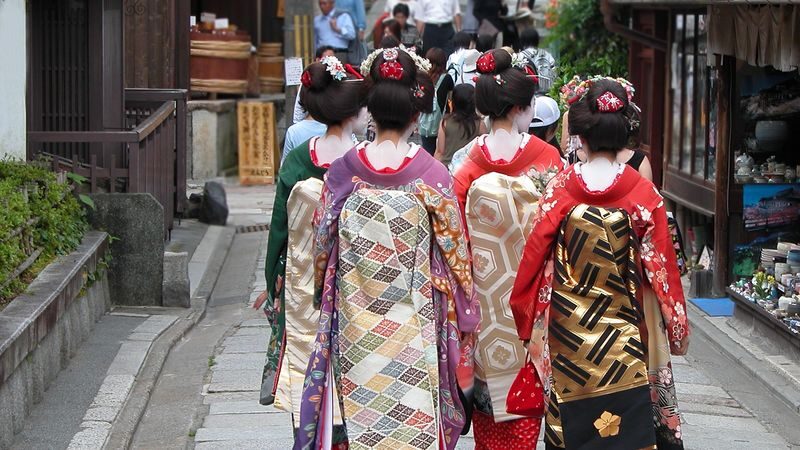
Your guide fills in details that are hard to pick up from a quick stroll. You’ll hear about geisha training, their dances and the work behind their kimonos and hairstyles. That context makes the district feel less like a picture backdrop and more like a living part of Kyoto.
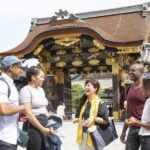
The group is limited to 15 people, which is a useful middle ground. It is small enough for questions and easier conversation, but you don’t need to arrange a private outing to get personal attention. A private guided option is also available if you want a more tailored experience.
The guides named in the tour’s feedback include Akemi, Sarah, Dan, Edo, Mayo, Jesse and others. Their most praised qualities are patience, engaging storytelling and the ability to answer questions without hurrying the group. That matters on a walking tour: a good guide can connect one shrine or side street to the next, rather than simply leading you from stop to stop.
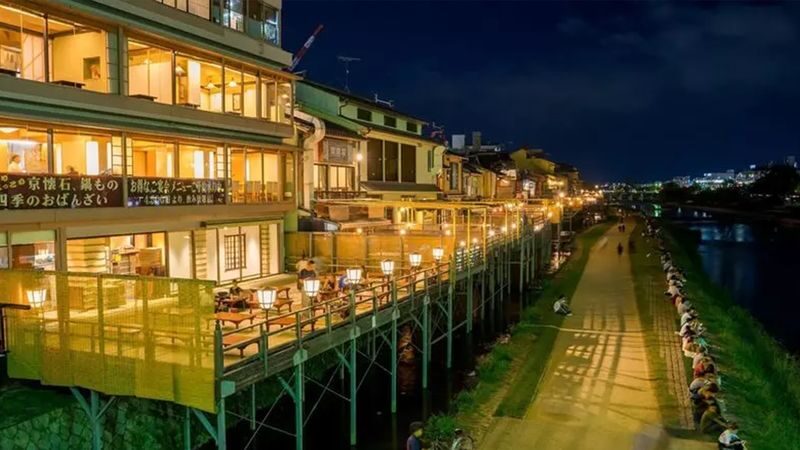
The walk includes Pontocho, a narrow Kyoto alley known for traditional tea houses, riverside dining and links to geisha culture. It gives you an early look at the blend of old architecture and active city life that runs through this part of Kyoto.
Nearby, the Kamo River offers a change of pace. The riverside is a scenic place for a stroll, with seasonal views and a broad contrast to the compact lanes nearby. It is a useful opening stretch, giving the group room to walk while the guide begins setting the scene.
These early stops are not just warm-up scenery. They help you understand that Gion sits within a larger network of riverside streets and dining areas, not on an isolated cultural stage. If you have limited time in Kyoto, this combination offers a quick sense of the district’s variety before the route turns toward its more historic lanes.
Looking for more options in Kyoto? Here are some other experiences worth considering.
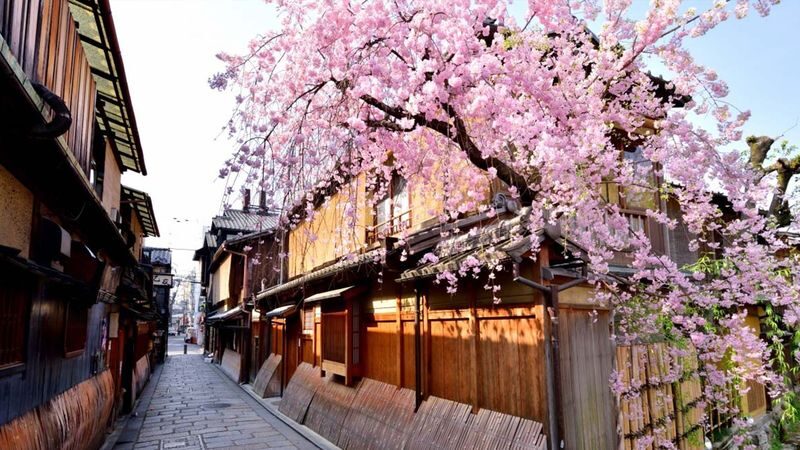
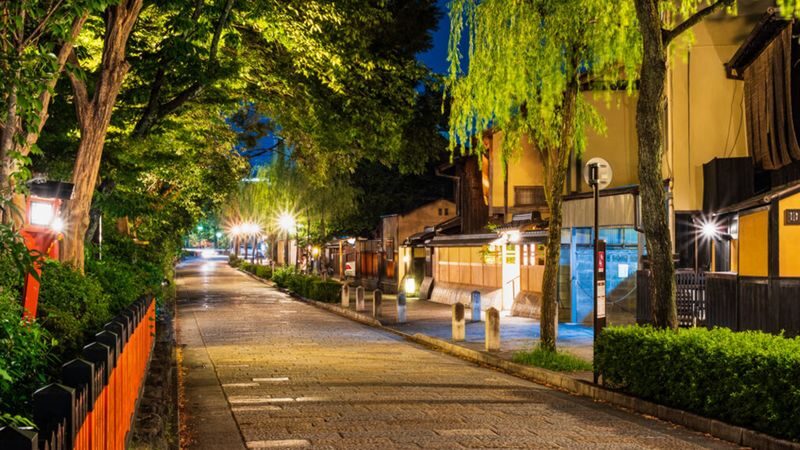
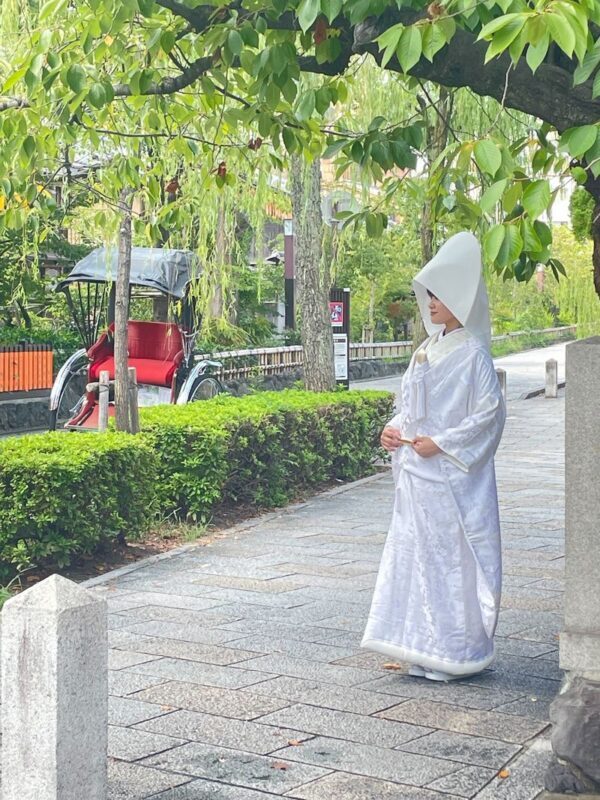
Gion Shirakawa is one of the most picturesque parts of the walk. Willow trees line the canal, and traditional tea houses and stone-paved paths give the area a quieter, more intimate feel than the main streets.
This is also where the tour’s emphasis on lesser-used lanes pays off. You get time to notice the wooden townhouses and the way the narrow streets preserve an older look. Guides lead the group through spots you might not think to explore on your own, while explaining how the area connects to the lives and training of geisha and maiko.
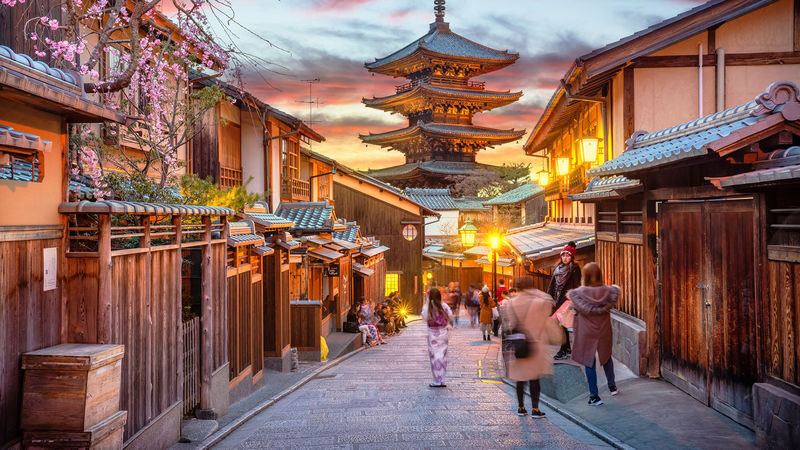
The setting changes with the hour. Morning and daytime departures can show the details of the buildings and canal in natural light, while evening walks bring a different mood. Several people who chose later starts especially liked the calm streets and the lantern-lit atmosphere. If you want both daylight and evening views, a late-afternoon start may suit you, but check the available departure and return times when booking.
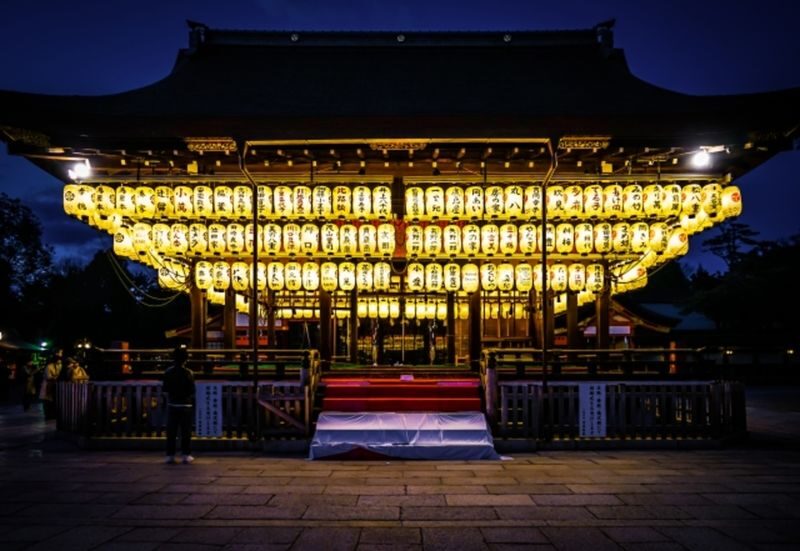
Yasaka Shrine is a major stop and is described as a 1,000-year-old landmark. Its lanterns and seasonal festivals connect the tour’s quieter residential lanes to the wider religious and cultural life of Kyoto.
A guide can make this visit more meaningful than a quick look around. You’ll learn about the shrine’s place in the area and have the chance to observe Shinto worship. The stop also breaks up the walk with a landmark that is easy to recognize and remember.
The trade-off is that a shrine visit can feel brief if you want time to explore every corner at your own pace. This is a guided walk with several stops, not an extended visit at one site. If Yasaka Shrine is a priority for you, consider returning on your own after the tour.
Nene no Michi is a cobbled path lined with temples, gardens and traditional tea houses. Its old-fashioned feel makes it one of the best stretches for slowing down and taking in the architecture rather than simply checking off another stop.
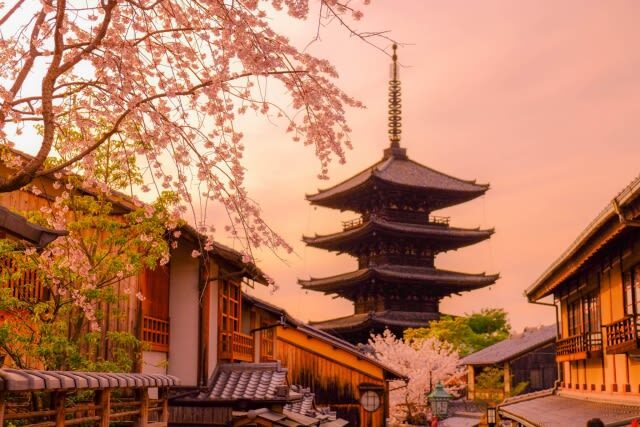
The route continues to Hokan-ji Temple, better known here as the Yasaka Pagoda. It is described as one of Kyoto’s most photogenic spots, and the pagoda gives the walk a striking visual landmark. You’ll have a chance to enjoy the surrounding streets and take photos, though the exact pace depends on the group and the day’s conditions.
The area’s beauty is also a reason to be considerate. This is a lived-in district as well as a sightseeing area, so keep your voice low and follow your guide’s direction in narrow lanes. The tour’s value is not only in showing you a good photo angle. It is in helping you understand how the temples, streets and traditional buildings fit together.
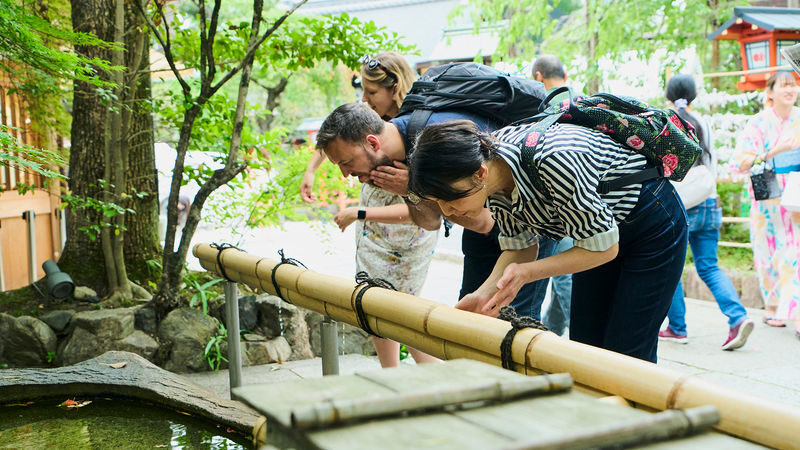
Yasui Konpiragu adds a quieter stop focused on Shinto worship. It broadens the tour beyond Gion’s architecture and geisha associations, giving you another way to see how religious traditions remain part of the neighborhood.
The visit is likely to be most rewarding if you are curious about local customs and willing to listen to your guide’s explanation. You do not need prior knowledge of Shinto to take part, but this is a short walking tour, not a detailed religious lecture. Think of the stop as a useful introduction, with the option to explore more later if it catches your interest.
The route ends on Hanamikoji Street, the heart of Gion’s geisha district. Here, your guide explains the training involved in the profession, the dances and the craft behind the distinctive kimono and hairstyles.
This is also the place where you might see a geisha or maiko heading to an evening engagement. Sightings do happen, but they depend on timing and chance. Some groups see one or more; others do not. Treat a sighting as a bonus, and don’t follow or photograph anyone in a way that intrudes on their work.
An evening departure makes sense if seeing Gion after dark appeals to you. The streets can look especially atmospheric under lantern light, and the quieter feel may make it easier to focus on the guide’s stories. Morning and earlier departures, on the other hand, can be more comfortable in hot weather. One person who took an early tour specifically appreciated getting started before the sun became intense.
Prices start at $12.65, making this an accessible way to add a guided cultural walk to a Kyoto visit. The price includes an English-speaking guide and insurance provided by the operator. Spanish-guided and private guided packages are also offered, though the starting price may not apply to every option or date.
The value comes from having someone explain what you’re passing, especially in the backstreets and around geisha culture. You can walk through the district independently, but it is easy to miss the meaning of the architecture and traditions if you don’t know what to look for. A guide also helps keep the route moving while leaving room for questions.
The tour is not a good fit if you want a slow, unstructured wander or a guaranteed geisha encounter. It involves considerable walking and stairs, and luggage storage is not provided. Wear walking shoes and leave large bags elsewhere.
The meeting point is on the side road by the McDonald’s at Shijo Ohashi, at 105-1 Hashimotocho, Shimogyo Ward. The guide waits away from the busy front of the restaurant, so look for them on the side road and arrive 15 minutes before your selected departure.
Start times are offered at 8:00, 9:00 and 10:00 in the morning, then 13:00, 16:00, 17:00, 18:00, 19:00, 20:00 and 21:00. Available return times at Hanamikoji Street vary with the departure time and itinerary length, so confirm the pair that suits your plans rather than assuming every start time has the same duration.
The return point is at 89 Shincho, Shimogyo Ward, on Hanamikoji Street. The route or schedule can change with weather and traffic conditions. Children aged seven and older pay the adult rate, and the tour accepts groups of one to 15 participants.
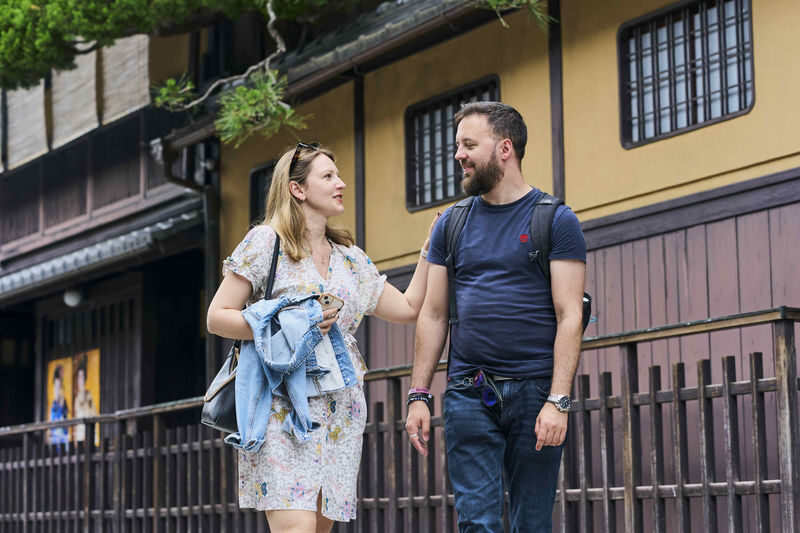
This tour suits first-time visitors who want an easy-to-follow introduction to Gion, especially if you like cultural history but don’t want a lecture-heavy outing. It is also a good choice for families with school-age children: guides have been praised for involving younger participants and answering questions patiently.
You’ll get the most from it if you enjoy walking, photography and small details about local life. It may be less suitable if you have limited mobility, dislike stairs or need to carry luggage with you. For a more personal pace, consider the private option.
Book this tour if you want to understand Gion as well as see it. Its strongest points are the mix of famous landmarks and quiet lanes, the approachable guides, and the explanations of geisha culture that give the district more meaning. The low starting price makes it a sensible introduction, provided the walking suits you.
Skip it if your main goal is a guaranteed geisha sighting or a long, independent visit at each shrine. No guide can promise who will be on the street, and this route keeps moving. Go for the stories, the old lanes and the chance of an encounter, in that order.
“Taylor was amazing. The tour was very detailed and with a great vibe. I was so impressed by her and by the tour!!”
Prices start at $12.65. The final price can vary depending on the package and date.
The tour includes an English-speaking guide and insurance provided by the operator. English-guided, Spanish-guided and private guided options are available.
The guide meets you on the side road beside the McDonald’s at Shijo Ohashi, at 105-1 Hashimotocho, Shimogyo Ward, Kyoto. Arrive 15 minutes before your selected start time.
The tour ends on Hanamikoji Street at 89 Shincho, Shimogyo Ward, Kyoto. The available return time depends on your departure choice and the itinerary length.
You might, particularly near Hanamikoji Street, but a sighting is not guaranteed.
The tour involves a considerable amount of walking and stairs. Wear walking shoes and make sure you are fit enough to take part.
Luggage storage is not provided. You can receive a full refund if you cancel at least 24 hours before the activity date, using destination local time.