Physical Address
304 North Cardinal St.
Dorchester Center, MA 02124
Physical Address
304 North Cardinal St.
Dorchester Center, MA 02124


Explore Kyoto’s Fushimi sake district, tour the Gekkeikan museum, and compare 10+ sake styles with expert food-pairing tips.
In Kyoto’s Fushimi district, sake is more than a drink on a menu: it is a craft you can learn to recognize. This three-hour tour pairs a museum visit with a guided tasting of 10 or more sake styles, then shows you how food can change what you notice in the glass.
I like two things especially: the expert helps you connect brewing choices to flavor, and the practical bottle-reading tips can make your next restaurant order feel less like guesswork. The food pairings also turn tasting into a useful lesson, not just a string of samples.
One point to weigh: the first half involves about 1.5 hours of walking and standing, and the tasting is not available if you arrive by car or bicycle. This is a poor fit if you need a seated activity or cannot drink alcohol.
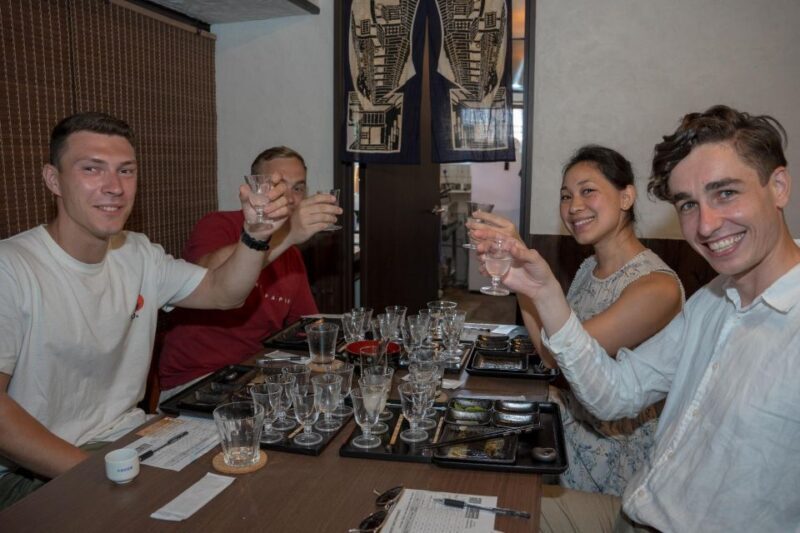
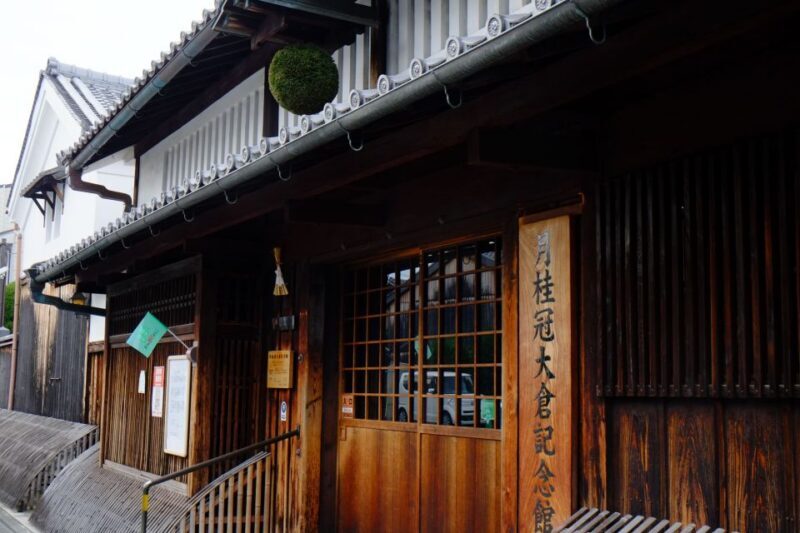
Fushimi is one of Japan’s best-known sake-producing districts, so this tour gives you a setting with a direct connection to the subject. Rather than tasting in an anonymous bar, you begin at the Gekkeikan Okura Sake Museum, where the brewing process and the area’s sake tradition provide context for what comes later.
That context matters. Sake labels can look like a wall of unfamiliar terms, and tasting a few styles without guidance may leave you with little more than a vague sense of which one was smooth. Here, you learn some of the choices behind the drink, then taste examples side by side and consider which qualities appeal to you.
The museum visit may be replaced with a visit to another historic brewery in Fushimi if the Gekkeikan museum is unexpectedly closed. The exact alternative is not specified, so treat the named museum as the planned stop, with a local brewery visit as the stated backup.
You can check availability for your dates here:
Meet your guide inside the museum entrance at 697 Motozaimokuchō, Fushimi Ward, Kyoto, 612-8043. The tour includes admission and a guided visit, so you do not need to arrange a separate museum ticket. It also skips the ticket line, though that does not change the need to arrive on time.
The museum portion is a hands-on introduction to how sake is made and what affects its style. The guide explains the essentials, including how rice polishing relates to taste. That is useful groundwork for the tasting: instead of memorizing terms in isolation, you can connect brewing decisions with what you later smell and taste.
Several guides named in tour accounts include Kyoko, Miyuki, Momo, and Chika. The assigned guide can vary, but the format is built around a certified sake expert who can answer questions and explain the subject in English. The strongest version of this experience is interactive: ask what a term on a bottle means, or how a production choice might show up in the glass.
Allow for a walking and standing start of roughly 1.5 hours. The museum is not simply a quick prelude before the drinks; it takes up a meaningful part of the tour. If standing for that long is uncomfortable, the experience may be a frustrating choice. A separate Kyoto sake experience with seven tastings and snacks is suggested for people who prefer a seated activity.
For more Kyoto culinary adventures, you might enjoy these food and drink experiences
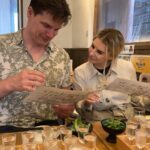
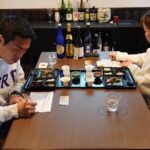
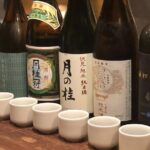
After the museum, you move to a dedicated tasting room for the guided session. The tasting includes at least 10 sake types selected by a certified sake sommelier. You compare styles rather than sampling one glass at random, with examples ranging from dry and crisp to fruity and rich.
This side-by-side approach is the heart of the tour. A description such as dry or fruity becomes more useful when you can test it against another glass and notice what you actually prefer. The aim is not to turn you into a sake specialist in three hours. It is to give you a vocabulary and a few reliable clues for choosing a bottle or ordering a glass later.
The guide also helps you read sake labels and menus. That skill is practical in Japan, where unfamiliar writing and specialist terms can make ordering feel like a gamble. You leave with a sake cheat sheet and tasting note, which give you a simple record of what you liked and a reference for future choices.
The session is designed for beginners, but it can also suit someone who already enjoys sake and wants to sort out the differences between styles. You do not need prior knowledge. If you have tried sake before, bring your questions about flavor, brewing, or how to choose among bottles.
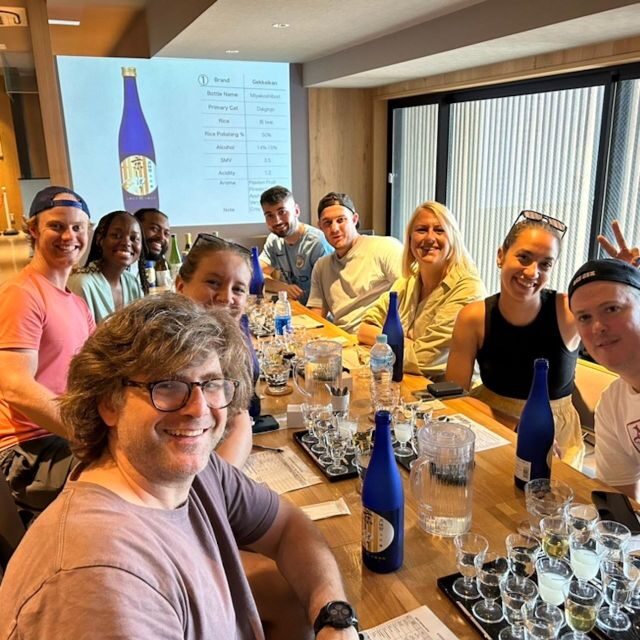
Traditional Japanese otsumami accompany the tasting. These small appetizers are there to show how food affects the sake, not to serve as a full meal. You taste sake on its own and then with food, which helps make the pairing lesson concrete: a sip can seem different once a bite changes what you notice.
This is one of the tour’s most useful parts for anyone who plans to eat and drink in Japan. You learn to think beyond a simple rule such as sake goes with sushi. The guide explains pairing choices and helps you notice which kinds of sake work well with particular foods. You also get practical advice on when to serve sake hot or cold.
Vegetarian and vegan options are available. Tell the guide about food preferences or allergies at the site. Since the included otsumami are appetizers rather than a stated meal, I would not rely on them as lunch or dinner. Have something beforehand if you know that alcohol on an empty stomach does not suit you.
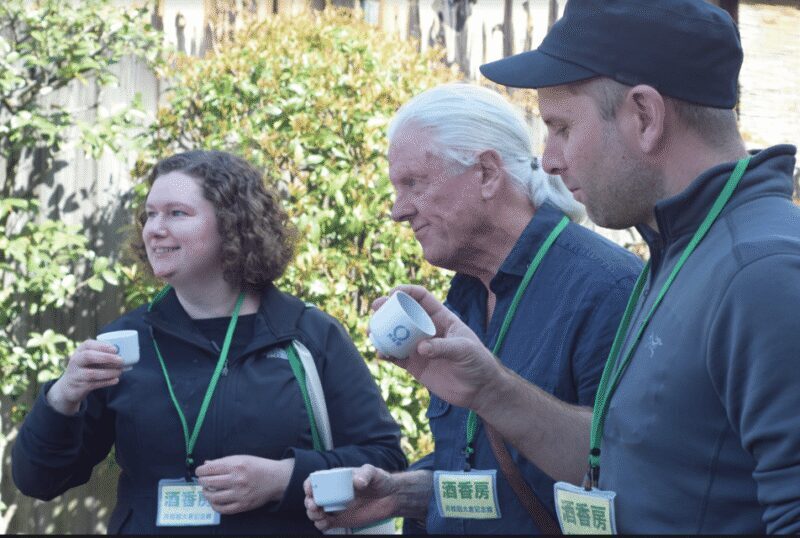
At $87 per person for three hours, this is not the cheapest way to taste sake. Its value depends on whether you want the explanation as much as the samples. The fee includes a certified expert, museum entry and guided visit, at least 10 sake styles, otsumami, a tasting in a dedicated room, and a takeaway cheat sheet and tasting note.
That package can be worthwhile if sake is part of the reason you are visiting Japan, or if you want to feel more at ease ordering it during the rest of your trip. The most valuable takeaway may be the ability to recognize what you like and explain it, rather than the number of pours alone. The guide’s teaching is central: the tasting makes more sense when someone connects the differences to brewing and food.
It is less compelling if you only want a quick drink, expect a full meal, or are mainly looking for a brewery tour with extensive access to active production areas. The described visit is a museum or historic brewery stop followed by a structured tasting. No hands-on brewing session or meal is included.
More Great Tours Nearby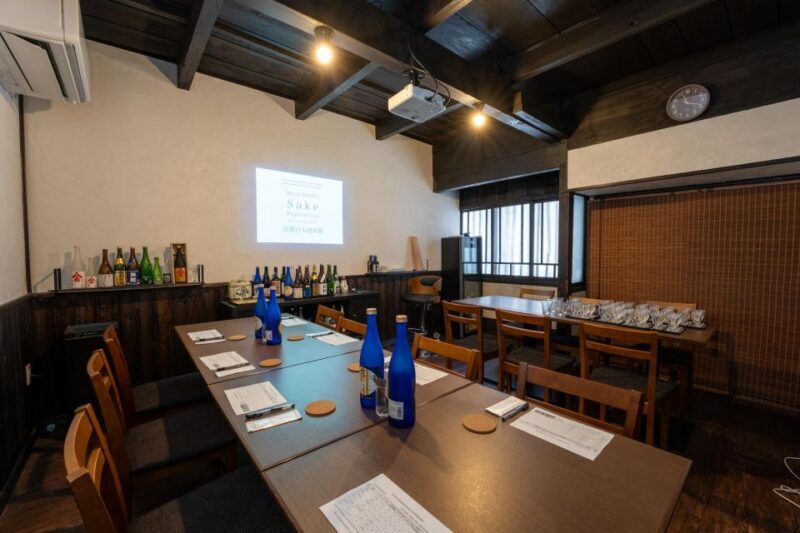
The meeting point is in Fushimi, and transport to and from the attractions is not included. Plan your route there independently and allow enough time to find the museum entrance. If you are more than 20 minutes late, your booking will be canceled, so this is not an activity to squeeze between two tight plans.
Leave room in your schedule afterward. The tasting includes many styles, and a leisurely meal or a quiet break may sound better than rushing straight to another appointment. You may want to browse or buy sake later, but the tour does not include a bottle purchase.
Most important, do not arrive by car or bicycle if you intend to take part in the alcohol tasting. For safety and legal reasons, alcohol will not be served to anyone arriving by either mode; non-alcoholic drinks are available, but there is no refund if you cannot join the tasting. Arrange another way to get there.
The legal drinking age in Japan is 20. People under 20 are served non-alcoholic drinks only. The activity is not recommended for children, and children under 12 and under 3 are listed as unsuitable. It is also not suitable for pregnant people, wheelchair users, or people with a low level of fitness.
You might also be interested in these Kyoto experiences
Book it if you want a guided introduction that links sake production, tasting, food, and ordering skills. It is especially useful if you like Japanese food but find sake lists hard to navigate, or if you have tasted sake before and want to understand why one style suits you better than another.
It is also a strong choice for a small group of adults with different levels of experience. You can start as a beginner, ask basic questions, and still get value from comparing a wide selection. The tasting note gives you something to use after the tour, when you are choosing a drink without an expert beside you.
Skip it if you need a fully seated outing, cannot stand for about 1.5 hours, or want transportation included. Skip it, too, if your main goal is a substantial meal or a chance to drink without learning about the process. This tour gives the lesson as much importance as the sake.
“I learned so much about Nihon Shu and the different grades and flavors. How each paired with different foods was very informative whuch I will appl…”
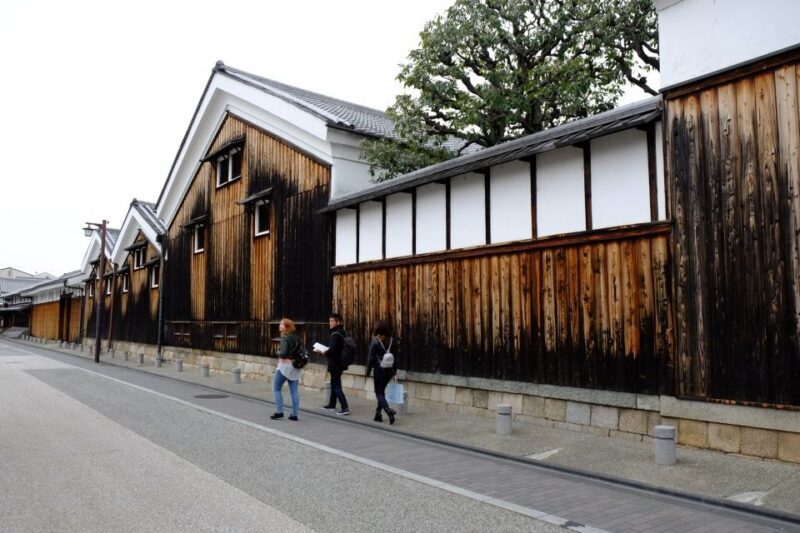
The experience lasts three hours. The first half includes about 1.5 hours of walking and standing, followed by a guided tasting.
Meet your guide inside the entrance to the Gekkeikan Okura Sake Museum at 697 Motozaimokuchō, Fushimi Ward, Kyoto, 612-8043, Japan.
The tasting includes 10 or more types selected by a certified sake sommelier.
Yes. Traditional Japanese otsumami are included for pairing with the sake. Vegetarian and vegan options are available, and you should tell the guide at the site about food preferences or allergies.
No. Japan’s legal drinking age is 20, and people under 20 are served non-alcoholic drinks only. The activity is not recommended for children.
The museum visit may be replaced with a visit to another historic brewery in Fushimi.
You can check availability for your dates here: