Physical Address
304 North Cardinal St.
Dorchester Center, MA 02124
Physical Address
304 North Cardinal St.
Dorchester Center, MA 02124

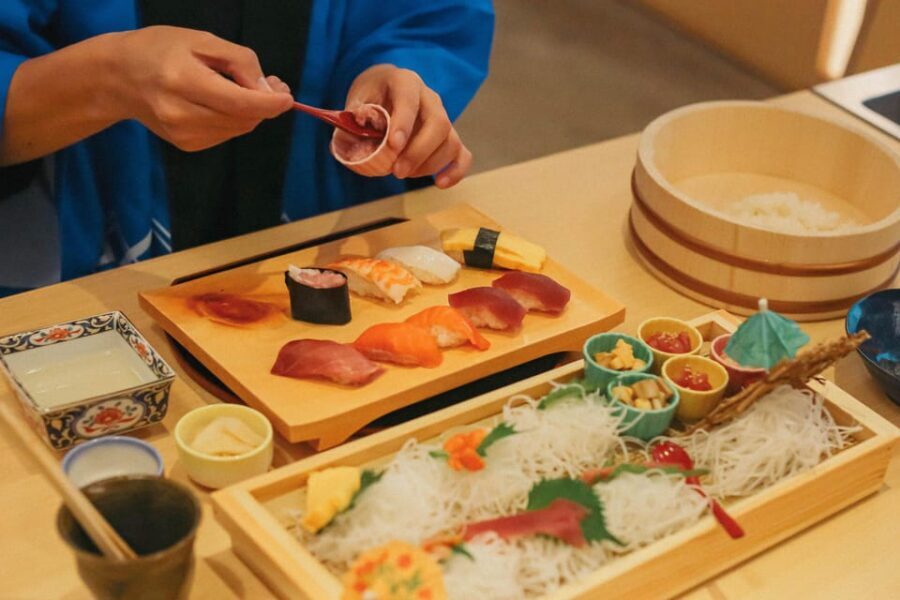
Make nigiri sushi with a Tokyo chef, try tuna and salmon, and wear a happi coat in this friendly 90-minute beginner class.
Nigiri is simple to name and surprisingly satisfying to shape: a small mound of rice, a slice of fish, and a practiced hand bringing them together. This 90-minute class gives you a go at the technique yourself, with a chef guiding each step. I like that you leave with a practical skill to try at home, and that the happi coat and Japanese-style setting make the lesson feel like more than a quick cooking demo.
One thing to plan for: the standard class features seafood, so tell the organizers about allergies or dietary needs in advance. Vegetarian, vegan, and gluten-free options are available, but a request made on the day may be too late.
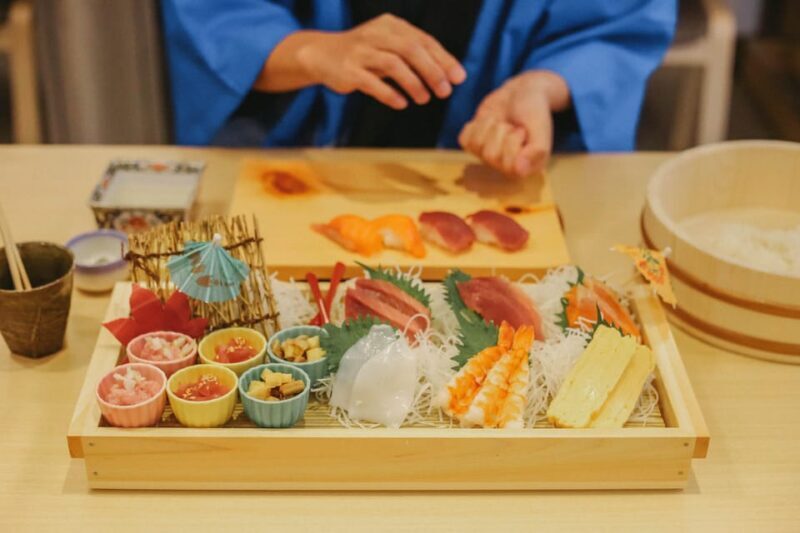
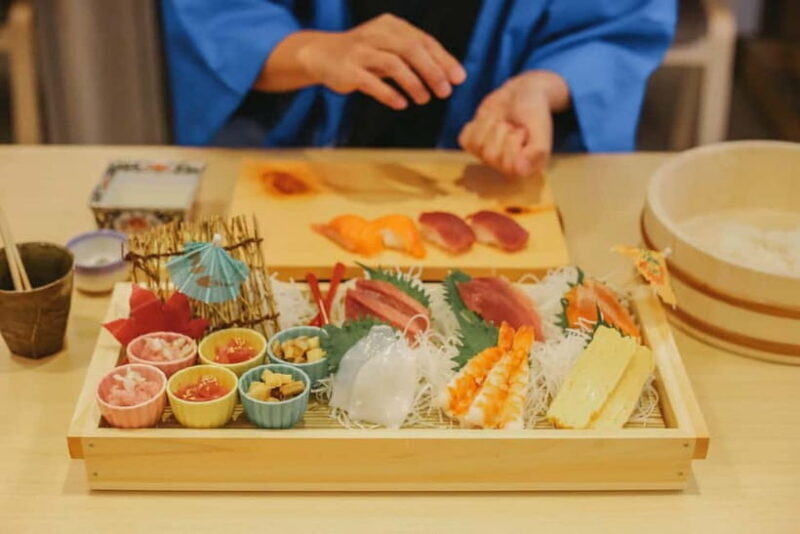
This class turns one of Japan’s best-known foods into something you can understand by doing. Rather than only watching a chef work, you’ll learn the basics and then shape sushi with your own hands. The advertised focus is nigiri made with tuna and salmon, two familiar ingredients that make the technique easy to follow even if this is your first time.
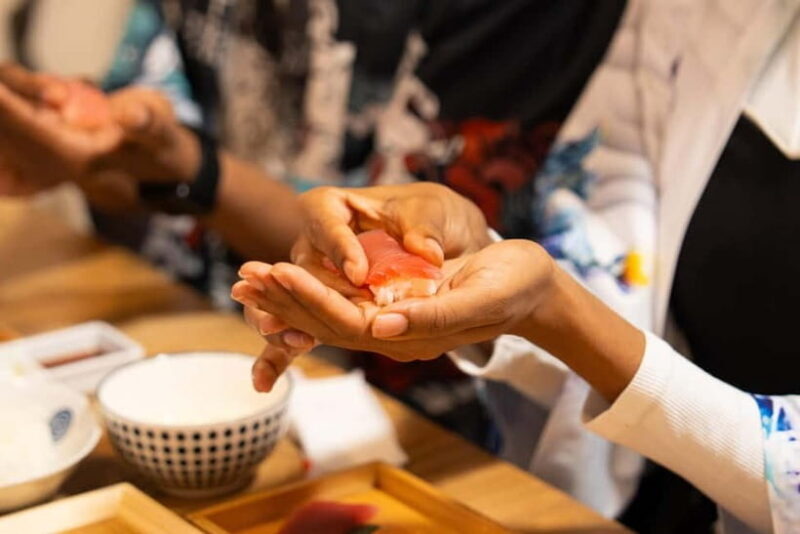
The instructor teaches the process from the beginning and stays available as you work. That matters: sushi can look effortless when someone experienced makes it, but rice handling and shaping take a little practice. Step-by-step guidance lets you ask questions and correct your technique as you go.
The session is built for beginners. You don’t need previous cooking experience, and the class is designed to make the steps approachable. A few people have also found the process easier than they expected, which is reassuring if you’re worried your sushi will come out lopsided. It might. That is part of learning, and it should still taste good.
You might also be interested in these Tokyo experiences
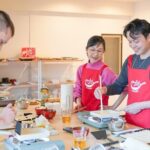
A good cooking class gives you more than a list of ingredients. Here, you watch the chef’s method, then try it yourself, with help available when a step feels awkward. The aim is to show you how sushi comes together, not simply to hand you a finished plate.
Nigiri is a useful place to start because it keeps the focus on the relationship between rice and topping. You’ll work with tuna and salmon, following the instructor’s directions as you shape your own pieces. Some classes have also included maki rolls or onigiri, so the exact mix of techniques may vary. If those are important to you, ask when you book rather than assuming they are part of every session.
The class also introduces the culture behind the food. You can ask about sushi techniques and Japanese culinary traditions while you work. Instructors are described as patient, clear, and happy to answer questions. Names mentioned by participants include Chef Hide, Mikoto, Mitsuko, Kohji, Emi, and Ami. Your instructor depends on the session, but the teaching style is consistently hands-on and friendly.
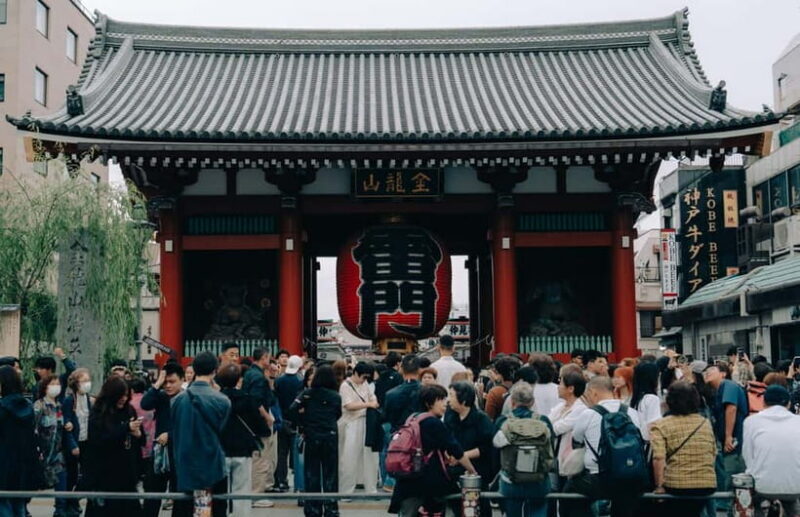
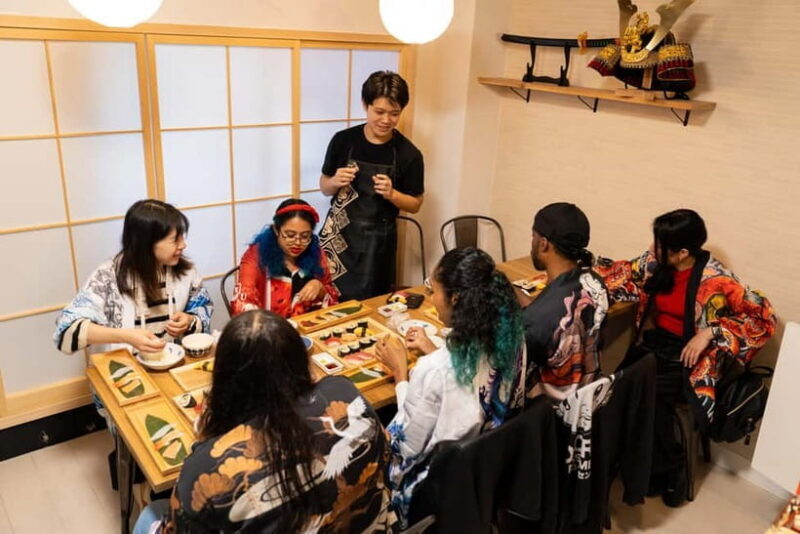
The happi coat is a small touch with a welcome dose of theater. It is a traditional Japanese-style coat often associated with chefs and festivals, and wearing one makes the class feel more like a special activity than a standard kitchen lesson. It also makes for a memorable photo, especially if this is your first visit to Japan.
Photo opportunities and props have been part of the experience, and some instructors have offered to take pictures during the class. Treat that as a pleasant possibility, not a guaranteed photo service. The main point is that you get to take part, rather than just pose in the coat.
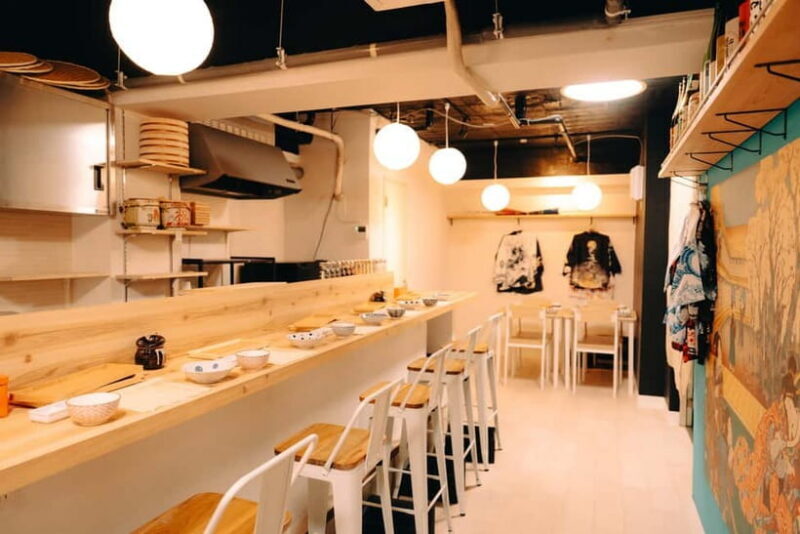
The setting is Japanese-style, but the lesson is meant to be accessible to international visitors. Instruction is offered in English and Japanese. If you’re traveling with someone who doesn’t know sushi terms or Japanese food customs, clear demonstrations and plain explanations should help them keep up.
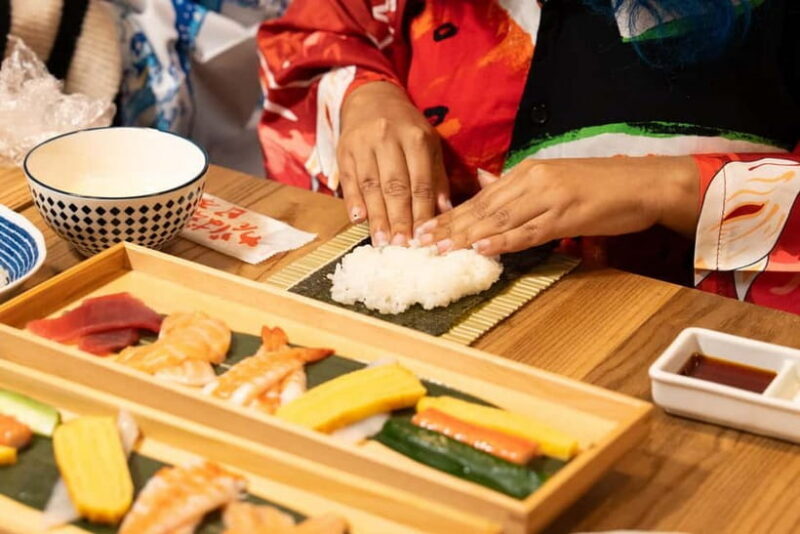
The class has a sociable feel, but the group size can depend on the session. Some people have had a small group, with one instructor attending to roughly five participants; others have ended up with a private lesson when no one else booked their time. Neither arrangement is guaranteed. Depending on how busy the venue is, you may be seated with other customers.
That shared-table setup can be a plus if you enjoy meeting people over food. It can also mean less one-on-one time than you’d get in a private class. The instructor-led format helps keep the activity moving, and you can ask questions as you work.
The atmosphere is often relaxed and playful. A lively teacher can make the instructions feel less like a formal lesson and more like cooking with a helpful host. That matters in a short class: if the mood is easy, it’s simpler to focus on the technique and enjoy the inevitable imperfect first pieces.
More Great Tours Nearby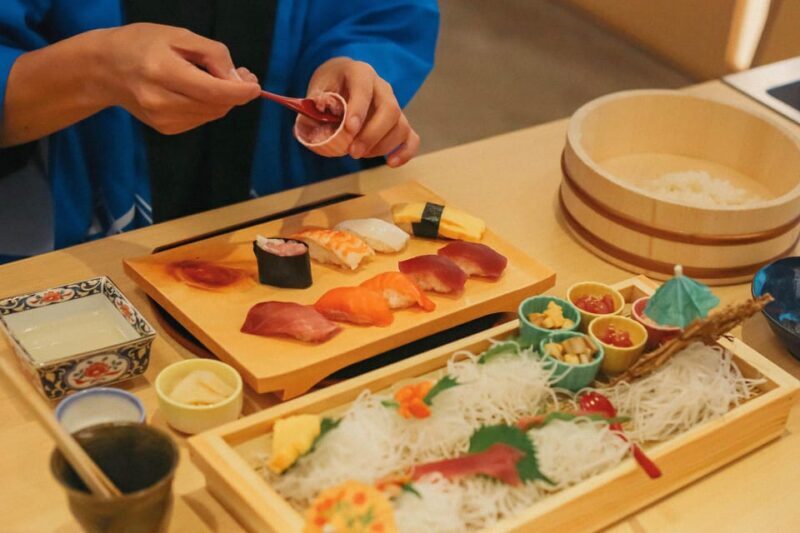
The tasting is a practical reward for the work. You get to try the sushi you prepared, which makes it easier to notice what you like about the rice, fish, and shape. It also gives the class a satisfying ending: you aren’t leaving with only a new fact about sushi, but with a meal you helped make.
Portions have been generous in some sessions, with enough sushi to serve as lunch. Still, the exact amount can depend on the class, so I wouldn’t book it as a guaranteed replacement for a large meal if you have a big appetite. The ingredients are included, and the focus is on making and eating sushi together.
There may also be additional food or drink choices at the venue, but those are not part of the included price unless specified. One participant mentioned buying sake separately. Consider that an optional extra, not something to count on as part of the class.
At the listed price of $42 per person, the value comes from combining instruction, ingredients, a hands-on activity, and food you make yourself. You also get the cultural context and the chance to wear the happi coat. Compared with paying only for a meal, this is a better fit if you want to understand the technique and take a skill home.
It is a short activity, but 90 minutes is enough time to learn, practice, and eat without taking over your day. That makes it easy to fit between sightseeing plans. The meeting point varies by booking option, so check the exact location before setting out. A few people have found the venue a little tricky to locate, so give yourself time rather than arriving at the last minute.
Booking offers flexibility: you can reserve and pay later, and cancellation up to 24 hours in advance qualifies for a full refund. Starting times depend on availability. Children over four are charged according to the child price list; children under four can share a dish. Check the child pricing details for your chosen session.
The standard class uses fish, including tuna and salmon. If you have a food allergy, send the details by message before the class. Vegetarian, vegan, and gluten-free options are available, but you should request them in advance. A request on the day may not be possible to accommodate.
This is especially important if you’re booking for a group with different diets. Make sure each person’s needs are clear before you go, rather than expecting the instructor to make a last-minute change. If you’re unsure whether a particular restriction can be met, ask before booking.

I’d pick this for first-time visitors who want an activity that connects food with Japanese culture, without requiring a full day or prior cooking skills. It also suits couples, friends, families with children, and solo visitors who are comfortable sharing a table. The class is participatory, but the pace and friendly coaching make it approachable.
It is a good choice for anyone who wants more than a restaurant meal but doesn’t need an advanced chef’s course. You’ll leave with a basic sushi-making skill and a better sense of how the process works. If you already make sushi regularly, the beginner focus may feel familiar rather than challenging.
Book this class if you want a friendly, practical introduction to sushi, enjoy learning by doing, and like the idea of eating your own handiwork. The strongest reasons to go are the clear, patient instruction, the chance to practice rather than only watch, and the happi coat that adds a distinctly Japanese touch.
Skip it if you’re looking for an expert-level course, need a guaranteed private lesson, or can’t confirm that your dietary requirements can be met. For most curious beginners, though, it’s a worthwhile 90-minute break from sightseeing, and a skill you can try again at home.
“We did this experience as a couple, and it was honestly one of the highlights of our trip to Tokyo. Chef Hide was absolutely amazing, incredibly sk…”
The class lasts 90 minutes.
The listed price is $42 per person.
The main focus is nigiri with tuna and salmon. Some sessions have also included maki or onigiri, but the exact techniques may vary.
Yes. It is described as beginner-friendly, and the instructor demonstrates the process before you try it yourself.
Instruction is available in English and Japanese.
Yes. The cooking class, ingredients, and instructor are included.
Yes. These options are available, but you need to request them in advance by message. A request on the day may not be accommodated.
Yes. Send information about allergies in advance by message.
The meeting point varies depending on the option you book, so check the location for your selected session.
You can check availability for your dates here: