Physical Address
304 North Cardinal St.
Dorchester Center, MA 02124
Physical Address
304 North Cardinal St.
Dorchester Center, MA 02124

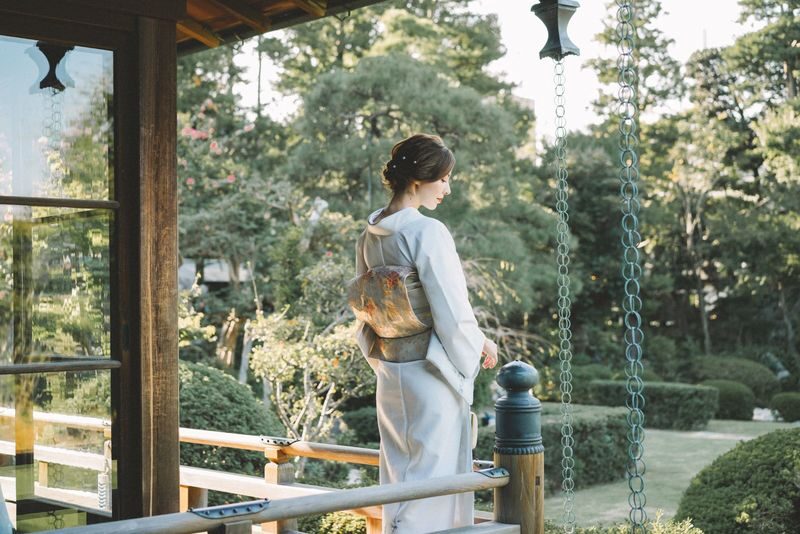
Rent a kimono near Asakusa’s Kaminarimon, choose from 500 styles, get dressed and styled, then explore Tokyo before the 5:30pm return.
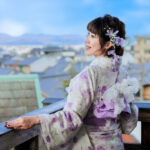
Asakusa is one of Tokyo’s best places to wear a kimono: historic temple grounds, old shopping streets, and plenty of photo-worthy corners are close at hand. At YAE, you choose from more than 500 kimono and yukata styles, then staff help you dress and arrange your hair before you head out.
I like two things in particular: the large, varied selection, which includes options for men, children, and plus sizes, and the attentive help with dressing and styling. One consideration: the rental ends at 5:30pm, so a late start can leave you with less time to explore. Arrive on time, and eat before dressing if you want to avoid worrying about spills.
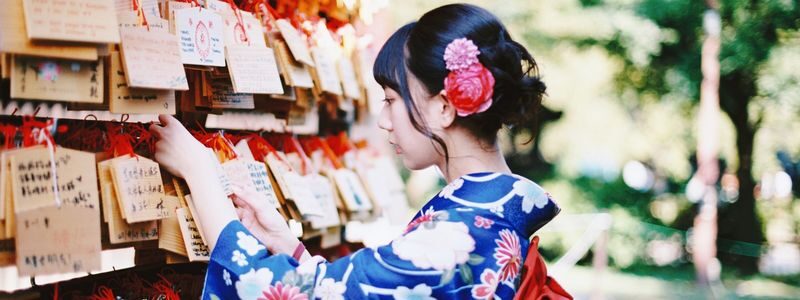
YAE is a practical choice if you want to pair traditional Japanese clothing with a day in Asakusa. The shop is close to Kaminarimon, the well-known gate leading toward Sensoji Temple, so you can move from dressing room to historic streets without a long trip across Tokyo.
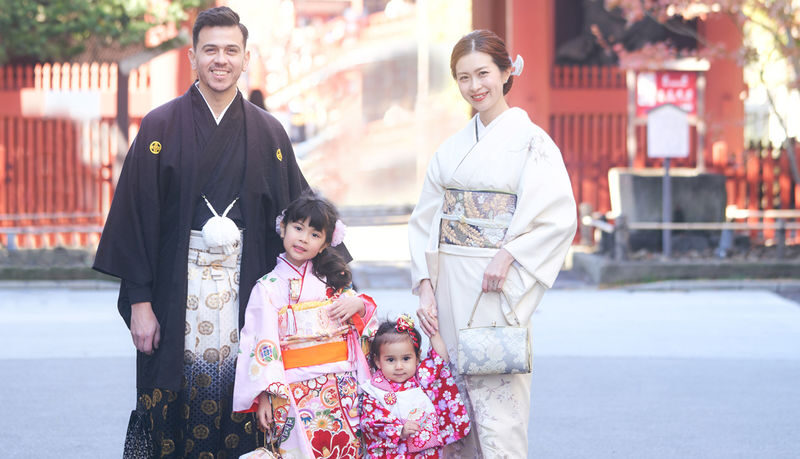
The selection is a key part of the experience. With more than 500 garments, you can look for traditional patterns or a more modern design, and there are separate options for women, men, and children. Packages also include furisode, hakama, premium women’s houmongi, and a photo shoot. Some plans may cost more than the starting price, so check what your chosen package includes before booking.
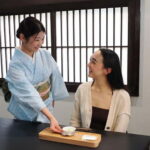
Selection is not just a matter of color and pattern. The kimono and its accessories work together, and staff help with the obi and other dressing details. That assistance matters if you have never worn one before. Rather than trying to figure out how layers and ties should sit, you can leave the formal dressing to people who do it regularly.
The shop has drawn praise for accommodating a range of body sizes. The stated limits are a maximum height of 195 centimeters and a maximum waist measurement of 140 centimeters. If fit is a concern, those limits offer a useful starting point, though they do not guarantee that every design will fit every body in the same way.
Communication should be manageable for many international visitors. Staff can speak English, Chinese, and Korean, which helps when you are choosing an outfit or explaining what you want for your hair. Hair styling is offered, but makeup is not, so arrive with your makeup done if you want it included in your look.
Looking for more options in Tokyo? Here are some other experiences worth considering.
After check-in, you choose your costume and staff help you put it on. Allow roughly 30 to 50 minutes for dressing, with the full selection and styling process sometimes taking about an hour. Groups and busy periods can affect how long it takes, so build some slack into your plans rather than scheduling a temple visit for the minute you expect to walk out.
Hair styling is part of the appeal for many people, especially if you want a finished look in photographs. The staff can help arrange your hair, but they do not provide makeup services. If you have braids, locs, or another style that may need a different approach, speak up about what you prefer. The aim is for the hairstyle to work for you, not to force every head of hair into one standard shape.
Choose practical clothes for dressing. The shop advises against collared shirts because the collar can interfere with the kimono’s presentation. In summer, a thin vest or undershirt is a sensible layer. In winter, wear a warm shirt or a light jacket with a low collar, plus leggings or warm trousers; keep foot coverings in mind, since the outfit includes zori sandals.
A kimono is not the easiest outfit for eating or moving quickly. One visitor’s useful tip was to eat before getting dressed, since spills on the garment can lead to a cleaning charge if the dirt cannot be removed. Take care around food, drinks, and anything oily or messy while wearing the rental.
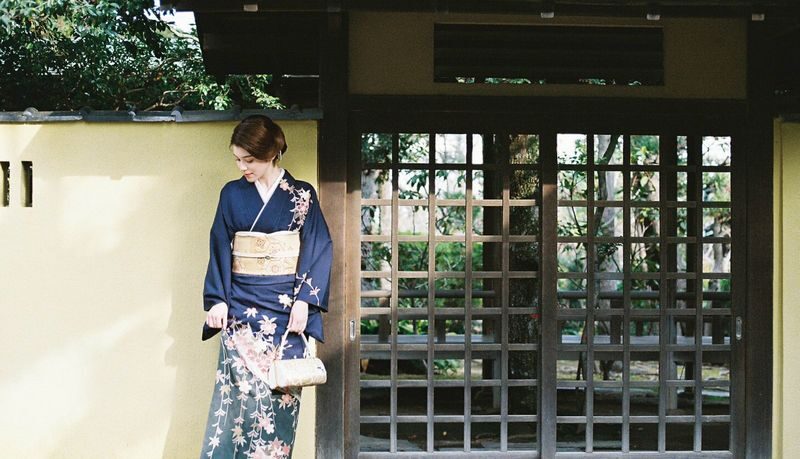
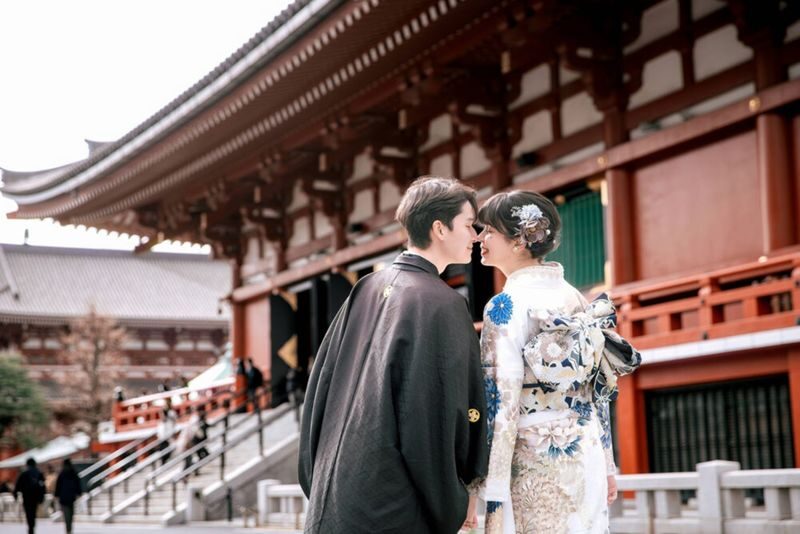
Once dressed, you are free to walk around Tokyo in your outfit. The nearby Sensoji area makes a natural first stop: it offers a striking setting for photos and gives the clothing a fitting backdrop. Asakusa’s traditional streets are also a good match for the experience, and you can make your own route rather than following a fixed group itinerary.
The rental is best treated as a half-day activity, even if the time in the shop itself is shorter. Choosing, dressing, styling, and walking to photo spots all take time. The return deadline is 5:30pm on the day of your rental, so an early appointment gives you the most room to explore. The first listed start time is 10:00am, with options at half-hour intervals through 3:00pm, subject to availability.
The late afternoon slot needs special care. The 90-minute course is not available for a 3:00pm reservation, and a 3:00pm start leaves little time before the 5:30pm return. If you want a relaxed walk or a photo session, choose an earlier time. Late returns can result in an extra-time fee payable in cash.
If you want professional photos, there is a separate kimono photo shoot option. The shoot start is arranged after you are dressed, roughly one to one and a half hours later. That timing is worth remembering when you plan meals or meet-ups. Photographers have helped people pose and made use of props and nearby scenery, but the exact arrangements can depend on the package and day.
The shop also offers a next-day return plan, according to the package options. Check the details and price for that plan when booking rather than assuming it comes with a standard rental. Other available choices include couple and family packages, which can make it easier to coordinate outfits for a shared outing.
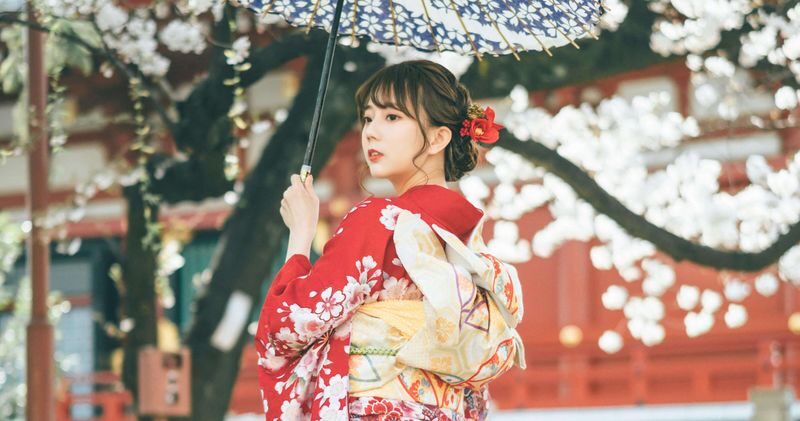
Prices start at $48, making this a relatively accessible way to try a full kimono look in Tokyo. The value comes from more than borrowing the garment: the stated inclusions cover a shirt, kimono, belt and belt rope, and zori sandals, while dressing assistance is provided. Hair styling is also described as part of the experience, but package details can differ, so confirm exactly what is included in the plan you select.
The all-inclusive approach is useful because traditional clothing needs more than one piece to look complete. Having the belt and sandals included means you do not need to hunt down matching items yourself. Staff can also help coordinate the kimono and obi, which takes some guesswork out of the process.
You can pay the price difference at the shop to upgrade to a different plan. That gives you some flexibility if you see an option you prefer in person, though it is wise to check the upgrade cost before agreeing. The starting price should not be treated as the price for every package: furisode, premium houmongi, photo shoots, and next-day returns may have different rates.
There are a few costs to keep in mind. Personal expenses are not included, and damage or stubborn stains, such as oil paint or smoke marks, may result in a cash charge. A late return can also bring an extra-time fee payable in cash. Handle the outfit carefully, and leave valuable belongings at home or keep them with you; the shop offers storage for clothing in a trunk bag, but not for valuables.
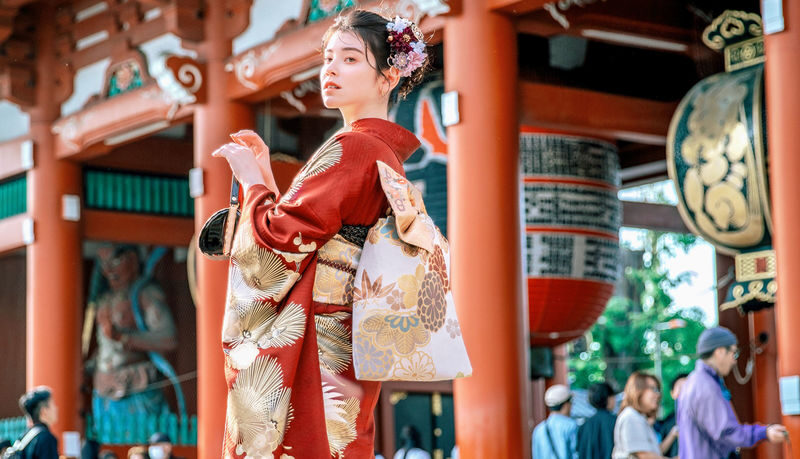
This rental works well for couples who want coordinated outfits and for families looking for a shared activity. Children’s kimono and yukata are offered, and families should enter each child’s height and gender during checkout. There is no stated age limit, though the shop’s height and waist limits still apply.
The process can also suit visitors who are new to kimono. Staff help with choosing and dressing, so you do not need prior knowledge of how to tie an obi or arrange the layers. For a group, book enough time for everyone to choose and get ready. Even when staff work efficiently, multiple outfits mean the start of your walk depends on the last person finishing.
The activity is not recommended for pregnant women. It is also worth considering how comfortable you will be walking in zori sandals and wearing a structured outfit for several hours. If you would rather spend most of the day on a fast-moving itinerary, a rental may feel restrictive; if you want to slow down and enjoy Asakusa at an unhurried pace, it can be a memorable change of clothes and rhythm.
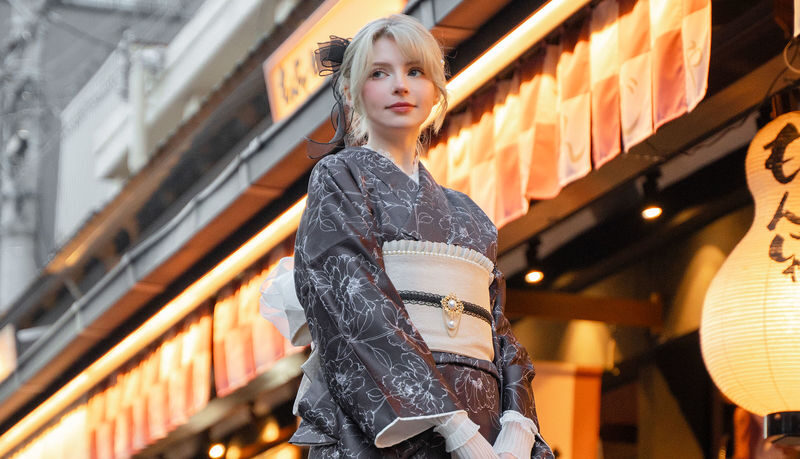
YAE is open daily from 9:30am to 5:30pm, and the rental is valid only on the selected date. Meet at the shop at 1-2-6 Hanakawado, Taito-ku, Tokyo, on the third floor. The directions provided point to Asakusa Station, with Exit 5 about a minute away and Exit A5 about three minutes away. Arrive 10 minutes before your booked time, and bring the mobile voucher.
Timeslots can fill. If your preferred one is unavailable, staff may recommend another time or offer a full refund. Changes are generally allowed until 24 hours before the activity, with exceptions for some types of bookings. The experience also offers free cancellation with 24 hours’ notice, so check the terms attached to your booking before you commit.
Weather and seasonal events can affect the day. For the Sumida River Fireworks Festival on July 25, a surcharge of ¥1,000 per person applies, and the shop plans to close at 4:00pm. If your date coincides with a major event, confirm the current hours and return arrangements before setting your schedule.
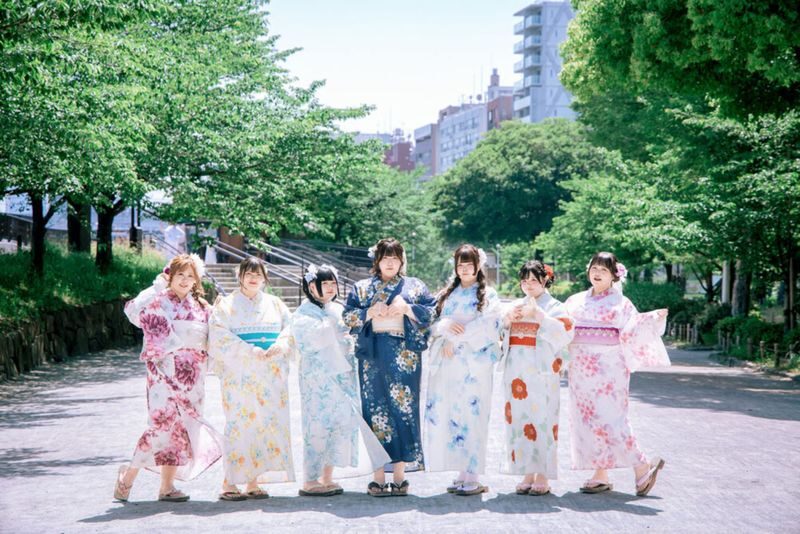
Book it if you want a hands-on cultural experience in Asakusa, value help with dressing, and have time to walk and take photos before the 5:30pm return. The wide choice of styles, multilingual staff, and options for men, children, and plus sizes make it a useful pick for couples and families as well as solo visitors.
Skip it if you want a quick activity, dislike structured clothing, or cannot work around the return deadline. For the best value, choose an earlier start, wear a low-collar shirt, do your makeup beforehand, and plan a gentle route near Sensoji. That leaves you time to enjoy the outfit instead of watching the clock.
“great deal, very kind staff, great selection of kimonos. I got the 50$ package and it included hair as well it was amazing, great value. I recommen…”
The shop is at 1-2-6 Hanakawado, Taito-ku, Tokyo, on the third floor. It is near Kaminarimon and Sensoji Temple.
The directions provided point to Asakusa Station. Exit 5 is about a one-minute walk, while Exit A5 is about a three-minute walk.
Listed start times run from 10:00am to 3:00pm at half-hour intervals. Available times may vary, so select from the times offered for your chosen date.
The standard return time is 5:30pm on the rental day. A late return may incur an extra-time fee, payable in cash.
Putting on the chosen outfit takes about 30 to 50 minutes. Allow additional time for selecting a style and having your hair arranged.
Yes, hair styling is offered. Makeup is not provided, so arrive with your makeup done if you want it.
In summer, a thin undershirt or vest is recommended. In winter, wear a warm shirt or light jacket with a low collar, and warm leggings or trousers.
The maximum stated height is 195 centimeters, and the maximum waist measurement is 140 centimeters.
Yes. Children’s kimono and yukata are available, and there is no age limit. For a family booking, enter the child’s height and gender at checkout.
A kimono photo shoot is available as a package option. Its start time is arranged after dressing, roughly one to one and a half hours later.