Physical Address
304 North Cardinal St.
Dorchester Center, MA 02124
Physical Address
304 North Cardinal St.
Dorchester Center, MA 02124


Get your Tokyo bearings with a private local guide, tailor the walk to your interests, learn the metro, and find neighborhood spots beyond the main sights.
Tokyo can feel like several cities stitched together, and a local guide can help you make sense of it on foot and by train. I like that this is private and shaped around your interests, and that guides have helped people master the metro, find quieter corners and choose places to eat. You can start with a question, a wish list or no plan at all.
I also like that you can book anywhere from three to eight hours, which lets you choose between a useful orientation and a fuller day out. The trade-off is that there is no set route or guaranteed list of sights, so you should talk through your priorities before you meet. Transport, food and attraction tickets are extra.
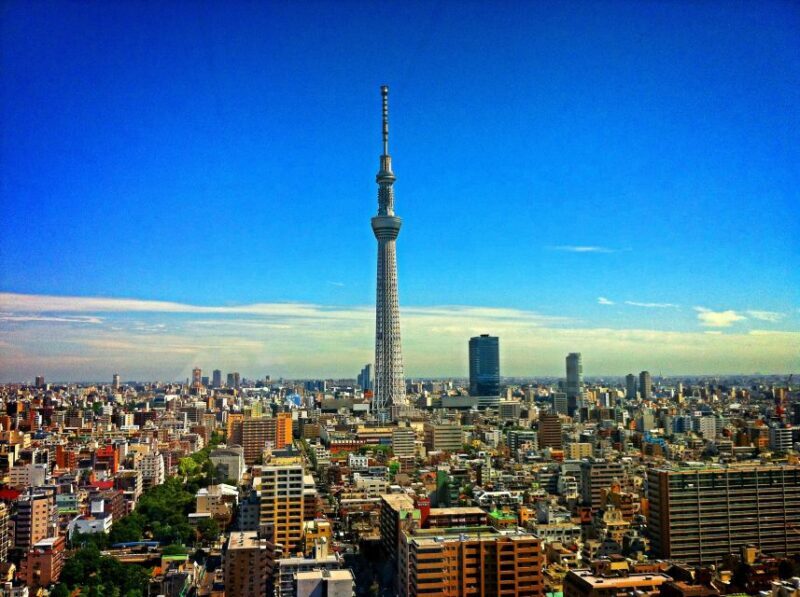

The most useful thing about this tour is its flexibility. You are not signing up for a standard march from one famous stop to another. Your guide can focus on the district near your hotel, help you understand how the city fits together, or build the day around interests you name in advance.
That matters in Tokyo, where a short distance on a map can involve a busy station, several platforms and a maze of exits. A guide can show you how to work the system while you are actually using it, rather than leaving you to decode it later with a phone in one hand and a ticket machine in the other.
You can also choose to spend time on culture, food, shopping, street art or everyday neighborhood life. The experience is described as a walk, but guides have accompanied visitors on public transport to connect districts. Those fares are not included, so bring a payment method for getting around.
The format is particularly good for a first day in Tokyo. You can ask the small questions that are hard to answer from a guidebook: which station exit is useful, how to approach a shrine, or where to look for a meal nearby. You can also return to places you liked after the tour, now with a better sense of direction.
If you enjoy exploring Tokyo on foot, these walking tours might also suit your style
There is no single Tokyo center to cover. Shinjuku, Shibuya, Harajuku and Asakusa each offer a different feel, and a private guide can help you choose rather than trying to cram them all into one rushed loop.
Shinjuku has been a practical starting point for visitors who want to learn the local transport system and get a sense of the area around their hotel. From there, a guide might help you find a station entrance, explain the ticket process, or point out useful places for the rest of your stay. It is a good choice if you want your first hours in the city to solve everyday questions as well as show you around.
Shibuya can suit a mix of modern city sights and neighborhood wandering. One past route included a view of Shibuya Crossing from a tower, while other tours have explored nearby streets and cafés. The crossing itself is a famous scene, but the practical benefit is having a guide help you place it in the wider area and decide what is worth seeing around it.
Harajuku and the streets around Cat Street can make a manageable introduction to fashion, shopping and people-watching. A guided walk can help you cover the main areas efficiently, then leave you free to return to a lane or shop at your own pace. Do not assume every tour will include these districts, though. The whole point is that the route is negotiated.
Asakusa offers a different mood, with a temple and traditional streets. Some visitors have paired it with markets or a park, while others have chosen gardens, cherry blossoms or quieter backstreets. These are possibilities, not fixed stops. If a temple or other attraction matters to you, say so before the tour and remember that entrance fees are extra.
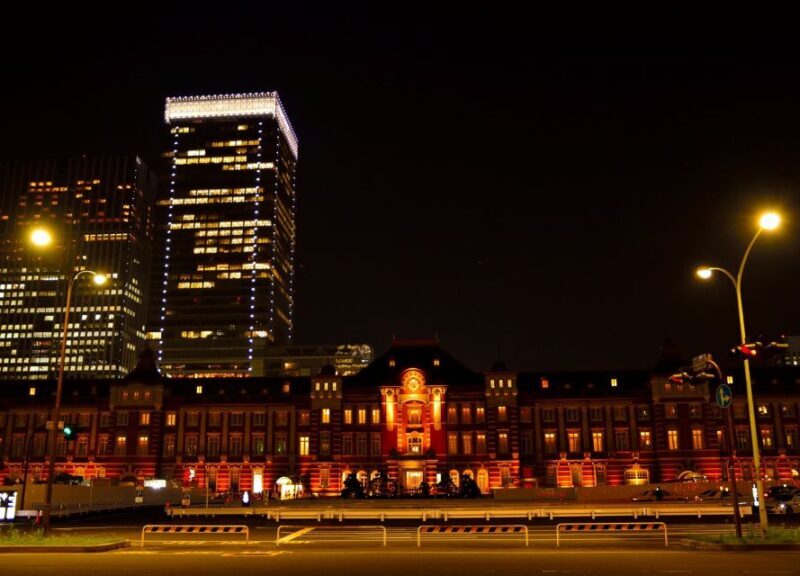
For many people, the city’s rail network is the most valuable part of the experience. Guides have helped visitors buy or use rail passes, understand subway tickets and get comfortable changing lines. That lesson can pay off for the rest of your stay, especially if you are new to Tokyo’s stations.
This is more than a tutorial at a ticket machine. You can ask your guide to explain how to get from one chosen neighborhood to another, then practise the route together. Several past itineraries have combined walking with public transport, letting visitors see more than a single district without trying to walk across the whole city.
Keep in mind that public transport is not included in the tour price. If you want to visit several parts of Tokyo, budget for your own fares. A taxi has also been used as part of a past customized day, but any optional transport or activity costs should be treated as additional.
The pace is another reason to be clear about your needs. A three-hour walk can cover a useful area, but adding several neighborhoods means more time on trains and more walking between stops. One guide adjusted the route for older visitors by keeping a comfortable pace and adding rest stops. Ask for a gentler plan if that is what you need.
A good private walk is not only about reaching a landmark. The guide can answer questions as they arise and offer personal context about the city, its customs and daily routines. Past visitors have learned about temple etiquette, modern Japanese life, kimono traditions and Tokyo’s history. The depth will depend on your guide and the subjects you raise.
The social side matters, too. The experience is meant to feel more like spending time with a local than listening to a memorized speech. That can make it easier to ask for a different pace, change direction or admit that you would rather find a café than see another monument.
Food is one area where local advice can be especially useful. Guides have helped visitors find lunch spots, local restaurants and a sushi place near Shibuya. Meals and drinks are not included, so you pay for what you order. If food is a priority, mention your preferences before the walk, including any dietary needs. The tour information does not promise that every guide can accommodate every request.
Guide names that have been associated with past tours include Eduardo, Romana, David, Elizabeth, Amanda, Gonul and Lily. These names can give you a sense of the personal nature of the service, but they do not guarantee who will be available for your date. If you hope to request a particular guide, ask the provider rather than assuming you can select one.
More Great Tours Nearby
The tour runs from three to eight hours. A shorter booking is a sensible choice if you want a neighborhood orientation, help with the metro, or a focused walk through one or two nearby areas. It gives you time to ask questions without turning the day into a marathon.
A longer booking makes more sense if your wish list spans several parts of the city or includes time for a garden, temple, market or meal. Past three-hour routes have joined multiple districts, but that can mean quick transitions and little time to linger. If you want the day to feel relaxed, choose fewer stops rather than treating the maximum duration as a challenge.
Before meeting, send your guide a short list of what matters most. You might name a district, a cultural interest, a view, a shopping goal or the need to learn the train system. If you have no plan, say that too. Your guide can help turn broad curiosity into a route, but the more clearly you explain your energy level and interests, the better the fit is likely to be.
You can request a specific start time. Pickup is included at a preferred location in or near the city center, such as your hotel, an iconic landmark or a café. Confirm the meeting point in advance, especially if you are arriving at a large station or unfamiliar part of town.
For a more personal experience, these private Tokyo tours deliver individual attention
At $82 per person, the main value is the private attention and the practical help you can carry into the rest of your trip. You are paying for a guide who can adapt the route, answer your questions and help you get around, not for a bundle of tickets, meals or transport. Check the price shown for your chosen date and group before booking.
The cost can feel worthwhile if the guide helps you use the metro confidently, saves you time choosing areas, or points you toward places you would not have found on your own. It is less compelling if you mainly want a fixed historical tour with guaranteed stops and a formal lecture. This experience is built around personal interests and conversation.
Bring comfortable walking shoes. The route can involve substantial time on foot, and some past walks covered longer distances than visitors expected. Tell your guide if you need frequent breaks or want to minimize walking. The activity is listed as wheelchair accessible, but because the route is customized, discuss your access needs and preferred route with the provider beforehand.
Children under three can join free, and children aged three to twelve receive a 50 percent discount. There is no need to plan a meal into the price, but food and drinks are your own expense. If you want to enter an attraction, you must also cover the guide’s entrance fee.
The tour is offered in English, Spanish and French, and is for a private group. You can cancel up to 24 hours in advance for a full refund. These details make it fairly easy to fit around a flexible city schedule, though you should still confirm the language and meeting arrangement when you book.
I would put this tour near the top of the list for first-time visitors who want to stop feeling lost. Learning how to use the trains while accompanied by someone who can explain the route is a practical advantage, and the neighborhood orientation can make later independent exploring less daunting.
It also suits curious repeat visitors who would rather spend time in local streets, markets or cafés than repeat a standard checklist. The freedom to change course is valuable if you have a specific interest or if your energy changes during the day.
Families and older visitors may appreciate the private format because the pace and stops can be discussed directly with the guide. Still, walking is central to the experience, so be realistic about distance and ask for adjustments. The tour is not a substitute for a fixed-accessibility itinerary unless your particular needs have been confirmed in advance.
If you want a guaranteed series of monuments, admission tickets and a strict timetable, choose a more structured tour. Here, you are buying a flexible introduction to Tokyo and the chance to make an informed plan for the days that follow.

Book it if you want personal orientation, help with public transport and a route that follows your interests rather than a group’s schedule. It is especially useful early in a Tokyo stay, when a local’s advice can shape how confidently you explore afterward.
Before you commit, decide whether you want a focused three-hour walk or a longer day, then share your priorities and walking needs with the guide. The route is not guaranteed, and the extra costs are real, but for a flexible introduction built around conversation and practical city skills, this is a strong choice.
“Our tour guide Amanda was the best. She was so accommodating and up beat making our time with her so enjoyable. She was knowledgeable and easy to w…”
The tour lasts three to eight hours. Check availability for the starting times offered for your chosen date.
The live guide is available in English, Spanish or French.
Yes. It is a private group experience, with a customized walking tour rather than a fixed group route.
Pickup is included at your preferred location in or near the city center. This can be your hotel, an iconic landmark or a café.
No. Transport, meals, drinks, personal expenses and entrance fees are not included. If you ask to visit an attraction, you must also cover the guide’s entrance fee.
You can request a specific time, and the tour is personalized rather than tied to a fixed route. Share your interests or questions with the guide.
The activity is listed as wheelchair accessible. Since it is a walking tour with a customized route, discuss your access needs with the provider in advance.
Children under three can join free of charge. Children aged three to twelve receive a 50 percent discount.
You can check availability for your dates here: