Physical Address
304 North Cardinal St.
Dorchester Center, MA 02124
Physical Address
304 North Cardinal St.
Dorchester Center, MA 02124

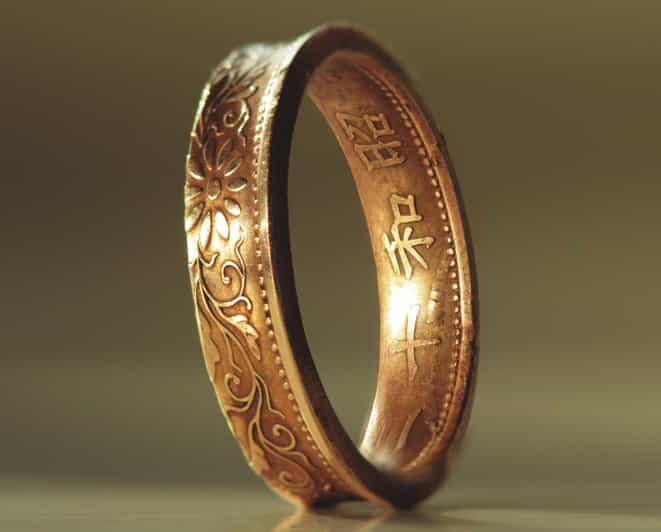
Make a ring from a vintage Japanese coin in Asakusa, with patient English-speaking artisans, a matching pendant option, and a little local luck.
A vintage Japanese coin becomes a ring in your hands, with its original markings still giving the finished piece a sense of time and place. In this one-hour Asakusa workshop, English-speaking local artisans guide you through choosing a coin, shaping it, and polishing it.
I like two things in particular: you do the work yourself, but patient instructors are close by to help, and the coin’s punched-out center can become a matching pendant. The coins are also said to be cleansed at Zeniarai Benten temple, adding a good-fortune story to a souvenir you can actually wear.
One consideration: this is a short, hands-on session, not a long craft course. Arrive on time, since more than 10 minutes late may mean you cannot join, and check the extra charge if you need a larger ring size.
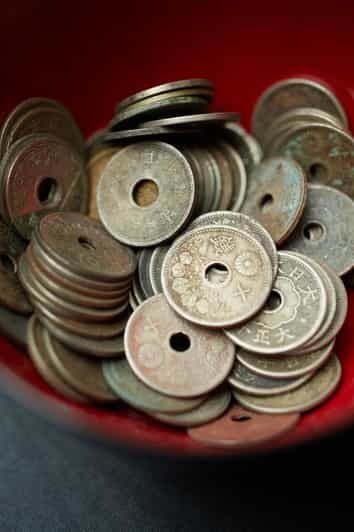
The workshop begins with a choice: which vintage Japanese coin will become your ring? Coins from the Meiji, Taishō, and Shōwa eras have different designs and surface textures, so the decision is not just about the finished look. You are picking the small details that will remain visible after the coin is shaped.
That choice gives the activity more character than a standard jewelry class with uniform materials. The coin is already an object from another time, and its markings become part of the design rather than something to cover up. If you enjoy a little history in your souvenirs, take a moment to compare the options before settling on one.
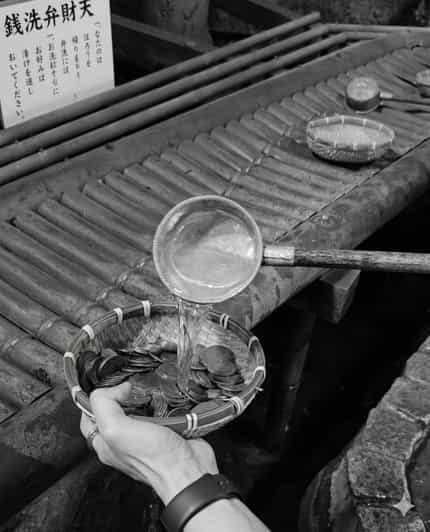
There is also a good-fortune tradition attached to the coins. Staff take them to Zeniarai Benten, a temple associated with washing money, for a cleansing ritual. Treat the promise of luck and prosperity as a cultural touch, not a guarantee. The practical value is that the finished jewelry carries a story beyond I bought this in Tokyo.
The choice may take longer than you expect if you are deciding between several designs. That is part of the fun, but the experience lasts about an hour, so you will want to keep the selection stage moving if you plan to make a careful polish at the end.
Looking for more options in Tokyo? Here are some other experiences worth considering.
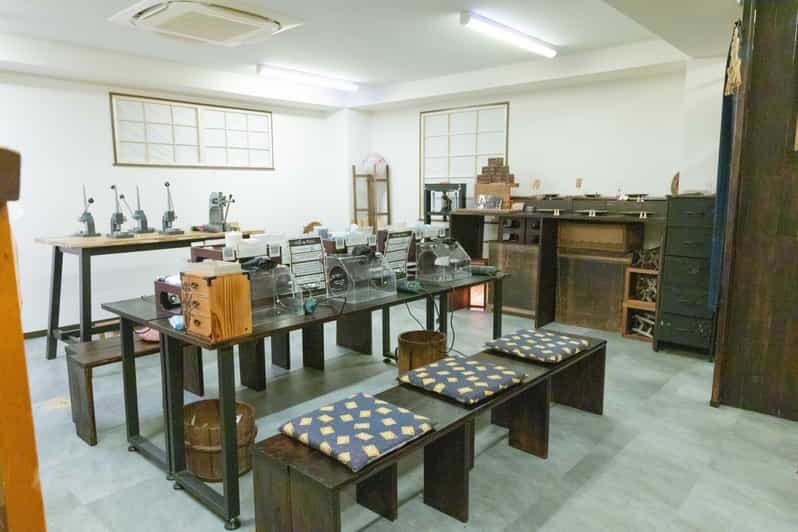
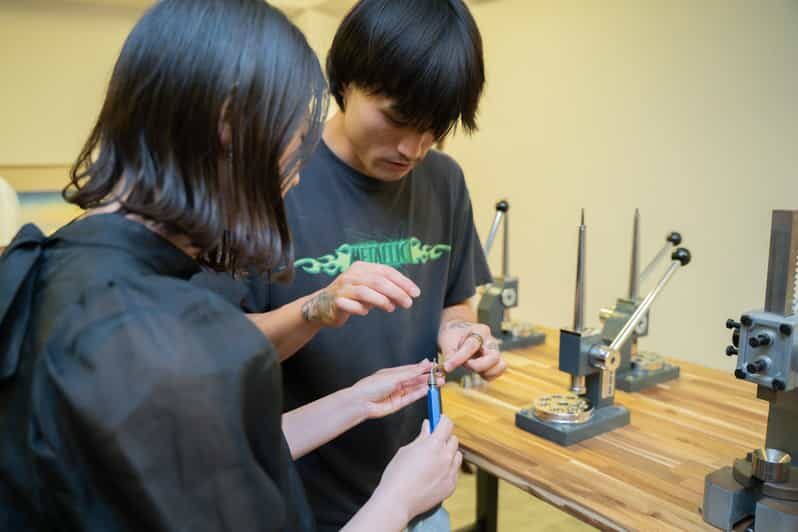
Once you have chosen your coin, the making begins. With specialized tools and instruction, you heat, hammer, and bend the metal into a ring shape. The process is guided from start to finish, so you do not need prior craft experience or confidence with tools.
The useful distinction is that this is a participatory workshop, not a demonstration where an artisan makes the piece while you watch. You get to handle the work and see the coin change at each stage. The instructor stays close, explains what to do, and can help when a step feels unfamiliar. That balance makes the activity approachable for beginners without taking away the satisfaction of making something yourself.
Instructors named Kazu, Shugo, and Mao are among the local artisans who lead sessions. The teaching style is a major part of the appeal: expect clear explanations, patience, and an easygoing atmosphere. Some sessions may have fewer than five people, which can mean more individual attention, though you should not count on having a private lesson.
The task is meant to be manageable, not technically demanding. That is good news if you are not naturally handy, or if you are making the ring with a child or a partner who would rather enjoy the process than wrestle with a difficult project. The trade-off is that anyone hoping for advanced metalworking instruction may find the session too brief and introductory.
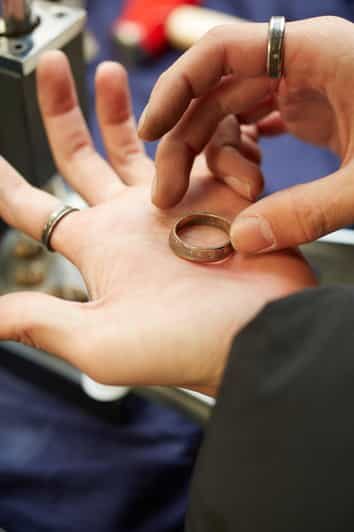
After the ring takes shape, you fine-tune its fit and polish the surface. The finish can lean antique or more modern, depending on the look you prefer and how you polish it. You are able to keep working on the ring until you are happy with the result, a useful detail for anyone particular about shine.
The center punched out during the ring-making process can be turned into a matching pendant. This is a pleasing bit of efficiency: the material removed to create the ring does not go to waste, and the two pieces share the same coin and markings. The pendant is a charm; if you want to wear it on a chain, check whether one is available to buy, since additional store items are not included in the $49 price.
The jewelry is not factory-perfect, and that is part of its appeal. Small variations are a reminder that you shaped and polished it yourself. If you want a flawless, identical piece, buying finished jewelry may suit you better. If you want a wearable souvenir with a personal connection to the making, this workshop has the advantage.
Before you leave, the instructors explain aftercare products and basic maintenance. That matters if you plan to wear the ring often or keep it for years, rather than tuck it into a souvenir box after your trip.
At $49 per person, the price covers the instructor’s guidance and the tools and materials needed for the activity. You leave with the ring you made, and the coin’s center can become a pendant. You are also paying for a small-group session, with no more than five participants, and for a local artisan to guide the process in English.
That makes the price easier to justify if you value the activity as much as the object. You are not simply buying a ring; you are spending an hour making a personal keepsake and learning how its shape comes together. For a couple, a family, or friends, the shared process can be part of the souvenir.
Keep a little room in your budget for extras. Additional rings and other shop items are not included, and may depend on time and availability. Larger ring sizes also cost extra: sizes 12.5 and above require an upgrade fee, and US size 14.5 is the maximum size that can be made. If you need a larger size, confirm the terms before booking rather than leaving it to the session.
The base price is best value for someone who wants one ring and a hands-on activity. If you are mainly looking for the cheapest jewelry in Tokyo, this is not the right comparison. Its value lies in the making, the coin’s history, the pendant option, and the chance to take home something you shaped yourself.
More Great Tours Nearby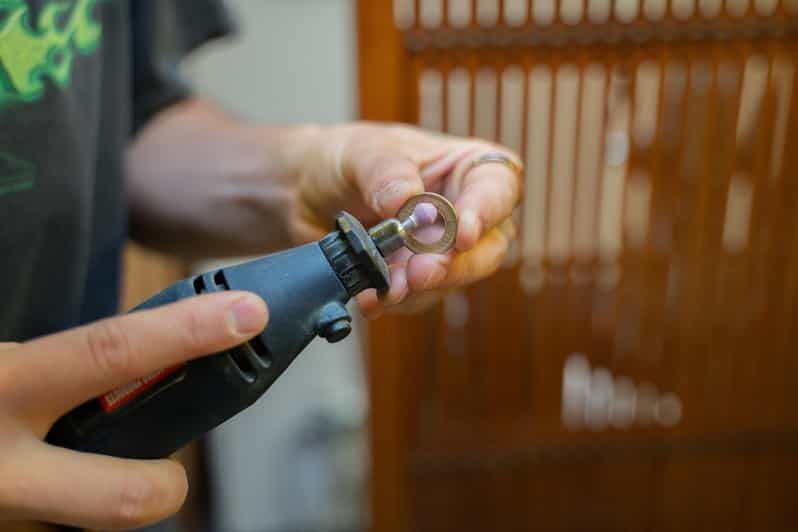
The workshop is in the Kappabashi area, a useful pairing with a visit to Asakusa. Kappabashi is known for kitchen-supply shopping, including knife and kitchenware shops, so you can build a day around both the craft session and a browse through the district. The workshop itself lasts about an hour, which leaves time for other plans, though you should allow extra time for arriving and choosing your coin.
The location is a plus even if you are not staying nearby. The activity can serve as a reason to explore a different part of Tokyo, rather than spending your whole day around the same familiar sights. If you are interested in Japanese cooking tools or want to browse specialist shops, the combination is especially handy.
Keep the schedule simple around the session. Arriving more than 10 minutes late may mean you cannot take part, because the next booking could be waiting. Do not plan a tight connection or assume the workshop can start late for you. Its short duration is convenient, but the punctual start matters.
This is a good fit for couples looking for a shared Tokyo memento, solo visitors who enjoy meeting local makers, and families with children old enough to follow instructions. A family workshop has worked well for children around 11 and up, while the stated minimum age is four. The activity is beginner-friendly, but young children will still need to be comfortable following guidance around a hands-on process.
It also suits anyone who likes a souvenir with a job to do. You can wear the ring and remember the hour you spent making it, rather than just admiring a purchased object. The pendant makes the experience appealing if you prefer a charm or want to keep the two pieces together.
Less suitable are visitors who want a lengthy lesson in traditional metalwork, people with a very tight schedule, or anyone seeking a guaranteed private session. The maximum group size is five, but the actual number in your class can vary. The workshop is structured around making a simple, attractive piece in a short time, not mastering a craft.
The experience costs $49 per person and lasts about one hour. Instruction is in English, and all basic tools and materials are included. You do not need previous experience, and children under four are not suitable for the activity.
You cannot bring your own coin and assume it can be used. Outside coins are welcome to be considered, but size and thickness limits may prevent the artisans from processing them. Choosing from the workshop’s vintage coins is the surest way to take part.
If ring size is a concern, note the limits before reserving. Sizes 12.5 and above require an additional fee, and US size 14.5 is the absolute maximum. Ask ahead if you are unsure how your size translates, rather than discovering a limitation at the workbench.
The activity is offered with free cancellation up to 24 hours in advance, and a reserve-now, pay-later option is available. Check the available start times for your date, and leave a punctual arrival buffer.
Book it if you want a compact, creative Tokyo activity and a souvenir that links a vintage coin to your own trip. The strongest reasons are the chance to shape and polish the ring yourself, patient English-speaking guidance, and the matching pendant made from the coin’s center. The Zeniarai Benten story adds a pleasing local detail without needing to be the main reason you go.
Skip it if you want a long technical class, need a ring larger than US 14.5, or cannot commit to arriving on time. For most people who enjoy hands-on activities, though, this is a smart one-hour stop in Kappabashi: modest in scale, personal in result, and easy to fit into an Asakusa day.
“absolutely lovely experience! the two sensei's were absolutely lovely, sweet and patient with our group. rings were beautiful at the end. would tot…”
The workshop lasts about one hour.
Yes. No prior knowledge is needed, and the artisans guide you through the process step by step.
Guidance from the artisans and the tools and materials needed for the activity are included. Additional rings and other store items are not included.
The center punched out of the coin can be made into a matching pendant. A chain may be available as an additional purchase.
You may bring one for the artisans to consider, but strict size and thickness limits mean they may not be able to use it. The workshop provides vintage coins to choose from.
Sizes 12.5 and above are available for an extra fee. US size 14.5 is the maximum size that can be made.
You can check availability for your dates here: