Physical Address
304 North Cardinal St.
Dorchester Center, MA 02124
Physical Address
304 North Cardinal St.
Dorchester Center, MA 02124

See Osaka Castle, Korea Town, Shinsekai, Dotonbori and more on a four-hour guided walk with local history, market stops and city views.
Osaka’s story comes into focus when you see its grand castle walls, pre-war Korean shopping lanes and neon-lit Dotonbori in one half-day. This $59 walk links places that can feel like separate trips, with a guide to explain how the city’s merchant past still shapes its daily life.
I like two things in particular: you get both the famous sights and neighborhoods you might not find on your own, and the guide gives you a working introduction to Osaka’s history and customs. A high-floor view from Harukas adds a welcome change of scale between street-level stops.
The trade-off is a lot of ground in four hours, including train rides and extended walking. You do not go inside Osaka Castle, food is not included, and the tour is not suitable for people with mobility impairments.
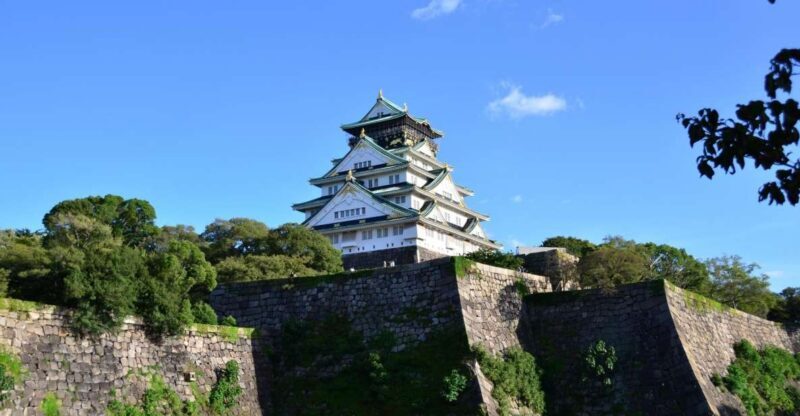
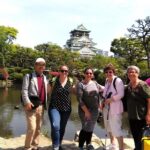
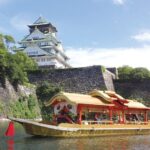
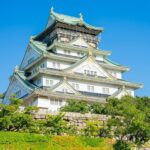
Meet your guide above ground at Exit 2 of Tanimachiyonchome Station. If you arrive by taxi, the meeting intersection is Tanimachi 3-chome, written 谷3交差点. The route begins with Osaka Castle Park, a broad green space around one of the city’s most recognizable landmarks.
You get a guided look at the castle’s exterior, not an indoor visit. That distinction matters if you are hoping to explore the castle museum or its rooms: this tour focuses on the grounds, the building’s imposing outline and the history attached to it.
The guide sets Osaka’s story in the context of Japan’s power struggles around 400 years ago, including the threat that Osaka could be taken from the Japanese. Several guides on the route, including Ferdinand and Oisin, have been praised for connecting castle history to the wider story rather than piling up isolated dates. That context is useful here, where a quick look at stone walls can otherwise feel like a photo stop.
The park visit takes about 75 minutes, the longest scheduled stop. It gives you time to walk and listen, but it is not a leisurely garden visit with hours to wander. Wear comfortable shoes, and expect the day’s pace to pick up once you leave the grounds.
You can check availability for your dates here: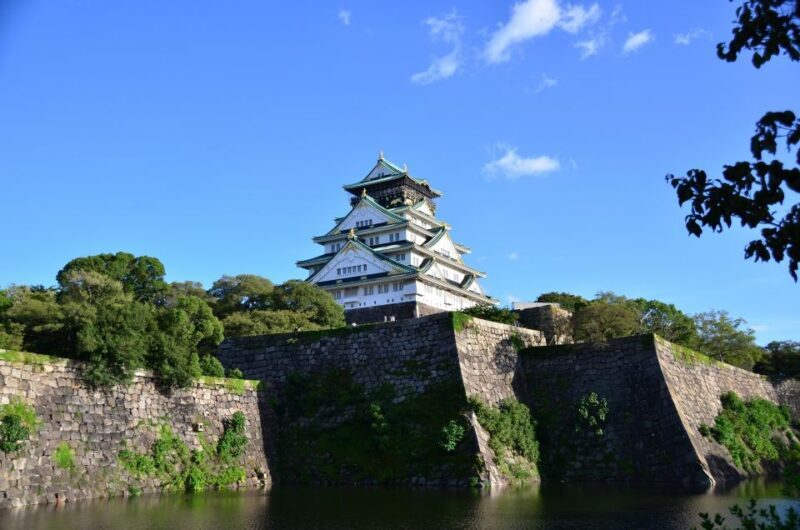
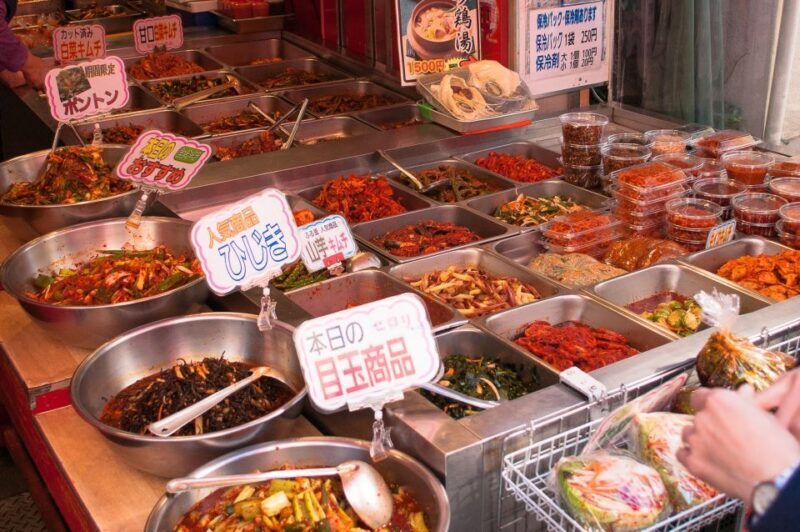
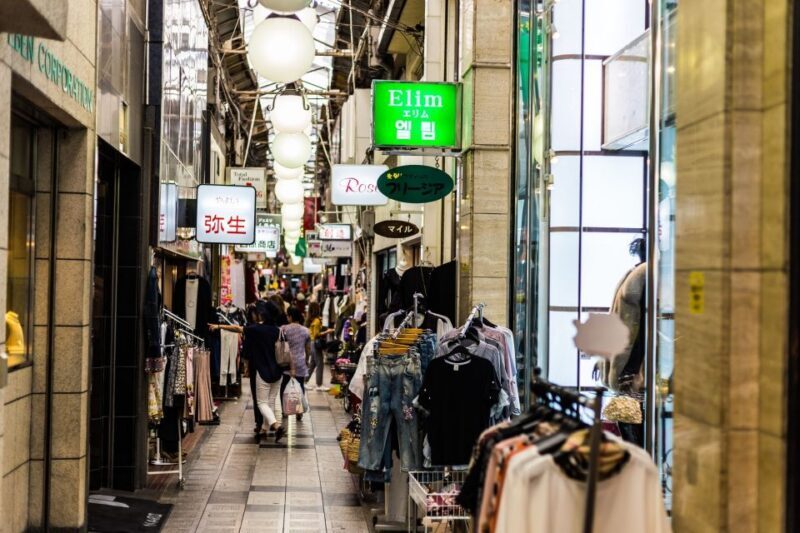
A short public-transport ride takes you to Tsuruhashi, where the tour explores a maze of narrow streets and alleys in a pre-war commercial district. The change of scene is part of the point: you move from the city’s monumental past into a neighborhood shaped by everyday trade and Osaka’s Korean community.
This is one of the stops where a guide adds more than directions. Visitors have found the lanes easy to miss when exploring independently, and guides such as Kevin have used the area to explain how cultures and communities in Japan meet and overlap. Expect street-level observations and historical context, not a formal museum presentation.
The stop is scheduled for about 45 minutes. That is enough for a guided walk and a sense of the area, but not a long shopping session or a full meal. There may be chances to buy a snack along the way, though the tour does not include a planned food stop.
If you enjoy exploring Osaka on foot, these walking tours might also suit your style
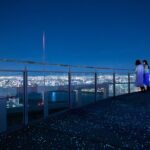
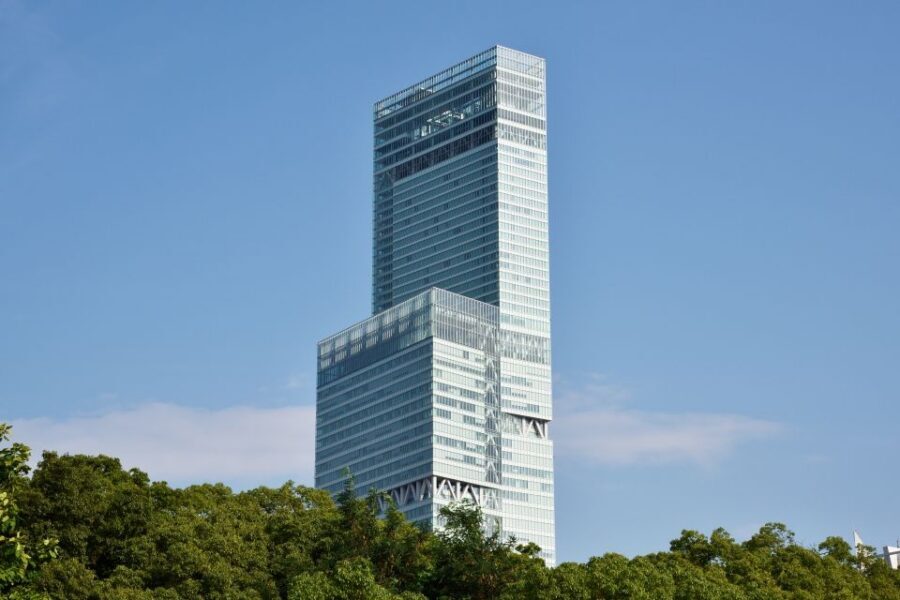
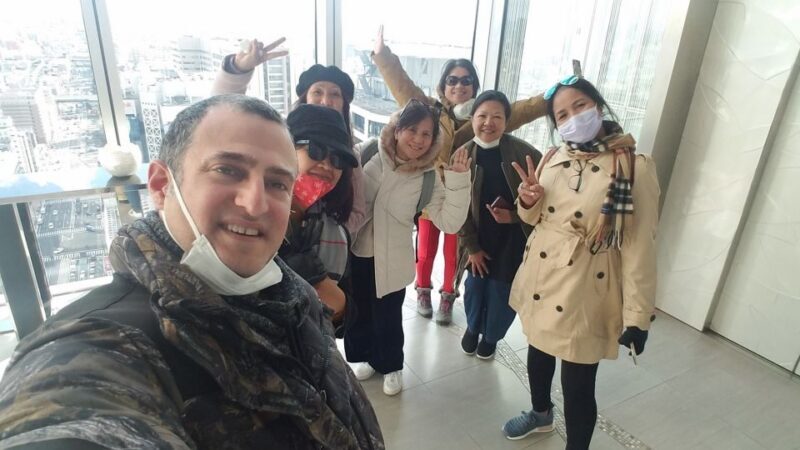
The next public-transport hop brings you to Abeno Harukas, a modern high-rise. From a high floor, you can take in the spread of Osaka from above. After the close quarters of Tsuruhashi’s alleys, the view helps you understand the city’s scale and gives your feet a brief change of pace.
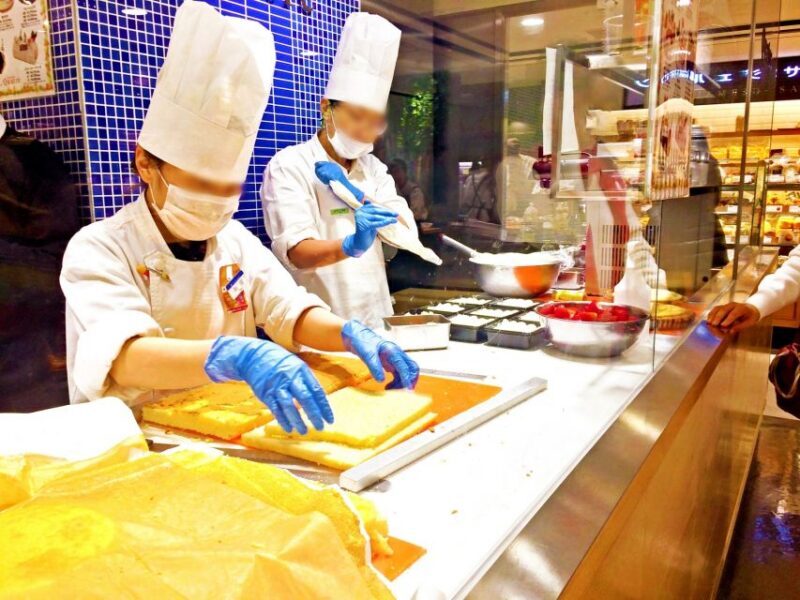
The tour then heads underground to the department store food hall. This is a good place to see how Japanese food is presented and sold, even if you are not ready to buy anything. Expect polished displays of premium ingredients, including puffer fish and Kobe beef.
The stop lasts about 30 minutes, so think of it as a quick look rather than a meal break. Food and drink are not included, and you should not count on time for a sit-down lunch. If you are hungry, the tour allows opportunities to buy snacks here and there, but plan accordingly before you set off.
From Harukas, the route moves to Shinsekai, a traditional district with an older, slightly worn feel. The contrast is useful: Osaka is not only polished department stores and bright entertainment streets. Here, the city’s past remains visible in streets that have not been remade into a sleek shopping district.
Your guide can help make sense of how the district fits into Osaka’s changing social life. The tour gives this stop about 30 minutes, enough for an overview and a look around, rather than an extended exploration. If you are drawn to older urban areas and the traces of past leisure culture, this may be one of the most memorable parts of the route.
The pace through Shinsekai also depends on the group and the day. The tour runs rain or shine, so a wet-weather visit may feel less comfortable in this open street setting. Bring shoes you can walk in and clothes suited to the forecast.
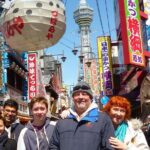
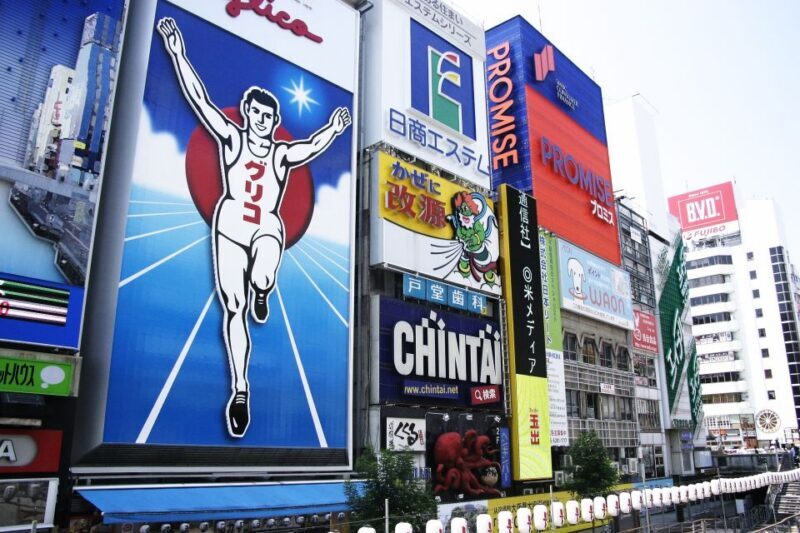
Namba is the city’s present-day center for shopping, eating and entertainment. The route brings you into Dotonbori, often compared with Times Square for its large signs and concentrated energy, then turns into smaller back streets with their own character. The contrast between the main drag and the side lanes is worth noticing: one is built for spectacle, the other rewards a slower look.
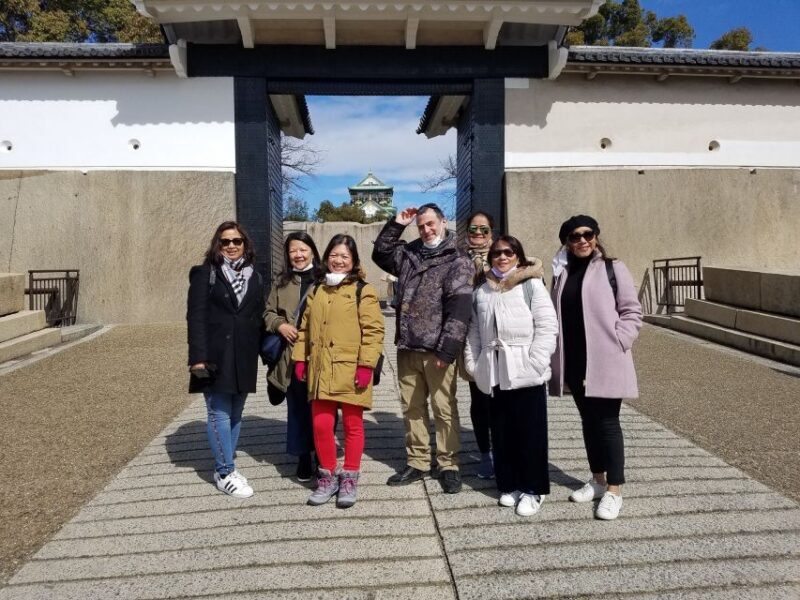
This part of the tour is a practical introduction to an area you may want to return to after the guide finishes. You can ask for suggestions for the rest of your day, and guides including Kevin and Oisin have helped visitors plan what to do next. Several people have also valued guides’ help with photos, so ask if you would like a group shot at a good spot.
The scheduled Namba stop is about 30 minutes, with Dotonbori included in the route but no separate duration specified. You finish at 1-chōme-4-2 Nanba, Chūō-ku, within reach of the district’s shops and restaurants. The exact amount of free time before the finish is not specified, so save a longer meal or shopping visit for after the tour.
More Great Tours Nearby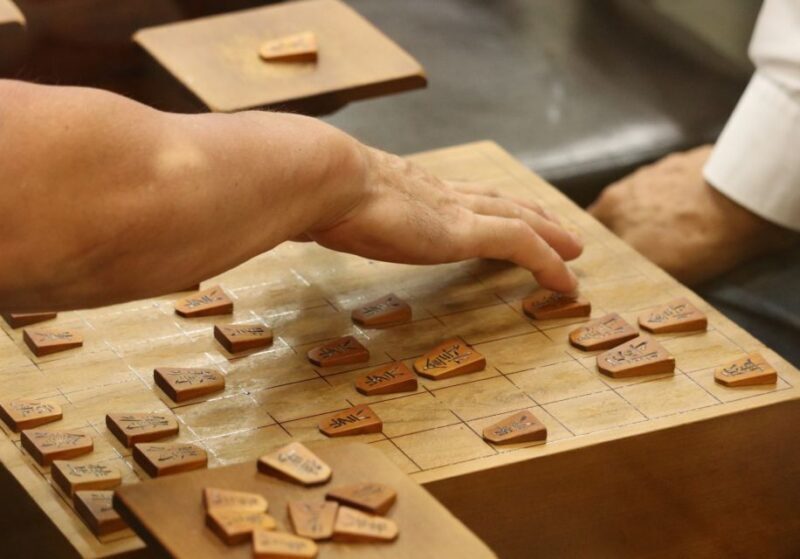
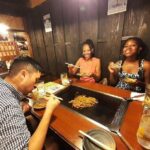
Kuromon Ichiba has served as a fresh fish market for more than 150 years. The walk gives you a look at a food market with a long place in local life, but it is not a guided tasting tour. There is no included food, and the schedule does not promise a meal stop. If you want to sample something, bring a little cash and be ready to buy your own snack when there is an opportunity.
Doguyasuji offers a different kind of food culture. This cooking and kitchen district is known for wax food models, Japanese noren curtains that hang at kitchen entrances and oversized pottery. The displays make it a lively place to browse, even if you are not shopping for restaurant equipment.
The route description includes both markets, though the timed itinerary gives no separate duration for them. Treat them as guided stops within the later Namba portion, not as time to browse every stall or shop at length.
If you prefer having a local expert, these guided Osaka experiences could work well
At $59 per person, the price buys a guide and a four-hour walking tour across several parts of Osaka. Its value is not simply the number of landmarks; it is the way the guide connects a castle park, a Korean neighborhood, a department-store food hall and entertainment streets into one account of the city. If you have only half a day to get oriented, that mix can be more useful than spending the same time moving between sights without context.
Public transport is not included. The tour recommends buying a subway day pass and using it to reach the meeting point and travel during the tour. Set aside money for that pass, plus any snacks or drinks you choose to buy. Hotel pickup and drop-off are also excluded, although central Osaka hotel pickup and port pickup at the Tempozan Ferris wheel can be arranged for an additional 5,000 yen, payable in cash to the guide or by secure payment link.
The tour runs for four hours, but the combination of walking and public transport makes it a substantial outing. One visitor described the day as more than 10,000 steps, so do not mistake the train rides for a mostly seated tour. Reviews of the route often emphasize how much ground it covers, while also noting tired legs by the finish.
The tour is described as wheelchair accessible, but it is also listed as unsuitable for people with mobility impairments. Given the walking, narrow neighborhood lanes and station transfers, that distinction is worth taking seriously. Contact the operator before booking if you have a mobility concern or need details about the route.
The guide is central to the experience. Guides named on departures include Kevin, Ferdinand, Oisin, Bryan, Jamie, Hugo and Ethan. Their styles vary, but the qualities repeatedly associated with the strongest tours are clear storytelling, broad cultural context, patience with questions and useful recommendations for the rest of an Osaka stay.
If you are traveling with children, older family members or a mixed-pace group, tell the guide about your needs. One guide adjusted the route as heat and energy levels changed, and another kept teenagers engaged. That flexibility is valuable in Osaka, where summer heat can make a four-hour walk feel longer than it looks on paper.
You can choose from English, French or Spanish tours. Private or small-group options are available, which may suit you if you want more time for questions or a pace tailored to your party. Starting times vary, so check availability when planning your day.
The tour runs in rain or shine. Pack comfortable shoes and weather-appropriate clothing, and consider the heat if you book during a warm period. There are no scheduled food stops, so eat beforehand if you prefer a proper meal to snacks.
I would book this tour if it is your first time in Osaka, you want a broad introduction in half a day, and you are comfortable walking and using public transport. It is especially useful if you like history but also want to see how the city eats, shops and moves today. The route’s range is its strength: castle history in the morning can sit beside a Korean market street, a city view and the neon charge of Dotonbori.
I would skip it if your priority is entering Osaka Castle, lingering over meals, or exploring each neighborhood at your own pace. The tour moves quickly, and its food stops are for looking and optional snacking, not a planned tasting experience. For $59, though, you get a strong orientation to a city that can be hard to read from its headline sights alone.
If the minimum of two participants is not met, the operator offers three options: move to another date, pay a 4,000-yen solo supplement or receive a full refund. You can cancel up to 24 hours in advance for a full refund, and a reserve-now, pay-later option is available.
“4-hour tour with Ferdinand who narrated the stories around the Shogun period of Osaka Castle. He is a very knowledgeable guide and experienced stor…”
No. The tour visits the park and views the castle’s exterior, but does not include an interior visit.
The guided walking tour lasts four hours. It includes walking and short trips by public transport.
The price includes the guide and walking tour. Public transport, food and drinks are not included.
Meet above ground at Exit 2 of Tanimachiyonchome Station. By taxi, use Tanimachi 3-chome, written 谷3交差点.
The live guide languages are English, French and Spanish.
Hotel pickup in central Osaka and port pickup at the Tempozan Ferris wheel are available for an additional 5,000 yen. Payment can be made in cash to the guide or through a secure payment link.
Bring comfortable shoes. The tour runs rain or shine, so dress for the weather.
The activity is marked wheelchair accessible, but it is also listed as not suitable for people with mobility impairments. Since the route involves substantial walking and public transport, check with the operator about your specific needs before booking.
You can check availability for your dates here: