Physical Address
304 North Cardinal St.
Dorchester Center, MA 02124
Physical Address
304 North Cardinal St.
Dorchester Center, MA 02124

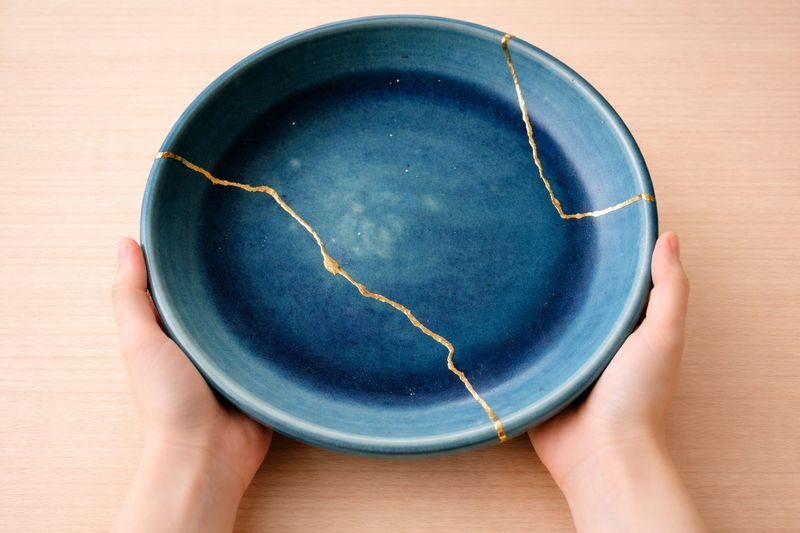
Repair a plate with gold-colored kintsugi in Asakusa, learn the craft’s wabi-sabi roots, and take home a handmade decorative keepsake.
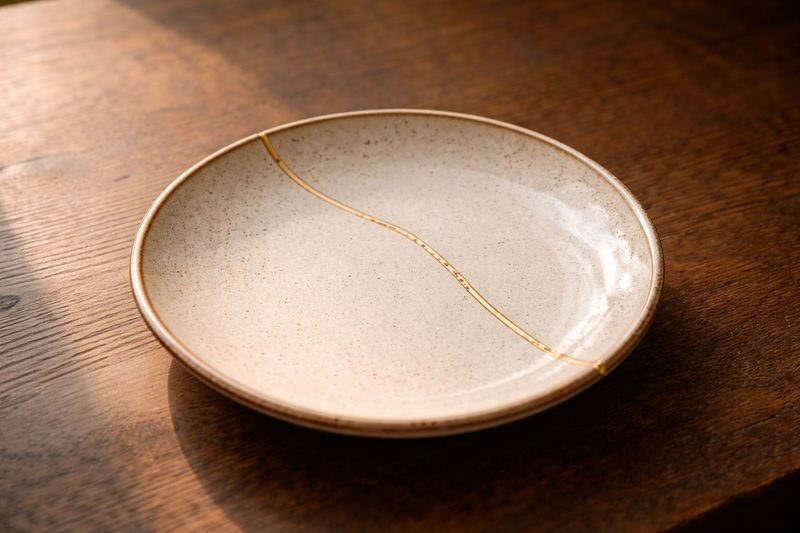
The appeal of kintsugi is simple and striking: instead of hiding a break in a plate, you make the repair part of its story. At this one-hour Asakusa workshop, you’ll try the craft yourself, with an instructor guiding each step and explaining the idea of wabi-sabi, finding grace in imperfection.
I like two things here. First, you get to make something with your hands, not just watch a demonstration. Second, the standard plate is included, so you leave with a personal keepsake without needing to buy an upgrade.
One point needs care: although kintsugi is often described as golden repair, this workshop uses brass powder, not gold powder, and the finished piece is not food-safe. Think of it as a decorative craft session, not a way to restore a plate for serving meals.
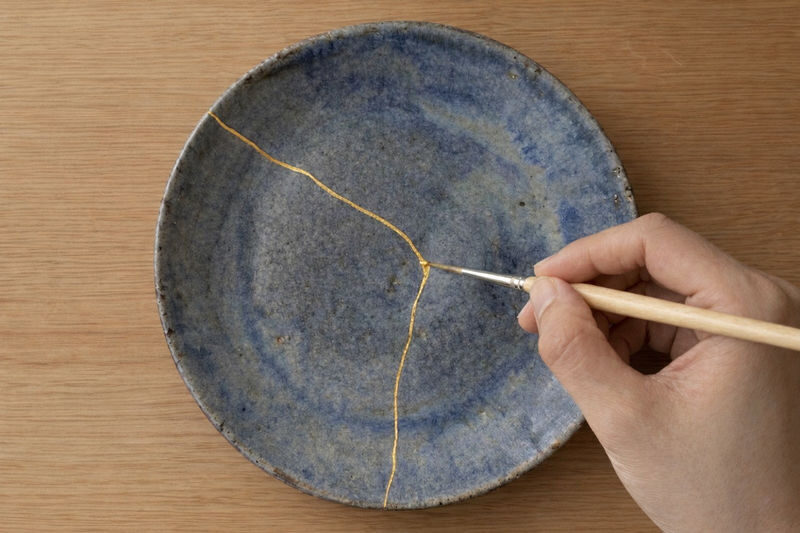
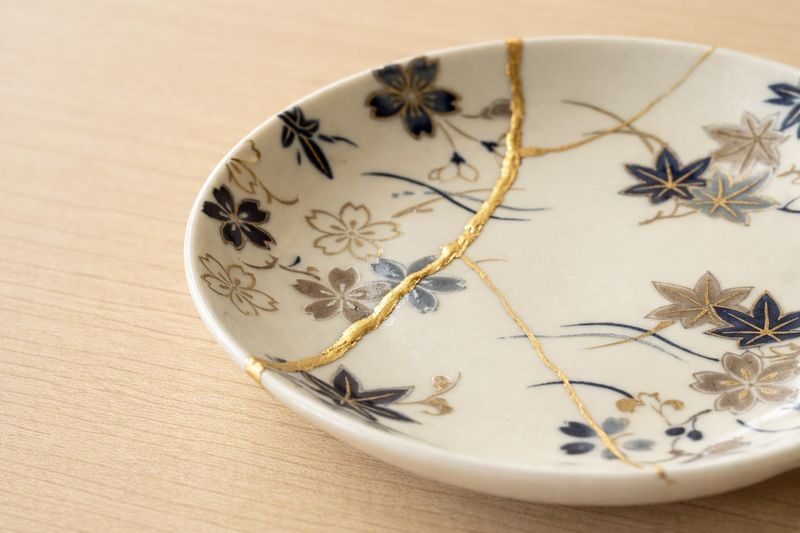
Kintsugi is known for turning a crack or break into a visible feature. The repair line becomes part of the design, rather than something to disguise. That idea gives this workshop more meaning than a simple paint-and-take-home craft: you’re learning a technique tied to a way of seeing wear and imperfection.
The session introduces that idea through a hands-on project. You’ll work on a plate with help from an instructor, using the tools and materials provided. The experience is designed for beginners, and you don’t need to arrive with a broken piece of pottery or any prior craft skills.
There is an important difference between the traditional craft as commonly described and the materials specified for this activity. The workshop’s description refers to lacquer and gold repair, while its material information says brass powder is used. The result may look gold-colored, but it should not be confused with a repair made using actual gold powder.
That distinction matters most when you decide what you want to take home. Your finished plate is a decorative object, not a dish for food. If you’re drawn to kintsugi for its symbolism and want a personal souvenir, that may be just right. If you’re hoping to learn a fully traditional, food-safe restoration method, check the studio’s current technique and materials before booking.
Looking for more options in Tokyo? Here are some other experiences worth considering.
The meeting point is the Asakusa Tosei Building at 1-chome-27-2, Asakusa, in Tokyo’s Taito City. The activity information gives the meet-up point as the ninth floor, while another address detail refers to the tenth floor. The package is also labeled Asakusa Kintsugi on Floor 9, so check your confirmation and follow its instructions when you arrive.
You can choose from departure times between 9 a.m. and 6 p.m. The return times run from 10 a.m. to 7 p.m., with the available return slot depending on your chosen start time and the session schedule. This is a meet-up activity rather than a tour with transport, so plan your route to the building yourself.
Arrive five minutes early. If you’re more than 15 minutes late, you may be asked to reschedule, since a delayed arrival can affect later bookings. That is a sensible reason to avoid cutting your connection or lunch stop too close.
The price starts at $8.29, with one standard plate and the workshop materials included. For a short activity, the low starting price makes this an accessible way to try a Japanese craft and take home something you made yourself. The main caveat is that the starting price does not cover every plate option.
Premium plate upgrades cost extra. One participant described choosing a more decorative wave plate for 5,500 yen, but that is only an example, not a guaranteed current price. Ask about the upgrade cost before you commit, and decide whether the standard plate is enough for you.
Plate choices can vary. In one family’s session, the group chose from eight bowls and plates, but don’t assume that exact selection will be available every time. If a particular shape or look matters to you, confirm the options with the studio rather than counting on a specific design.
I’d view the included plate as the best-value choice if your main goal is to learn the process. Upgrade only if the extra design is worth the added cost to you. The instructor’s help and the chance to make a souvenir are the core of the activity, not the price of the ceramic.
The activity is scheduled for one hour. You’ll meet at the studio, settle in with the materials, and receive instructions from an English-speaking staff member. The instructor then guides you through the repair process, giving you a chance to make the piece yourself rather than simply watching someone demonstrate it.
You’ll be working with a standard plate unless you choose a paid upgrade. The activity description centers on reassembling pottery and applying a gold-colored repair, while the staff help you along the way. The exact details of how a plate is prepared or broken are not specified, so don’t assume that you’ll be repairing a personal heirloom or bringing your own ceramic.
The class also gives you a little context for the craft. Wabi-sabi is the idea of finding beauty in imperfection, and the workshop connects that outlook with the visible repair line. That short cultural explanation can make the finished plate feel more meaningful than a souvenir picked up from a shelf.
The hour is a good fit for a busy Tokyo day because it offers a quieter change of pace. Still, allow some flexibility if you have a tight schedule afterward. The listed duration is one hour, though one attendee described spending about an hour and a half in the activity. Treat the hour as the planned session length, not a promise that every visit will finish at the exact minute.
The most consistent strength of this activity is the teaching. Participants describe staff giving clear, patient, step-by-step help, which is important for a craft that may feel unfamiliar at first. The instructors are also described as friendly and willing to help when someone needs extra guidance.
Several staff names appear across different sessions, including Lika, April, Koko, Noemi, Serena, Betty, Shirin, Tomo, and Mayuki. You can’t assume which instructor will lead your class, but the repeated emphasis on clear explanations and patient assistance is reassuring if you’re a first-time maker.
Some instructors also help capture photos or videos during the activity. That can be a nice extra if you want a record of the process, but it isn’t listed as a formal inclusion. Go for the making experience first, and treat photos as a possible bonus.
Families have also taken part and enjoyed the class together. There is no age limit, though younger participants will likely get the most from it if they’re comfortable following instructions and working carefully. Since staff guide the steps, you don’t need to be an experienced artist to join.
You get to keep the item you make, which gives this activity a personal edge. A plate you repaired yourself can be a better reminder of a trip than another mass-produced trinket, especially if you like crafts or want a hands-on connection to Japanese ideas about beauty and wear.
But remember the safety limit: the finished item is decorative and not food-safe. Don’t plan to use it for meals. You might display it or use it for another non-food purpose, but the workshop information does not specify recommended uses beyond decoration.
This makes the activity a good match for anyone who values the process and story behind an object. It may be less satisfying if you expect a usable plate, a full technical course, or a traditional repair using actual gold. Set those expectations before you book and you’ll have a clearer sense of what you’re paying for.
The activity is wheelchair-accessible, and there is no age limit. It is cashless only, with Visa, Mastercard, American Express, JCB, Diners Club, and Discover accepted. You’ll need to show your mobile voucher, and the booking is valid only for the date and time you selected.
Free cancellation is available if you cancel at least 24 hours before the activity date, using local time in Tokyo. Confirmation is usually issued within minutes. If it doesn’t arrive, contact customer support rather than assuming your booking is complete.
The workshop can be booked for the following day, subject to availability. That flexibility is useful if you want to fit a craft activity into an open spot on your itinerary, but don’t leave your arrival time to chance. The late-arrival rule makes punctuality more important than it might be for a casual drop-in.
I’d recommend it if you want a short, hands-on activity in Asakusa, enjoy making things, or are looking for a souvenir with a story behind it. It also suits families and first-time crafters who appreciate patient guidance and don’t need a long technical course.
It is less suited to you if your main reason for booking is to learn a fully traditional, food-safe repair method using real gold. The materials specified here are brass powder, and the finished plate is for display. That’s not a small footnote; it defines what you’ll take home.
If the craft, the wabi-sabi idea, and the chance to make a decorative keepsake appeal to you, the included plate offers a practical starting point. Confirm the floor and any upgrade prices before you go, arrive early, and enjoy the chance to slow down for an hour in Asakusa.
“i love this, it was an amazing experience and I was greeted by Moana, who was sooo nice btw! I would definitely come back!!”
The scheduled activity lasts one hour. Allow a little extra time in case your session runs longer.
Meet at the Asakusa Tosei Building, 1-chome-27-2, Asakusa, Taito City, Tokyo. The meeting details specify the ninth floor, so check your confirmation for the exact floor instructions.
The starting price includes admission to the workshop, an English-speaking staff member, the tools and materials, and one standard plate. Premium plate upgrades cost extra.
The material information says the workshop uses brass powder. The finished repair is gold-colored, but the activity information does not identify it as real gold powder.
No. The finished item is for decorative purposes only and is not food-safe.
No prior craft experience is specified, and the activity has no age limit. An instructor guides you through the steps.
Yes, the activity is listed as wheelchair-accessible.
Arrive five minutes before your selected start time. If you arrive more than 15 minutes late, you may be asked to reschedule. You can cancel for a full refund at least 24 hours before the activity date, using Tokyo local time.