Physical Address
304 North Cardinal St.
Dorchester Center, MA 02124
Physical Address
304 North Cardinal St.
Dorchester Center, MA 02124

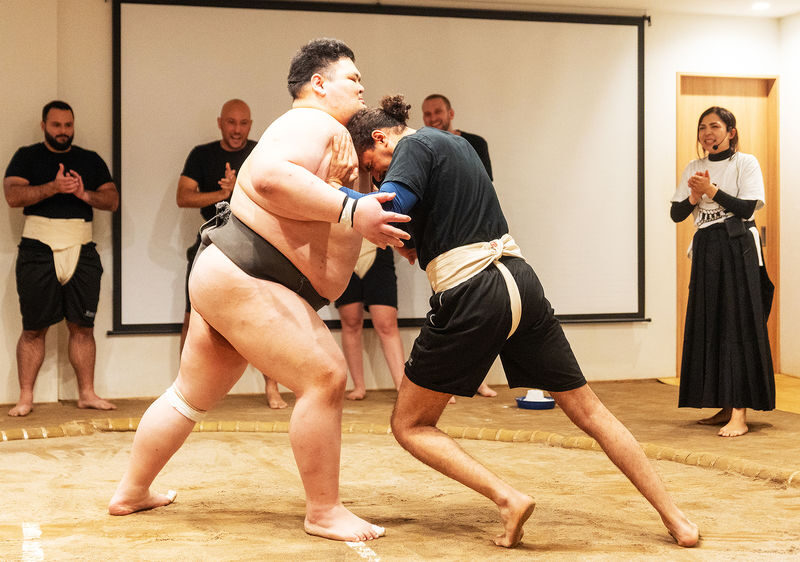
See retired sumo wrestlers demonstrate rituals, training and a live bout in Osaka, with an optional chance to face a wrestler yourself.
Sumo is best understood at close range: the ritual gestures, the hard slap of a foot on the floor, and the startling force of two wrestlers meeting. This Osaka show brings retired wrestlers into a small studio for demonstrations, a live bout, and a chance for you to try the sport yourself.
I like two things in particular: the English explanations make the ceremony and techniques easier to follow, and the audience challenge turns a lesson into a proper bit of fun. Hosts such as Ayano and Sawa have been praised for keeping the room involved, while wrestlers Ryuu and Kai demonstrate the moves with skill and humor.
One consideration: this is a staged entertainment show, not a visit to an active sumo stable or a professional tournament. The challenge is optional and places are limited, and the stated duration varies between one hour and an itinerary of about 90 minutes, so check the timing for your selected session.
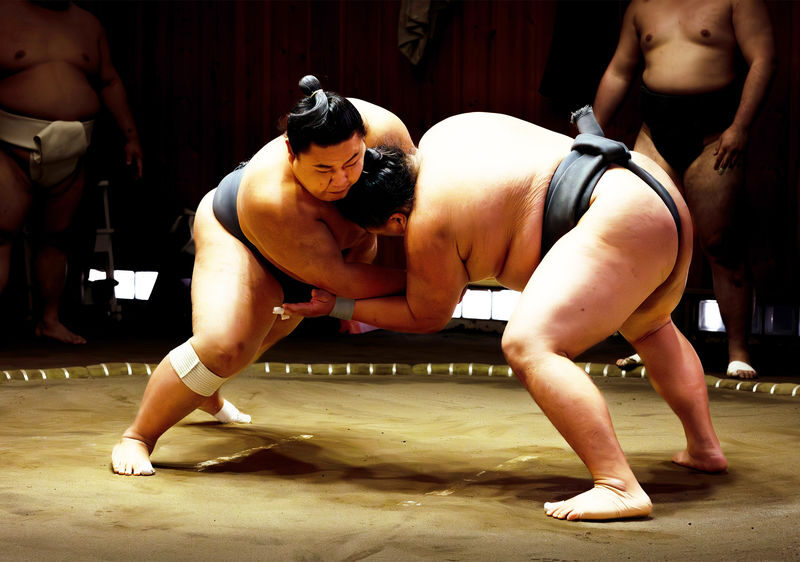
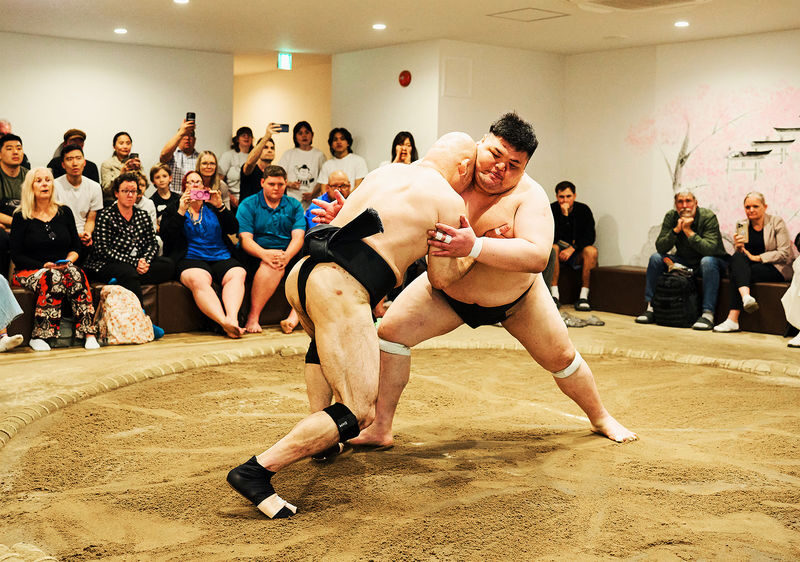
A professional sumo tournament is a very different event from this studio show. Here, the aim is to introduce the sport in a compact, accessible format: an English-speaking host explains what you are seeing, and retired wrestlers bring the movements to life just a few steps away.
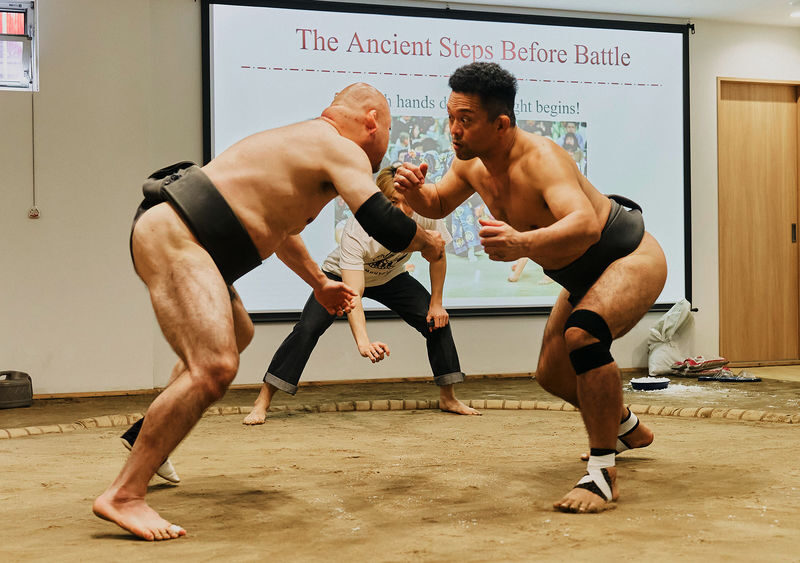
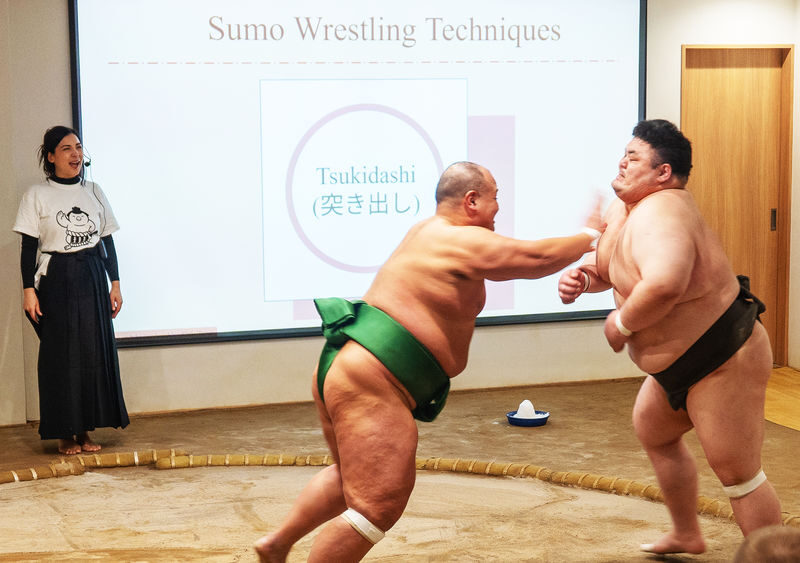
That closeness matters. Sumo can look simple from a distance, two wrestlers push until one loses balance, but the demonstrations reveal how much technique and ritual sit behind that brief collision. You see the wrestlers prepare, perform training routines, and show signature techniques, known as kimarite. Then comes a one-round match, with the sharp opening charge and physical contest happening in front of you.
The show also explains sumo’s ties to Shinto ritual and the values associated with the sport. You do not need prior knowledge to follow along. The host provides context in English, and the mix of explanation, demonstration, and audience interaction helps keep the cultural details from feeling like a lecture.
This is an entertainment presentation by retired wrestlers. If your priority is seeing active wrestlers train, the activity information points you toward stable visits in Tokyo instead. If you want a lively introduction to sumo while you are in Osaka, the studio format is more direct and easier to fit into a day.
You might also be interested in these Osaka experiences
Your visit begins at Sumo Studio Osaka, on the first floor of the Hanazonocho AI Building. The meeting point is directly in front of Hanazonocho Station Exit 4, so the final approach is simple once you reach the station. Look for staff wearing a shirt marked SUMOTORI, and arrive 15 minutes before your chosen start time.
The sessions listed are 10:00, 12:30, 15:00, 17:30, and 20:00. You must attend the time you booked. The available return times vary with the departure slot and show length, so do not assume every session follows the same schedule.
Once inside, the host sets out the basics: where sumo comes from, what its rituals mean, and how a bout is decided. This introduction gives you a useful frame for the action. Instead of seeing only a series of powerful movements, you can watch for preparation, technique, and the ceremonial gestures that shape the sport.
Next, the wrestlers demonstrate training routines and techniques. This is where you can get a sense of the strength and control involved. The show is not simply a succession of matches; the demonstrations break down some of the mechanics so you can see how a wrestler positions himself and uses balance and force.
The central event is a one-round bout between retired wrestlers. It gives you a concentrated look at the speed and impact of a contest, without asking you to spend a full day at a tournament. The match is brief by design, but the surrounding explanation helps you appreciate what is happening before and after the collision.
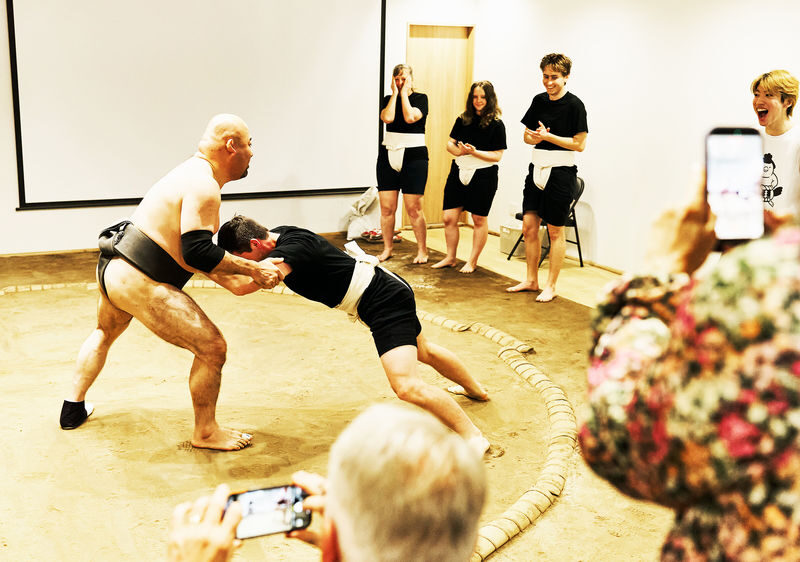
The audience challenge is the most personal part of the hour or so. If you volunteer, you can step into the ring and face a sumo wrestler. It is intended as a fun encounter, not a fair contest of strength. The wrestlers know how to keep the interaction entertaining, and children have taken part too, but limited places mean you should not book on the assumption you will get a turn.
Some show experiences have included a group photo at the end. Treat that as a possible extra moment rather than a guaranteed inclusion in every package, since the listed inclusions focus on the demonstrations, bout, guide, and opportunity to challenge a wrestler.
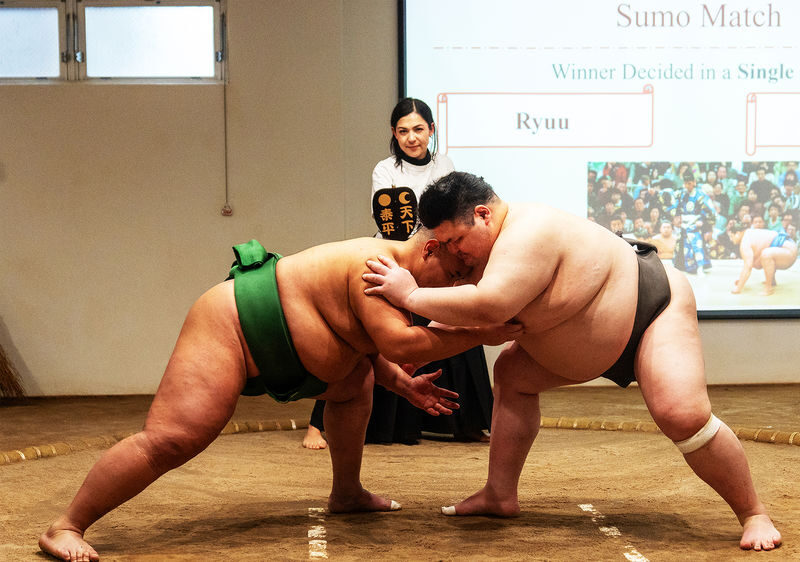
Sumo has a history and etiquette that can be hard to read if you are watching without context. The English-speaking host translates the essential ideas as the show moves along, so you can connect the ritual and training to the match itself.
Hosts named in accounts of the show include Ayano and Sawa. The wrestlers most often identified are Ryuu and Kai. Their roles are complementary: the host explains and draws the audience in, while the wrestlers show how the movements work. The presentation is often described as funny as well as informative, an appealing balance for families and first-time viewers.
That light tone does not make the sport feel like a joke. Instead, it gives the audience room to ask questions, laugh, and participate while still seeing the physical ability involved. If you are curious about sumo but worry that a cultural demonstration might be too formal or difficult to follow, the show’s conversational style should help.
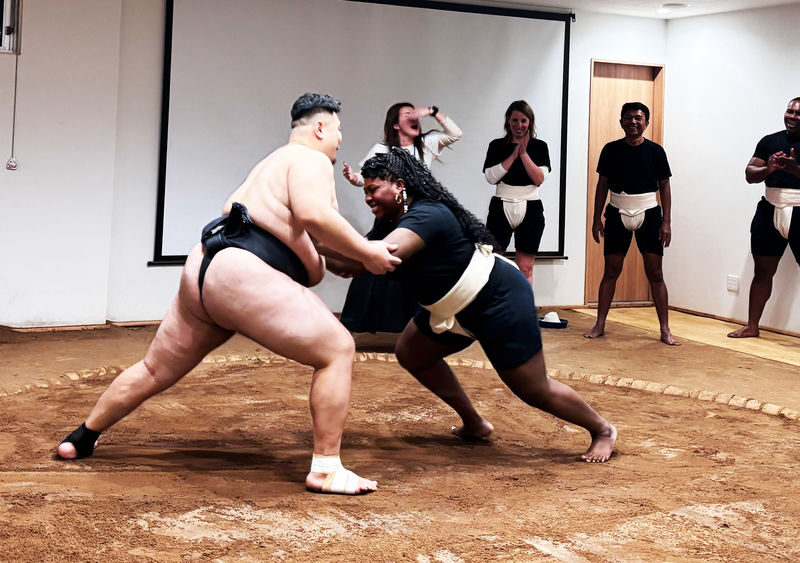
At a starting price of $31.60, this is a good-value choice if you want more than a short performance. You get an English-speaking guide, demonstrations of training and techniques, a live bout, and the possibility of trying a sumo challenge. The price is easier to justify if you value the explanation and interaction as much as the match.
There are several package choices: Daytime Show, Evening Show, Sumo Show with Popcorn Set, and Sumo Experience Plus with a welcome drink, snacks, and a souvenir. The starting price applies to the basic daytime option, and the price and exact inclusions of other packages may differ. Compare the package details before booking if refreshments or a souvenir matter to you.
Meals, beverages, transport, and personal expenses are not included in the base activity. Snacks and drinks may be available, but do not count on them being part of the basic ticket. The experience is held at one address, so you arrange your own way to the studio and onward travel.
The listed duration needs a little attention. The summary calls it a one-hour activity, while the detailed schedule gives the show as one hour and 30 minutes, and some accounts describe a 90-minute presentation. Plan for about 90 minutes rather than building a tight connection or meal booking around a one-hour finish. Your selected session’s confirmation should give the specific timing.
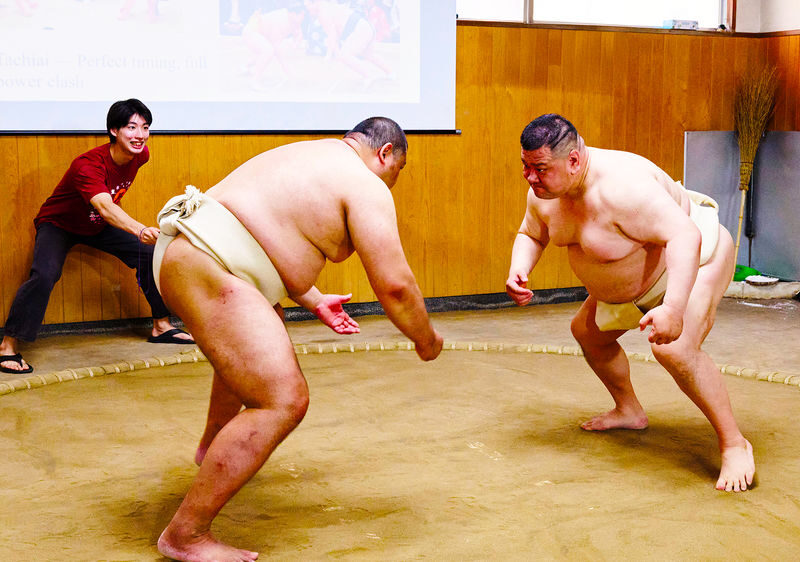
This is a strong fit for families, first-time visitors, and anyone who wants an approachable introduction to a distinctive part of Japanese culture. There is no age limit, and children have been included in the audience challenge. The host-led format also works well for people who want context rather than a match with no explanation.
It can suit a mixed group, too. One person can enjoy the cultural background, another can focus on the action, and a more adventurous member can volunteer for the challenge. You do not have to participate to enjoy the show. Watching from the audience is a perfectly good way to take in the demonstrations and bout.
The main limitation is that the experience is designed as a show. You will not see an active sumo stable or attend an official tournament, and the audience challenge may be full by the time it is offered. If either of those is the central reason for your trip, look for an activity that explicitly offers it.
The address is 1-5-1 Asahi, Nishinari Ward, Osaka, 557-0032, inside the Hanazonocho AI Building. The studio is directly in front of Exit 4 of Hanazonocho Station, which makes the meeting point easy to identify. Allow time to find the staff member in the SUMOTORI shirt, and arrive 15 minutes early as requested.
You can choose among daytime and evening departures, with listed start times from 10:00 through 20:00. Pick the session that fits your day, then keep the booking time in mind: the voucher is valid only for its specified date and time, if one is set. Free cancellation is available if you cancel at least 24 hours before the activity date, using local time.
Booking can be made for the following day, and confirmation is usually sent within minutes. If you do not receive it, contact customer support. Because the experience has limited challenge spots, book with the expectation of watching the show first, not with a promise of getting into the ring.
Book it if you want an entertaining, English-language introduction to sumo with real demonstrations, a live bout, and the chance to test your nerve in the ring. The combination of clear hosting, physical action, and audience participation makes the format especially useful for families and curious first-timers.
Skip it if you are seeking an unfiltered training session with active wrestlers or a professional tournament. For everyone else, the price, easy station access, and focused 90-minute format make this a practical Osaka activity. Choose your package carefully, arrive early, and treat the challenge as a bonus rather than a guarantee.
“this was one awesome experience. I learned quite a lot about Sumo and the culture. Kai and Ryuu also were great with the demonstrations. I want to …”
The activity summary gives a duration of one hour, while the detailed show schedule and accounts of the presentation indicate about 90 minutes. Allow around 90 minutes and check the timing confirmed for your session.
It is on the first floor of the Hanazonocho AI Building at 1-5-1 Asahi, Nishinari Ward, Osaka. The building is directly in front of Exit 4 of Hanazonocho Station.
Listed start times are 10:00, 12:30, 15:00, 17:30, and 20:00. You need to attend the time selected when you book.
Yes. An English-speaking guide explains sumo, its rituals, and its techniques.
There is an opportunity to enter the ring and face a wrestler, but places are limited, so participation is not guaranteed.
No. It is an entertainment show performed by retired wrestlers. For visits to active sumo stables, the activity information points to options in Tokyo.
The listed inclusions are an English-speaking guide, sumo demonstrations, training routines, a single-bout match, and the opportunity to face a wrestler. Transport, meals, beverages, and personal expenses are not included.