Physical Address
304 North Cardinal St.
Dorchester Center, MA 02124
Physical Address
304 North Cardinal St.
Dorchester Center, MA 02124

Walk Nagai Botanical Garden after dark as trees, ponds, wind and light become an open-air teamLab art experience in Osaka.
At Nagai Botanical Garden, night turns ordinary trees, ponds and plants into part of the artwork. Light and sound respond to wind, rain, birds and people, so the garden keeps changing around you. I like that this is art you walk through, not a sequence of screens, and that the natural setting gives the installations room to breathe.
I also like the calm pace: you can linger by a glowing tree or follow light rippling across a pond instead of rushing from one exhibit to the next. The trade-off is that this is an outdoor garden, not a large indoor teamLab museum. Rain can close sections, insects may be out, and the dark paths call for care.
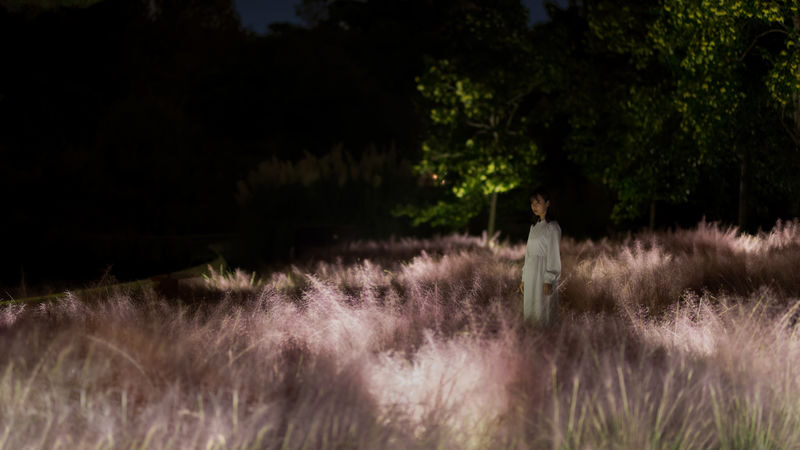
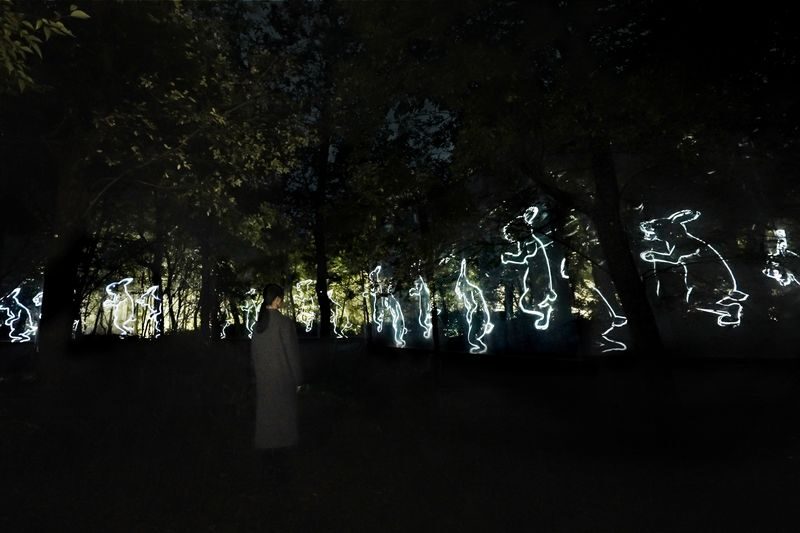
teamLab Botanical Garden Osaka occupies Nagai Botanical Garden, a real, planted garden in Nagai Park. After sunset, projections, lights and sound make the plants and surrounding ecosystem part of the art. The setting is the main difference from an indoor digital-art exhibition: here, the trees are not a backdrop painted onto a wall. They are the subject, the surface and sometimes the trigger.
That outdoor approach has a quieter feel. You walk among the installations, with dark stretches between some of the brighter scenes. Rather than expecting one grand room that fills your field of vision, come ready to notice smaller changes: a tree lighting up as someone approaches, an object shifting in a breeze, or a soft sound carrying across a pond.
The concept also shapes the pace. The works respond to conditions around them, so they are not simply set pieces that look identical from one moment to the next. That makes each stop worth a little patience. If you race through looking for the biggest photo, you may miss the point: the art is designed to share space with the garden, and to change with it.
You might also be interested in these Osaka experiences
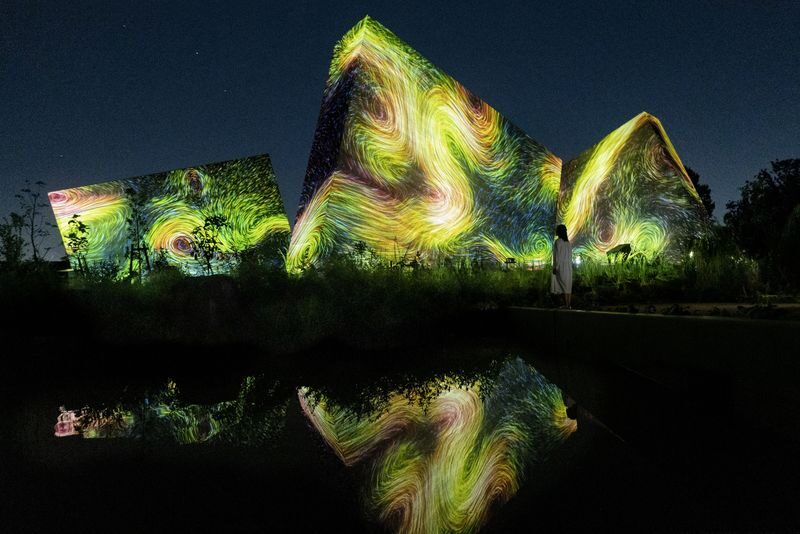
There are about 10 artworks across the site. The precise route and which installations are available can change, but the works offer a good sense of what to expect.
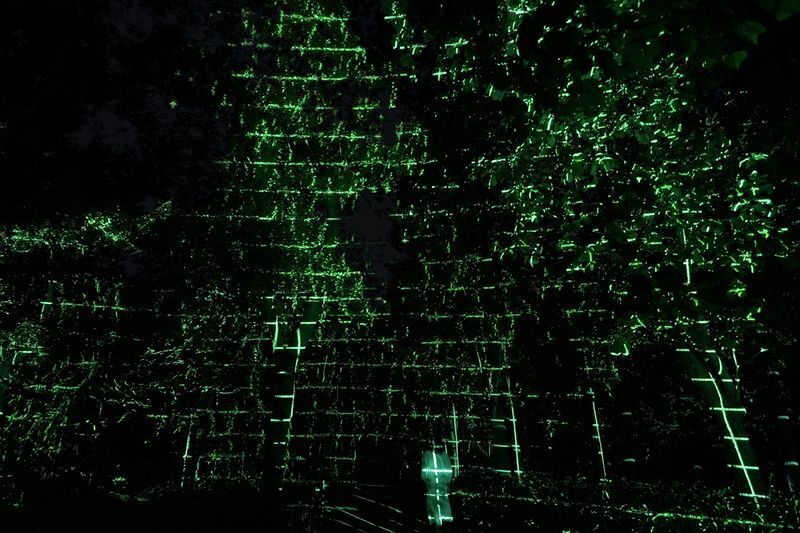
Resonating Trees is among the clearest examples of the garden’s interactive idea. As people pass, trees glow and sound, with the light and tones spreading from one tree to another. It is a simple effect, but the setting gives it depth: the artwork seems to travel through the garden rather than stay put in one display.
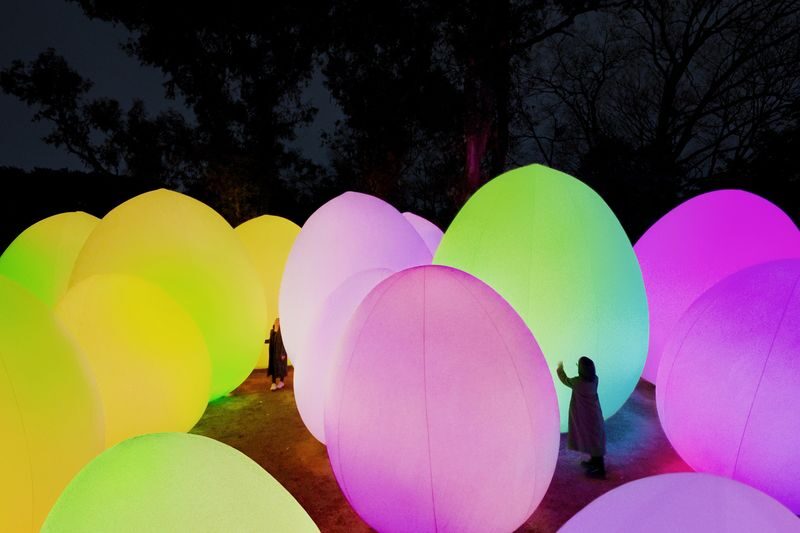
In the Common Camellia Garden, Resonating Microcosms uses ovoid forms that reflect daylight and glow at night. They can shine in 61 colors and respond to touch, wind or rain. This is one of the more hands-on works, though the pleasure is as much in watching a changing field of color as in making it respond yourself.
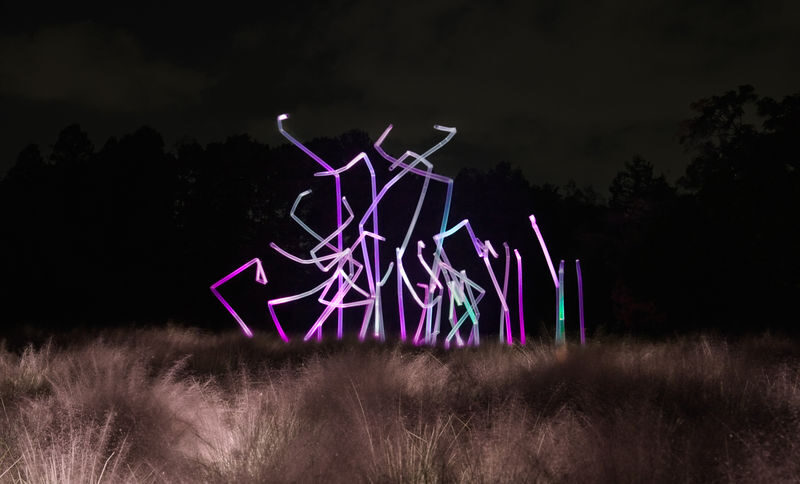
Pillars that Dance with the Wind makes weather visible in another way. Flexible pillars move in response to wind, conditions and people, forming patterns that keep shifting. On a still night, the effect may be subtler. When the air is moving, the installation gives you a direct sense of the garden acting on the art.
The large forms in Sculptures of Dissipative Birds in the Wind appear and fade with the movement of birds. This work draws on the living ecosystem around you, rather than treating nature as a static image. It is a good example of why the experience can feel different from a room full of fixed projections.
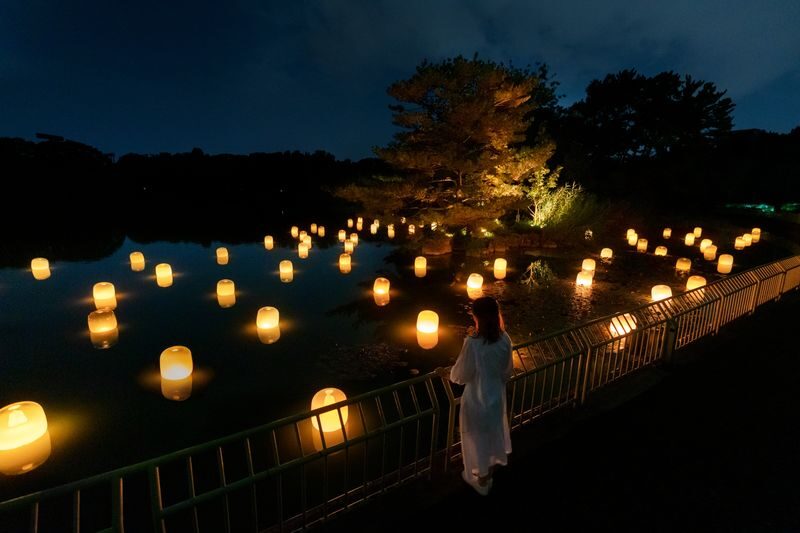
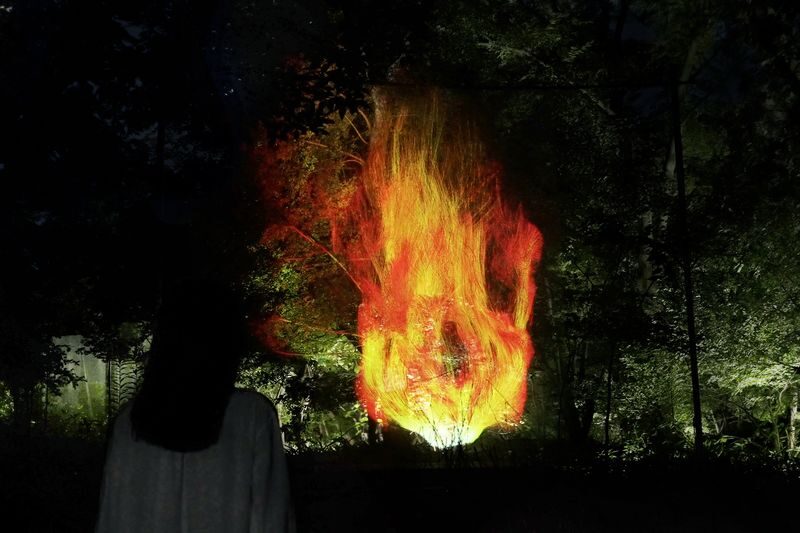
In Life is Flickering Light Floating in the Dark – Cosmos, glowing forms brighten and sound in response to people, sending light outward to reveal others nearby. At Oike Lake, Floating Resonating Lamps on Oike Lake – Fire uses a similar idea across the water. The lamps react to visitors or wind, and ripples of light extend over the lake and toward the trees.
These are not six separate shows with a timed start. They are parts of a larger walk, and you may find that one installation holds your attention longer than another. Some areas can be closed for maintenance, weather or crowding, and the available works can vary by season. Keep your expectations flexible and enjoy the garden as a whole, rather than treating every stop as a must-see checklist.
Plan on 1 to 2 hours. An hour may be enough if you keep moving, but it leaves less time to pause, watch the works respond or take photos. If you want a relaxed evening walk, allow closer to two hours and avoid packing the visit between two tight appointments.
Opening hours change by season. The listed schedule includes evening hours starting at 18:00, with closing times that vary from 21:30 to 22:30. Last entry is generally one hour before closing. Check the official website for the date you plan to visit, since hours and closures can change.
You do not necessarily need to enter at the very start of the evening. The garden needs darkness for the lighting to show well, and the ticket is valid for its selected date and time, if a time is specified. Still, arrive with enough time to make the walk comfortable. During busy periods, you may have to wait outside before entering, so allow a little extra time rather than planning around the final entry slot.
One useful point about the route: the walk may not offer a quick exit from every section. A visitor with a tired child reported having to continue to the end and then return through the garden to leave at the entrance. That may not be the case every night, but it is sensible to pace children and anyone who may tire easily.
Tickets start at $12.65 and cover admission to teamLab Botanical Garden Osaka. Meals, drinks, transportation and personal expenses are not included. At that price, I see the value in getting a distinctive evening activity and a walk through several different art settings, rather than paying for a single short display.
The value depends on what you want from teamLab. If you are after elaborate indoor rooms with large-scale digital effects, this garden may feel modest by comparison. Its appeal is the outdoor setting and the way light and sound interact with the plants and weather. If you enjoy art, nature and an unhurried night walk, the ticket is easier to justify.
Booking provides a mobile voucher for entry, so you do not need to print a ticket. The voucher is valid only for the selected date and time, and you may be asked to show identification. The booking is non-refundable, except if the operator cancels the activity. Changes may be allowed up to two hours before the activity, subject to the booking’s specific terms.
The address is 1-23 Nagaikoen, Higashisumiyoshi Ward, Osaka. From Nagai Station on the Midosuji subway line, it is about 800 meters east from Exit 3. From Nagai Station on the JR Hanwa Line, the walk is about 1,000 meters east from the east exit. Tsurugaoka Station on the JR Hanwa Line is about 1,200 meters away, while Osaka City Bus No. 4 stops at Nagai Higashi, about 400 meters from the garden.
Allow for the walk from the station, especially at night or if you are traveling with children. There is no luggage storage at the venue, and bags longer than 50 centimeters are prohibited. Food and alcoholic drinks are also not allowed inside. Re-entry is not permitted, so take care of meals and anything you need before you enter.
Because the exhibition is outdoors, weather is part of the visit. Rain can change how the art behaves and may lead to sections being closed. That can be atmospheric, but it can also mean seeing less than you expected. If the forecast looks poor, check for current operating information before setting out.
Bring mosquito repellent if you are visiting in warmer weather. This is a garden at night, and insects can be bothersome. Dress for the temperature and expect to walk outside for most of the visit. In busy periods, queues may also form outdoors, so be prepared for heat or cold while waiting.
The paths are dark, with uneven surfaces and some unstable footholds. Wear shoes you can walk in, keep a close eye on children, and do not rush to frame a photo while moving. Flash photography is prohibited, as are tripods, monopods and selfie sticks. The lighting can make good pictures possible, but you will get more from the visit if you pause and watch before trying to capture every scene.
You can download the teamLab app for added information about the artworks and interactive features. It is optional, but may add context and ways to take part. There is no need to use it constantly: the garden’s light, sound and changing surroundings are enough to follow without a phone in your hand.
This is a good fit if you want an outdoor activity after a day in Osaka, like gardens as much as digital art, or prefer a calmer pace to a noisy attraction. Families can find things to enjoy at different ages, but children from 0 to 15 must be with an adult aged 18 or older. Each adult may accompany up to three children, and the venue asks parents and guardians to supervise children closely because of the dark paths.
Wheelchair and stroller access is available, though unpaved areas mean not every artwork can be reached or experienced. Some works may include flashing lights or loud sounds, so keep that in mind if you or someone in your group is sensitive to them. Pets are not allowed, except service animals with valid identification.
If you have already visited other teamLab sites, approach Osaka on its own terms. It is an outdoor botanical garden, not an indoor collection of rooms. Some people find the lights, trees and glowing forms beautiful and calming; others may feel the installations are too similar or less elaborate than expected. Knowing that difference beforehand is the best way to avoid comparing the wrong things.
Book it if you want a gentle, unusual night walk where nature is part of the artwork, and you have enough time to explore without rushing. The trees, lake and reactive light installations make a memorable change from indoor attractions, especially if the weather is good.
Skip it, or keep it low on your list, if you have little time in Osaka, dislike walking outdoors at night, or expect a grand indoor teamLab production. The price is fair for a 1 to 2 hour visit, but the experience depends on weather, available installations and your interest in a quiet garden setting. Check the hours and conditions before you go, wear sensible shoes, and bring repellent when mosquitoes are likely.
“Very surprising. It is very relaxing.”
Plan for about 1 to 2 hours. Your visit may take less time if you move quickly, or longer if you stop to watch the installations and take photos.
It is inside Nagai Botanical Garden at 1-23 Nagaikoen, Higashisumiyoshi Ward, Osaka.
From Nagai Station on the Midosuji subway line, walk about 800 meters east from Exit 3. From Nagai Station on the JR Hanwa Line, walk about 1,000 meters east from the east exit.
Hours vary by season. The listed evening schedule starts at 18:00, with closing times of 21:30 or 22:30 on different dates. Check the official website for current hours and last entry.
Works include Resonating Trees, Resonating Microcosms in the Common Camellia Garden, Pillars that Dance with the Wind, Sculptures of Dissipative Birds in the Wind, Life is Flickering Light Floating in the Dark – Cosmos, and Floating Resonating Lamps on Oike Lake – Fire. The available works may change.
No. Tickets are non-refundable, except if the operator cancels the activity. Booking changes may be allowed up to two hours before the activity, subject to the booking terms.
Yes. Children aged 0 to 5 can enter free. Children aged 0 to 15 must be accompanied by an adult aged 18 or older, and each adult may accompany up to three children.
Yes, but some areas are unpaved, and some artworks may not be accessible by wheelchair.
No. Re-entry is not allowed after you leave the venue.