Physical Address
304 North Cardinal St.
Dorchester Center, MA 02124
Physical Address
304 North Cardinal St.
Dorchester Center, MA 02124

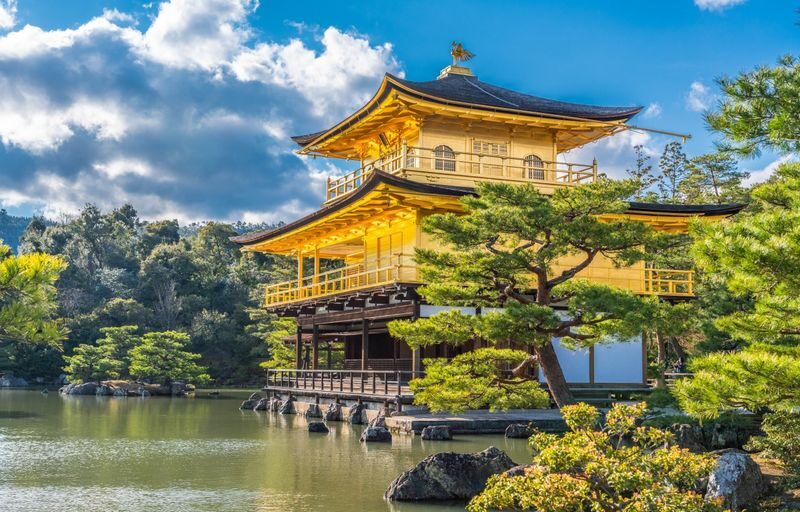
Compare Katsuoji’s Daruma wishes, Arashiyama’s bamboo paths and Kinkaku-ji on a guided day trip from Osaka or Kyoto.
Katsuoji Temple is the day’s unusual opener: a hillside temple known for good-fortune prayers, where Daruma dolls appear throughout the grounds. You can make a wish as you paint one eye, then fill in the other when it comes true. It gives this busy sightseeing day a personal ritual, not just another photo stop.
I like two things about this route. First, it links places that are awkward to combine by public transport in one day, especially Katsuoji and Arashiyama. Second, the guides add useful context and practical help, with guide names on different departures including Apple, Tina, Amanda, Nox and CC. Their approach can make the stops easier to navigate and the ride feel less like dead time.
The trade-off is a full schedule. Arashiyama has several sights packed into one stop, and you may have to choose between a proper meal, shopping and seeing everything. Traffic and weather can also change the pace, so this suits you better if you value convenience over lingering.
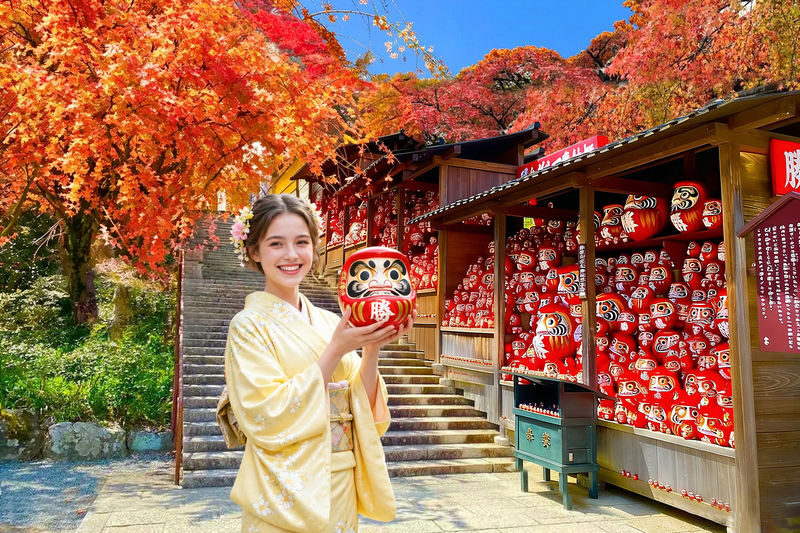
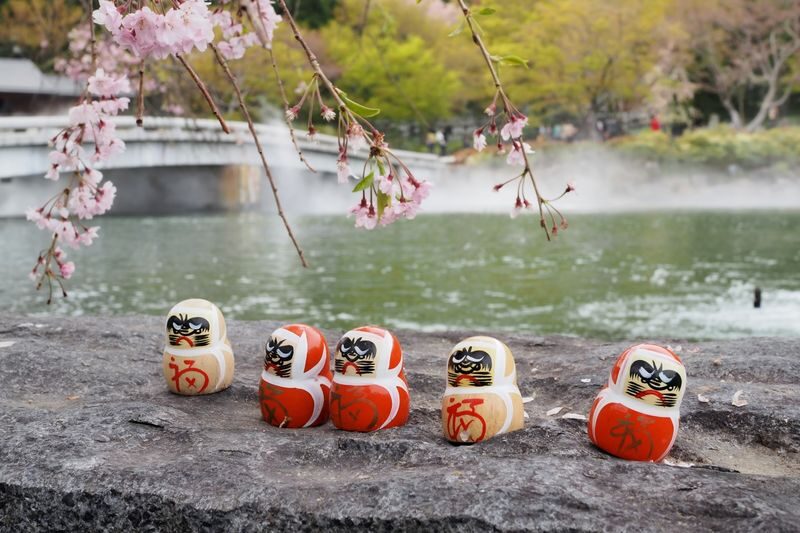
The day starts at Katsuoji, a temple with more than 1,300 years of history and a reputation as a place to pray for success and good fortune. The visual signature is the Daruma, a round, red figure associated with persistence and wishes. Small dolls appear around the temple grounds, giving the visit a playful detail amid the spiritual setting.
The eye-painting custom is straightforward: make your wish as you paint one eye, then complete the other after the wish comes true. This is a symbolic practice, not a guaranteed result, of course, but it gives you a reason to pause and take part rather than simply walk through. If you want to bring a Daruma home or make a wish, allow a little time for the temple’s customs and displays.
You get about an hour here, including the time needed to enter and look around. That is a useful introduction, though you should not expect to explore every corner at a slow pace. The grounds and setting are a large part of the appeal, so wear shoes you can walk in and keep your camera ready.
Admission is not included. The stated price is around JPY 500, subject to change. You will also need to cover any personal purchases yourself.
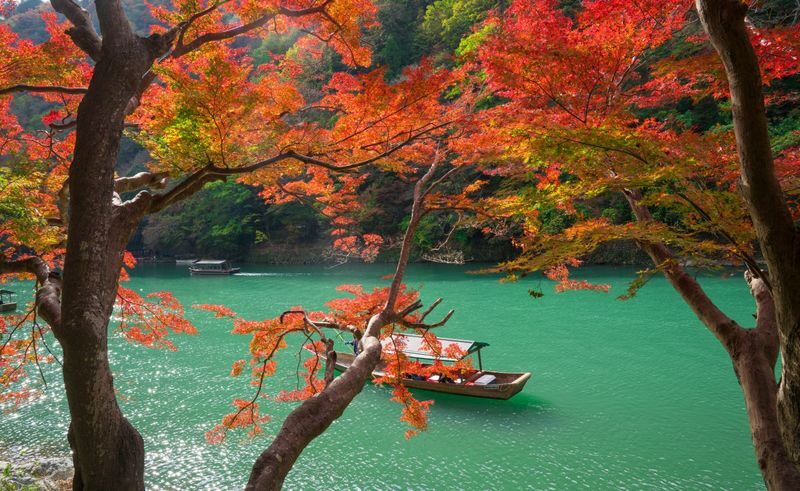
The tour allows about two and a half hours for Arashiyama, a scenic area of river, mountain views, temples and well-known walking routes. That sounds generous until you spread the time across Togetsukyo Bridge, the Bamboo Grove, Kimono Forest, Nonomiya Shrine and Tenryu-ji. You may have to decide what matters most before you arrive.
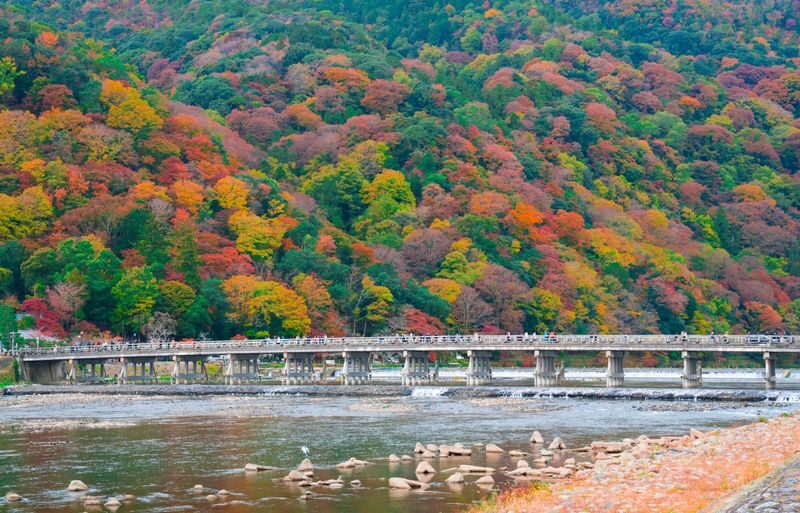
Togetsukyo Bridge is a natural place to begin. It crosses the river against a backdrop of wooded hills, and the view changes with the season. The bridge itself is a landmark and a good spot for photos, but it is also a route through the area, so expect other people sharing the view.
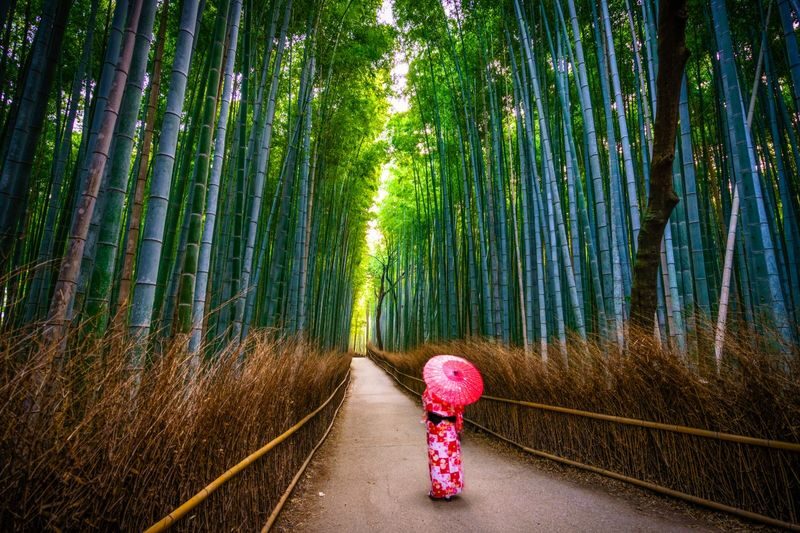
The Bamboo Grove is the image many people have in mind before coming to Arashiyama. The tall stalks and filtered light make for a striking walk, especially when you take a moment to notice the sound of the leaves. The path is a public sightseeing route, not a private forest trail. If you are hoping for a quiet, solitary stroll, the limited time and popularity of the area may make that hard to achieve.
Kimono Forest offers a different kind of stop. Its transparent pillars display patterned kimono fabric, making a vivid contrast with the greenery and temple architecture elsewhere in Arashiyama. It is a compact attraction, so you can take a look without using a large share of the stop. The displays are also a reminder that Arashiyama is not only about old temples and natural scenery.
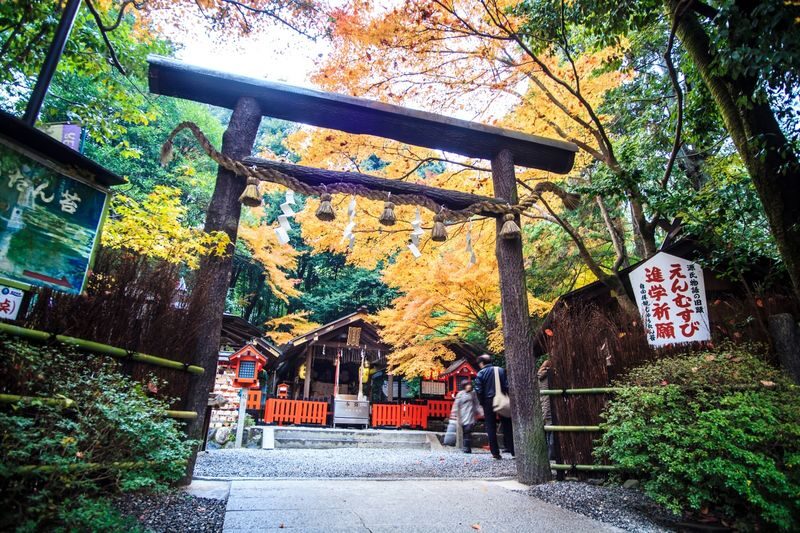
Nonomiya Shrine is associated with prayers for love, health and happiness. You can write a wish on an ema, a wooden votive tablet, if you want to take part. Tenryu-ji, a Zen temple with the Sogenchi Garden, is also included in the tour description, with an additional admission fee of about JPY 500. The timed route, however, does not give Tenryu-ji a separate stop or duration. Ask the operator which places your departure will visit and how much time is planned at each.
This is where the tour’s pace matters most. A two-and-a-half-hour block can make a satisfying sampler, but it is unlikely to leave room for long shopping breaks, a sit-down meal and every sight at an unhurried pace. Some people choose to skip a restaurant meal to use more of the time for walking; others will be happier keeping lunch simple and taking a breather.
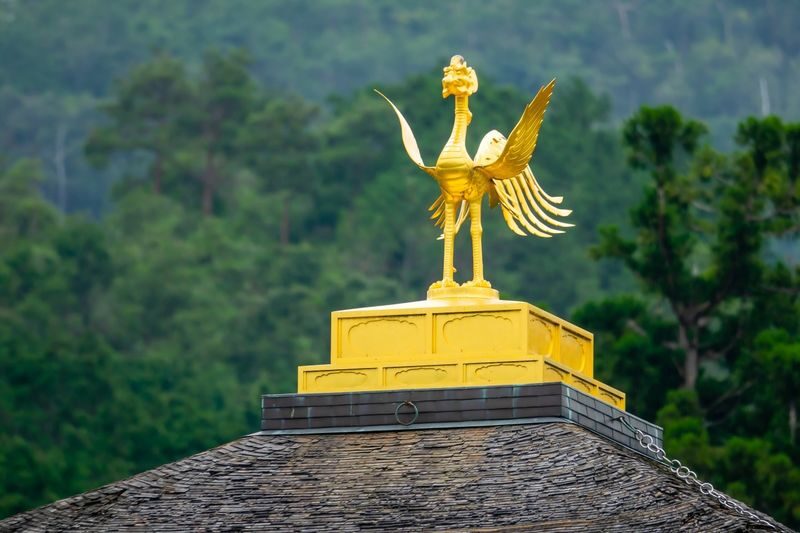
The final major sightseeing stop is Kinkaku-ji, or the Golden Pavilion, a World Heritage site built in its original form in 1397. The building’s gold-leaf exterior reflects over Kyoko-chi Pond, creating the view that makes this temple one of Kyoto’s best-known sights.
You have about 45 minutes here. That gives you time to follow the main visitor route and see the pavilion from the pond, but it is not a long visit. The grounds are arranged around a defined path, so you will be moving with the flow of people rather than choosing your own route through the site. If you want to take photos, do so as you go, and keep an eye on the meeting time.
The admission fee is extra, around JPY 500, with prices subject to change. As with Katsuoji, the temple ticket is not part of the tour price. Kinkaku-ji’s strong visual impact makes it a fitting end to a day built around famous sights, though a short stop cannot replace a slower visit.
A nine-hour group tour saves you from arranging separate rides between Osaka, Katsuoji, Arashiyama and Kinkaku-ji. Round-trip transfers, tolls, parking and fuel are included, and that convenience is a real part of the value. The coach also gives you a place to rest between stops, useful after a day on your feet.
The trip is a meet-up departure, with options from Osaka or Kyoto stations and, for one package, Osaka hotel pickup. There are 08:00 and 09:00 departure times in the provided meeting information, so check the exact time attached to the option you book. Be at your meeting point 15 minutes early. The stated return windows are 17:00 to 18:00 at Kyoto Station and 18:00 to 19:00 at Osaka’s Kintetsu Nipponbashi Station. Traffic may shift the schedule.
Route details matter if you are choosing a departure city. One Osaka hotel pickup option may collect people in Kyoto before heading onward, which can add time in the vehicle. If you are sensitive to long transfers, compare the station departure choices rather than assuming every package follows the same route.
Guides are offered in English, Chinese, or both, depending on the package. Names vary by departure; Apple, Tina, Amanda, Nox, CC and Charles are among the guides associated with trips. The most useful contribution is often practical: clear meeting instructions, reminders about where to return to the vehicle, and explanations that help you understand what you are seeing. Some guides send updates through a group chat or messaging app, but you should check your email the evening before for the guide information and any joining details.
At a starting price of $43.70, this can be a good deal if you want transport and a guide to connect several sights in one day. You avoid coordinating multiple train and bus legs, and you get a planned route with help keeping the group on schedule. For a short stay in Kansai, that can be worth more than the lowest possible transport cost.
Still, the starting fare does not cover everything. Budget separately for Katsuoji and Kinkaku-ji admission, about JPY 500 each, and for Tenryu-ji if it is included in your departure’s route, also about JPY 500. Meals, drinks and personal spending are extra. The tour information does not state the price of any Daruma or ema you may choose to buy.
The value depends on how you like to travel. If your goal is to see several headline sights without handling the transfers yourself, it is strong. If you prefer slow temple visits, long lunches, browsing shops or choosing your own route, the guided schedule may feel restrictive.
I would consider this tour if you are staying in Osaka or Kyoto, want an easy way to cover several places, and are comfortable with a busy day. It is especially useful if you want to see Katsuoji and Arashiyama together without planning each connection. The guided format also helps if you value explanations and reminders as much as transport.
It is less suited to anyone who wants to spend half a day in Arashiyama alone, needs a flexible lunch break or dislikes fixed departure times. The itinerary involves walking at multiple sites, and no child seats are available. The activity information also advises against participation for children aged zero to one, women more than one month pregnant and people with accessibility needs. Infants and children must be included in the passenger count.
Check the package language, pickup point and exact stop list before booking. Free cancellation is available up to 24 hours before the activity date, and changes are allowed until 24 hours before the start, subject to the stated booking restrictions. The voucher is valid only for the booked date and time.
“Tour guide Allen gave very detailed explanations in both Chinese and English! Throughout the trip, he introduced the history, culture, and key info…”
The activity is listed as a nine-hour tour. Departure options are shown at 08:00 and 09:00, and return times are listed as 17:00 to 18:00 at Kyoto Station or 18:00 to 19:00 at Osaka Kintetsu Nipponbashi Station. Traffic and weather may affect the schedule.
Round-trip transfers from the selected meeting location, tolls, parking and fuel are included. Temple admission, meals, drinks, personal expenses and insurance are not included.
The stated approximate fees are JPY 500 each for Katsuoji, Kinkaku-ji and Tenryu-ji. Prices may change. Check current official prices before your visit.
Both are named in the tour description, but the timed itinerary does not give them separate visit durations. Confirm the exact stops with the operator for your selected departure.
Package options include English-speaking, Chinese-speaking, and English and Chinese-speaking guides. Check the language option when booking.
Options include meeting at Osaka or Kyoto stations, as well as an Osaka hotel pickup package. The exact meeting place and departure time depend on the package you choose.
The stated luggage allowance is two standard-sized pieces. Child seats are not available.