Physical Address
304 North Cardinal St.
Dorchester Center, MA 02124
Physical Address
304 North Cardinal St.
Dorchester Center, MA 02124

Visit Katsuoji, Arashiyama and Fushimi Inari in one day from Osaka, with bilingual guidance, free time and a Kyoto drop-off option.
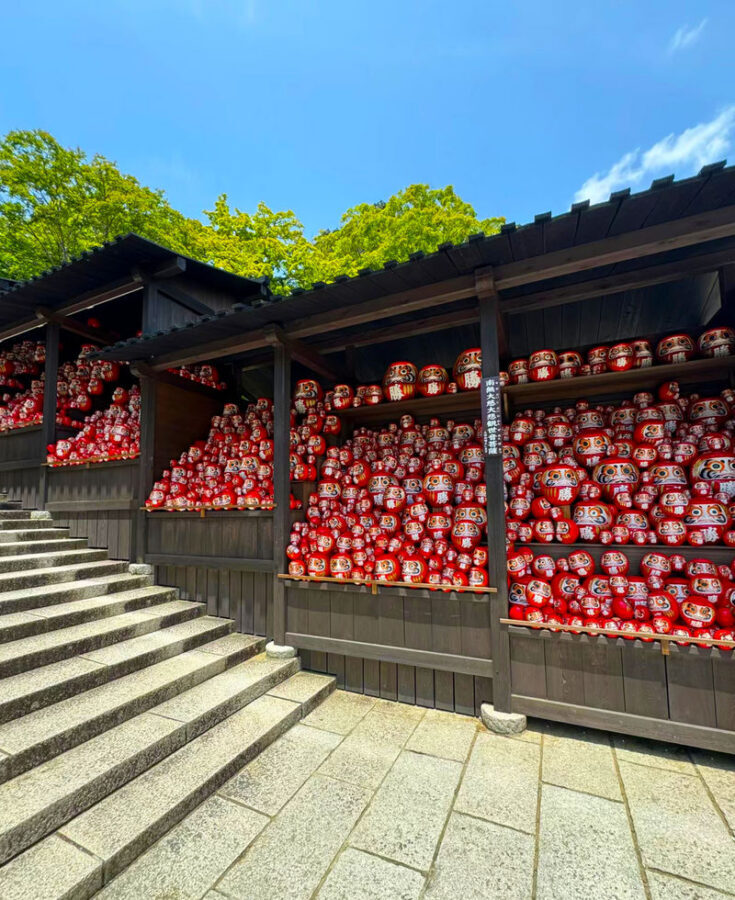
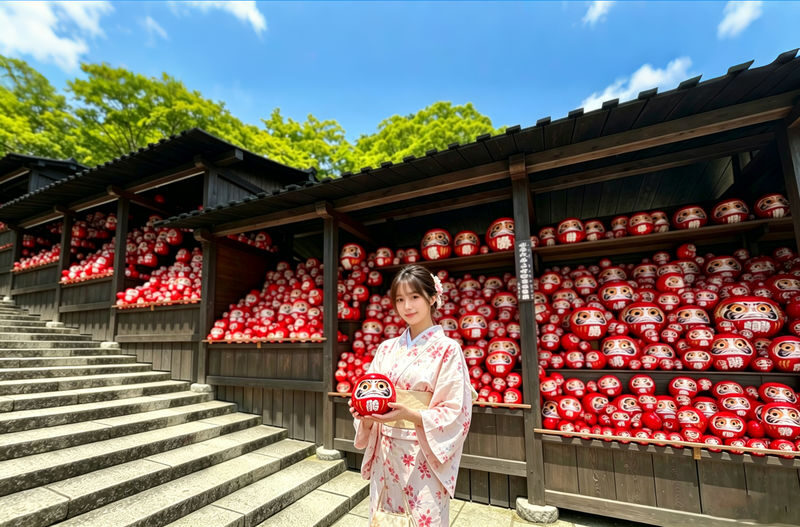
Katsuoji’s hillsides are dotted with red Daruma dolls, then the day shifts to Arashiyama’s river and bamboo paths before ending beneath Fushimi Inari’s long rows of vermilion gates. This tour packs three very different sides of Kyoto into one bus day, with an English- or Chinese-speaking guide and time to explore each stop on your own.
I like the mix of Katsuoji’s distinctive Daruma displays and the freedom to wander at Arashiyama and Fushimi Inari. I also like the option to finish in Kyoto instead of returning to Osaka, which can save you a separate trip if your plans are heading that way.
The trade-off is a full schedule with limited time at each place, and the title can give the wrong idea: the Arashiyama scenic railway is not included, and Nara is not on this route. Traffic, weather and crowds can shorten or rearrange stops, so treat the timetable as a plan, not a promise.
This is a practical way to connect three sights that sit in different parts of the Kyoto area. Instead of planning separate rail and bus connections, you ride between Katsuoji, Arashiyama and Fushimi Inari in one shared vehicle. That convenience matters most if you are staying in Osaka, have only one day for Kyoto highlights, or would rather spend your energy walking than managing transfers.
The route also gives you a useful change of pace. Katsuoji is a temple visit with a playful visual identity, Arashiyama pairs cultural sights with riverside and wooded scenery, and Fushimi Inari is an active shrine walk. The day is not a slow, detailed tour of Kyoto. Think of it as a sampler, with a guide to orient you and free time to choose what matters most at each stop.
At $44.89 to start, the price is attractive for a day with round-trip transport, tolls, parking and fuel included. You still need to budget for Katsuoji admission, meals and drinks, personal purchases, and any Arashiyama train ticket you decide to buy. The main value is the transport and the ability to cover several far-apart stops without building the route yourself.
Looking for more options in Kyoto? Here are some other experiences worth considering.
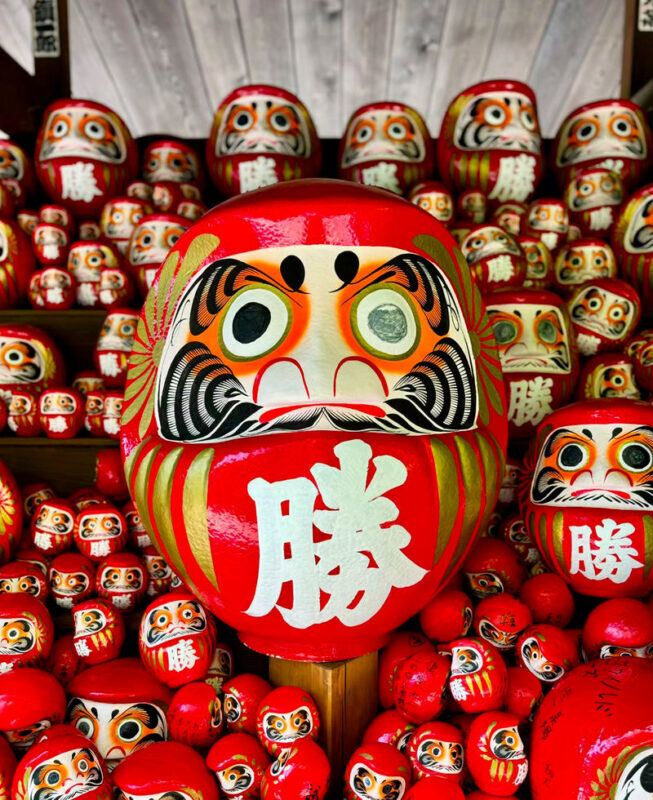
The day begins at Katsuoji, known for its red Daruma dolls and prayers for victory and good fortune. You have 80 minutes here. That is enough for a focused visit and photos, but not a long, unhurried temple ramble.
The Daruma figures give the grounds a look unlike the more restrained temple settings you may see elsewhere in Kyoto. They are a central part of the visit, not a small detail to spot on the way out. If you enjoy symbolic objects, colorful displays and a temple setting with a strong visual character, this is likely to be the stop that makes the tour feel less like a standard Kyoto checklist.
Admission is 500 yen per person and is not included. Bring cash or another suitable payment method, and remember to account for the fee when comparing the tour’s starting price with a self-planned day. The schedule describes the stop as a Daruma experience, but the main promise is time at Katsuoji itself, not a separate, guaranteed workshop.
The early stop may help you get ahead of later crowds, but the operator can change the timing due to traffic or weather. Wear shoes that are comfortable for walking around temple grounds, and keep an eye on the meeting time. The bus will not wait indefinitely if you lose track of the clock.
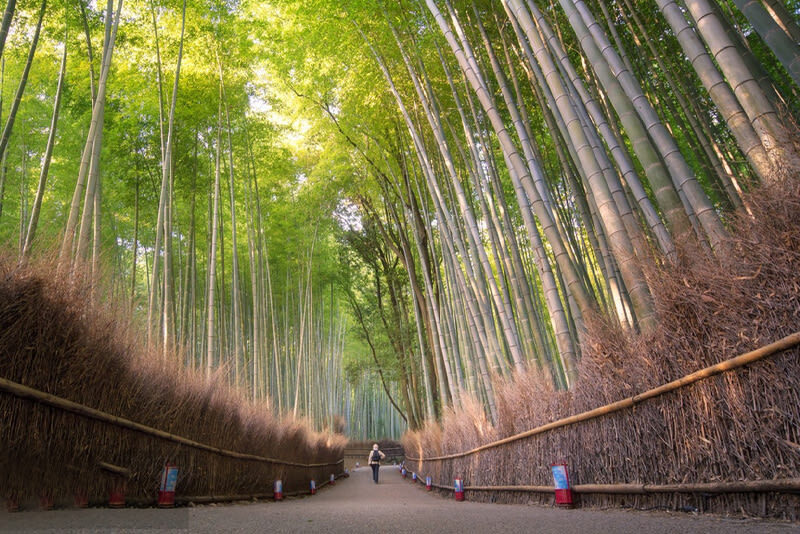
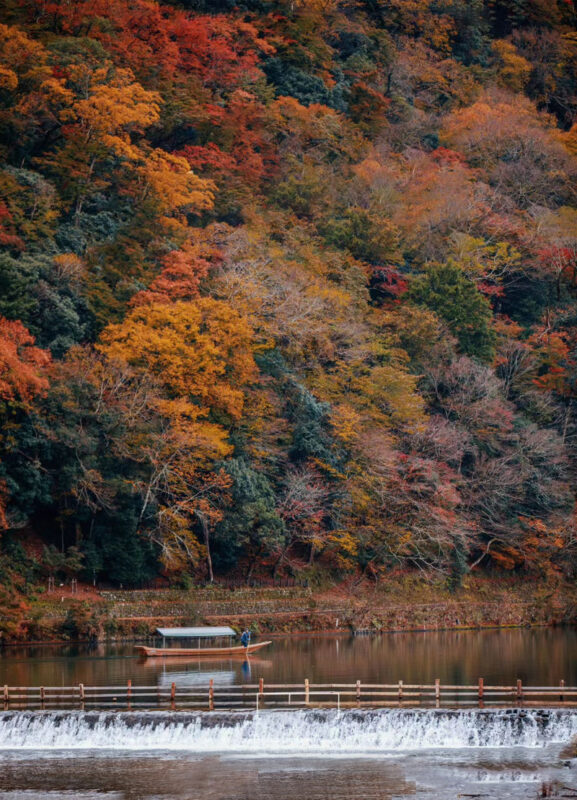
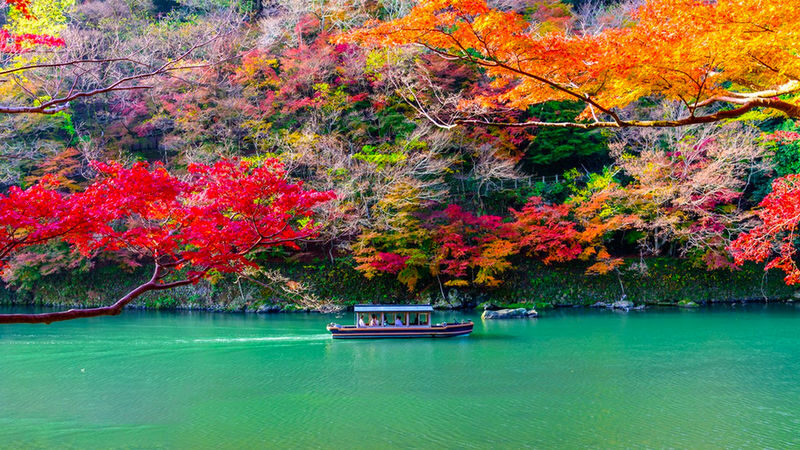
Arashiyama gets 2 hours 30 minutes, the longest block of the day. You can head to Togetsukyo Bridge, walk the small bamboo grove, look for a meal or snack, and decide how to spend your remaining time. The area covers both Arashiyama and Sagano, with temples, shrines, natural scenery and seasonal changes. Tenryu-ji, a World Heritage site, is also in the area, but the schedule does not promise a visit or include its admission.
The bamboo path is a short, well-known stretch between Nonomiya Shrine and Okochi Sanso. It can be crowded, especially at popular times, so don’t expect the entire visit to feel quiet or secluded. Still, the contrast of bamboo, nearby temple grounds and the river setting makes this a rewarding stop even if you keep your plans simple.
Here is the important booking detail: the product name and promotional copy refer to the Arashiyama scenic railway, but the railway ticket is excluded, and the timed itinerary only names Togetsukyo Bridge and the bamboo grove. A ride is not guaranteed. If the train is a must for you, check with the operator before booking and be ready for the possibility that the schedule or capacity will not allow it.
Two and a half hours sounds generous beside the other stops, but it passes quickly if you want to eat, visit a temple and walk the bamboo route. The guide may recommend local food, but meals and drinks are on your own. I would choose one or two priorities before arriving rather than trying to cover the whole area.
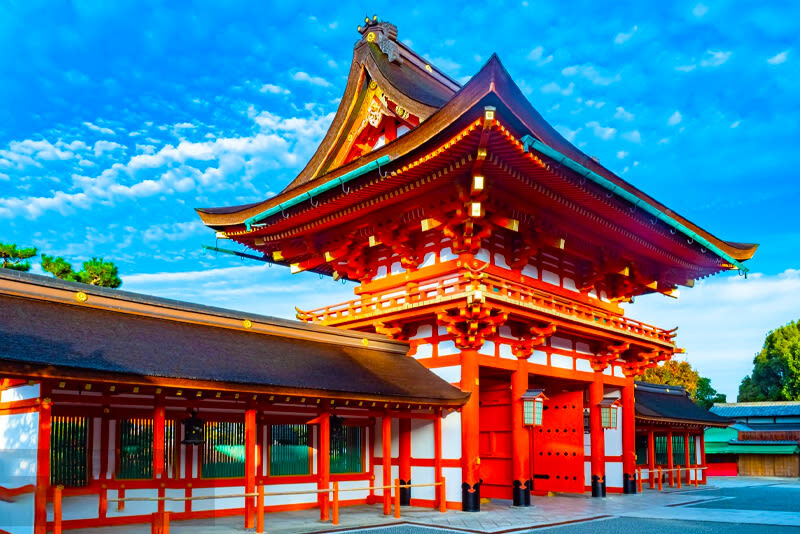
The final sightseeing stop is Fushimi Inari Taisha, with 90 minutes for a self-guided visit. Its famous Senbon Torii form long rows of vermilion gates along paths that climb Mount Inari. White fox figures appear around the shrine as messengers of Inari Okami, adding another layer to the visit beyond the striking photographs.
You can walk through the lower gates, pause for pictures and turn back when you need to. The route continues up the mountain, with views over Kyoto, but a full climb may not suit a 90-minute stop, particularly when you need to return to the bus on time. Wear shoes you can walk uphill in, and decide on a turnaround point rather than letting the gates tempt you into a longer hike than the schedule allows.
The gates are famous for a reason, but the approach can be busy. Keep your expectations flexible, be patient when taking photos and leave enough time to get back to the designated meeting point. The schedule notes that an extra 20 minutes is added from May 1, but the actual timetable can still shift with conditions.
A shared bus is the tour’s chief convenience and its main constraint. It saves you from arranging separate transport between the three areas, but everyone must keep to the group’s stop times. If you are late, the guide waits for up to five minutes; after that, you may have to make your own way to the next stop, with no refund for missed time.
The guide service is listed as English or Chinese. The group size and staffing can vary: for fewer than 12 people, the vehicle may have a driver but no separate guide; with more than 12, the operator says it will arrange a driver and a guide. The bus is shared with other customers, so this is not a private tour.
Guides such as Zoey, Nimo, Zhou Qian, Bonn Lee, Nathaniel and Candy have been named by people who took the trip. The strongest recurring feature is the guide’s role in explaining the sights, clarifying meeting points and keeping the day on schedule. Some guides also share local food suggestions and folklore on the bus. You cannot select a particular guide in advance, so treat the names as examples, not a guarantee.
Guidance does not mean a guided walk at every stop. Much of the time at Arashiyama and Fushimi Inari is self-guided. That works well if you like choosing your own pace and taking breaks when you want them; it is less ideal if you expect a guide to lead you through every landmark.
The meeting point for this option is Osaka’s Nihonbashi Station Exit 2. Be there at least 10 minutes early; the group meets at 7:50 a.m. and departs at 8:00. The listed return is around 4:45 p.m. at Kyoto Hachijo Exit for those leaving in Kyoto, or around 5:45 p.m. at Namba Parks Exit for those returning to Osaka. Confirm your chosen drop-off and the day’s details before you travel.
The Osaka-meeting option is not the same as a Kyoto departure. If you are already staying in Kyoto, the listed information offers a Kyoto drop-off, not a Kyoto pickup. This can still work if you are coming from Osaka and plan to stay in Kyoto afterward, but it is not a Kyoto-origin tour.
Traffic and weather can change the order of the stops or reduce sightseeing time. On weekends, holidays and Japanese public holidays, delays of two to five hours are possible, so avoid scheduling a tight dinner reservation or onward connection. The operator also says vehicle use is limited by Japanese rules, and the route may be shortened or altered to stay within those limits.
Bring what you need for a full outdoor day: comfortable walking shoes, weather-appropriate clothing, and spending money for the temple fee, meals and personal costs. The bus allows sealed light snacks and unopened drinks, but eating is not allowed inside. If you have large luggage, tell the operator when booking. Travel insurance is not included.
The tour is not suitable for everyone. The operator bars people with certain conditions, including high blood pressure, heart disease, asthma, epilepsy and pregnancy, and advises that older participants be fit for the day and accompanied by a family member or friend aged 22 or older. Children over age two pay the adult rate. Children under three may ride free only if they do not need a seat, and the operator asks you to notify it in advance.
I would consider this tour if you are based in Osaka and want a straightforward way to see three well-known Kyoto-area sights without planning every connection. It also suits first-time visitors who value clear orientation, a bit of cultural context and free time rather than a guide-led march from gate to gate. The Kyoto drop-off is useful if you are moving on to a Kyoto stay.
It is less suited to anyone who wants a deep visit to Arashiyama, a full Mount Inari hike, or a guaranteed scenic railway ride. Independent visitors who want to set their own pace at every stop may prefer to travel by train and spend a whole day in one area. And if cherry blossoms are the main reason you are booking, remember that bloom timing and scenery depend on the season and the day. The route itself does not guarantee blossoms.
Book this if the draw is three major sights in one day with transport handled, and you are happy to make your own choices during the stopovers. The best reasons are the distinctive Daruma displays at Katsuoji, useful guide support and the option to finish in Kyoto.
Skip it if the scenic railway or Nara is essential to your plan. Neither is included in this route, despite what some wording around the experience may suggest. Go in with realistic expectations about traffic and walking time, and this is a good-value introduction to Katsuoji, Arashiyama and Fushimi Inari.
“Our tour guide, Bonn Lee, was friendly, humorous, and entertaining throughout the journey. He always tried to crack jokes and keep everyone engaged…”
No. The railway ticket is not included, and the itinerary does not guarantee a train ride.
No. The listed stops are Katsuoji, Arashiyama and Fushimi Inari.
The schedule allows 80 minutes at Katsuoji, 2 hours 30 minutes at Arashiyama and 90 minutes at Fushimi Inari.
No. Admission is listed as 500 yen per person and is paid separately.
Meet at Exit 2 of Nihonbashi Station in Osaka at 7:50 a.m. The bus departs at 8:00 a.m.
Yes. The listed Osaka-meeting option allows drop-off at Kyoto Hachijo Exit or a return to Osaka.
No. Meals and drinks are not included. The guide may suggest local food options.
The tour lists an English- or Chinese-speaking guide. For groups under 12, the vehicle may have a driver without a separate guide.
Children under three may ride free if they do not occupy a separate seat. The operator asks you to notify it in advance. Children over two are charged the adult rate, and a child who needs a seat must have a ticket.
No. Personal travel and accident insurance are not included, so arrange your own if needed.