Physical Address
304 North Cardinal St.
Dorchester Center, MA 02124
Physical Address
304 North Cardinal St.
Dorchester Center, MA 02124

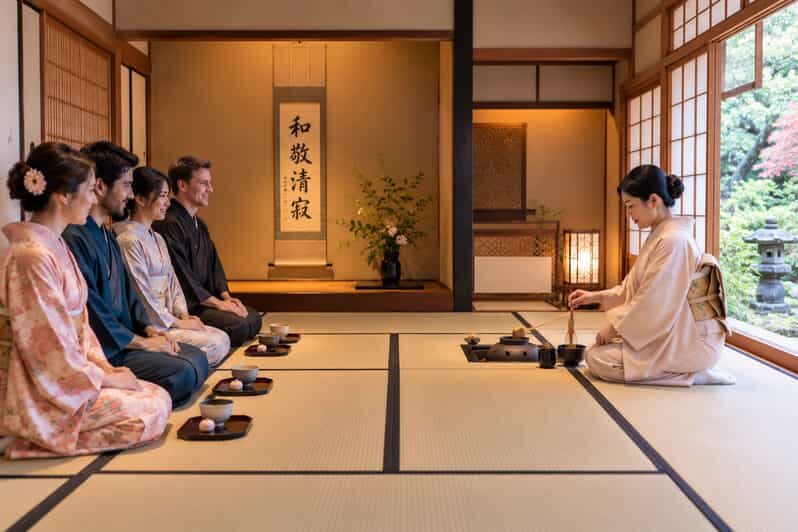
Wear a traditional kimono, learn tea etiquette, and make matcha in a small Kyoto tea room for $45 per person.
Kyoto’s kimono-and-matcha session gives you two traditions in one 90-minute visit: you dress in a traditional kimono, then take part in a tea ceremony in a quiet tea room. I like that you learn the gestures for receiving and turning the bowl, rather than simply watching a demonstration. I also like the practical touches: staff help with dressing and a simple hairstyle, and there is time for photos indoors.
One consideration: the kimono is for the experience, not for wearing outside afterward. The session is also not suitable for wheelchair users, so check the physical setup before booking if access is a concern.
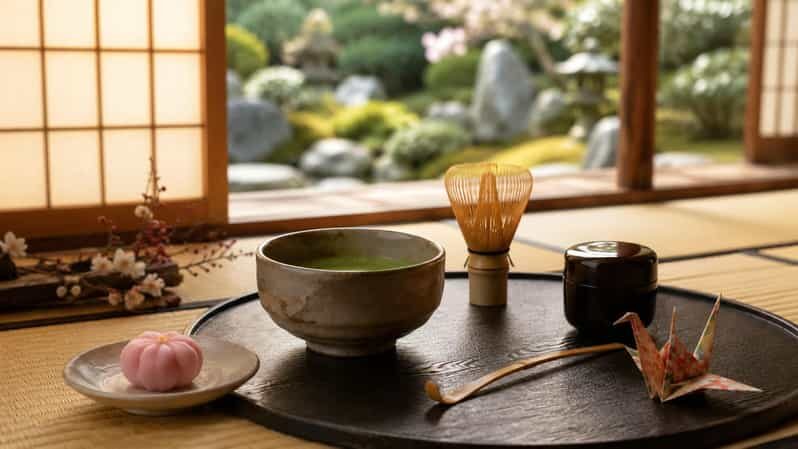
The experience begins with a choice: select a kimono from a range of traditional patterns and seasonal colors. That decision is part of the fun, but it can also take a little thought if you are choosing with a partner or friend. You may want to decide whether you prefer a quiet color or a bolder pattern, then let the staff help you put the full look together.
Dressing is not a quick costume change. Staff help you wear the kimono properly and can explain details about its history, craftsmanship, and meaning. That guidance matters. A kimono’s layers and ties are unfamiliar to many first-time wearers, and help from someone experienced makes the process less awkward and the final look more polished.
A simple hairstyle is included, along with hair accessories. The styling is described as simple, so think of it as a neat finishing touch rather than a full salon appointment. The focus is on helping you feel ready for the ceremony and photographs.
This part of the session is a strong reason to choose the combined experience instead of booking a tea lesson alone. You get a hands-on introduction to traditional clothing, with time to notice how much care goes into getting dressed. If you are traveling as a couple, getting ready together can be a memorable part of the outing. It also suits friends who want a shared activity that is more participatory than a standard sightseeing stop.
Looking for more options in Kyoto? Here are some other experiences worth considering.
Once dressed, you have time to take photographs inside the traditional tea rooms. Photography is encouraged during the kimono experience, and the photo time is included, so you do not have to rush through the ceremony in search of a quick snapshot.
The indoor setting is useful. You can make portraits in your kimono without needing to wear it outside, which is not included in this activity. That distinction is worth keeping clear: this is a short, hosted kimono experience, not a full-day rental for exploring Kyoto in traditional dress.
Bring a phone or camera if you want pictures, and consider having a friend take a few of you rather than relying only on selfies. There is no promise of a personal photographer, so plan to take your own pictures. If you are traveling alone, you can still enjoy the experience, but you may want to ask staff or another participant to help with a photo.
The photo portion is a pleasant addition, but it should not be the only reason you book. The stronger value comes from having the kimono experience lead into a guided tea ceremony, where you learn what the clothing and the room are part of.
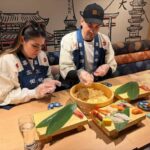
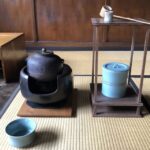
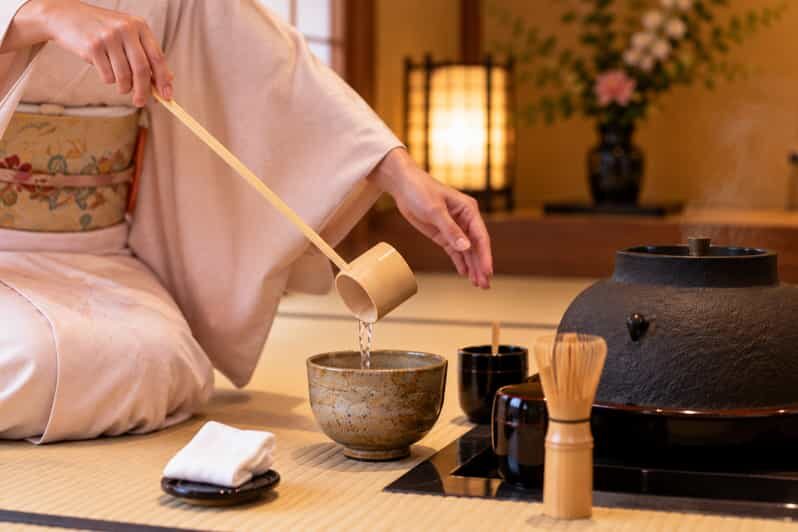
After dressing and photos, you enter a tea room and are introduced to chanoyu, the Japanese tea ceremony. The host explains the customs and values behind the practice, then demonstrates how matcha is prepared with traditional utensils. The aim is not only to serve a cup of tea. It is to show how attention, courtesy, and careful movement shape the ceremony.
The session is in English, and the small group size, capped at 10 participants, gives the instructor room to explain each step and respond to questions. Hosts have included Lisa, May, Risa, Haruka, Mai, and Gakuji. The person leading your session may differ, but the format is designed to include clear instruction rather than a silent demonstration.
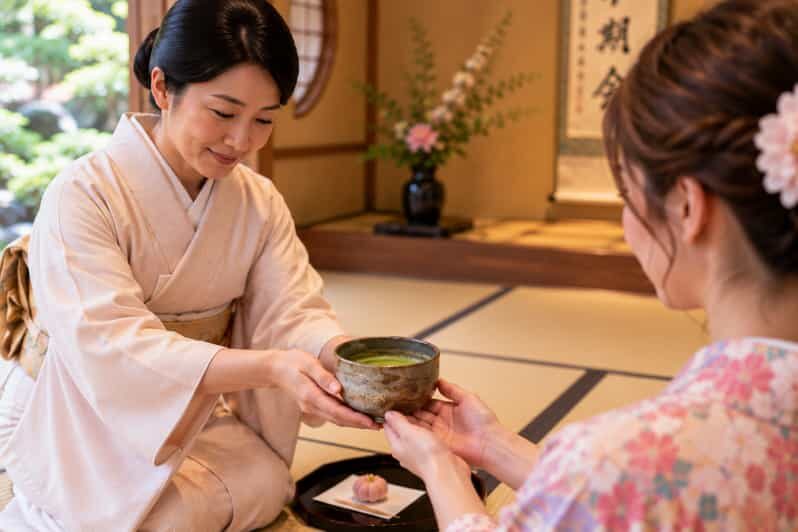
You then practice key etiquette yourself. You learn how to receive and turn the tea bowl, and how to take part in the ceremony respectfully. These gestures may seem small, but they help make the experience more than a tasting. You leave with a basic understanding of what to do when tea is served in this setting, instead of feeling that you have watched a custom from the sidelines.
The lesson is introductory, not an extensive course in tea practice. That is a sensible fit for a 90-minute activity in a busy trip. You get context and hands-on participation without giving up half a day, though anyone seeking advanced instruction should look for a longer class.
The tea host prepares matcha using traditional tools and techniques, and you get a chance to learn the preparation yourself. The freshly whisked tea is the center of the tasting. If you are unsure about matcha, this is a good way to try it in context, with a host explaining what you are doing and how to receive the bowl.
Matcha has a strong, distinctive flavor, and it will not suit every palate. Still, some people who are not usually fans find this serving more appealing than expected. The experience gives you a chance to taste it freshly prepared rather than making a judgment from a packaged drink.
The tea is paired with a traditional Japanese sweet. The activity description names yatsuhashi, a well-known Kyoto sweet, while the included items also describe seasonal wagashi. The details provided do not specify which sweet is served at every session, so treat the pairing as a traditional Kyoto-style sweet rather than counting on one exact variety.
That small sweet is more than a snack. Tea and sweets are meant to be enjoyed together, and the pairing gives you a taste of Kyoto’s food culture alongside the ceremony. It also breaks up the instruction with a simple pleasure: tea, a sweet, and a quiet room.
More Great Tours NearbyThe session moves through a natural sequence: choose a kimono, get dressed and styled, take photos, hear about tea customs, then watch and practice the preparation. At 1.5 hours, it is long enough to include both traditions but short enough to fit around other Kyoto plans.
Expect the dressing portion to take a meaningful share of the time. If your main interest is tea, remember that this is not a tea-only class. The kimono is a major part of the experience, and the ceremony follows after you are dressed.
The small-group format is another practical advantage. With no more than 10 participants, the instructor can keep the explanation manageable and make room for questions. It is still a group activity, not necessarily a private lesson. If you want a more personal experience, booking with a partner or a few friends may make the session feel more intimate, but the group limit is not a promise that you will have the room to yourselves.
The tone is welcoming and patient. That matters for visitors who are unfamiliar with Japanese etiquette and worry about getting a gesture wrong. You are there to learn, and the instructor guides you through the steps. Several hosts are praised for warm explanations and patience, including Lisa, Risa, Haruka, May, and Gakuji.
At $45 per person, the price covers more than a bowl of matcha. It includes the kimono set rental, help dressing, simple hairstyling, a professional instructor, tea ceremony utensils, matcha, a seasonal sweet, and photo time in the tea rooms. All fees and taxes are included.
The value depends on what you want from the outing. If you only want to taste matcha, this is more activity than you need. If you want to wear a kimono, learn a little about tea etiquette, and make the tea yourself, the price brings several parts together in one short session. The included dressing assistance is especially useful if you have never worn a kimono before.
There are limits to what the price buys. You cannot wear the kimono outside after the experience, and the session is not a long course in tea ceremony. You are paying for a compact introduction, a guided dressing experience, and a chance to participate, not a full-day rental or specialist training.
For a first visit to Kyoto, I see the combination as a good use of time if cultural activities are high on your list. You get a clearer sense of the customs than you would from simply taking photos in a rented outfit, and the instructor helps connect the ceremony to its underlying principles.
This activity suits first-time visitors who want an accessible introduction to two recognizable parts of Japanese culture. It is also a good fit for couples and friends who enjoy doing something together rather than splitting up for separate activities. The kimono and photo time make it celebratory, while the tea lesson gives the visit substance.
Families can bring children, and children under 5 may join for free. There are limits for very young participants: yukata sizes are not available for very young children, and preparing matcha independently can be difficult for them. If the child is too small to wear the available clothing or follow the tea steps, the session may be more for accompanying adults than for the child.
You do not need to be a matcha fan to take part. The lesson is about preparation and etiquette as much as taste. Still, if your goal is mainly to wear a kimono outdoors around Kyoto, this is not the right option, since wearing it outside is not included.
The experience is not suitable for wheelchair users. If mobility or access requirements affect your plans, confirm that the venue works for you before booking. The details provided do not specify other physical requirements, so avoid assuming that every part of the room setup will suit every participant.
The session lasts 1.5 hours, is taught in English, and has a maximum group size of 10. Starting times depend on availability. The listed price is $45 per person, with all fees and taxes included.
Kimono set rental, simple hairstyling, tea utensils, matcha, and a seasonal sweet are included. You also get help with tea etiquette and photo time inside the tea rooms. Wearing the kimono outside afterward is not part of the activity.
You can cancel up to 24 hours in advance for a full refund, and a reserve-now, pay-later option is available. Those terms are useful if your Kyoto schedule is still taking shape, but check the available session times before planning the rest of your day around it.
Book this if you want a short, well-rounded cultural activity with hands-on participation. The combination of kimono dressing, a simple hairstyle, indoor photos, tea etiquette, and freshly prepared matcha gives you more to do than a quick costume rental or tea tasting alone.
Skip it if your priority is wearing a kimono around the city, taking a long tea course, or choosing an activity suitable for wheelchair users. For most first-time visitors who want a gentle introduction to Kyoto traditions, though, the $45 session offers a practical balance of instruction, participation, and memorable photos.
“Excellent tea ceremony, beautifully done, I can highly recommend it.”
The session lasts 1.5 hours.
The listed price is $45 per person. All fees and taxes are included.
The price includes a kimono set rental, simple hairstyling, a professional instructor, tea ceremony utensils, guidance on etiquette, matcha, a seasonal sweet, and time for photos in the tea rooms.
No. Wearing the kimono outside after the experience is not included.
The instructor speaks English.
The group is limited to 10 participants.
Children under 5 can join for free. Yukata sizes are not available for very young children, and preparing matcha independently may be difficult for them.
You can cancel up to 24 hours in advance for a full refund.
You can check availability for your dates here: