Physical Address
304 North Cardinal St.
Dorchester Center, MA 02124
Physical Address
304 North Cardinal St.
Dorchester Center, MA 02124

Taste Port Louis through market snacks, Chinatown lanes and Mauritian history on a small-group walking tour with 6 to 8 food stops.
Port Louis makes most sense when you taste your way through it. This small-group walk connects Mauritian food to the island’s Indian, Chinese and African influences, with stops at the Central Market, Chinatown and a history center. I like that the guide explains the people and events behind the dishes, and that the route includes everyday food stalls you might pass without stopping on your own.
I also like the generous food component: the tour includes about 6 to 8 tastings, fresh tropical fruit, a juice or milkshake, and bottled water. The main trade-off is the walking. Plan for several hours on your feet, often in heat or rain, and arrive hungry: this is more like a filling lunch than a snack sampler.
The meeting point is in front of Le Casino at Caudan Waterfront, opposite Café LUX. Look for a guide wearing a black hat. The walk begins in a central spot, but it soon takes you beyond the waterfront’s polished shops and restaurants and into the older streets of Port Louis.
That contrast is useful. Caudan is an easy place to find, while the city’s food culture is best understood on foot, among its markets, lanes and neighborhoods. The tour brings those worlds together rather than treating the waterfront as the whole story.
The experience lasts about 210 minutes, or three and a half hours, though some tours have run a little longer. It is a walking tour, not a quick hop between food counters, so leave room in your day. One participant estimated walking more than 5 kilometers. The exact route and pace may vary, but comfortable shoes are a must.
You can check availability for your dates here: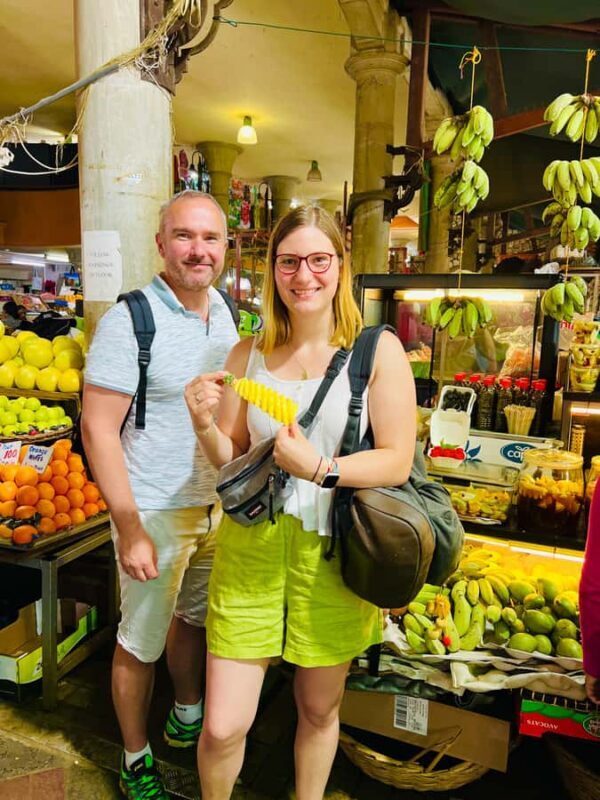
A history-center visit gives context before the food stops begin. The tour is described as including a historical museum, and participants have specifically visited the Aapravasi Ghat Centre, a place connected with the story of indentured immigration. That history helps explain why Mauritian cooking draws on so many communities and traditions.
This is one of the tour’s strongest ideas. A snack can be more than something tasty in your hand: it can point to how people arrived, settled and influenced the island. Your guide provides the links between Port Louis’s past and the food you are about to try, and there is time to ask questions along the way.
Do not expect a long museum visit to replace a dedicated history tour. The center is one part of a broader city walk, and the day also includes street scenes and food stops. If you want a detailed museum-focused outing, this tour may feel brisk. If you want history woven into a first look at the city, the balance makes sense.
For more Port Louis culinary adventures, you might enjoy these food and drink experiences
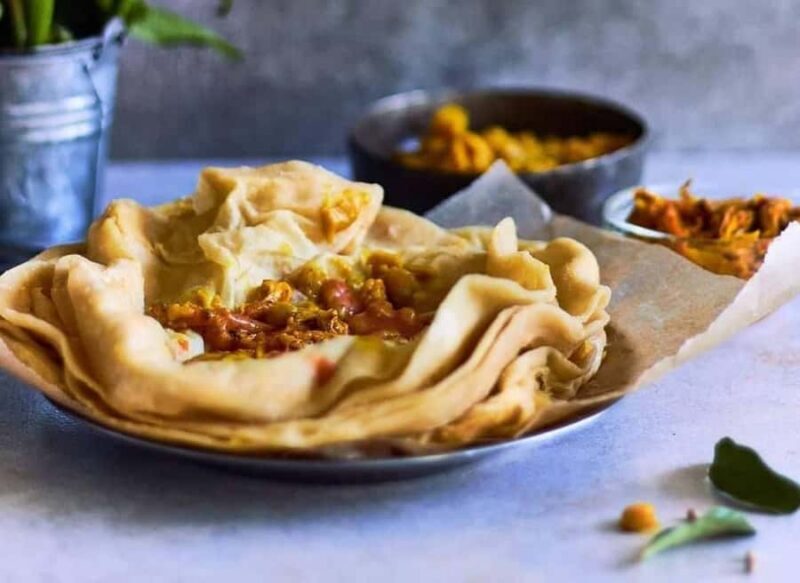
From the history stop, the route heads through Port Louis toward Chinatown. Here, the guide introduces treats with roots in Hakka Chinese cooking, part of the island’s wider mix of culinary influences. The value is not only in tasting something unfamiliar. A guide can help you notice how food traditions have traveled and become part of Mauritian life.
Expect small, informal stops rather than a sit-down meal. The tour takes you to local places you may not recognize as food stops on your own, and the guide handles the choices and explanations. That makes this a good outing if you are curious about local snacks but unsure where to begin or what to order.
Food details can vary. One guide may offer more than the stated 6 to 8 tastings, while another route may stick closer to that estimate. Some participants have counted 8 or 9 dishes, and one described trying more than 15 foods, sweets and drinks. Treat the advertised number as a guide, not a promise of a fixed menu.
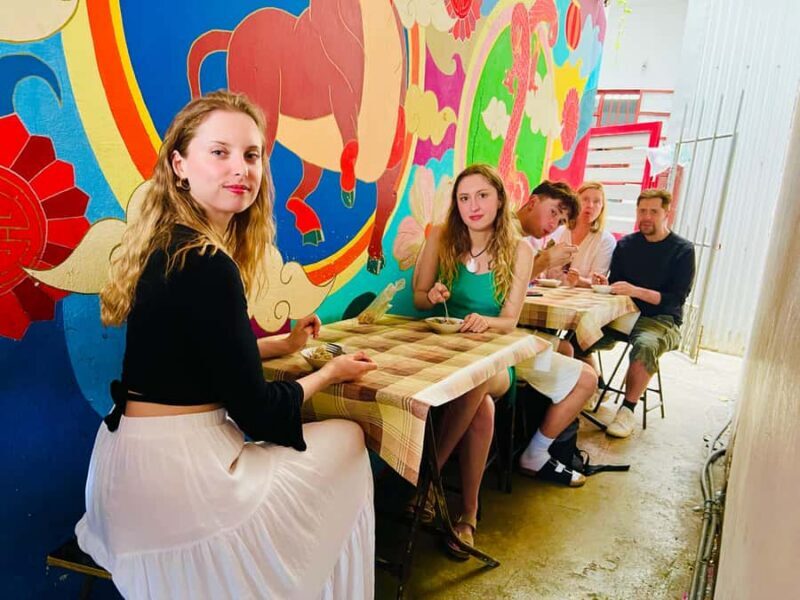
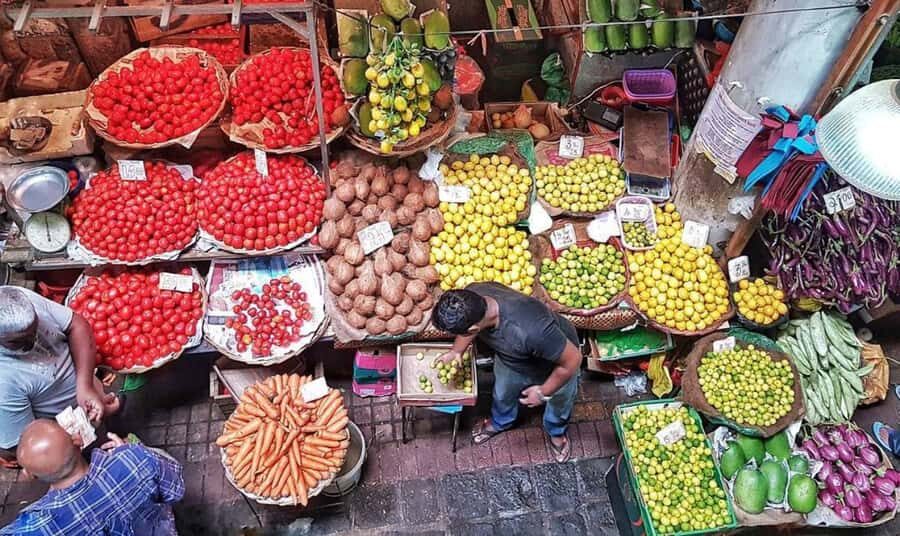
The Central Market is a natural stop for Mauritian food. It brings the city’s produce and cooked snacks together in one place, and the guide helps you focus on tastes that can be easy to overlook when you are navigating the stalls by yourself.
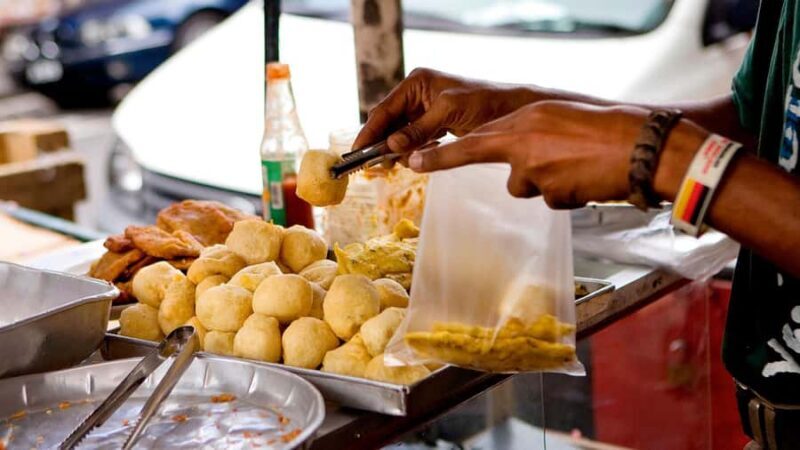
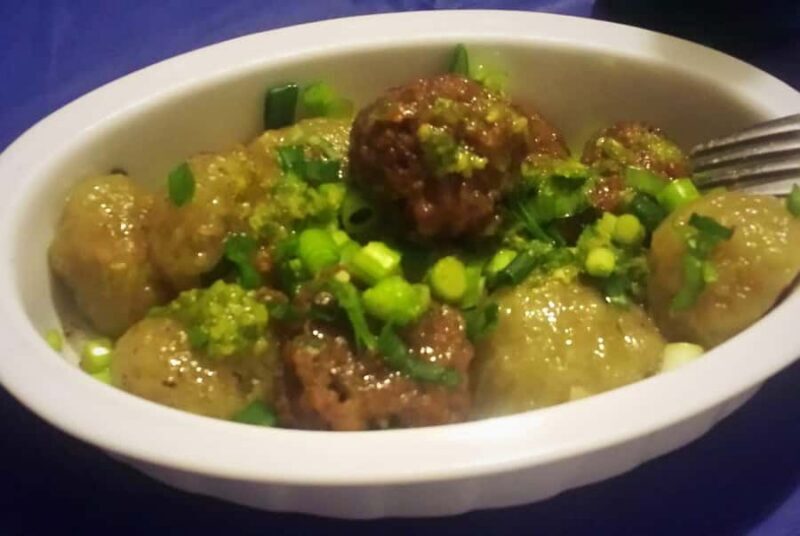
One named example is gato pima, or chili bites: deep-fried snacks made with soaked split peas, spring onions and green chilies. They are savory, spicy and well suited to a quick bite while you walk. You may also try seasonal tropical fruit, sometimes served with an optional fruit sauce.
The market can be lively and crowded, so take care with your belongings and follow the group’s pace. It is also not a quiet, controlled tasting room. Part of the point is seeing where everyday food is sold and eaten, but the surroundings may feel busy if you prefer a slower, more structured meal.
Food is the main attraction, but the walk also points out older buildings, street art and city landmarks. The route includes a garden with large trees and hanging roots, as well as the Company Garden among the stated highlights. Depending on the walk, you may also pass temples and other streets that show different sides of the capital.
These pauses help keep the tour from becoming a string of tastings. Port Louis is a city to read as well as eat through: architecture, public spaces and street art all add clues about its past and present. A guide can point out details you might miss while watching traffic or looking for your next snack.
The trade-off is time. A food-and-city walk cannot cover every part of the capital, and one participant wished for a separate city-only option that could include more sights. If your priority is seeing as much of Port Louis as possible, you may want to pair this tour with independent exploration.
More Great Tours Nearby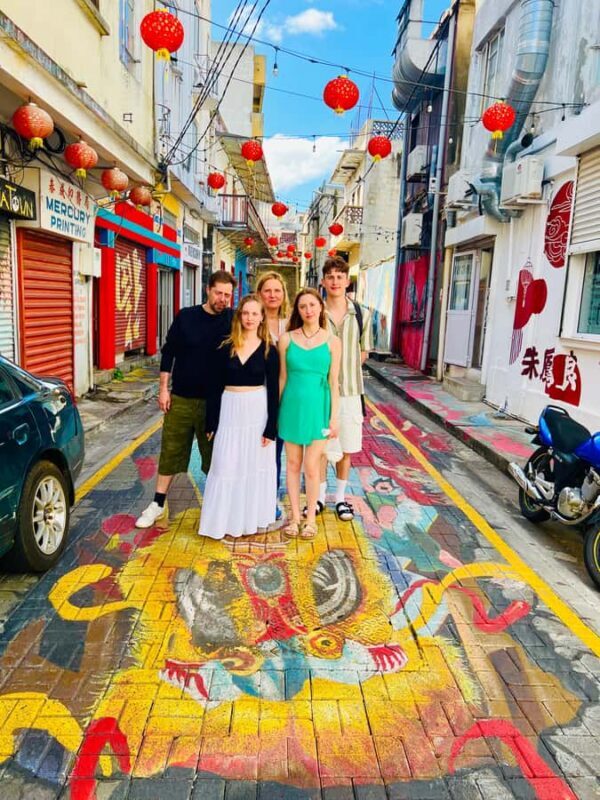
The tour includes approximately 6 to 8 food tastings, fresh tropical fruit, a milkshake or juice, and a bottle of water. The stops may add up to a substantial amount of food, and several participants finished full enough to skip lunch. For some, the total number of dishes was higher than expected.
A light breakfast a couple of hours beforehand is a practical choice. One participant recommended eating lightly because the group may visit a historical site before reaching the first food stop. Starting with no food at all could leave you hungry during that opening stretch, while a large breakfast may make it hard to enjoy everything later.
The mix is likely to include both savory and sweet tastes, though the exact dishes are not specified in advance. The tour’s strength is variety rather than a guaranteed menu. If you have a strict diet, tell the provider ahead of time and confirm what can be accommodated. Vegetarian needs have been handled thoughtfully on some tours, but at least one participant found that a vegetarian option at one stop meant leaving out meat or fish without receiving a substitute. Ask about the details rather than assuming every stop will have an alternative.
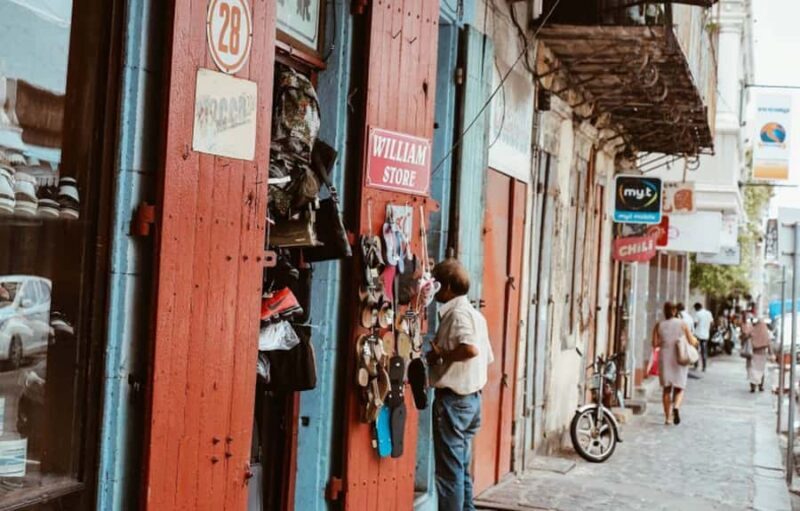
The guide is central to the experience. The tour is limited to 10 participants, which gives the group a better chance to hear explanations and ask questions than a large coach tour would. Guides such as Dourvesh have been praised for combining food knowledge with stories about Mauritius, answering questions on subjects ranging from history to plants and politics, and adjusting the pace to suit the group.
That local interpretation matters. You may find a stall or a snack by yourself, but it is harder to know which stop is worth your time, what a dish is made from, or how it connects to the island’s communities. The guide helps turn the route into a connected story instead of a checklist of places.
The advertised languages are English and French. If your group has dietary needs or particular interests, mention them before the walk so the guide can respond where possible. The small group size is helpful, but it cannot guarantee a substitute for every dish or a custom route.
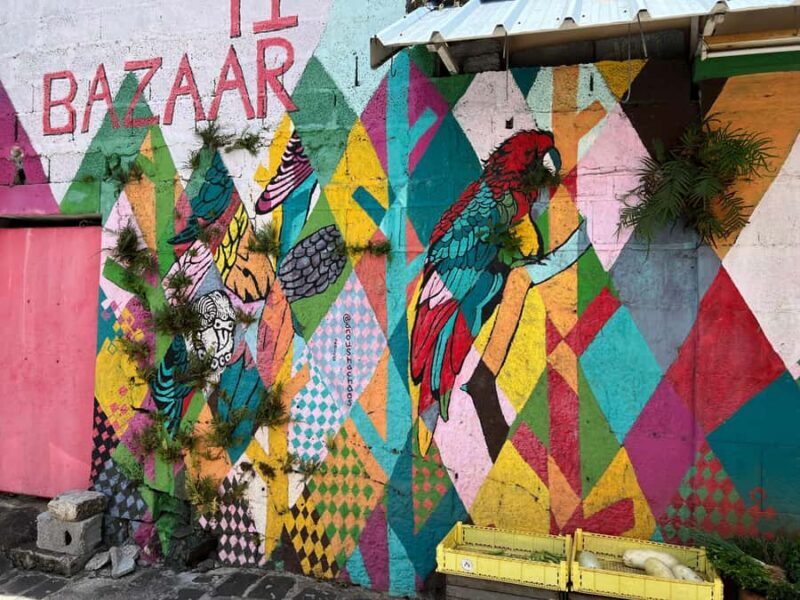
At $42 per person, the price includes the guide, the food tastings, fruit, a milkshake or juice, and bottled water. You are also paying for a three-and-a-half-hour introduction to Port Louis, with a history stop, market visit and guided walk through the city. Taken together, that is good value if you want both a meal-sized tasting and local context.
The price makes less sense if you only want a quick meal or if you plan to avoid most of the food. Nor should you book it expecting hotel pickup or drop-off, which are not included. You need to reach the Caudan Waterfront meeting point yourself.
The group limit of 10 is another part of the value. You get a more personal walk and easier conversation, though small groups still need to move together and keep to the tour’s schedule. Free cancellation is available up to 24 hours ahead, and you can reserve now and pay later, useful if your island plans are still taking shape.
Port Louis weather can make a long walk feel longer. Bring comfortable clothes and shoes, a sun hat, sunscreen and an umbrella or rain gear. One participant was glad to have a parasol on a very hot day; another completed the walk in heavy rain. The route still went ahead, so be ready for changing conditions.
Carry only what you need and keep water close, though a bottle is included. The food and drink help, but they do not replace sensible preparation for sun or rain. If you have limited stamina or dislike walking several kilometers, consider whether a long city walk is the right fit.
Book this if you want an engaging first look at Port Louis, enjoy trying unfamiliar food and like learning the story behind what you eat. It is especially useful early in a Mauritius stay: the guide can give you a sense of the capital’s history, neighborhoods and food culture before you explore on your own.
Think twice if you want a short, seated meal, a museum-heavy tour or a route that covers every major sight. The walk is substantial, the food can be plentiful, and dietary substitutions may not be available at every stop. For most curious eaters, though, the combination of market snacks, Chinatown, local history and a guide who knows the back streets makes this a strong-value way to meet the city.
“We had an amazing time on Thursday 12 Feb! We learnt so much about the history of Mauritius. So much food along the way! Would highly recommend.”
Meet in front of Le Casino at the Caudan Waterfront, opposite Café LUX in Port Louis. The guide wears a black hat.
The stated duration is 210 minutes, or about three and a half hours. Some tours may take longer.
The tour includes approximately 6 to 8 food tastings, plus fresh tropical fruit and a milkshake or juice. The exact dishes and number may vary.
The route includes a history center, Chinatown and the Central Market. It also covers city streets and a garden, with the Company Garden named among the highlights.
The live tour is offered in English and French.
No. Hotel pickup and drop-off are not included, so you need to make your own way to the Caudan Waterfront meeting point.
You can check availability for your dates here: