Physical Address
304 North Cardinal St.
Dorchester Center, MA 02124
Physical Address
304 North Cardinal St.
Dorchester Center, MA 02124

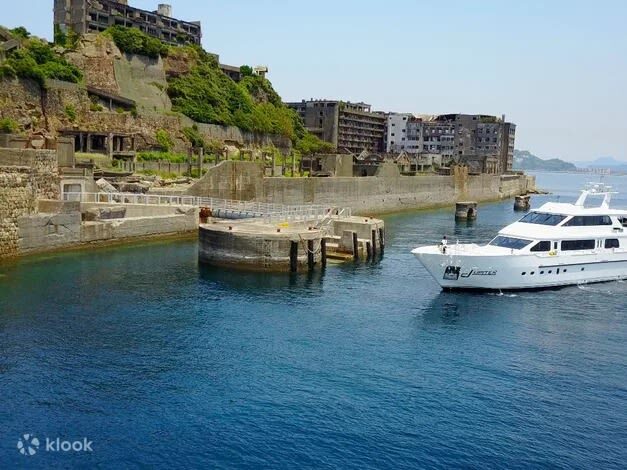
Sail to Nagasaki’s Battleship Island, explore its museum and restricted paths, and learn what to expect from the weather-dependent landing.
Battleship Island is a startling sight: a tight cluster of concrete buildings rising from the sea, enclosed by a seawall and left to weather for decades. I like that the trip pairs the island with the Gunkanjima Digital Museum, so you can get historical context before boarding, and that a successful landing lets you walk beside the place where a whole mining community once lived.
The catch is that a landing is never guaranteed. Even when you reach shore, access is limited to a designated route rather than a free wander through the ruins, and the onboard guide speaks Japanese. Plan for a striking, tightly controlled visit, not an open-air exploration of abandoned buildings.
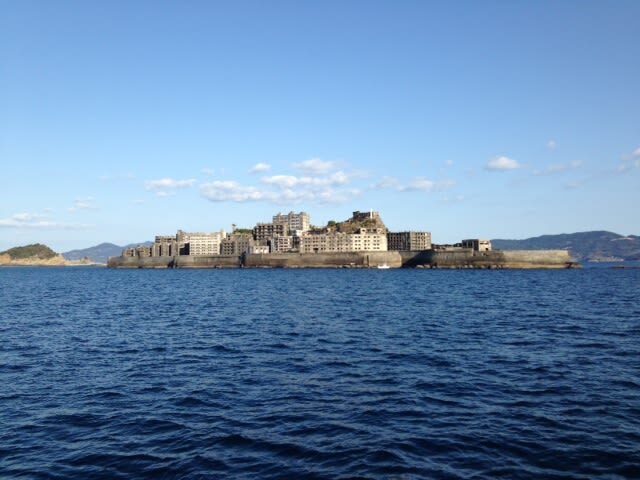
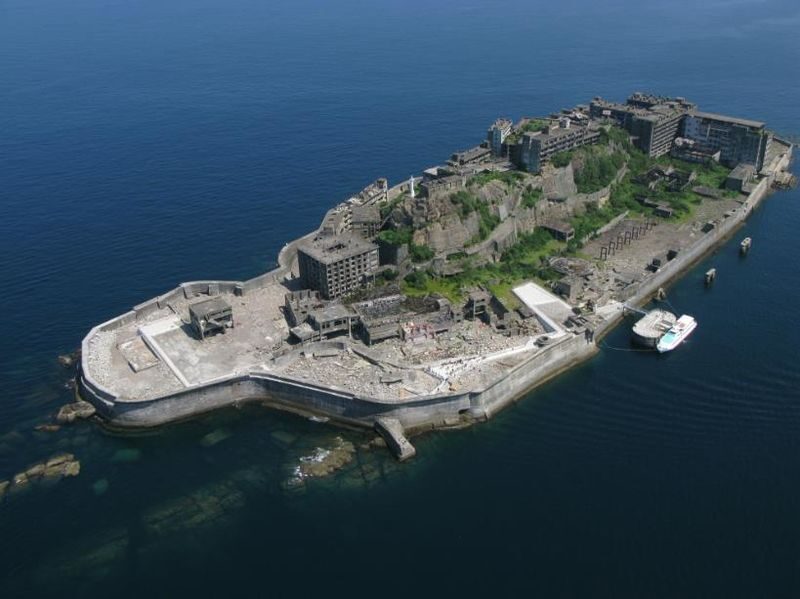
Hashima Island, better known as Gunkanjima or Battleship Island, is one of Nagasaki Prefecture’s many uninhabited islands. Its nickname comes from its dense, ship-like silhouette. From the water, the seawall and packed concrete buildings make it easy to see why the place has captured people’s imaginations.
The coal mines beneath the seabed began operating in the 1890s. As production and population grew, the island became a compact industrial settlement, with residents living amid the infrastructure of a working mine. Today, the abandoned buildings and the concrete barrier that protected the island for more than a century make its former density tangible in a way that photographs cannot quite manage.
Hashima is part of the UNESCO World Heritage listing for the Sites of Japan’s Meiji Industrial Revolution. That designation points to the island’s role in Japan’s industrial development, but it does not make the story simple. The history also includes forced labor during Japan’s colonial period. If that subject matters to your understanding of the site, prepare beforehand: the tour’s main spoken commentary is in Japanese, and its emphasis may lean toward the island’s industrial growth.
The island has also appeared as a filming location for productions associated with Netflix, the History Network, and the Science Channel. That screen history may be part of its appeal, but the real interest is standing close enough to grasp the scale of a community built on a small, isolated island.
More ways to experience Nagasaki from the water include these boat tours
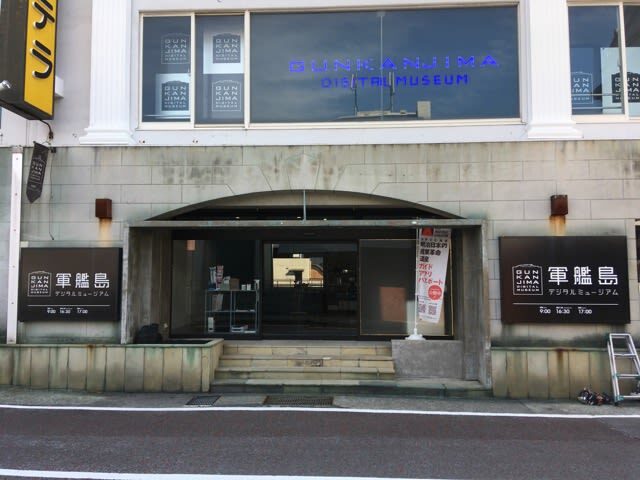
The meeting point is the Gunkanjima Digital Museum, not the departure pier. Your selected time determines when you must check in: for the morning cruise, reception runs from 9:00 to 10:00, with departure from Tokiwa Port at 10:30. For the afternoon cruise, check in from 12:00 to 13:00 for a 13:40 departure.
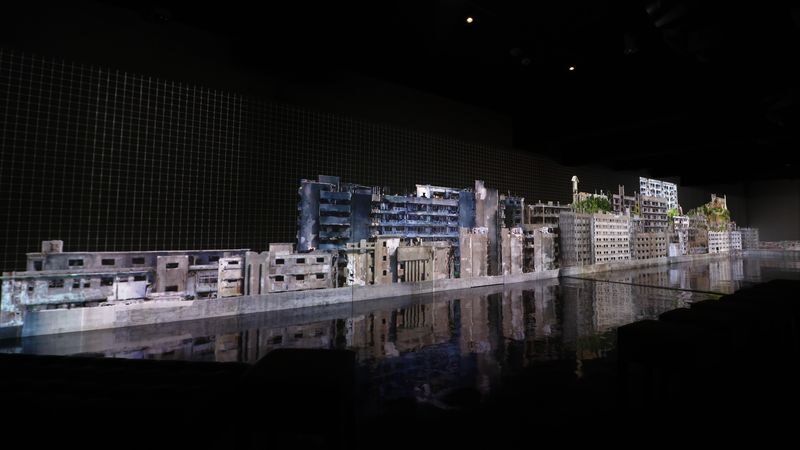
The museum is more than a place to collect your ticket. Its audiovisual and interactive displays introduce Hashima’s coal-mining past and the community that grew there. I recommend giving it time before the boat, especially if you do not speak Japanese. The island visit itself is short and tightly managed, so knowing the basic story in advance helps you notice more once you are there.
Some people choose to arrive early and look around the museum before their check-in window. If you have an afternoon sailing, arriving at 9:00 may give you time to see the displays before lunch and the cruise, though check the museum’s current opening arrangements when planning. The museum can also be visited after the boat, depending on the day’s schedule.
The museum admission is included, but do not assume every extra is. The city facility fee is separate: ¥310 for adults and ¥150 for children under the stated current terms. From April 1, 2026, the fee is listed as ¥650 for adults and ¥320 for children. Confirm the amount that applies to your travel date.
After check-in, you proceed to Tokiwa Port for boarding. The morning group heads to the pier around 10:00, with boarding from 10:15; the afternoon group goes over around 13:00, with boarding from 13:20. The listed return times are about 13:10 for the morning sailing and 16:20 for the afternoon. Allow the rest of your day some breathing room, since weather and operating conditions can affect the schedule.
The cruise is part of the attraction. You see the island from the sea before reaching it, and the boat circles Gunkanjima for views of its outline and buildings. Conditions on the water matter: wind and rain can make the crossing uncomfortable, and some seating may be exposed. Bring a windproof, waterproof layer even if the forecast looks mild.
Boarding arrangements can affect where you sit. Arriving early at the museum may help you get through the check-in process sooner, but seating is not something to take for granted. Boats and seating arrangements can vary, and the ride may feel close-quartered when the vessel is busy. If you are prone to seasickness or dislike a crowded boat, factor that into your decision.
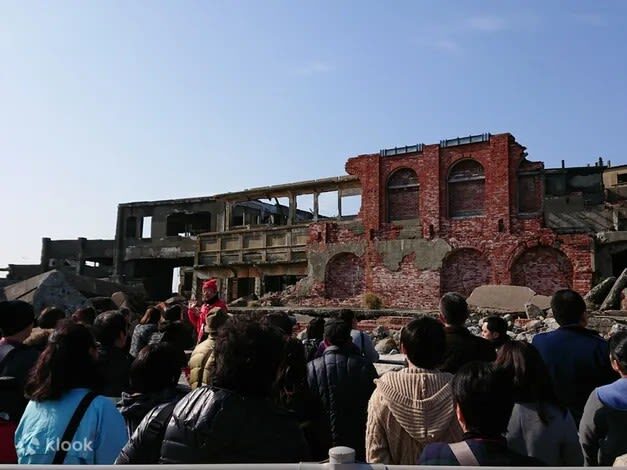
If conditions permit a landing, you will follow a designated route along the island. The short walk gives you a close view of the seawall and the ruined buildings, but it is not permission to roam. Visitors stay on the approved path for safety, and the unstable structures remain off limits.
That boundary is central to setting expectations. You do not stroll through the apartments or enter the old buildings. Instead, you look from the route and listen to the guide explain what the remains represent. The on-island portion can feel brief, especially if you pictured a long exploration, but the restrictions are there because these structures have stood exposed to the elements for decades.
There is no shade on the island, and umbrellas are not allowed. In summer, wear a hat, use sunscreen, and consider sun sleeves. Take water and sunglasses. In wet or windy weather, a raincoat or poncho is more useful than an umbrella, and a warm outer layer can make the exposed crossing and walk much more comfortable.
Sometimes the boat cannot land, but the sailing still goes ahead and circles the island. In other cases, unsafe sea conditions lead to cancellation. Those are different outcomes: a boat-only view can still be memorable, but it is not the same as setting foot ashore. If a sailing is canceled for severe weather or sea conditions, the operator offers a reschedule or full refund; check the exact terms for your booking.
The included guide speaks Japanese. The explanations are a strong part of the trip, but if you do not understand Japanese, you may miss much of what is said on the boat and at the island. English or Chinese audio guides have been available for an additional fee in some cases. Because availability and usefulness can vary, ask the operator what is offered for your date rather than assuming a particular language option.
The museum is a practical workaround, not a perfect substitute for live interpretation. Its audiovisual displays let you get oriented before the cruise, and they can help you follow the key story even if the onboard commentary is beyond your language skills. Some audio devices use GPS-triggered recordings, and reception on the boat may be poor, so listening at the museum beforehand may be more useful than relying on playback during the crossing.
I would also do a little reading about the island’s colonial-era forced labor before you go. The site’s industrial heritage is important, but a visit is more thoughtful when you consider who built and sustained that industry, and under what conditions. Do not expect the cruise alone to provide every perspective, particularly if you cannot follow the Japanese narration.
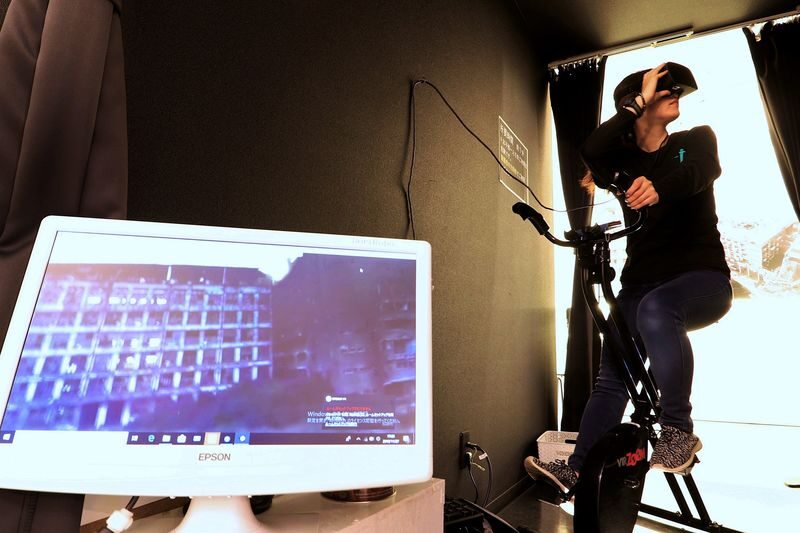
At a starting price of $37.89, the package includes the round-trip cruise ticket, admission to the digital museum, and a Japanese-speaking guide. That is fair value if you want the museum and the boat in one outing: the museum provides context, and the cruise brings the island’s scale and isolation into view.
It is less compelling if you expect to explore the ruins freely or need extensive commentary in English. The short, restricted walk ashore is a deliberate safety measure, not a flaw in the ticket, but it may not satisfy someone looking for an abandoned-island adventure. You should also budget for the separate city facility fee and any optional language device or personal expenses.
The package details describe a cruise experience from Nagasaki. A separate highlight mentions a one-day outing from Fukuoka that includes Glover Garden, the digital museum, and the cruise, but do not assume that this cruise ticket includes transport from Fukuoka or a Glover Garden visit. Check the exact package name and inclusions before booking.
This is a good choice if you are interested in industrial history, unusual architecture, or the human scale of a place built around a mine. It suits people who can appreciate a short visit and a guided route, rather than expecting to wander wherever they please. The museum makes it easier to build a fuller picture of Hashima, even if the weather keeps you on the boat.
Families can join with children aged three and older. Children aged three to twelve must be accompanied by a paying adult, and child seats are not available. The operator asks families with preschool children to read its precautions before booking.
If you have limited time in Nagasaki, plan around the check-in and return schedule rather than squeezing in another fixed appointment. The morning trip returns around 13:10; the afternoon trip gets back around 16:20. Those times leave room for other plans, but sea conditions can change the day’s timing.
Book it if seeing Hashima from the sea and, weather permitting, walking its restricted route sounds worthwhile to you. The museum, the seawall, and the dense ruins make for a distinctive half-day, and the best parts are also the most honest: you are looking at a fragile industrial site, not entering a preserved town.
Think twice if you need an English-speaking guide, want to explore inside the buildings, or would be deeply disappointed by a boat-only visit. For the best chance of appreciating what you see, study the museum exhibits, prepare for sun or rough weather, and read about the island’s full history before sailing. That preparation turns a brief visit into a more meaningful one.
“you gotta see to believe. can't believe multiple generations lived here”
Check in at the Gunkanjima Digital Museum. From there, the group proceeds to Tokiwa Port to board the boat.
Check-in is from 9:00 to 10:00, followed by boarding at Tokiwa Port. The boat is scheduled to depart at 10:30.
Check-in is from 12:00 to 13:00. The boat is scheduled to depart at 13:40.
Yes. Admission to the Battleship Island Digital Museum is included in the package.
No. Landing depends on sea and weather conditions. The boat may circle the island without landing, or the sailing may be canceled for safety.
The included guide speaks Japanese. English or Chinese audio guides may be available for an extra fee, but confirm availability for your sailing.
The listed fee is ¥310 for adults and ¥150 for children. From April 1, 2026, it is listed as ¥650 for adults and ¥320 for children.
Bring sunglasses, a hat or cap, a raincoat or poncho, and a water bottle. Sun protection is especially important because there is no shade on the island and umbrellas are not allowed ashore.
For cancellations due to unforeseen events or extreme weather, the operator offers the option to reschedule or request a full refund.