Physical Address
304 North Cardinal St.
Dorchester Center, MA 02124
Physical Address
304 North Cardinal St.
Dorchester Center, MA 02124

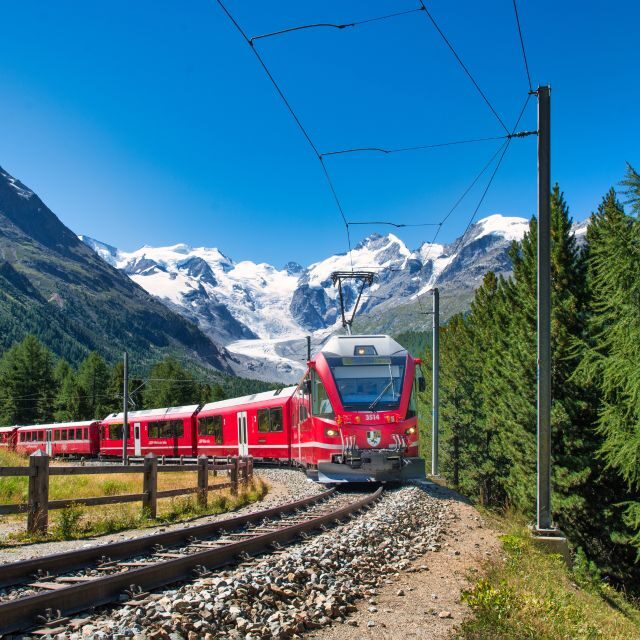
Ride the Bernina Red Train from Tirano to St. Moritz, crossing high Alpine country with openable windows, free time, and no reserved seats.
The Bernina Red Train climbs from Tirano into the high Alps, crossing the Brusio spiral viaduct and passing glacial lakes and rugged peaks before reaching St. Moritz. The ride is the main event, and the changing scenery gives you a vivid sense of just how much ground the railway covers.
I like two things in particular: the regional train’s opening windows, which make photos easier and let in the mountain air, and the freedom to spend your stop in St. Moritz at your own pace. There’s no guide or fixed group to follow.
One consideration: seats are not reserved, so arriving early matters, especially on busy departures. The ticket costs $75 per person, and you should compare that price with the railway’s own fare before booking.
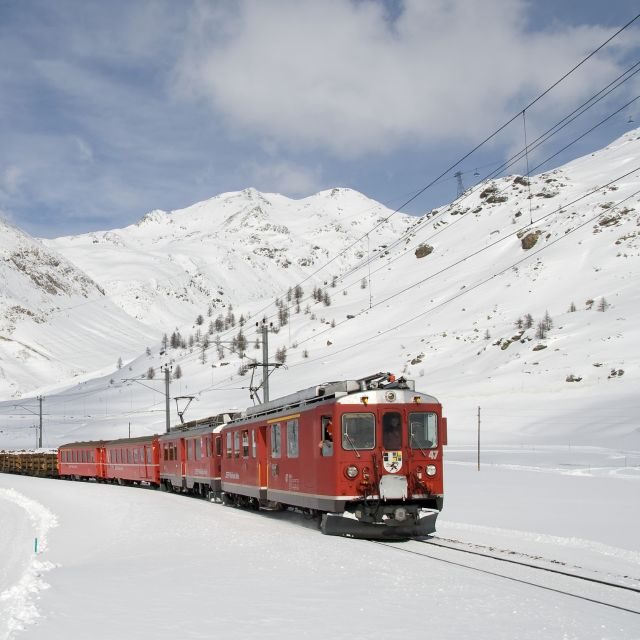
Your day begins at Tirano railway station, which you reach on your own. The suggested example schedule leaves at 09:41 and arrives in St. Moritz at 12:11, but those times are examples, not a promise for every date. Check the PDF timetable supplied with your booking and plan your connection to Tirano around the actual departure.
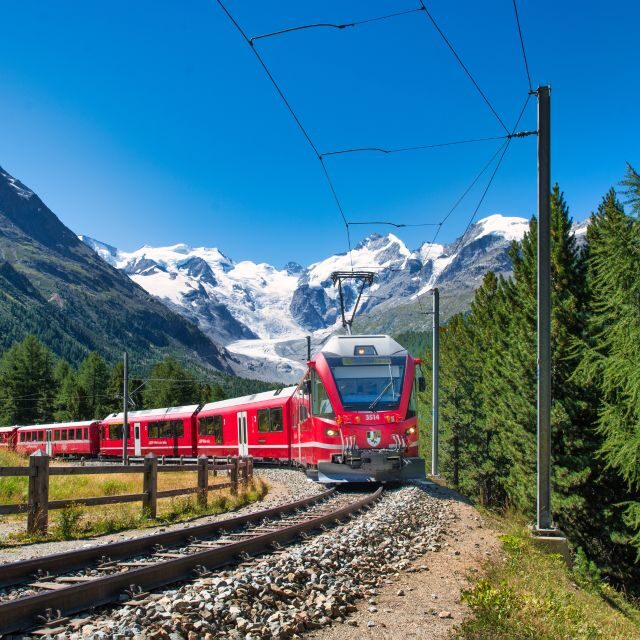
Get there at least 30 minutes early. That is not needless fuss: seats are unreserved, and the train can fill up. A window seat is worth aiming for, especially if you want unobstructed photos. One useful feature of this regional carriage is that its windows can open, unlike the sealed panoramic windows on the Bernina Express. Opening a window can mean better pictures and fresh air, but it can also mean a cold draught, so bring a layer.
The ride takes about two and a half hours each way on the example schedule. You are not simply being carried between two towns. The railway itself is part of the attraction, with tight curves and a route that climbs through changing terrain. Near Brusio, the train crosses the circular stone viaduct, a striking piece of railway engineering that lets the track gain height in a compact space.
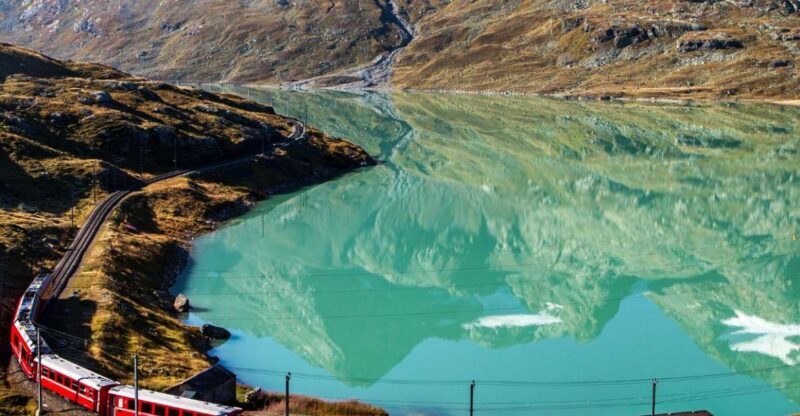
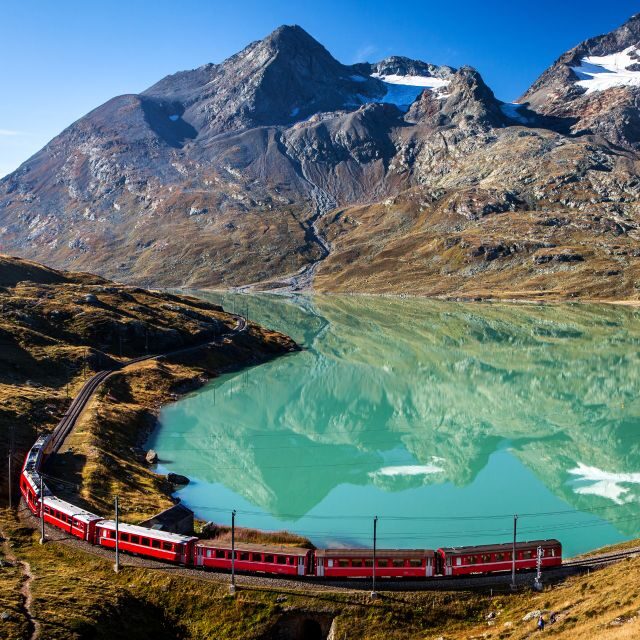
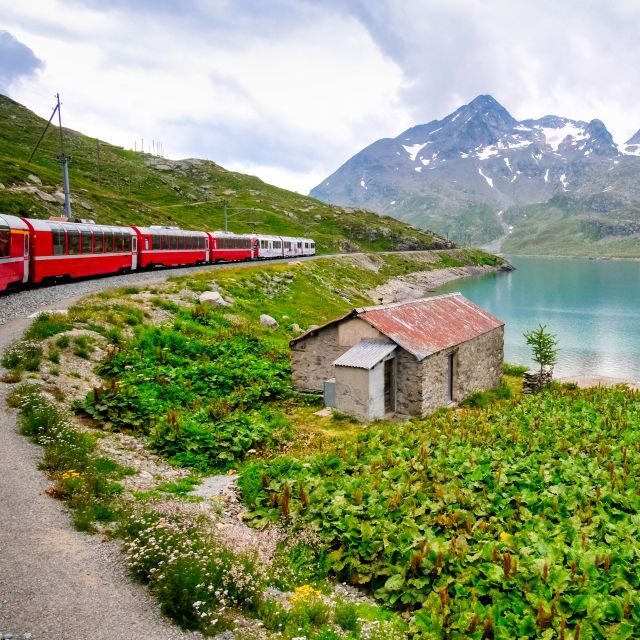
The scenery earns most of the attention. As the train climbs, you pass valleys, mountain slopes, lakes, and high, rocky ground. The transition from Tirano toward the high Alpine region is part of the pleasure: the route gives you time to watch the surroundings change rather than dropping you straight into a viewpoint.
You might also be interested in these Tirano experiences
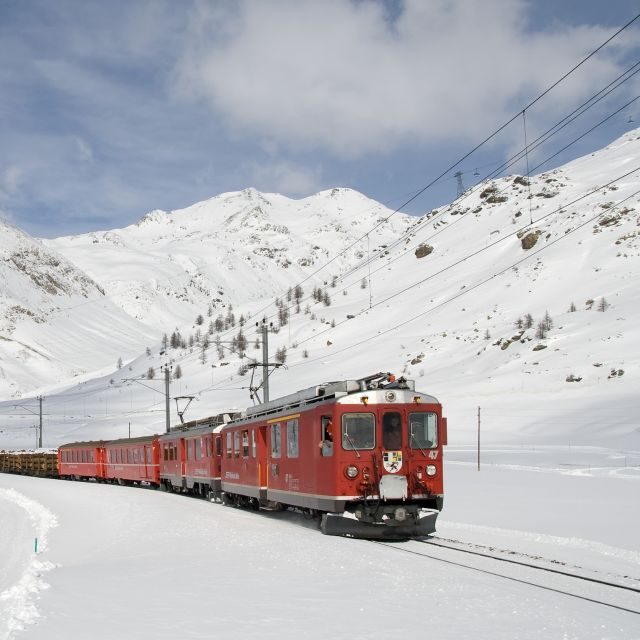
The high point of the route is Ospizio Bernina, at 2,253 meters. Lake Bianco is one of the memorable sights in this area, and the station is a useful landmark in the ride. In winter, snow can transform the view; at other times of year, you may see water, bare rock, and mountain slopes instead. Weather has a large say in what you can see, so keep expectations flexible. A clear outward ride and a cloudy return, or the reverse, can make the same route feel quite different.
Alp Grüm is another name to keep in mind. It is noted for its views and appeal to people interested in photography and hiking, but this booking is not a guided stop-by-stop outing. Your stated free time is in St. Moritz. Do not assume you can get off at every station and simply board a later train unless your ticket conditions and timetable confirm that option.
Lagalb and Diavolezza are also associated with the high mountain section of the railway. The area draws ski enthusiasts, and the views toward glaciers add another dimension to the ride. The train does not include a guided visit to these places, and you should not count on time to explore them as part of the standard St. Moritz itinerary.
One practical point: the regional carriage and the panoramic Bernina Express carriage are different products. This ticket is for the standard regional train, not the glass-windowed panoramic carriage. That is not automatically a disadvantage. You trade the panoramic carriage’s larger fixed windows for a more ordinary train setting, and opening windows can be a real advantage for photography. But if a panoramic carriage is important to you, check the precise ticket type before paying. A booking choice or equipment change can cause confusion, so read the ticket itself rather than relying on a general confirmation screen.
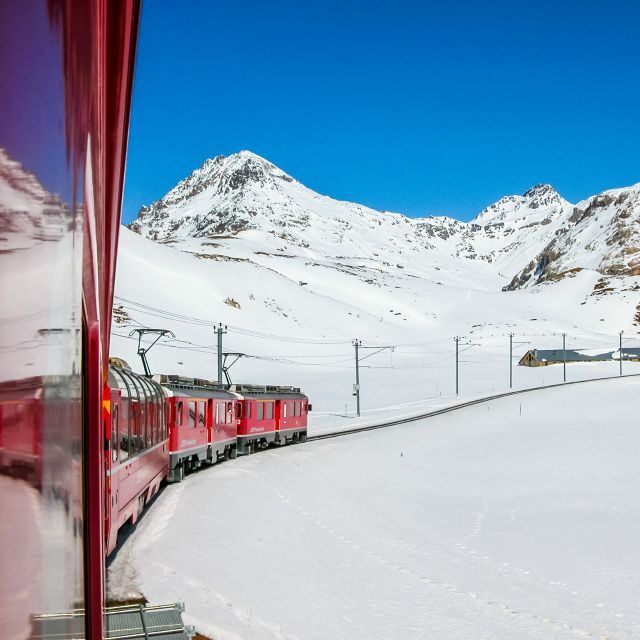
The suggested example schedule gives you several hours in St. Moritz, with a return train leaving at 15:48 and reaching Tirano at 18:23. Your actual timetable may differ. This independent stop is best for people who want a chance to walk around and see the town without signing up for a guided program.
Lake St. Moritz is a natural place to focus your time. The town itself has a very different feel from the train ride: it is known for expensive shops, and some businesses may be closed depending on when you visit. If your main reason for coming is mountain scenery, keep your expectations aimed at the lake and the surrounding setting rather than expecting a packed itinerary of included attractions.
You are responsible for managing your time and getting back to the station for your return train. Lunch is not included, and there is no guide to arrange your day. That gives you freedom, but it also means you need to check the return departure and leave enough time to reach the platform.
The stop works well as a change of pace after the train ride. You can stretch your legs, look around the lake, and decide for yourself how much town time you want. If you would rather spend more of the day among mountains than in a resort town, the train route may be the part you value most.
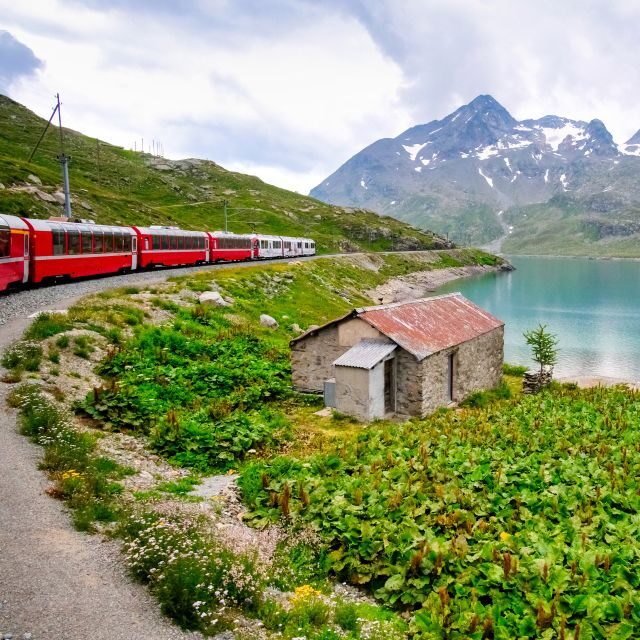
The return trip follows the same railway in the other direction, but it is not just spare time to endure. A second pass gives you a fresh angle on places you may have missed while watching the other side of the carriage on the way out. The light and weather may also shift. In winter, snow can arrive during the day; in other seasons, clouds can hide the high peaks. The route is beautiful, but no ticket can guarantee clear views.
If you have the option to choose your departure times, use the timetable to shape the day rather than assuming there is only one train out and back. The example itinerary is useful for planning, but it is not the only possible timetable. Check the PDF schedule, confirm the specific services you intend to take, and keep your onward transport from Tirano in mind.
A return ticket makes this a straightforward day trip: travel up, spend time in St. Moritz, and ride back to Tirano. A one-way ticket may suit a longer itinerary, but you will need to arrange the rest of your transport yourself. The ticket includes no transfer to or from the station, so plan your arrival and departure independently.
More Great Tours Nearby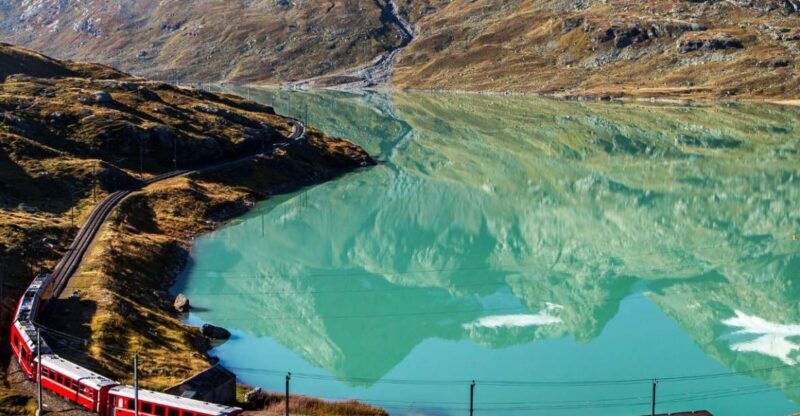
First class is an option, but the supplied information does not promise food service or other extras. You are buying a class of carriage, not a hosted excursion. If you mainly want the view, second class may be enough; if you value the first-class seating option, compare its price with your priorities before choosing.
There is no guide on board as part of this activity, and lunch is not included. Bring your own food and drink if you want them during the day. The train ride is the core experience, so the best value comes from caring about the railway and scenery rather than expecting an organized tour with commentary and services.
The booking includes the ticket choice you select, a descriptive guide with travel tips, a PDF timetable, and 24/7 assistance. The assistance can be useful if you have questions, but it does not replace checking that you have the correct travel document. The QR code shown in an app may not be the boarding ticket; check the email attachment and have the required PDF or ticket ready.
At $75 per person, this is not a bargain rail commute. You are paying for a scenic railway outing between Tirano and St. Moritz, with the option of round-trip travel and a self-guided stop in town. For someone who wants the full route and values the views, that can be worthwhile. If you are mainly looking for transport between the two towns, compare the booking price with the railway’s own fares before purchasing.
The product price includes a travel agency and reservation-system fee and commission. The exact difference from a fare bought directly can vary, and some buyers have reported a substantial gap. I would check the operator’s price for the same date, class, and direction before deciding. Also confirm whether you need a one-way or round-trip ticket; the choice changes what you are buying.
There are a few other costs to remember: lunch is not included, nor are station transfers or a guide. A first-class ticket does not include food service according to the information provided. The value here is the route itself, not extras along the way.
Cancellation is available for a full refund up to seven days in advance. Bring a passport or ID card. Wheelchair users are listed as not suited to this activity, so check carefully before booking if accessibility is a concern.
This is a good fit if you want to see the Alps from a train, take photos, and have a few hours to explore St. Moritz independently. It also suits people who value flexibility over commentary and group activities. The regional carriage’s opening windows are a practical plus if photography matters to you, though they can let in cold air.
It is less suitable if you need reserved seating, guided sightseeing, included meals, or a fully managed day. The journey also depends on weather: clouds and rain can limit the views, while a clear day can make the high sections especially rewarding. If the panoramic Bernina Express carriage is what you have in mind, be sure you are not booking this standard regional-train ticket by mistake.
The overall rating is 4.4 out of 5 from 375 reviews, which reflects a broadly well-liked ride alongside real questions about ticket value, communication, and the town stop. I would book it for the train route, not because St. Moritz guarantees a full day of activities.
Book this if the railway is your priority and you are happy to plan your own time at both ends. The Brusio viaduct, the climb to Ospizio Bernina, and the changing mountain views make the ride a substantial outing in its own right. Arrive early for a better chance at a window seat, carry an ID, and check the timetable and ticket document before you leave.
Pause before booking if you are price-sensitive. Compare the same journey and class with the railway’s own fare, and confirm that you are choosing the regional carriage you want. If those details work for you, this is a memorable way to cross from Tirano into the high Alps, with St. Moritz as a pleasant independent stop rather than the whole point of the day.
“I recommend buying tickets; everything is clear and easy to understand. It's better to arrive well in advance. We got there just before departure, …”
No. This ticket is for the regional Bernina Red Train in a standard carriage, not the Bernina Express panoramic carriage.
The example schedule takes about two and a half hours each way, from Tirano to St. Moritz and back.
No. Seats are not reserved, and you may use any available seat. Arrive at Tirano station at least 30 minutes before departure.
You can select a round-trip or one-way ticket when booking. Check that you have chosen the direction you need.
No guide is included. The booking includes a descriptive guide with travel tips, a PDF timetable, and 24/7 assistance.
No. Lunch is not included.
Yes. The itinerary includes free time in St. Moritz for independent exploring.
Bring a passport or ID card.
The activity is listed as not suitable for wheelchair users.
You can cancel up to seven days in advance for a full refund.
You can check availability for your dates here: