Physical Address
304 North Cardinal St.
Dorchester Center, MA 02124
Physical Address
304 North Cardinal St.
Dorchester Center, MA 02124

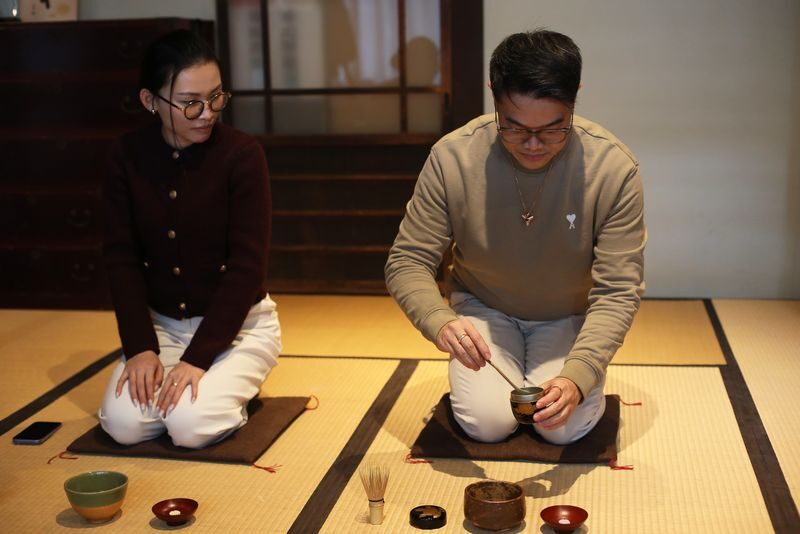
Make matcha with a tea master in a 100-year-old Kyoto townhouse, learn tea ceremony customs, and enjoy a calm, hands-on cultural break.
A bowl of matcha can turn 45 minutes in Kyoto into a welcome pause: at aeru gojo, a tea master explains the meaning behind the ceremony, then shows you how to prepare tea yourself. I like the mix of hands-on matcha making and cultural context, and the chance to learn both the host’s and visitor’s roles. Hosts including Hana and Kiyoka have a warm, patient teaching style.
One consideration: this is a casual, relatively short introduction, not an extended formal ceremony. The townhouse also houses a shop, so people coming in to browse may interrupt the quiet. If you’re hoping for a private, hushed room or intensive tea instruction, this may not be the right fit.
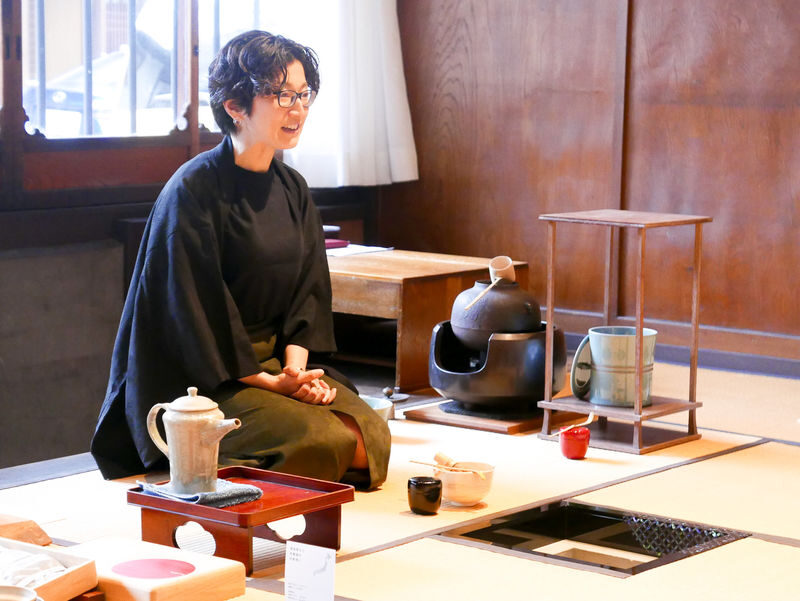
Kyoto rewards early starts and long walks, but a packed schedule can blur one temple gate into the next. This tea ceremony offers a different kind of cultural stop: you sit on tatami in a 100-year-old machiya, listen, ask questions, and focus on preparing one bowl of tea.
The session is described as casual, which matters if formal customs make you nervous. You are not expected to arrive knowing the etiquette. The host explains what is happening and guides you through the process, so the ceremony feels accessible rather than like a test.
The experience is run by aeru, a company founded in 2011 to pass Japan’s traditions and spirit to a new generation. Its tea program has received an American Express award. That background helps explain the session’s balance: it respects traditional practice while making room for conversation and first-time participants.
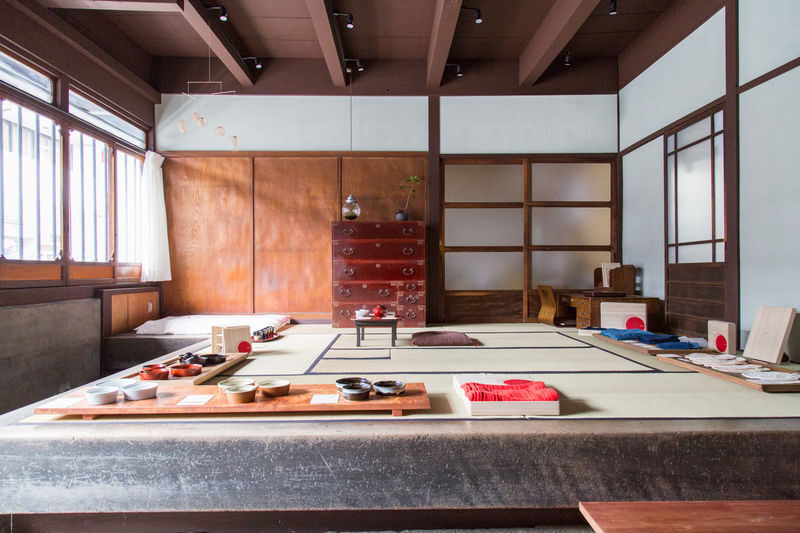
The meeting point is Tea Ceremony aeru gojo. The venue is in a townhouse, not a large purpose-built attraction, so arrive ready for a small, intimate setting. You can sit on tatami, or use a chair if sitting on the floor is uncomfortable.
Try not to arrive more than 10 minutes before your booked time. The space is limited, and the venue is not suitable for eating. If you use a wheelchair, arrive five minutes early so staff can help you get settled. The activity is wheelchair and stroller accessible.
Finding the entrance takes a little attention. From Karasuma-dori Street, turn at the corner with the Family Mart, walk one block, then look for the aeru gojo sign beside Only Corporation, across from Zen Kyoto. There is no parking lot. If you come by rental bicycle, use public bicycle parking.
Looking for more options in Kyoto? Here are some other experiences worth considering.
The session begins with an introduction to the tea ceremony and its customs. Rather than treating each movement as a step to copy, the host explains how the ceremony works and why small gestures matter. That context turns watching into a more thoughtful experience.
The teaching style is one of the strongest reasons to book. Hosts Hana, Hannah, and Kiyoka are frequently praised for being patient, clear, and welcoming, and for answering questions. The names vary by session, so you cannot count on a particular instructor, but the warm, conversational approach is central to the experience.
You may also hear about the idea of ichigo ichie, often understood as treasuring a meeting that can happen only once. It suits the pace of the ceremony: pay attention to the objects, the tea, and the people sharing the room, rather than rushing to the next stop.
There is a group discussion element. That can make the experience lively and personal, especially if you enjoy asking questions and hearing others’ perspectives. If you prefer a silent, strictly traditional performance, the conversational format may feel less formal than you expect.
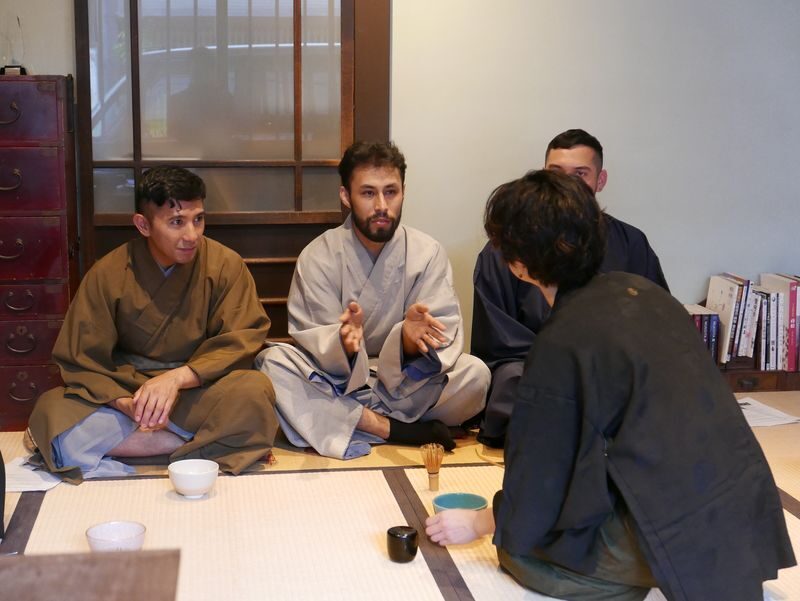
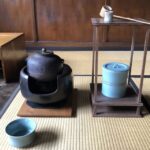
After the introduction, the tea master demonstrates how to prepare matcha and guides you through the roles of host and visitor. You then get to make your own bowl using genuine, handcrafted utensils made by artisans. This is the practical heart of the session: you do not just watch a ceremony, you try the motions yourself.
The aim is not to turn you into a tea master in 45 minutes. It is to give you a closer look at the care behind preparing and serving matcha. The host shows the technique, but at least one participant wished for more individual feedback while whisking. If you want hands-on correction, ask the instructor to check your technique while you are making your tea.
Refreshments are included, and traditional sweets have been served alongside the matcha. The tea itself gives you something tangible to remember, while the explanation helps make the ritual more than a pleasant drink. You leave with a basic sense of how the ceremony works and how to prepare matcha.
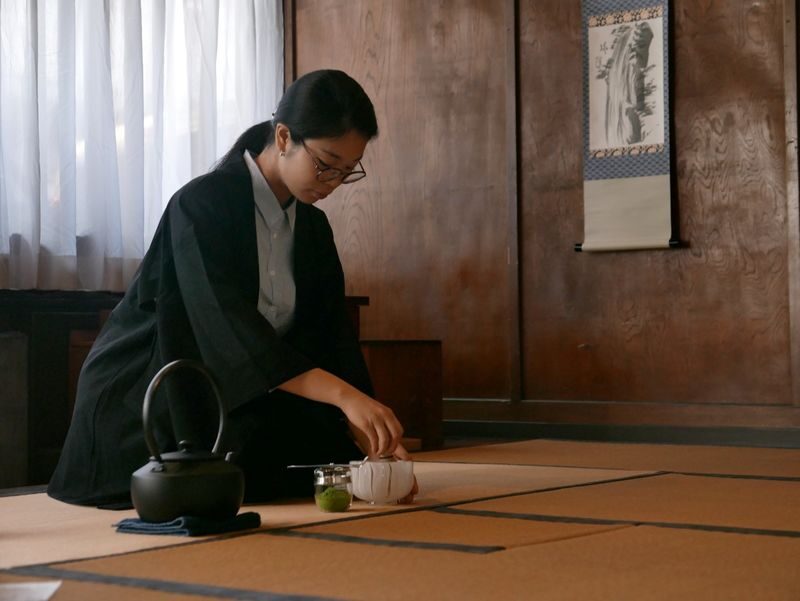
The quiet, focused pace is a welcome contrast to Kyoto’s busy sights. Families have found the session suitable for different ages, including children, and it can work as an easy cultural activity for several generations. Children aged 0 to 2 are free.
Still, the space is not always sealed off from the outside world. The venue also sells tea goods and crafts, and people may enter the shop during a session. That can interrupt the atmosphere, especially if you came hoping for a fully private meditation. The trade-off is practical: you can browse authentic items after the ceremony and buy matcha or a tea set if you want a reminder to take home.
Those purchases are optional and are not part of the ticket. I’d treat the shop as a pleasant extra, not as a promised take-home gift. One useful way to make the visit feel complete is to ask about the matcha or utensils used in class, then decide whether anything is worth bringing home.
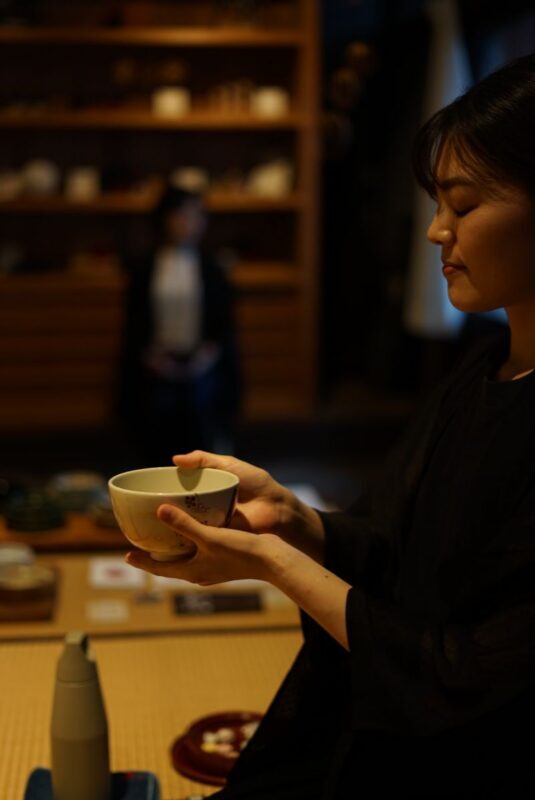
At a starting price of $50.65, this is not simply a cup of tea. You are paying for a 45-minute guided introduction, the use of handcrafted utensils, refreshments, a demonstration, and the chance to prepare matcha yourself in a historic townhouse. For someone curious about Japanese customs, that combination can justify the price.
Value depends on what you want. If your priority is a long, highly formal ceremony, this short, conversational class may feel light for the cost. The tea-making portion is only part of the session, and the discussion takes time too. If you want an approachable cultural lesson that fits between sightseeing stops, the compact length is an advantage.
The overall quality rating is 4.9 out of 5 from 346 ratings, with a 98 percent good-review rate across 351 provider reviews. Those figures point to a consistently well-received experience, but they do not change the basic trade-off: this is a friendly introduction, not an exhaustive study of tea ceremony.
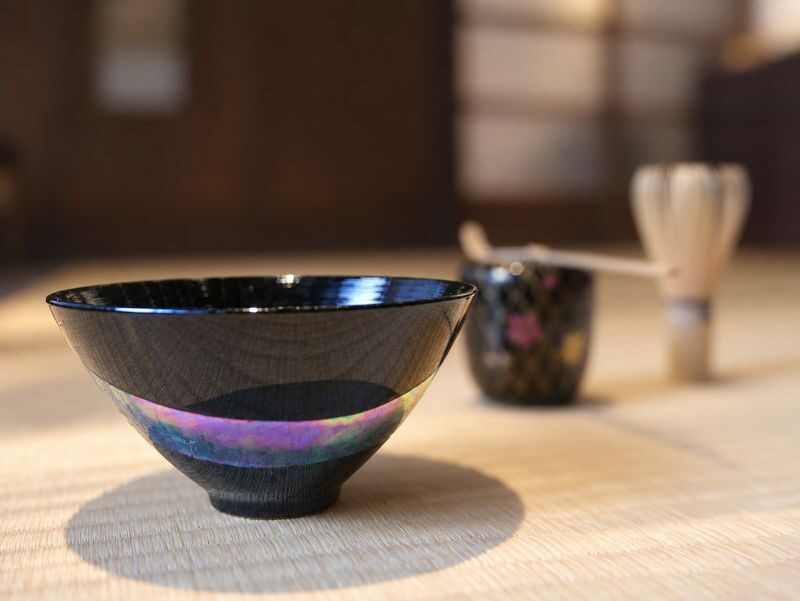
Book it if you want to understand more than the taste of matcha. The class suits first-timers, curious tea drinkers, families with older children, and anyone who wants a gentle change of pace between Kyoto’s temples and streets. You do not need prior knowledge, and questions are welcome.
It is also a good fit if you value participation. Seeing a tea master demonstrate the host’s role, then trying the visitor and host customs yourself, makes the session more memorable than a demonstration alone. The older townhouse adds a sense of place without requiring a long trip or a half-day commitment.
Consider another option if your top priority is solitude, a private group, or detailed coaching on every whisking movement. This session is welcoming and intimate, but it is still a shared experience in a venue that includes a shop. Go expecting a calm, social lesson rather than a silent retreat.
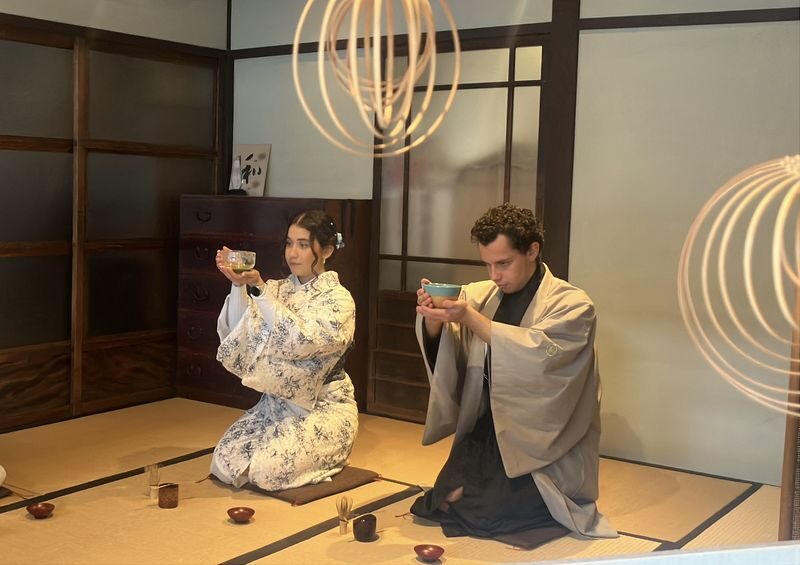
I’d book this tea ceremony if you want a practical, welcoming introduction to matcha and Kyoto tea customs, especially if your itinerary could use a quiet 45-minute pause. The standout value is the combination of an old machiya setting, a thoughtful tea master, and the chance to make your own bowl.
Go in knowing that it is brief, conversational, and not always completely private. If those limits suit you, aeru gojo offers a meaningful way to slow down and notice the details behind a cup of tea.
“Hana was absolutely wonderful during our Kyoto tea ceremony. Her calm presence, clear explanations, and deep knowledge made the experience truly sp…”
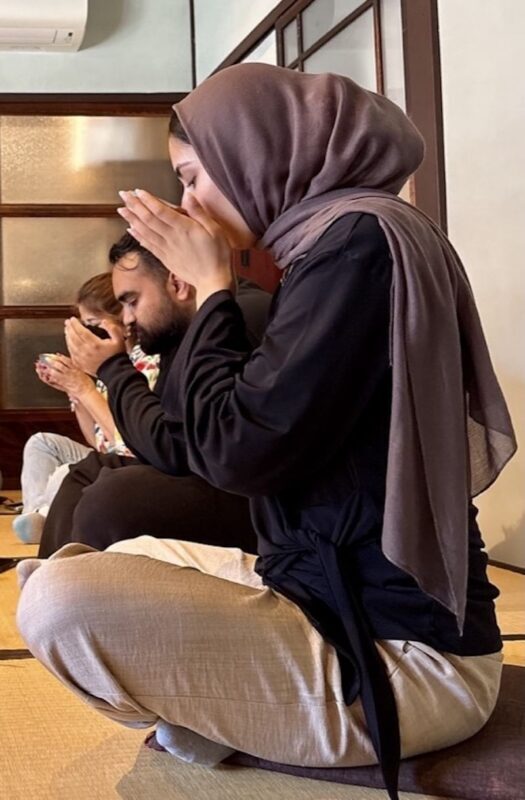
The activity is listed as a 45-minute experience.
It takes place at Tea Ceremony aeru gojo, in a 100-year-old Kyoto townhouse.
Yes. The tea master demonstrates the process, then you make your own bowl using handcrafted utensils.
Yes. Refreshments are included. Traditional sweets have also been served with the tea.
Yes. Chairs are available for people who prefer not to sit on tatami.
Yes. The venue is wheelchair accessible, and the activity is also stroller accessible. If you use a wheelchair, arrive five minutes early for assistance.
You can receive a full refund if you cancel at least 24 hours before the activity date, based on local time. Booking changes are also allowed until 24 hours before the activity starts, subject to the stated booking restrictions.