Physical Address
304 North Cardinal St.
Dorchester Center, MA 02124
Physical Address
304 North Cardinal St.
Dorchester Center, MA 02124

Compare Hakone’s shrine, Lake Ashi and Owakudani with Fuji-side springs and swans on this value-minded Tokyo day tour.
Mount Fuji and Hakone make an ambitious day out of two distinct sides of Japan: a volcanic valley and shrine country in the morning, then Fuji-side lakes and spring ponds in the afternoon. I like the included Owakudani Ropeway ticket and the mix of big-name sights with quieter moments, such as feeding swans at Lake Yamanaka.
I also like having a guide and bus transfers for a route that would take more planning to piece together on your own. Guides including Mandy, Sakuragi, Will and Ohashi have been praised for clear explanations and thoughtful help. The trade-off is time: with several stops in one day, the shrine, lakes and village visits can feel brisk, especially in traffic or peak season.
The tour runs for about 10.5 hours, with departure from Tokyo in the morning and a return to either Shinjuku or Tokyo Station in the evening, depending on the chosen arrangement. Round-trip bus transport and an English- or Chinese-speaking guide are included, so you can leave the route planning to someone else and focus on the stops.
The route has two clear halves. Hakone brings shrine grounds, lake views, a possible boat ride and Owakudani’s steaming volcanic terrain. Later, Lake Yamanaka and Oshino Hakkai offer a more rural feel, with open water, swans, clear springs and traditional-style cottages.
That range is the tour’s main strength. You get a generous sampler of the Fuji and Hakone area in one day, rather than spending the whole outing at a single site. The cost of that breadth is a fast pace: sightseeing windows are short, and the schedule can shift with traffic, weather or facility closures.
At a starting price of $49.25, the package can be good value if you want transport, a guide and the included ropeway ticket bundled together. The pirate ship is not included, and meals, drinks and personal expenses are extra, so budget for those separately. The tour is best understood as an efficient overview, not a slow visit to every stop.
You might also be interested in these Fujiyoshida experiences
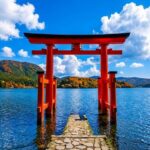
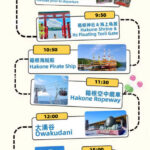
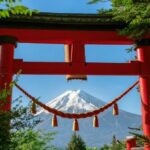
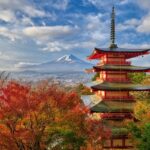
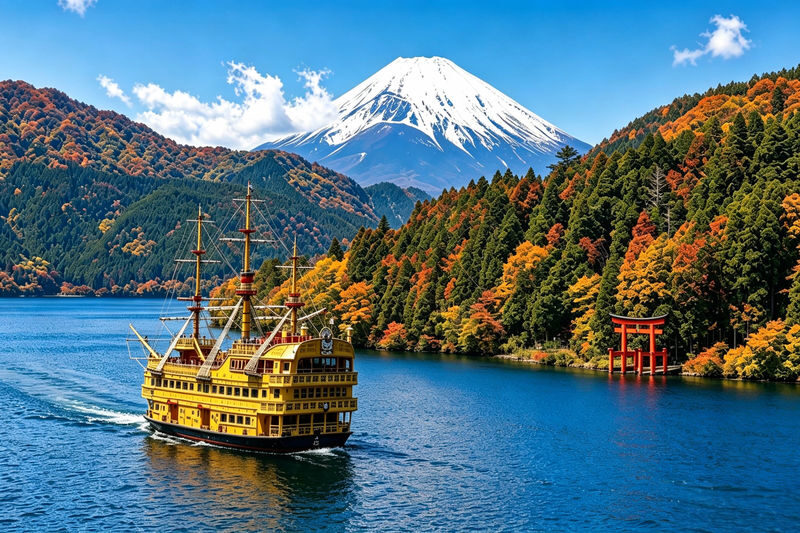
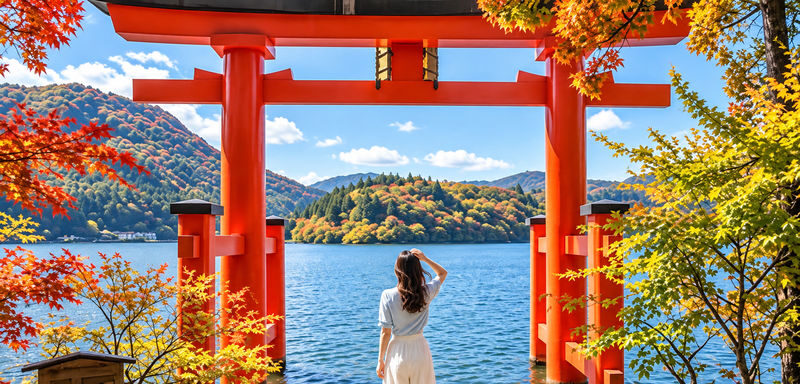
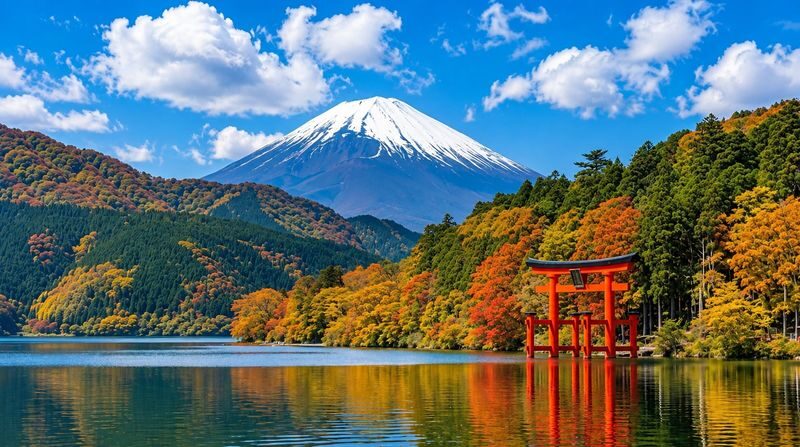
Hakone Shrine sits near Lake Ashi and dates to 757. Its forested setting and vermilion shrine buildings offer a change of pace from the open lake views, while the waterside Heiwa no Torii is the famous photo stop. The gate stands in the water at the lake’s edge, framed by Hakone’s mountains.
You have about 40 minutes at the shrine, followed by a separate 20-minute stop at the torii. That sounds workable on paper, but crowds can quickly eat into the time. One tour participant described the shrine visit as rushed, and a separate account noted getting only a few minutes at the waterside gate after traffic delays. Plan to choose between exploring the grounds and waiting for a photo rather than assuming you can do both at leisure.
The shrine and gate are also not interchangeable stops. The shrine itself offers a more atmospheric walk through a sacred site; the torii is the iconic composition over the water. If your priority is the photo, follow the guide’s timing closely and be ready to move when it is time to return to the bus.
The gate has a seasonal access notice in the tour information: it is scheduled to be closed from December 29 through February 8, 2026. For that period, the visit shifts toward more time at Hakone Shrine. Check the conditions for your travel date, since the gate is a key part of the usual photo stop.
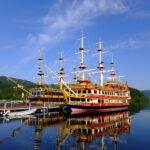
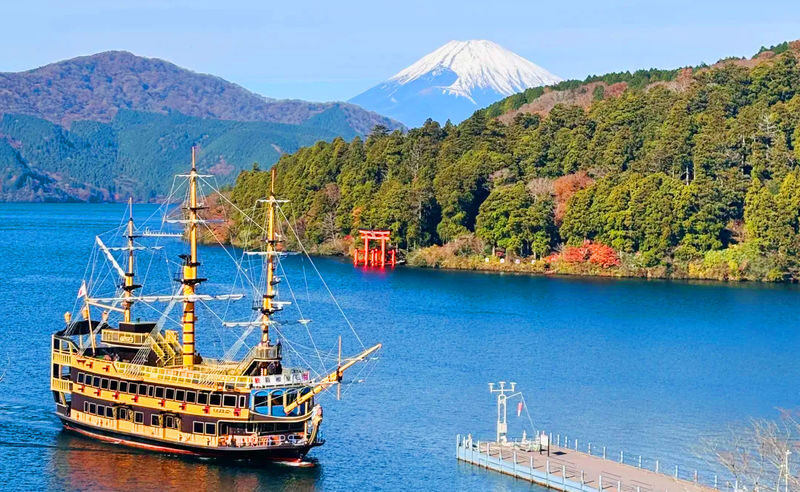
The route includes time at Togendai Port, where you can choose to board the Lake Ashi pirate ship. The vessel is styled after an 18th-century European warship, a playful contrast to the shrine and mountain scenery. From the water, you may see the surrounding hills and, on a clear day, Mount Fuji.
The cruise is optional and costs ¥1,700 for a one-way trip. Since the ride is not included in the tour price, decide in advance whether it matters to you and keep some spending money handy. The stop is listed as about 30 minutes, so confirm with your guide how boarding and the group’s onward travel fit together on the day.
This is a good example of the tour’s choose-your-own-adventure element, though within tight limits. The boat adds a different view of the lake, but it is an extra expense and may not suit anyone who would rather use the short stop to rest or take photos from shore.
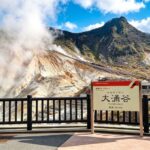
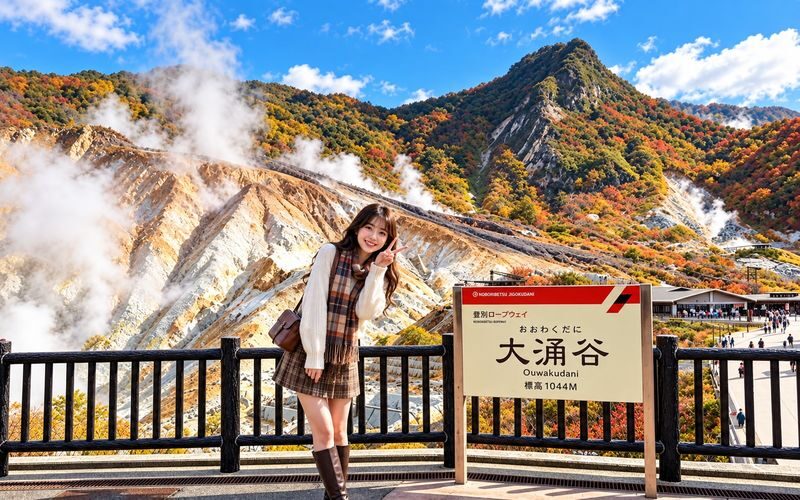
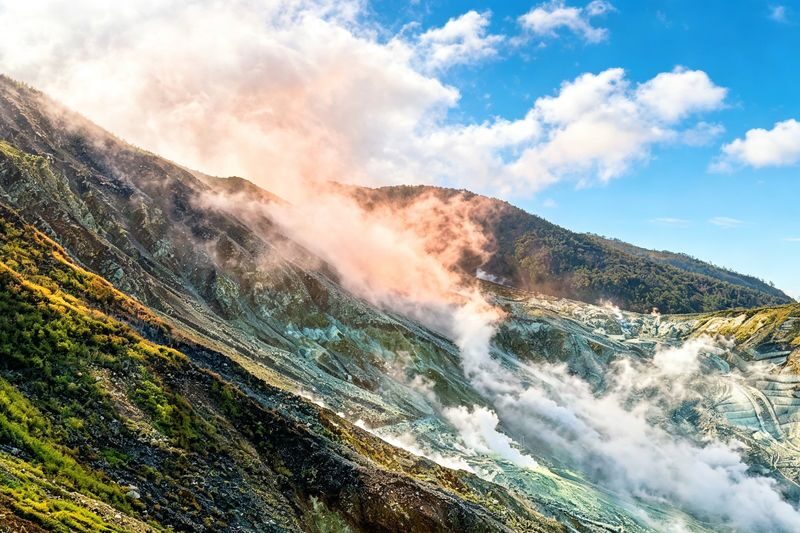
Owakudani is a volcanic area formed after an eruption roughly 3,000 years ago. The terrain is marked by exposed rock and geothermal steam, with sulfur in the air. It feels stark and otherworldly beside the gentler lake and village stops.
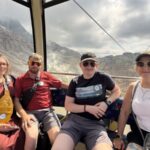
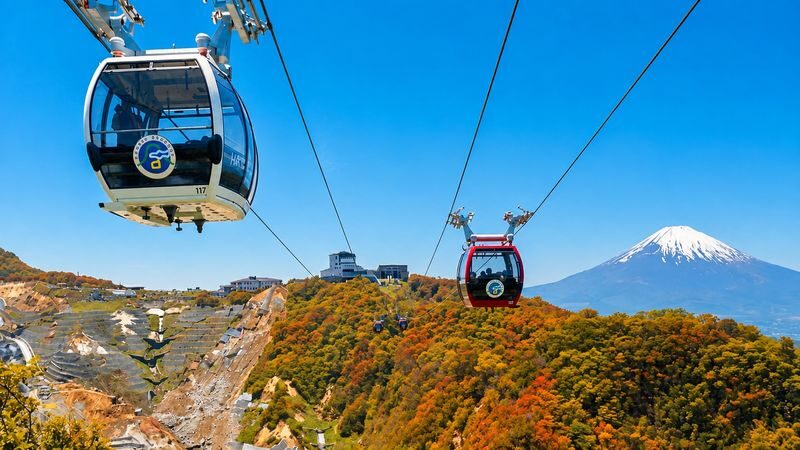
The Owakudani Ropeway ticket is included as a complimentary gift. The route gives you an elevated view over the volcanic area, and clear weather can bring distant views of Mount Fuji and Lake Ashi. At the site itself, you have time to look at the steaming ground and take in the dramatic setting. The schedule allocates roughly 30 minutes for the ropeway stop and another 40 minutes at Owakudani, though the actual arrangement may vary.
Weather can affect the ropeway and other facilities. If a ropeway, cruise or similar service stops operating, the guide may adjust the route or time at other stops. There is also a specific operating change listed for January 31 through February 20, 2026: travel from Sounzan to Owakudani replaces the Togendai-to-Owakudani cable-car segment. Confirm what applies to your date before setting expectations.
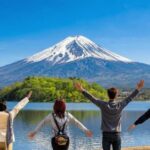
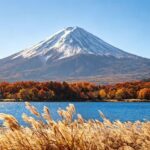
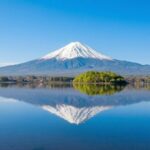
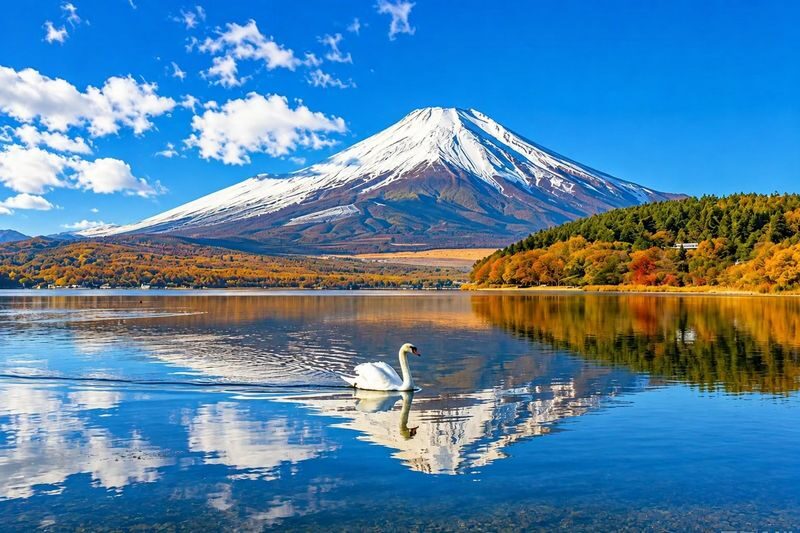
Lake Yamanaka is the largest and highest-altitude of the Fuji Five Lakes, set on Mount Fuji’s eastern side. The appeal here is less about a formal attraction and more about the open lake, the possibility of a Fuji reflection, and the chance to feed swans by hand.
That swan stop gives the day a softer interlude after Owakudani’s steaming rock and before Oshino Hakkai’s ponds. It can be a lovely moment, especially for families, but the visit is self-guided and the time allocated is not specified. Keep an eye on the guide’s return instructions; the schedule is a group tour, not an open-ended lakeside stroll.
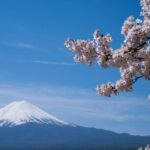
Mount Fuji’s visibility is never guaranteed. Summer haze and cloud can obscure the peak, and rain can spoil the reflection. The route still has worthwhile scenery if Fuji stays hidden, but book this tour for the range of stops, not solely for a perfect mountain photograph.
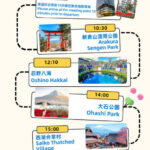
Oshino Hakkai is a group of eight spring-fed ponds in Oshino Village. The water comes from Mount Fuji snowmelt filtered through the ground over many years, and its clarity is the main attraction. That clear water, along with thatched-roof cottages and village lanes, gives this stop a quieter, rural character.
The tour allows about 40 minutes. That is enough for a walk and a look at the ponds, but not necessarily a leisurely visit to all eight. The village can be busy, and the route from the bus parking area varies; one guide was noted for getting the group to the ponds with a short walk. Bring an empty bottle if you want to carry spring water, as a guide specifically suggested this practical tip.
The water is described as safe to drink directly, with a year-round temperature around 13°C. Still, don’t expect the stop to be a long countryside ramble. It is a compact visit, and your best use of the time is to take in the clear pools, enjoy the village details and keep track of the group’s meeting time.
The tour’s guide can make a real difference on a day with several transfers and short stops. Guides named Mandy, Sakuragi, Will and Ohashi have been praised for sharing background information, explaining where to go, helping with photos and keeping groups moving. Those individual guides are not guaranteed, but the consistent emphasis on clear instructions is useful on a busy route.
Some guides work in Chinese and English, and the package choice specifies the service language. Vehicle size depends on the number of participants; smaller groups may have a driver who also serves as an attendant, with briefer commentary. Seats are assigned on a first-come basis, and special requests are not guaranteed.
At this price, the value lies in the transportation and the number of places covered, especially if you are visiting the region for the first time. You avoid arranging connections between Hakone and the Fuji Five Lakes, and the included ropeway ticket helps. But the optional boat ride, food and drinks add to the outlay, while the short stops mean you are paying for coverage rather than depth.
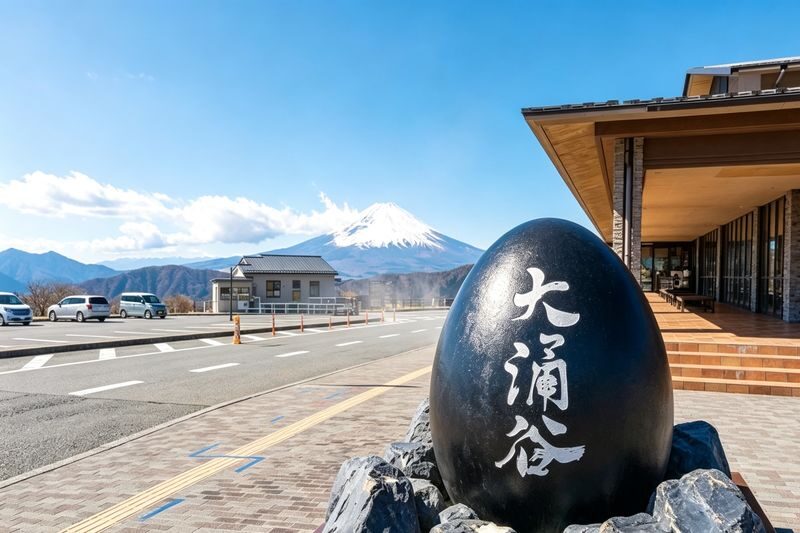
Expect an early start and a full day away from Tokyo. You will receive guide and vehicle details by email the evening before departure, sometimes as late as 9 p.m.; check your spam folder and use the latest message if more than one arrives. Be at the confirmed meeting point 10 minutes early. The listed return points include Shinjuku West Exit and Tokyo Station Marunouchi North Exit, with arrival times subject to road conditions, so verify the exact arrangement for your booking.
Bring comfortable walking shoes, warm clothing in winter or for mountain conditions, a power bank and light snacks. There is no meal included, and the schedule may not leave enough time for a relaxed sit-down lunch. Eating and drinking are not allowed on the vehicle, so finish snacks before boarding.
Traffic is the main wildcard. The route may change or lose time because of congestion, weather, maintenance or facility closures. During Japan’s Obon peak travel period, August 8 to August 16, expect especially heavy traffic and possible schedule changes. Avoid booking a flight, Shinkansen or dinner reservation for the same evening.
This is a group activity, and children and infants count toward the passenger total. Participants must be under 70. Luggage needs advance approval; bringing it without permission may mean you cannot board. The tour may also be cancelled if the minimum group size is not met or extreme weather makes travel unsafe.
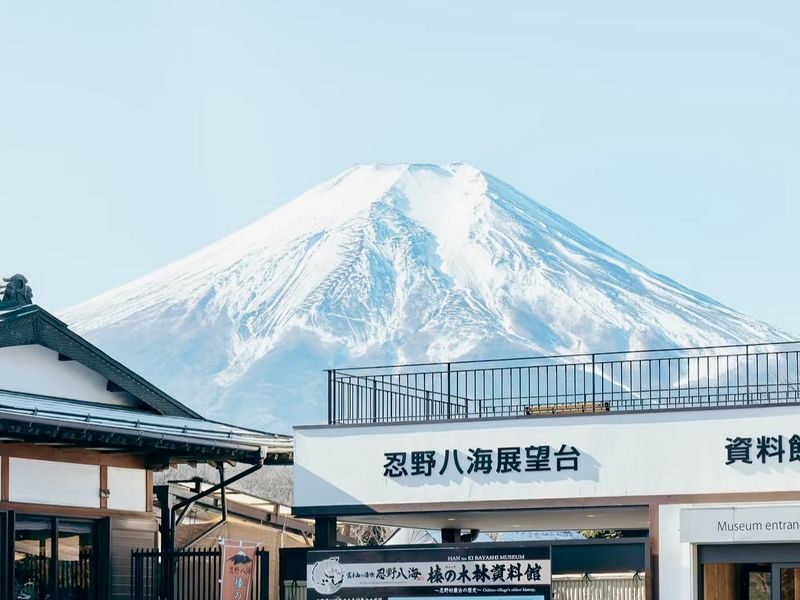
Book it if you want a broad first look at Hakone and the Fuji area without arranging transport yourself. The mix is appealing: shrine and lake in the morning, volcanic steam, swans and clear spring ponds later, with a guide helping the day hold together.
Think twice if you want long, unhurried visits, a guaranteed view of Mount Fuji or a leisurely lunch. Those are not promises this route can make. For a value-minded day that covers many distinct sights, with an included ropeway ticket and an optional boat ride, it is a sensible choice. Go with flexible expectations, carry snacks, and treat Fuji as a possible bonus rather than the whole point.
“We had a wonderful trip to Hakone with Ms. Yang as our tour guide. She was very enthusiastic, friendly, and energetic throughout the entire journey…”
Yes. The tour includes a complimentary Owakudani Ropeway ticket. The ticket is not refundable or changeable if you do not use it.
No. The one-way ride costs ¥1,700 and is paid separately.
The meeting-point group tour is offered with Chinese or English service. Check that you select the language option you want when booking.
The tour lasts about 10.5 hours. The listed return times are around 18:10 at Shinjuku West Exit or 18:40 at Tokyo Station Marunouchi North Exit, subject to road conditions and the selected arrangement.
No. Visibility depends on the weather and can be especially low in summer. The tour still visits its other scheduled sights if the mountain is obscured.
A full refund is available if you cancel at least 24 hours before the activity date, using destination local time. Late arrivals and no-shows are not refundable.