Physical Address
304 North Cardinal St.
Dorchester Center, MA 02124
Physical Address
304 North Cardinal St.
Dorchester Center, MA 02124

Visit I. M. Pei’s Miho Museum, a serene Kyoto-area garden and Lake Biwa’s floating torii on a full-day trip from Osaka or Kyoto.
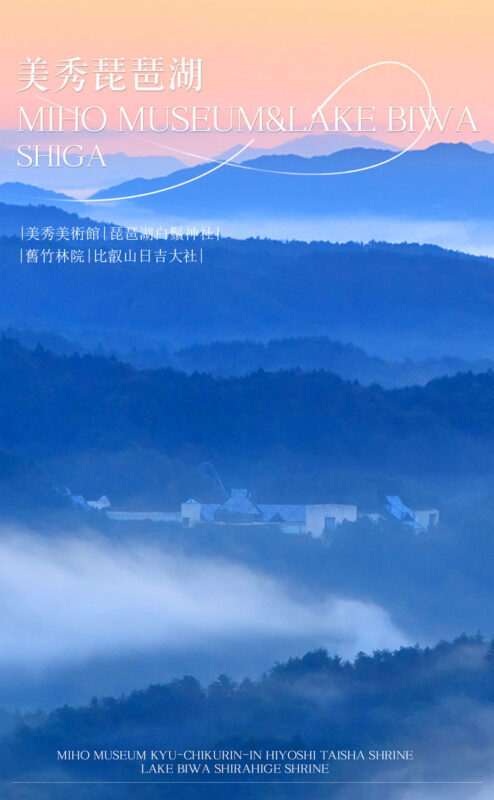
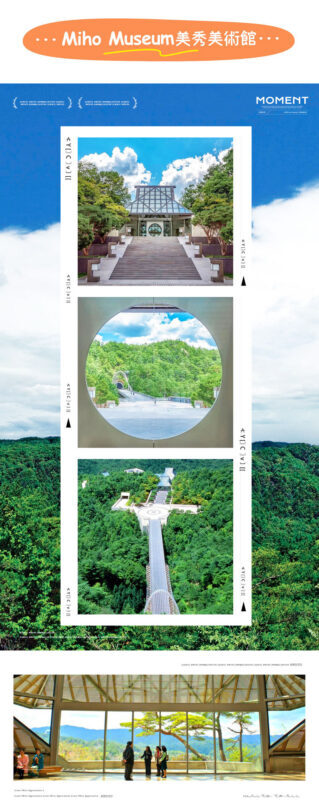
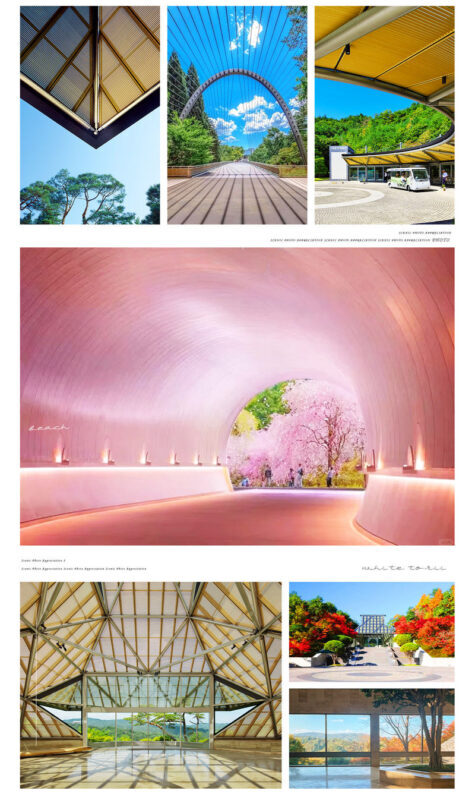
Miho Museum is the star here: I. M. Pei’s museum sits in the mountains, with a tunnel and suspension bridge leading toward its striking entrance. The approach is part of the visit, not just a way to get indoors, and the building’s clean lines make the setting feel carefully considered.
I like two things about this day out: it solves the awkward transport problem of reaching several Shiga sights, and it combines architecture with quieter places of worship and garden scenery. You get a different side of the Kyoto region, with time to look around on your own at each stop.
The main trade-off is time. The museum stop lasts 2.5 hours, including your chance to eat, and that can feel short if you want to explore both the collection and the building at leisure. Admission and meals cost extra, and the long return journey can run late.
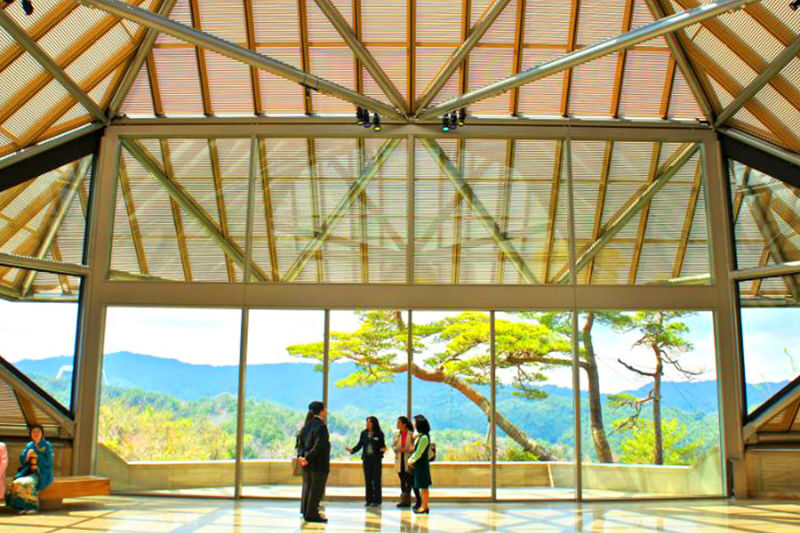
Miho Museum is not a typical roadside stop. Much of the building is set into the mountain, and the route in passes through a tunnel and over a suspension bridge before the view opens toward the museum. The design follows the idea of Peach Blossom Spring, an imagined retreat reached by leaving the everyday world behind. Even if you don’t know the story, the gradual change from enclosed passage to open mountain view gives the approach a quiet sense of occasion.
Inside, the collection brings together art from several ancient civilizations. The specific exhibitions can vary, so check what is on before you go if one subject matters especially to you. The building itself is a draw for visitors interested in architecture: strong lines, natural light and mountain views make the setting feel integral to the art rather than an afterthought.
You have 2.5 hours here, which includes time to walk through the grounds, see the museum and get lunch. For many people, that is enough to take in the main spaces and enjoy the approach. If you want to study the collection closely or take a proper sit-down meal, it may feel brisk. The museum is the main reason to book for some people, and it is worth thinking about how you prefer to spend your time before you commit to a schedule shared with a group.
Spring can add a tunnel of cherry blossoms to the approach, but bloom timing depends on the season and weather. Don’t book on the assumption that the trees will be at their best on a particular date. The scenery can still reward a visit outside blossom season, but the pink-framed arrival is an occasional bonus, not a promise.
Admission is not included. The listed fees are ¥1,100 for the permanent exhibition and ¥1,300 for a special exhibition. Which one applies depends on what you choose to see, so budget for the museum separately from the tour price.
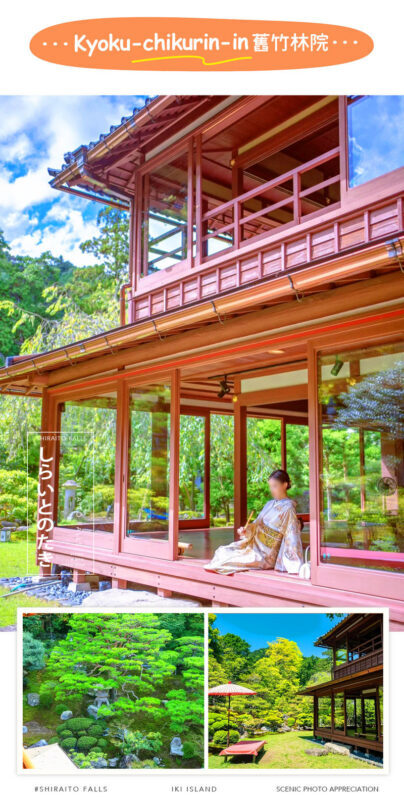
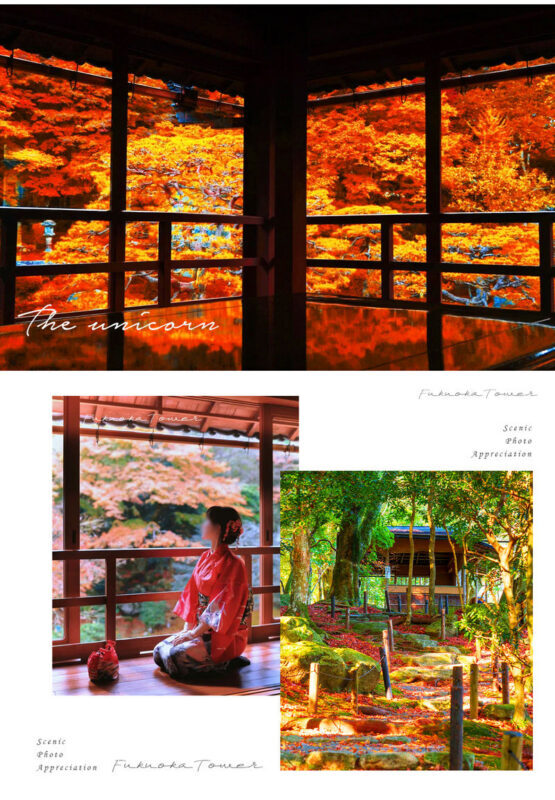
The next stop changes the pace. Kyu-Chikurin-in Temple is known for a garden viewed from inside a traditional wooden building. In the attic, a polished table can reflect the garden like a mirror, turning moss, rocks and foliage into a composed image. The appeal is as much about sitting still and looking as it is about taking a photograph.
The stop is scheduled for one hour. That gives you time to look around, take in the garden and, if you wish, have matcha with Japanese sweets. Admission and refreshments are extra. This is a small-scale visit, not an expansive temple complex, so the hour may feel generous if you want a calm break, or brief if you like to linger over a cup of tea and try several photo angles.
Kyu-Chikurin-in is closed on Mondays, except holidays, and on the day after a holiday. It will also be closed for garden renovation from July 1 through September 30, 2026. During that period, the tour visits Hiyoshi Taisha Shrine instead. The temple and shrine are alternatives in the schedule, not guaranteed back-to-back stops.
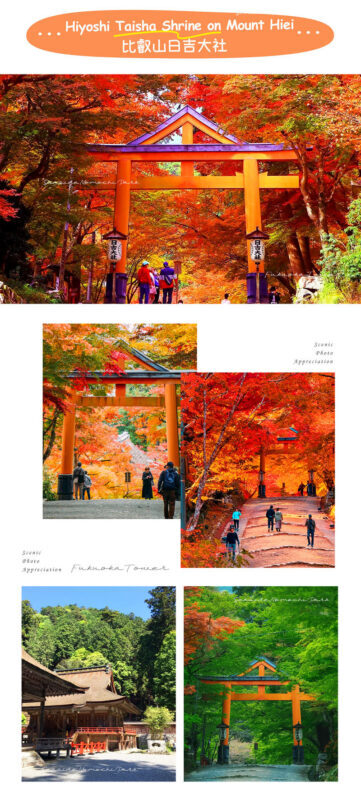
When the garden is closed, the alternative is Hiyoshi Taisha on Mount Hiei. The shrine is the head shrine of more than 3,800 Hie and Hiyoshi shrines in Japan, and its red Sanno torii gates give it a distinct look from the temple garden. Monkey figures and guardians appear around the grounds, reflecting the monkeys’ role as the shrine’s divine messengers.
This is a change in character, not a substitute garden. At Kyu-Chikurin-in, the focus is a contained view of moss, stone and reflection. At Hiyoshi Taisha, you’ll find a larger sacred precinct and a stronger sense of shrine tradition. Autumn foliage can add color around the grounds, though, as with spring blossoms, seasonal displays depend on the weather and timing.
The scheduled stop is about an hour. That is enough to see a portion of the grounds, but it is not a long visit for anyone who likes to explore every path. If you are travelling during the 2026 closure dates, check the day’s plan carefully so you know which stop to expect.
The day ends at Shirahige Shrine, where a torii gate stands in Lake Biwa. Against the broad water and distant Oki Island, it is a simple, memorable image. Light, cloud and water color change the scene, so a clear afternoon and a hazy one can feel quite different.
The stop is scheduled for 30 minutes. Treat it as a short look and photo opportunity, not an extended lakeside visit. The torii is viewed from the shore, and access to the water’s edge is not part of the stated itinerary. In rain or poor visibility, you may have less time or a less dramatic view. One practical detail: a stop this short leaves little room for waiting around for the perfect light.
There is a road between viewing areas and the shrine-side scene, so take care and follow the guide’s directions. The point is not to rush into traffic for a photograph. Give yourself a moment to look beyond the camera: the torii, open water and distant island are the reason to stop here, even if the picture you take is not postcard-perfect.
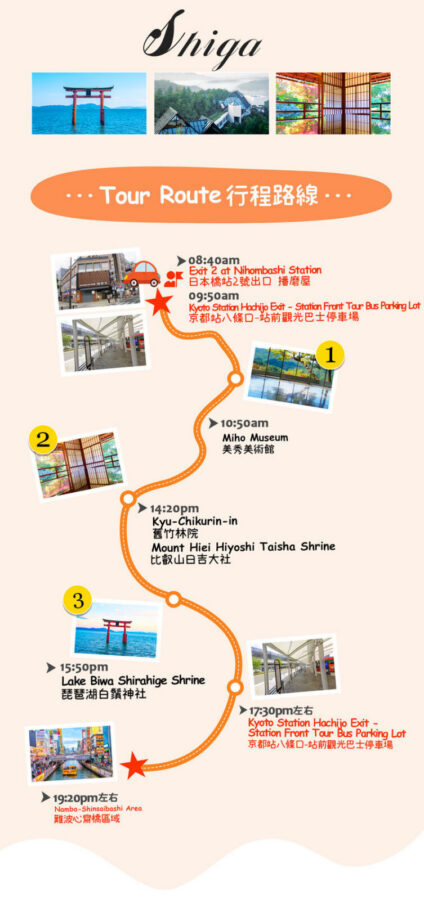
The tour runs as a shared trip from Osaka or Kyoto. The Osaka departure is listed for 8:40 a.m., with a return estimate of 7:00 to 7:30 p.m. The Kyoto departure is listed for 9:50 a.m., with a return estimate of 5:15 to 5:45 p.m. Confirm your exact meeting point and time in the message sent the evening before, as busy-season departures can shift.
The stated visit times are 2.5 hours at Miho Museum, one hour at Kyu-Chikurin-in or Hiyoshi Taisha, and 30 minutes at Lake Biwa. These are useful windows, but the road journey links all three stops, and traffic or weather can change the order and timing. Japanese law limits vehicle use to ten hours, so the guide may need to adjust the day’s schedule.
Leave your evening open. The listed return times are estimates, and the operator specifically warns that road conditions can delay arrival. Don’t book a restaurant, show or onward train that depends on the bus returning at the earliest quoted time.
Lunch is not included. The museum has restaurants and cafés, but the schedule is tight and dining options can have lines. Bring a snack or something easy to eat in case you don’t have time for a full meal. Water and a little food are especially useful on a long day with several hours of transport.
The tour includes round-trip transport and a guide, with Mandarin- and English-speaking options. Guides named Naomi, Zhang Yong, Liao and Sen have been praised for clear explanations, help with photos and practical pointers. Guide assignments change, however, and an English-language option does not guarantee the same style or depth of explanation every day. If language is important to you, confirm your chosen package and make sure the day-before instructions are clear.
The group can range from four to 48 people. Vehicle size depends on the number booked, so you cannot choose a particular bus. Seating is generally first come, first served, and the vehicle can feel cramped on the longer stretches, especially if you are tall or prone to motion sickness. If you have a seating need, note it when booking, but understand that the final arrangement is made on the day.
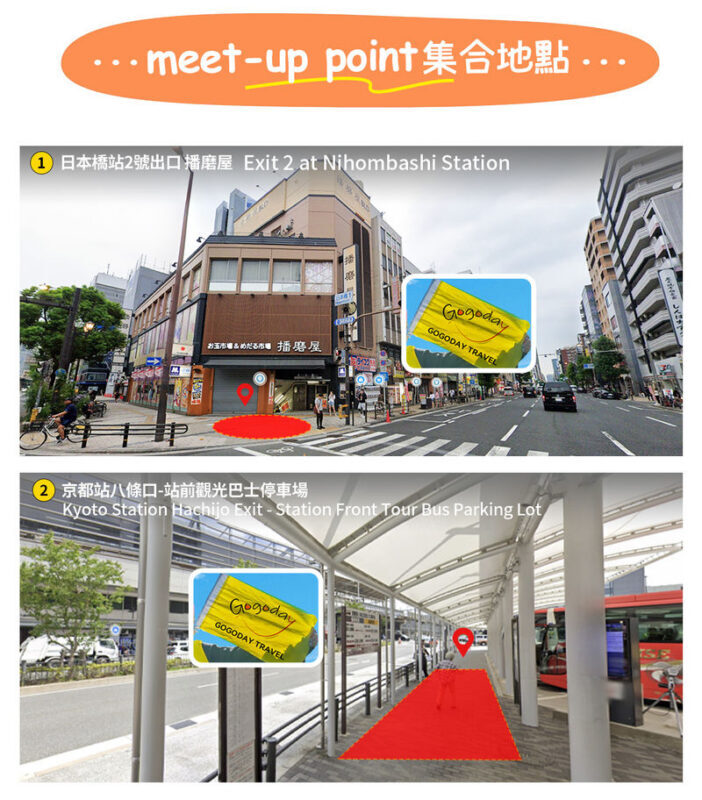
The meeting instructions matter. Osaka pickup is at Nippombashi Station Exit 2 in the Namba area. Kyoto pickup is at the Hachijo Exit sightseeing-bus parking area at Kyoto Station. Arrive ten minutes early, check your email and spam folder the previous evening for the guide and vehicle details, and don’t change pickup points at the last minute. Missing the bus because you arrive late or go to the wrong place is not refundable.
The advertised starting price is $63.15, but it does not cover museum admission, temple admission or matcha and sweets, meals, drinks or personal purchases. Add the relevant entry fees and your lunch before comparing this with arranging your own transport.
The strongest value is convenience. Miho Museum, Kyu-Chikurin-in and Shirahige Shrine are not an easy set of stops to combine by public transport in one day. A shared vehicle handles the long connections and lets you visit three places with very different moods without planning every transfer yourself. The guide can also explain the stops and help with practical details, though the quality and language level can vary.
The weaker point is flexibility. You cannot stay longer at the museum because you have found an exhibition you love, or leave the group early to catch a different train. This is a structured day out, and its value depends on whether you would otherwise struggle to reach the sights. If the museum is your sole priority, you may prefer a plan that gives it more time. If you want to see several Shiga highlights without hiring a car, the package can make sense.
I’d consider this tour if you like architecture, gardens and sacred sites, and you are happy to see each at a measured but limited pace. It suits people based in Osaka or Kyoto who want a break from city sights and would rather let someone else handle the transport. The combination is its strength: a major architectural work, a quiet garden or historic shrine, and an open-water view in one day.
It is less suitable if you need a slow museum visit, dislike long bus rides, or want a guaranteed sunset at Lake Biwa. The shrine stop is brief, and the final light depends on the day’s timing and conditions. Families should note that children aged three and older pay the adult rate, infants aged zero to two travel free only if they do not occupy a separate seat, and child seats are not available.
Book with a flexible evening and a snack in your bag. If you value the journey between places as much as ticking off sights, and the extra admissions fit your budget, this is a practical way to see a distinctive corner of Shiga.
“Our tour guide, Mr. Zhang, provided detailed explanations, was warm and friendly, and offered attentive service. The overall travel experience was …”
The advertised duration is 8.5 hours. The actual day varies by departure point: Osaka is listed from 8:40 a.m. with an estimated return between 7:00 and 7:30 p.m., while Kyoto is listed from 9:50 a.m. with an estimated return between 5:15 and 5:45 p.m.
The tour includes round-trip transport from the meeting point and a guide. Museum and temple admission, matcha and sweets, meals, drinks, tips and personal expenses are not included.
The route includes Miho Museum, then Kyu-Chikurin-in Temple or Hiyoshi Taisha Shrine, followed by the floating torii at Shirahige Shrine on Lake Biwa. Kyu-Chikurin-in is replaced by Hiyoshi Taisha during the temple’s closure from July 1 to September 30, 2026.
The scheduled museum visit is 2.5 hours. That time includes your opportunity to see the museum and have lunch, so bring a snack if you want to avoid relying on a quick meal.
The package options include a Mandarin-speaking guide and an English-speaking guide. The shared vehicle may also include people who speak other languages.
The Osaka meeting point is at Nippombashi Station Exit 2, in the Namba area. The Kyoto meeting point is the sightseeing-bus parking area at Kyoto Station’s Hachijo Exit. Check the email sent the evening before for the guide and vehicle details.
A full refund is available if you cancel at least 24 hours before the activity date, in the destination’s local time. Late arrivals and no-shows are not refundable, and the tour requires at least four participants.