Physical Address
304 North Cardinal St.
Dorchester Center, MA 02124
Physical Address
304 North Cardinal St.
Dorchester Center, MA 02124

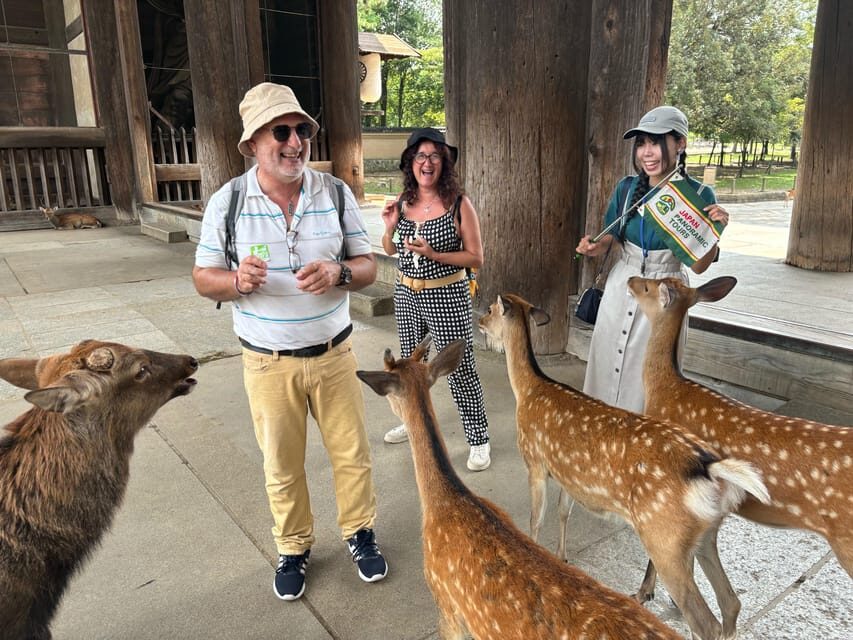
See Nara’s Great Buddha, lantern-lined Kasuga Taisha and free-roaming deer on a four-hour morning tour from Kyoto.
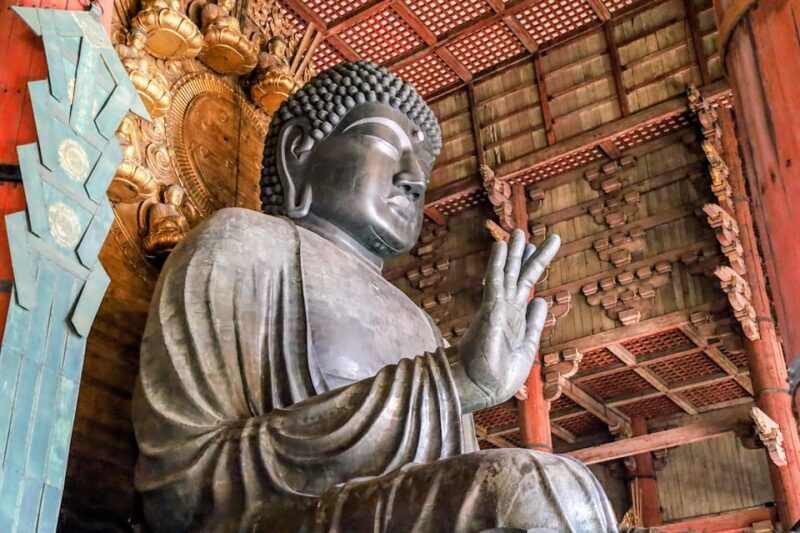
Nara’s deer wander right up to you, but the morning’s most imposing sight is the Great Buddha inside Todaiji Temple. This half-day trip pairs that enormous bronze figure with a lantern-lined shrine and time in the park, giving you a vivid taste of old Nara in four hours.
I like two things here: the route brings together three very different sides of Nara, and an English-speaking guide can add context while you move between them. Guides such as Ciel, Tommy, Nagomi and Mai have been praised for keeping the group engaged, sharing practical tips and helping solo visitors with photos.
The main catch is easy to miss: the coach does not take you back to Kyoto. You finish at Kintetsu Nara Station around noon and arrange your own return, with the fare and transit time to consider.
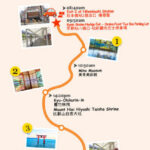
Meet at the Tully’s Coffee side of the Kyoto Avanti building by 7:50 AM. Look for the green-and-white Japan Panoramic Tours flag; the coach leaves at 8:00 sharp, and late arrivals cannot join partway through or receive a refund.
The roughly one-hour coach ride gives you a chance to sit back before the walking starts. The route passes Fushimi Castle and Heijokyo Palace, two historic landmarks that help set the scene for Nara’s long role in Japanese history. The bus has air conditioning and free Wi-Fi, a useful combination for checking plans or saving phone battery before you head into the park.
This is a guided English-language tour. Audio headsets are available in Spanish, French, Italian, German, Portuguese and Ukrainian. That gives non-English speakers another way to follow along, though the live guide speaks English.
The order of the Nara stops can change with traffic, weather or operational needs. The planned sequence lists Kasuga Taisha, Nara Park and Todaiji, while the precise route may vary. Keep the morning flexible rather than treating each stop time as a promise to the minute.
You can check availability for your dates here: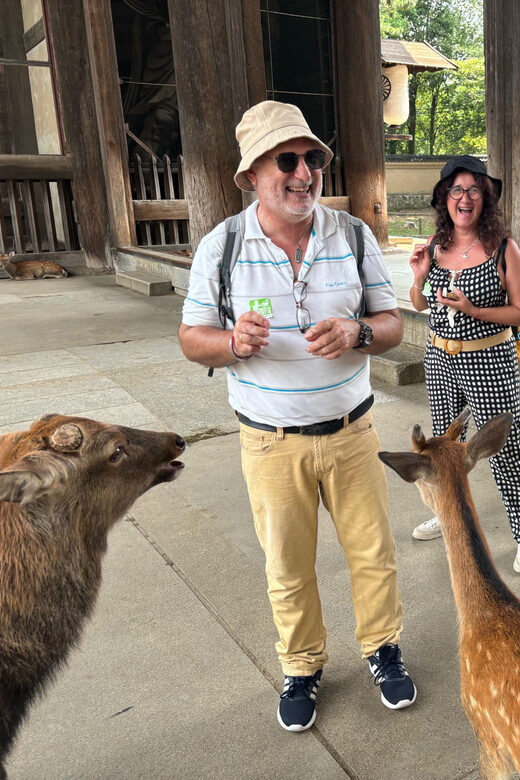
The visit to Kasuga Taisha lasts about 40 minutes and is guided. This Shinto shrine is a UNESCO World Heritage Site, known for the thousands of stone lanterns lining its approaches. The lanterns are lit during special festivals, but even in daylight their repeated shapes give the paths a distinctive sense of calm.
A guide can help you make more of a short visit than simply walking up, taking a photo and moving on. Guides on this tour have been praised for explaining local customs and history in clear, lively ways, while still giving people space to look around. Nagomi, for example, has used quizzes and extra cultural facts to make the journey more interactive. Your guide will depend on the departure date, so no particular person is guaranteed.
The time here is enough for an introduction, not an unhurried exploration of every part of the shrine grounds. If you like to pause often or take detailed photographs, you may feel the pace. The itinerary can also change if a site closes, in which case an alternative stop is planned.
If you prefer having a local expert, these guided Kyoto experiences could work well
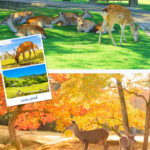
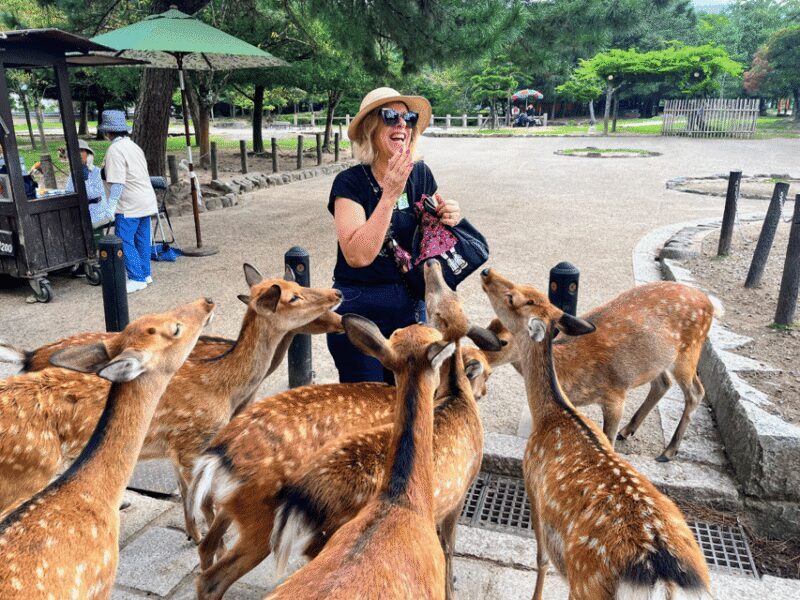
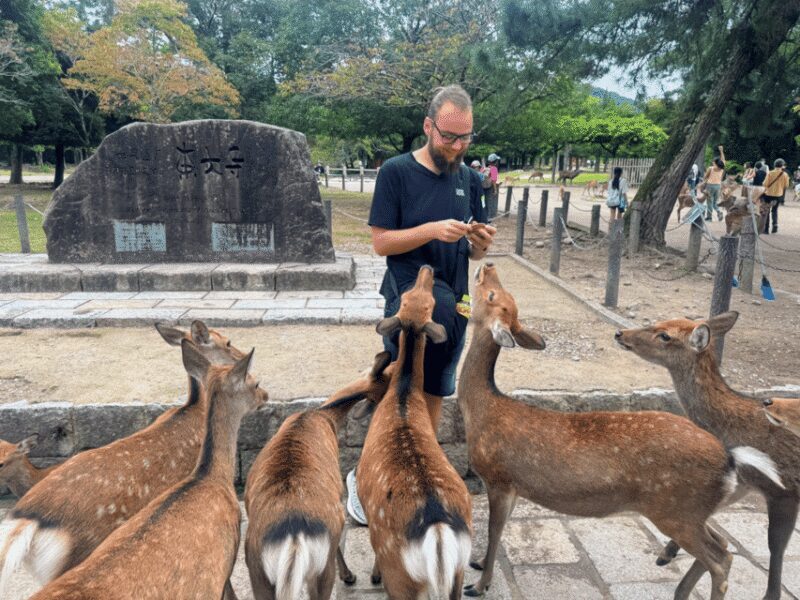
Nara Park is home to more than 1,400 deer, and they are free to roam among the paths and visitors. You get about 30 minutes of free time here, a chance to walk among them, take photos and, if you wish, feed them with special crackers sold in the park.
These are wild animals, not props. They can be friendly, but they also get eager when they spot food. A useful tip from guide Sakura is to keep crackers tucked away until you are ready to feed a deer, then show your empty hands when the food is gone. Deer may crowd around you, nip or nudge for more, so keep your belongings secure and follow the guide’s advice.
Feeding is allowed only with the special deer crackers. Don’t bring other food to offer them. If you would rather watch from a little distance, you can still enjoy the unusual sight of deer sharing the park with people.
The short free-time window is a trade-off. It makes the tour fit into a morning, but it may feel brief if the deer are your main reason for visiting. Some people find their behavior more assertive than expected, particularly around food. Approach calmly, avoid teasing them and remember that you are in their home.
Todaiji is the tour’s strongest architectural and historical stop. You get about 50 minutes for a guided visit, and admission is included. Its Great Buddha Hall, Daibutsuden, is a huge wooden structure built to house the Great Buddha of Nara. The scale of the hall and statue is hard to absorb from a quick glance, so give yourself time to look up, take in the details and listen to the guide’s explanation.
On the approach, you may also pass Nandaimon Gate, the grand entrance to the temple complex. Its imposing guardian statues add another memorable stop along the way. The temple grounds involve walking, stairs and hills, so comfortable shoes matter more than looking camera-ready.
This is a compact introduction rather than a slow temple visit. The guide helps you understand what you are seeing, while the schedule keeps the group moving. If Todaiji is your chief interest, you may wish you had longer to explore at your own pace. Still, including admission and a guided visit makes this a strong use of limited time.
At $77 per person, the price buys the coach journey from Kyoto to Nara, an English-speaking guide, Todaiji admission, Wi-Fi on the bus and audio headsets in six languages. You are also paying for a pre-arranged route through three major sights, which can be particularly useful if you have only one morning and would rather not plan each transfer yourself.
The value depends partly on what you expect from the ride. It is a one-way trip to Nara, not a round-trip transfer. You need to pay for your return to Kyoto separately and allow time to work out your onward transport. This point has caught people off guard, so factor in the extra fare and the station journey when comparing the tour with a do-it-yourself visit.
Meals, drinks and personal expenses are not included. Bring cash if you plan to buy deer crackers or want spending money for the day. There is no hotel pickup or drop-off.
The morning is busy but organized around useful highlights: 40 minutes at Kasuga Taisha, 30 minutes of park time and 50 minutes at Todaiji. That rhythm suits people who want an overview. If you prefer long, quiet visits or want several hours with the deer, a self-guided day gives you more freedom.
More Great Tours Nearby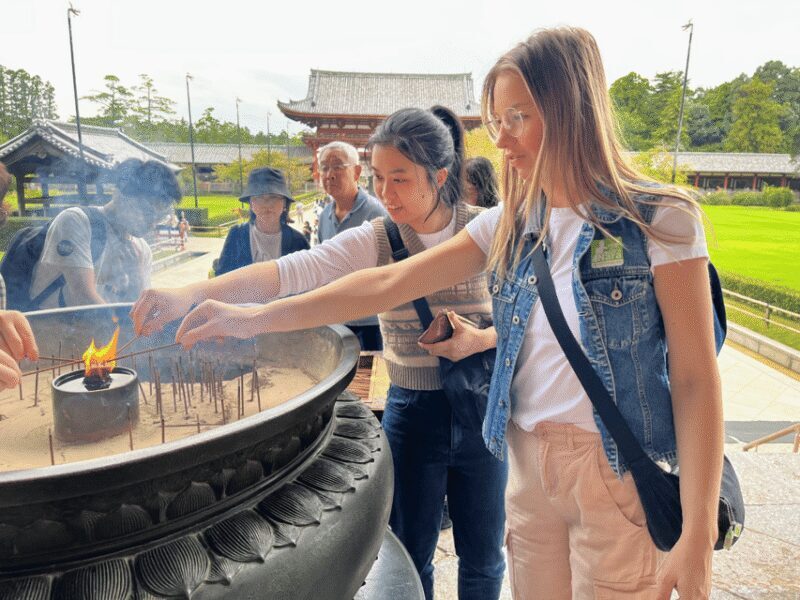
Expect a moderate amount of walking, including stairs and hills. This tour is not suitable for wheelchair users or people with mobility impairments. Wear comfortable shoes, carry water and bring a hat and sunscreen on sunny days. For wet weather, pack an umbrella or raincoat; the visit goes ahead in changing conditions, and rain has not stopped guides from keeping the group engaged.
The park can be crowded, so keep your bags and small items close. Smoking, alcohol and drugs are not allowed, and flash photography is prohibited. Do not litter, and keep alcoholic drinks off the coach.
This is an early start, but it also gets you to Nara for a morning visit. One guide, Mai, was credited with helping a group arrive before the crowds built up. Timing can vary, so treat that as a possibility rather than a guarantee. The tour ends around noon at Kintetsu Nara Station, giving you the option to continue exploring Nara independently or head back to Kyoto.
You might also be interested in these Kyoto experiences
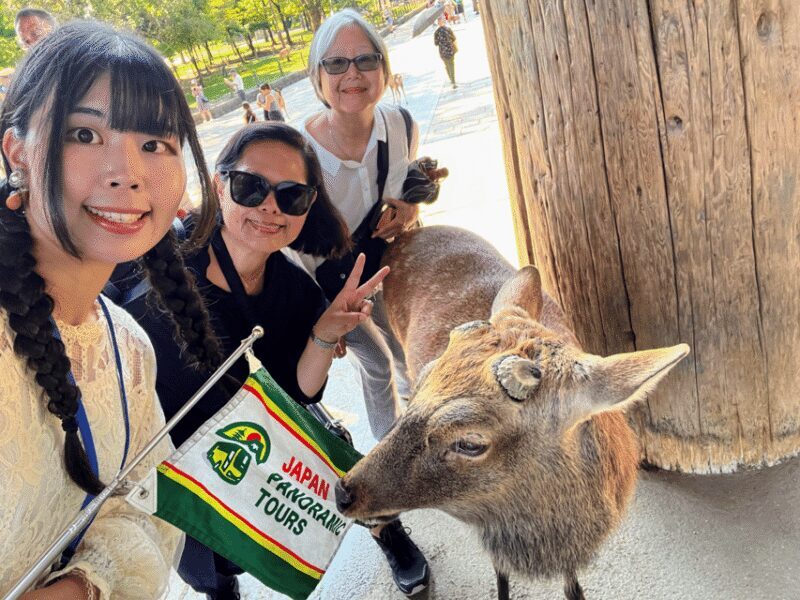
This is a good fit if you are staying in Kyoto, have limited time and want a guided first look at Nara’s best-known sights. Families can appreciate the simple combination of temples, a shrine and deer, though children should be prepared for walking and should follow the guide’s instructions around the animals. Solo visitors may also find the group format useful; guides have offered to take photos and helped people feel included.
The guide can make a real difference to the morning. Across different departures, guides including Ciel, Tommy, Nagomi, Den, Mai, Sakura and Aoi have been praised for warmth, humor and clear explanations. These names are examples, not a roster you can select when booking. The bus ride, guided stops and free-time interval create a well-contained outing, but they do not leave much room to linger.
If you want a longer day, a full-day option may be worth checking separately. Some people have extended their plans to include lunch and additional stops, but that is not part of this four-hour tour. Book this version for a focused morning, not a full exploration of Nara.
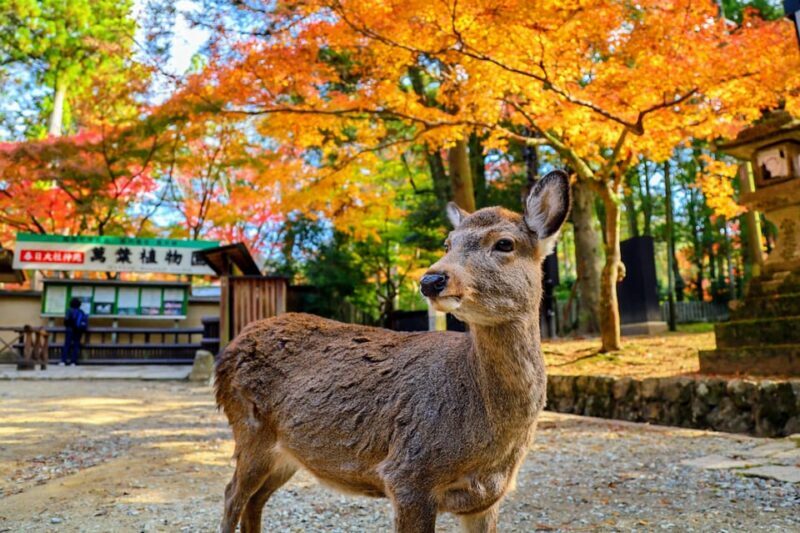
Book it if you want a convenient, guided route from Kyoto to Todaiji, Kasuga Taisha and Nara Park without spending your morning arranging each stop. The Great Buddha, the shrine’s lantern-lined paths and the deer give you a varied introduction, and the included temple admission adds practical value.
Skip it if you need the tour to bring you back to Kyoto, want a slow visit or have difficulty with stairs and hills. Before booking, plan your own return from Kintetsu Nara Station and be realistic about the short free-time window. With those details clear, this is a sensible way to see Nara’s essential sights in half a day.
“The tour was fantastic – well worth doing. Nagomi was very interesting, fun and helpful. 10/10 tour guide”
Meet at the Tully’s Coffee side of the Kyoto Avanti building, at 31 Higashikujo Nishiyamao-cho, Minami Ward. Look for the green-and-white Japan Panoramic Tours flag.
The meeting time is 7:50 AM, and the coach departs at 8:00 AM. Latecomers cannot join the tour after departure.
No. The tour ends at Kintetsu Nara Station around noon. You arrange and pay for your own return to Kyoto.
The tour lasts about four hours, from the 8:00 AM departure to the end in Nara around 12:00 PM.
The planned stops are Kasuga Taisha, Nara Park and Todaiji Temple. The order may change because of traffic, weather or other operational reasons.
Yes. Admission to Todaiji Temple is included in the tour price.
The live tour guide speaks English. Audio headsets are available in Spanish, French, Italian, German, Portuguese and Ukrainian.
No. Meals and drinks are not included, so bring water and money for any food or drinks you want to buy.
Yes. Feeding is allowed with special crackers sold in the park. Feed the deer responsibly and keep the crackers put away when you are not using them.
No. The tour is not suitable for wheelchair users or people with mobility impairments, and it involves moderate walking, stairs and hills.
You can check availability for your dates here: