Physical Address
304 North Cardinal St.
Dorchester Center, MA 02124
Physical Address
304 North Cardinal St.
Dorchester Center, MA 02124

See Fushimi Inari, Arashiyama, Kinkaku-ji, and Kiyomizu-dera in one day, with transport, an English-speaking guide, and optional lunch.
Fushimi Inari’s red-orange gates run up a wooded hillside, while Kyoto’s other great sights sit miles apart. This full-day tour links four of them in one outing: Fushimi Inari, Arashiyama, Kinkaku-ji, and Kiyomizu-dera.
I like two things in particular: you avoid working out several cross-city transfers, and the English-speaking guide helps you understand the day’s plan before each stop. The optional Japanese lunch is another useful convenience, especially when you would rather spend your break eating than finding a restaurant.
The trade-off is pace. You get a taste of each place, not hours to wander, and traffic or weather can shift the schedule. If one site matters most to you, this may feel rushed.
This tour is built for a particular kind of Kyoto visit: you want to see the city’s best-known sights, but you do not have several days to devote to them. Fushimi Inari, Arashiyama, Kinkaku-ji, and Kiyomizu-dera lie in different parts of town. Connecting all four by public transport takes planning, and every transfer eats into your sightseeing time.
The tour runs from 9:20 a.m. to about 5 p.m. and includes round-trip transfers. The stated stops total a little over five hours, leaving the rest of the day for getting between districts and keeping to the schedule. The route may change with traffic and weather, so treat the stop order as a plan rather than a promise.
This is an efficient introduction, not a slow cultural study. At each site, your guide gives instructions and context, then you generally have time to explore independently before returning to the meeting point. That arrangement works well if you like freedom once you know where to go. It can disappoint if you expect a guide beside you throughout each temple visit.
Meet at the Kyoto Station Hachijo Exit sightseeing bus stop, in front of Kyoto AVANTI. Look for the staff member with a LIMON sign and arrive at least 10 minutes before the 9:20 departure. The tour gives no refund for late arrivals or no-shows, so leave a buffer for finding the correct side of the station.
The tour information describes a train departure from Kyoto Station followed by sightseeing by bus, and includes round-trip transfers. In practice, plan for an organized group transfer rather than a day of navigating Kyoto’s transport system alone. The schedule and route can shift, and the group may need to follow the guide’s instructions closely.
The guiding style can vary. The listed service includes an English- and Japanese-speaking guide, and tour-goers have praised guides such as Maki, Eiko, Miki, and Yuki for clear explanations, patience, humor, and helpful directions. A few have found the English explanations hard to follow or too brief. If a detailed lecture at every stop is essential to you, this may not be the right format. If you mainly want the practical plan, local context, and transport handled, it is a good fit.
Looking for more options in Kyoto? Here are some other experiences worth considering.
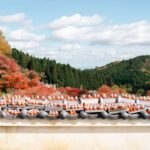
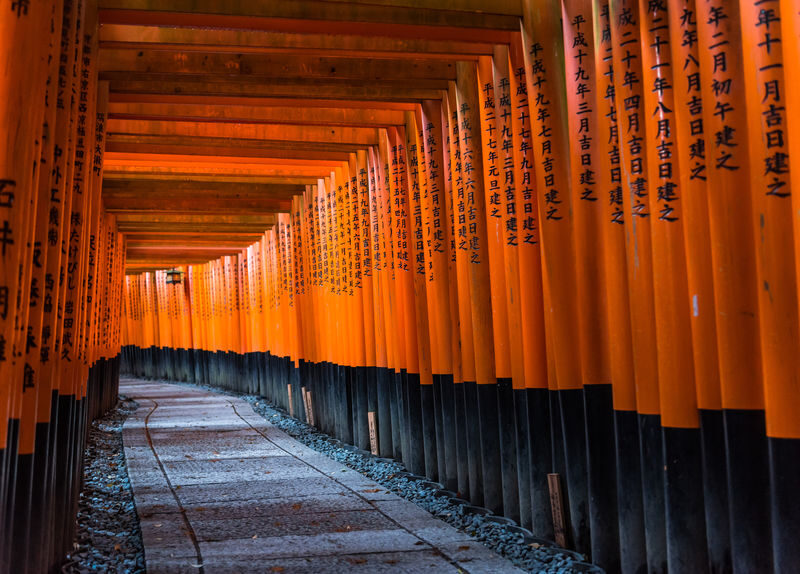
The day’s first major stop is Fushimi Inari Taisha, famous for its seemingly endless rows of vermilion torii gates. The gates wind up a wooded hillside past smaller shrines, making this feel less like a single monument and more like a path through a sacred landscape. The tour allows about 1 hour and 20 minutes.
That is enough for a meaningful walk and photographs, but not enough to hike the entire mountain route at a leisurely pace. The path climbs, and the shrine can be crowded. Wear shoes you can comfortably walk in, and decide early how far you want to go before turning back. You do not need to reach the summit for the gates to make an impression.
The guide’s main value here is helping you know where to meet again and how much time you have. Keep an eye on the clock: Fushimi Inari is an easy place to lose track of time as the gates lead you farther into the trees.
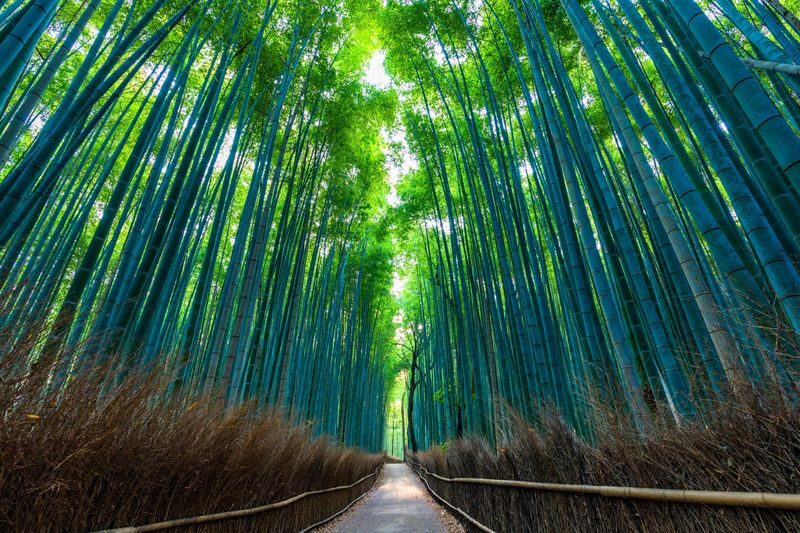
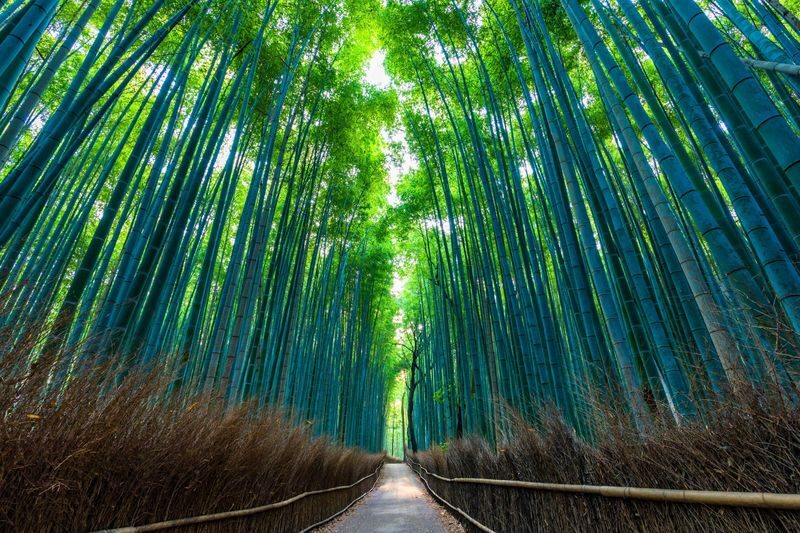
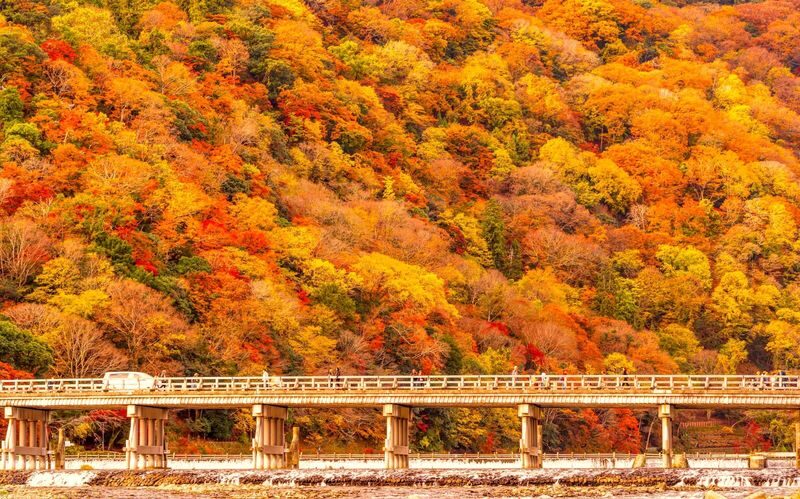
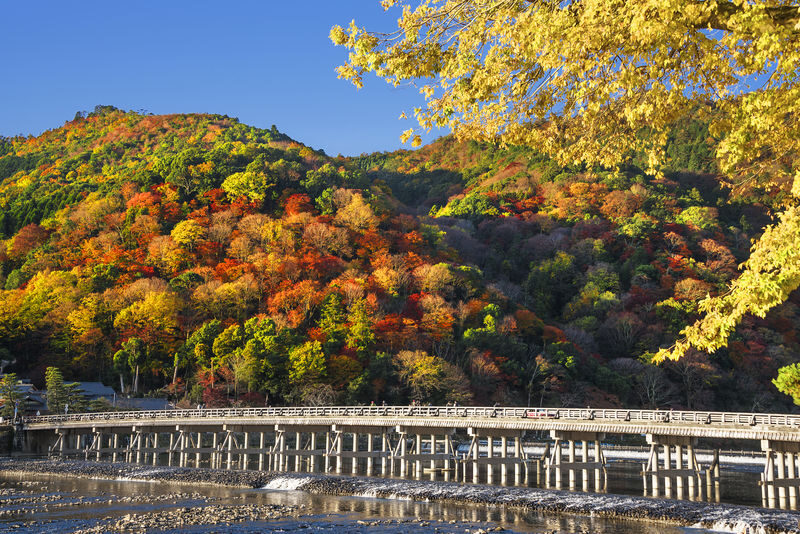
Arashiyama gets the longest stop, about two hours. Its familiar sights include the bamboo grove and Togetsu-kyo Bridge, a graceful crossing over the river. The area is scenic, but it can also draw crowds, and the bamboo path is only one part of a district with other streets and riverside views to explore.
Two hours gives you room to walk through the grove, see the bridge, and choose a short detour, though it is not a generous amount of time for a long meal, shopping, and extended wandering. Some people would gladly spend half a day here. Others prefer using the tour to get a first look, then returning independently if Arashiyama becomes a favorite.
The two-hour allocation is a compromise in the tour’s favor: it gives the district more attention than the brief Kinkaku-ji stop, while still leaving time for the other temples. If bamboo is your main reason for visiting Kyoto, consider whether you would rather give Arashiyama a day of its own.
Kinkaku-ji, or the Golden Pavilion, is a Zen temple known for its gold-leaf exterior and its reflection in the water. Its formal gardens make the visit more than a quick look at a famous building, though the temple itself is viewed from a set route rather than entered as a regular interior visit.
The tour allows 45 minutes. That is a compact stop, but it suits the site: you can follow the garden path, pause at the main view, and take in the pavilion without spending half a day there. Admission is included in the package with temple tickets.
Expect other people to be taking the same photographs. The point is not to find an empty view, but to see the gilded structure change against the pond and garden as you move along the path. If you have limited time, this stop gives you a clear sense of why the pavilion is one of Kyoto’s signature sights.
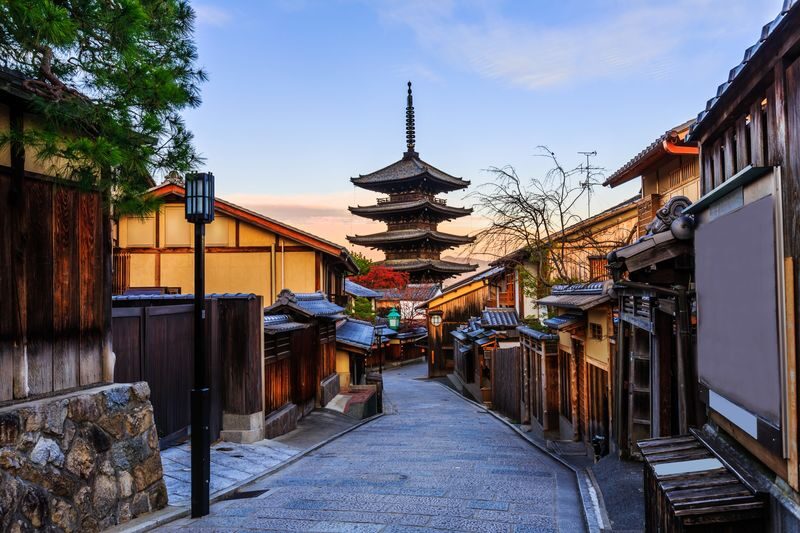
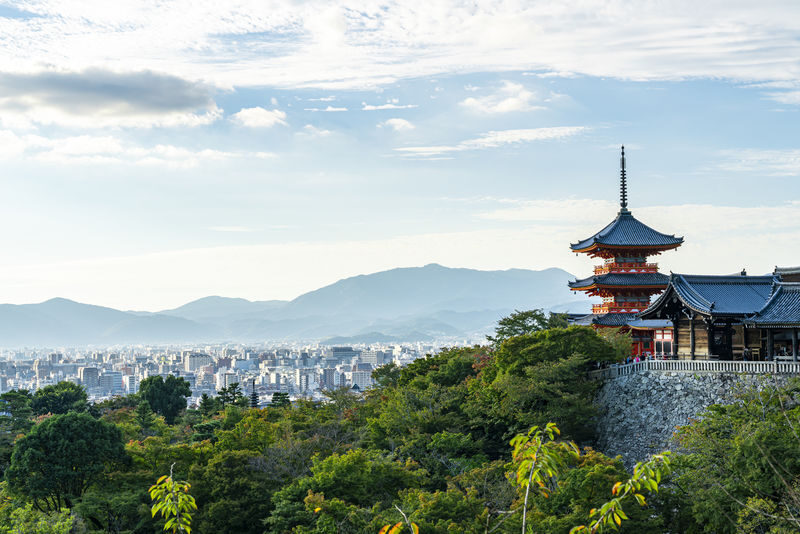
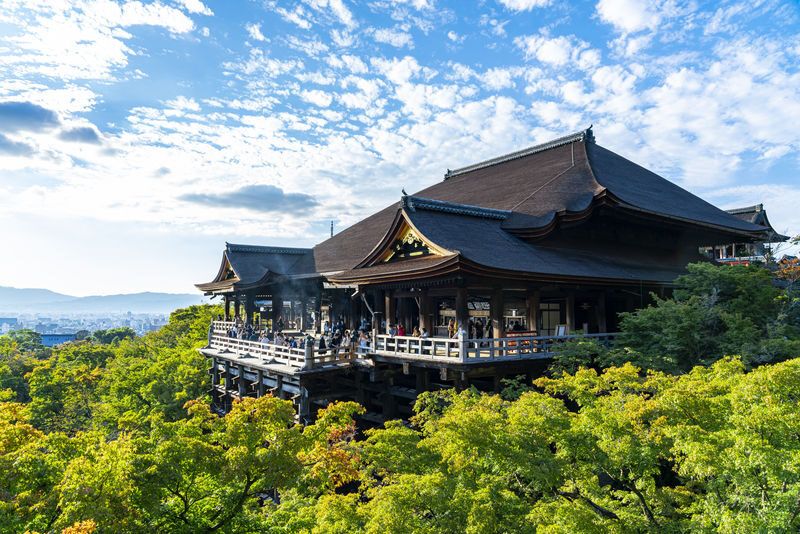
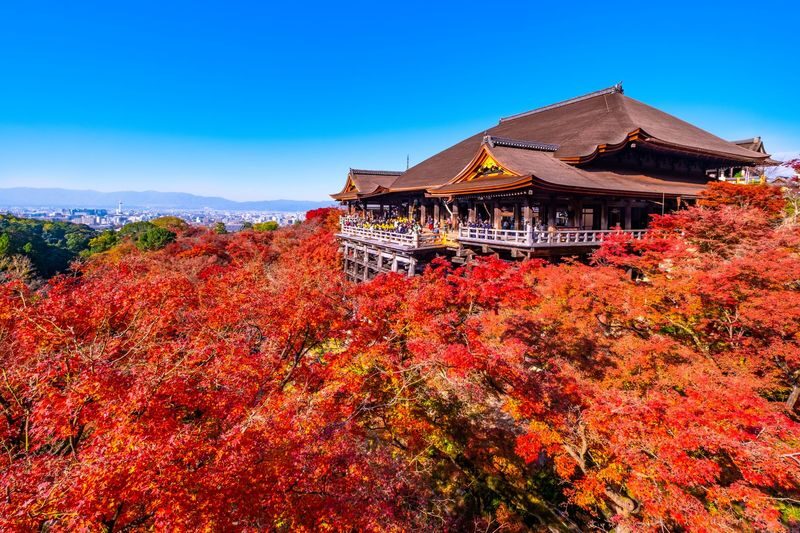
Kiyomizu-dera is the final scheduled stop, with about 1 hour and 10 minutes to visit. This UNESCO World Heritage site is known for its temple setting and broad views over Kyoto. Entry is included in the admission-ticket package.
The temple is only part of the appeal of this area. Nearby streets offer places to eat and browse, and the tour’s lunch break may be planned around Kiyomizu-dera. But an hour and ten minutes passes quickly if you want to see the temple, stop for food, and explore the surrounding lanes. Keep your priorities simple: visit the temple first, then use any remaining time for a meal or a short wander.
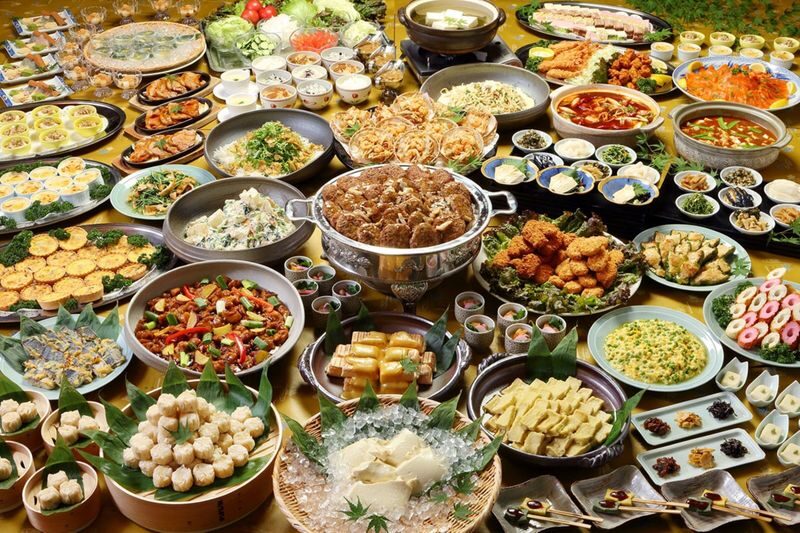
The package options matter here. The basic admission-ticket option does not include food or drinks. You can instead choose a buffet lunch or a chicken set meal with the admission tickets. Lunch packages have included Japanese dishes such as tofu, rice, tempura, soup, and dessert, but the meal details and experience can differ. If you have strong preferences, check the specific package before paying.
A good guide makes a busy day easier to follow. The guide introduces the route, gives meeting instructions, and offers background on the sites. Some guides have also helped with photographs, answered questions, and pointed out where to find food. Names that have come up include Maki, Eiko, Miki, and Yuki, but the guide on your date is not guaranteed to be any one of them.
The tour also provides SENTIO, a smartphone-based translation tool that supports more than 75 languages. It can translate speech in real time and display instructions or conversations as text. Bring your own earphones, smartphone, and preferably a portable battery. The tool can help if you do not speak English, but it does not replace the guide or make every stop a private guided tour.
At a starting price of $56.85, the tour’s main value is convenience. You get organized transfers between distant areas, an English-speaking guide, and a full day structured around four famous sights. The admission-ticket option includes entry to Kinkaku-ji and Kiyomizu-dera, which makes the price easier to assess than a transportation-only outing.
Lunch is not included in the base package. You can pay for a buffet or chicken set meal package, or buy food during the day. If you choose a meal package, compare what it includes with your own preferences. Some people appreciate a set lunch because it saves time and adds a taste of Japanese home-style food; others may prefer to choose their own meal near the temple.
You are also paying for the ability to rest between stops and avoid figuring out every connection yourself. The cost is less compelling if you already know Kyoto well, enjoy planning transit, or want to linger for hours at one place. It is strongest for a first visit, a short stay, or a family that wants the major sights without a day of train and bus logistics.
The tour’s main weakness is the clock. You have to return to the group at set times, and four major stops leave limited room for long walks, shopping, meals, and restrooms. Several people have found the pace brisk, especially at Arashiyama and Kiyomizu-dera. A day that includes rain, heat, or a mobility issue can feel more demanding.
Crowds are part of the deal at Kyoto’s headline attractions. You will not have the bamboo grove, torii gates, or Golden Pavilion to yourself, even on a weekday. Rain does not make the sights worthless, but it can slow walking and make the day less comfortable. Check the forecast and bring suitable footwear and clothing.
This is a group tour, not a private car service. Keep your phone charged, listen carefully to meeting-point instructions, and note the bus location and return time. The tour is free for children aged 0 to 2 only if they do not take a separate seat; infants sit on an adult’s lap, and their seat and meal are not included. Only foldable strollers are allowed, and they are stored under the bus. Children aged 13 and older pay the adult rate.
I would choose this tour if you have one day for Kyoto’s headline sights and want transport, temple admissions, and a basic guide plan bundled together. It is especially useful if you are traveling with children or simply do not want to spend the day working out cross-city connections.
I would skip it if you want an unhurried visit, detailed guiding at every site, or a long stretch in Arashiyama. In that case, choose one or two districts and explore them on your own. For everyone else, this is a practical way to see a lot of Kyoto in a day, provided you accept that the day will move at group-tour speed.
“Wonderful experience. Loved our guide as well! Extremely accommodating and knowledgeable!”
The tour runs from 9:20 a.m. to about 5 p.m., for a total of roughly 7.5 hours.
Meet at the Kyoto Station Hachijo Exit sightseeing bus stop, in front of Kyoto AVANTI. The tour returns to JR Kyoto Station.
Arrive at least 10 minutes before departure. Look for staff holding a LIMON sign.
The admission-ticket package includes entry to Kiyomizu-dera and Kinkaku-ji.
Not in the basic admission-ticket package. You can select a buffet lunch or chicken set meal package, or arrange your own food.
SENTIO supports real-time voice and text translation in more than 75 languages. Bring a smartphone and earphones, and consider carrying a portable battery.
Children aged 0 to 2 can join free if they do not occupy a separate seat and sit on an adult’s lap. Children aged 13 and older are charged the adult rate.
Only foldable strollers are allowed. They are stored under the bus with the luggage.
You can receive a full refund if you cancel at least 48 hours before the activity date, using the destination’s local time.