Physical Address
304 North Cardinal St.
Dorchester Center, MA 02124
Physical Address
304 North Cardinal St.
Dorchester Center, MA 02124

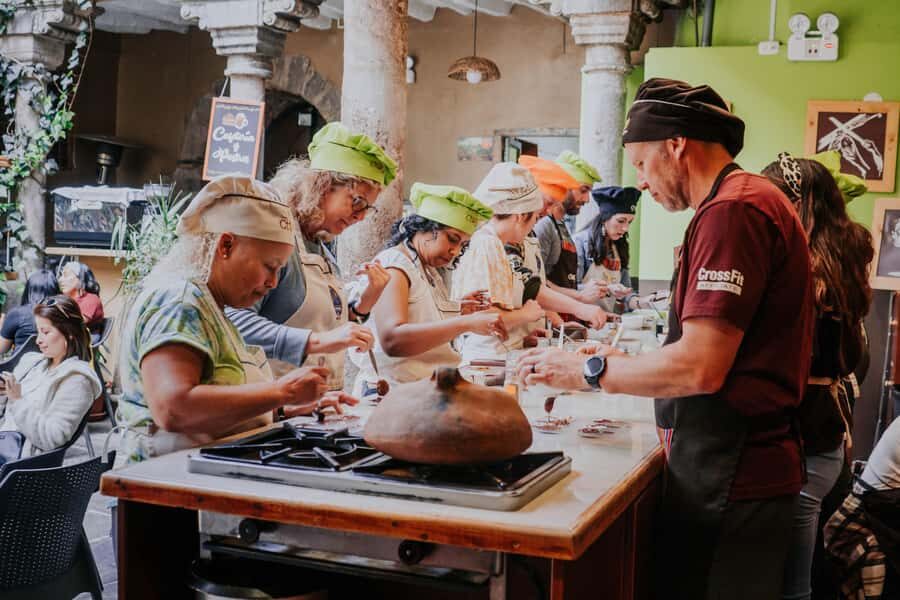
Make chocolate from cacao bean to bar in Cusco, taste historic-style drinks, and take home 100 to 150 grams of your own creations.
At ChocoMuseo, you get to work through the transformation of cacao yourself: roast the beans, rub off the husks, grind the nibs on a stone metate, and help refine the paste. Then the lesson shifts from process to pleasure, with chocolate drinks and a bar you can customize.
I like two things in particular: the hands-on steps make chocolate making easier to understand, and your $33 includes tastings, materials, an instructor, and 100 to 150 grams of chocolate to take home. The class is also a pleasant, low-effort choice for a Cusco day when you want a break from hiking, or when you are taking it easy as you adjust to the altitude.
One thing to plan around: the finished chocolates are ready 45 minutes after the two-hour workshop, not as you leave. The class can also feel a little rushed near the end, so arrive on time and save room in your schedule for pickup.
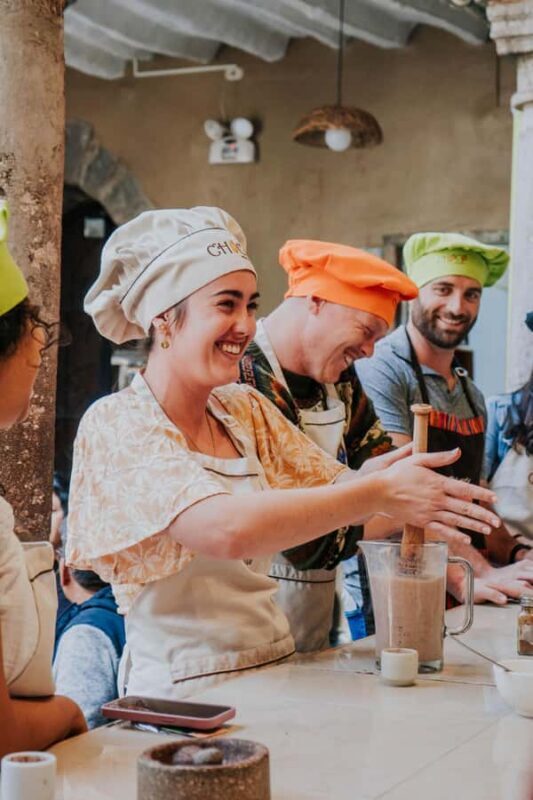
This workshop is more than a chocolate tasting with a souvenir at the end. You follow several key stages of production, which gives you a better sense of how much work sits between a cacao bean and a finished bar.
The instructor starts with the story and history of cacao, including its place in earlier cultures and why Cusco is associated with fine chocolate. The lesson is designed to be interactive, with explanations alongside samples and practical tasks. English and Spanish instruction is available.
The first step is roasting cacao beans. After that, you remove the thin husk to expose the nibs inside. It is a simple task, but a useful one: you get to handle the raw ingredients rather than just hear about them.
Next comes grinding. You use a metate and mano, a stone surface and hand-held grinding tool, to crush cacao nibs in a traditional way associated with the Aztecs. Then the cacao paste is refined in a melangeur. The workshop introduces these processes in sequence, so you can see how the ingredients change from one stage to the next.
This is not a full production course, and you should not expect to make a finished bar entirely from scratch in two hours. Instead, you get a guided introduction to four essential steps and a chance to take part in the process. That balance works well for a short activity: enough detail to be interesting, without turning your Cusco afternoon into a technical class.
Looking for more options in Cusco? Here are some other experiences worth considering.
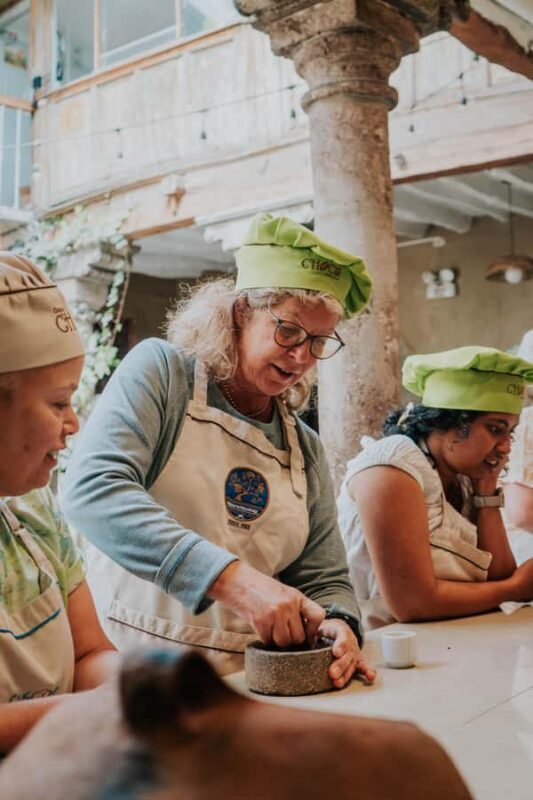
The tasting portion adds flavor and context to the lesson. You try drinks connected with the way cacao was consumed in ancient times, including Mayan- and conquistador-style preparations. The point is not just to sip something sweet; you get to compare chocolate as a drink with the bars and other forms you may know.
You also make hot chocolate with ingredients of your choice. That gives you some room to experiment, and it breaks up the instruction with something immediately enjoyable. Several parts of the session involve sampling, so this suits anyone who likes chocolate and wants more than a quick demonstration.
I would not arrive expecting a formal tasting with a long catalogue of single-origin bars or detailed flavor scoring. The emphasis is on learning by doing, tasting different preparations, and enjoying the group activity. If you are especially interested in cacao, the range of forms and the guided explanation help make the class more than a sweets stop.
After the bean-to-paste lesson, you create and decorate your own chocolate bar. You choose ingredients and toppings, which makes this part appealing to children and adults alike. It is also where the experience becomes personal: the bar you take home reflects your choices rather than being a standard shop purchase.
The finished chocolate is not ready when the workshop ends. It needs about 45 minutes after the class before pickup, so allow roughly two hours and 45 minutes from the start if you want to collect it yourself. You can use that gap to continue exploring the area, but the exact pickup arrangements are something to confirm with ChocoMuseo when you arrive.
The included take-home quantity is 100 to 150 grams. That is a nice memento, and enough to share if you can resist eating it first. The chocolate is a practical part of the price, but the bigger value is the combination of making it, tasting along the way, and understanding the steps that lead to the finished product.
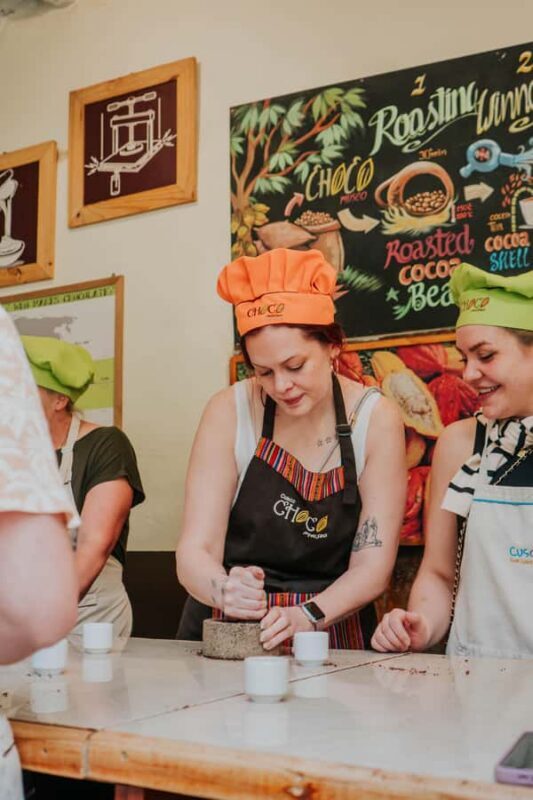
Cusco is often a base for demanding hikes and day trips, and this workshop offers a very different kind of activity. It lasts two hours, takes place indoors, and does not require transport. That makes it a useful option for a slower day, for families who want an activity everyone can join, or for anyone taking it easy while adjusting to the altitude.
You do not need to arrive with specialist knowledge or cooking experience. The instructor leads the process, and the tasks are accessible. The class also works for solo participants: the group format gives you a shared activity, rather than leaving you to watch from the edge.
The pace is generally lively and participatory. Some sessions may feel quick near the end, especially when it is time to finish and decorate the chocolates. If you prefer a slow, open-ended workshop, this may feel more structured than you want. But if you like a clear sequence and a finished product to take away, the momentum helps keep the two hours engaging.
Families are a strong fit. Children and adults can take part, taste, and make their own bars, while the historical and production explanations give the activity more substance than a simple treat. It is also a handy choice for a mixed group where not everyone wants another walk or excursion.
More Great Tours NearbyThe instructor has a central role here. The material is approachable, but the class depends on someone who can explain the process clearly, keep the group involved, and make time for both learning and fun. Instructors who have led sessions include Renzo, Karel, Alex, Joseph, Gil, Ana, Luis, and Jade. Your instructor may be someone else, as staffing can vary.
The experience is not a one-way talk. You handle cacao, taste drinks, and make chocolate while the guide provides context and keeps the steps moving. That mix is a big part of why the activity suits people who might not choose a museum visit on its own.
Do keep in mind that the timing has a natural limit. There is a lot to fit into two hours: cacao history, four production steps, tastings, hot chocolate, and making your bar. The final decorating stage can feel rushed if the group is moving at different speeds, so listen closely to the instructions and get started on your choices when prompted.
You might also be interested in these Cusco experiences
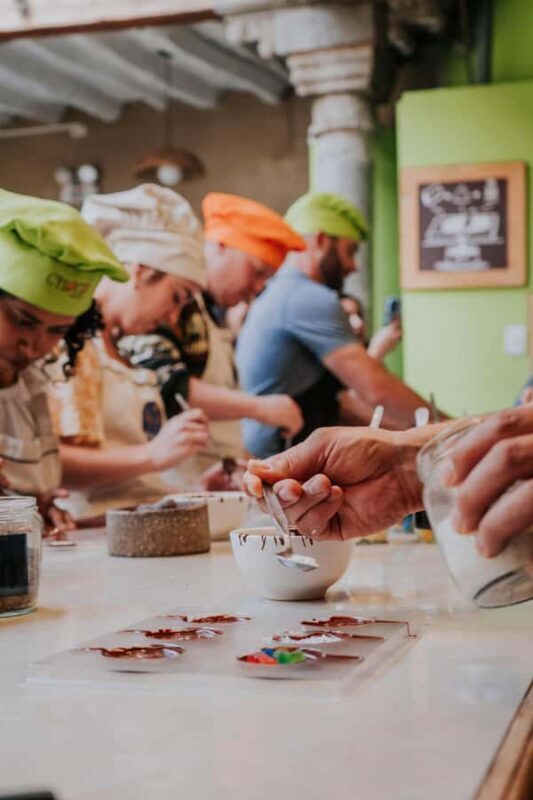
At $33 per person, the workshop is not the cheapest way to eat chocolate in Cusco. But you are paying for a two-hour guided activity, all the materials, several tasting opportunities, your own chocolate-making experience, and 100 to 150 grams to take home. For a small-group-style activity that combines learning with food, that is a reasonable package.
The value is strongest if you are curious about how chocolate is made, enjoy participatory activities, or want an easy outing with children. If you only want to buy a bar, you can do that for less. If you want a short activity that gives you something to taste, something to learn, and something to make, the workshop earns its price more convincingly.
Transportation is not included, so plan your own route to the meeting point. The stated location is on the corner of Plaza Regocijo, where you should look for green and orange flags hanging from the balconies. There are two ChocoMuseo locations in Cusco, so check that you are heading to the site for your booked session. One practical tip: if the door is closed when you arrive, knock rather than assuming the workshop is not running.
Booking is flexible, with free cancellation up to 24 hours in advance and a reserve-now, pay-later option. Starting times vary, so check availability for your date. English and Spanish are the listed instruction languages.
Book it if you enjoy chocolate and want to understand more than the finished taste. It is especially well suited to families, solo visitors looking for a social activity, and anyone wanting a low-key indoor break between more strenuous Cusco outings. The combination of history, cacao handling, drinks, and custom chocolate gives the two hours a clear purpose.
Skip it if you are looking for a full-scale factory tour, an advanced chocolate-making course, or a long, unhurried tasting. The workshop is an introduction, and its final portion can move quickly. Also think ahead about the extra 45 minutes before chocolate pickup.
For most people with a free afternoon or morning, I would book it. You leave with a better grasp of how cacao becomes chocolate, a few new tastes in mind, and a handmade treat that is more memorable than another souvenir bought off a shelf.
“Highly recommend! It was super interactive and a lot of fun! The chocolate was divine!”
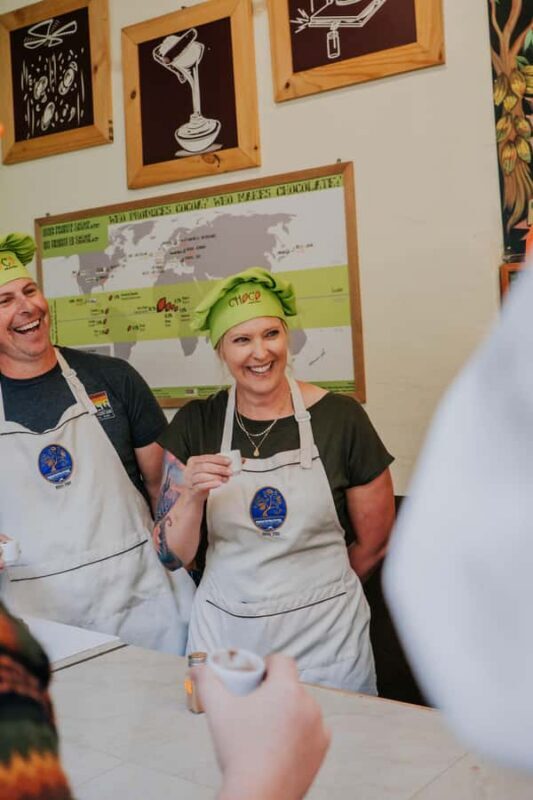
The workshop lasts two hours. Your chocolates are ready for pickup 45 minutes after it ends, so allow extra time if you want to collect them.
The price includes the chocolate workshop, an instructor, all materials needed to make chocolate, and 100 to 150 grams of chocolate to take home.
You roast cacao beans, remove the husks, grind cacao nibs on a metate with a mano, and refine cacao paste in a melangeur. You also make hot chocolate and personalize chocolate bars.
Yes. You can choose ingredients for your hot chocolate and select additions and toppings for your own chocolate bar.
The instructor teaches in English or Spanish.
The stated meeting point is ChocoMuseo on the corner of Plaza Regocijo. Look for green and orange flags hanging from the balconies. There are two ChocoMuseo locations in Cusco, so confirm the correct location for your session.
No. Transportation to and from ChocoMuseo is not included.
Yes. You can cancel up to 24 hours in advance for a full refund, and the reserve-now, pay-later option lets you book without paying today.
You can check availability for your dates here: