Physical Address
304 North Cardinal St.
Dorchester Center, MA 02124
Physical Address
304 North Cardinal St.
Dorchester Center, MA 02124

Ride from Abra Málaga, hike through cloud forest, roast coffee, soak in Cocalmayo and reach Machu Picchu on a four-day small-group trip.
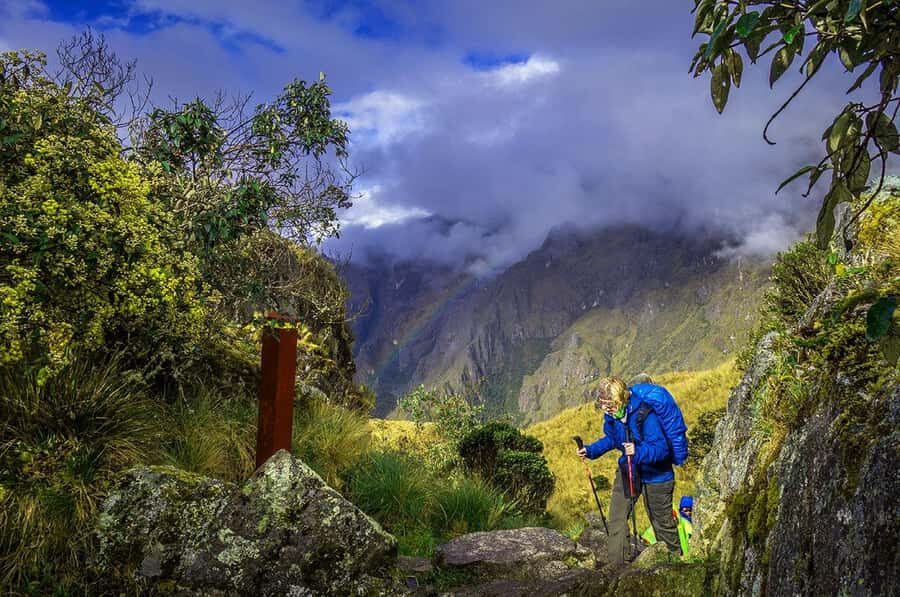
The route to Machu Picchu starts with a mountain bike ride, not a long march along the classic Inca Trail. From Abra Málaga, you pedal downhill through high puna and cloud forest, then spend the next days hiking, meeting local coffee growers and walking beside the railway to Aguas Calientes. Machu Picchu is the grand finale, but the changing scenery is what makes the approach memorable.
I like two things in particular: the mix of biking, walking and local activities keeps four days from feeling like one long trek, and the included Machu Picchu ticket, meals, accommodation and return train make the $470 price unusually useful. Guides such as Francis, Gerson, Luis and Amaru have led trips, though your guide will vary.
The trade-off is comfort. Nights are in an eco-house and hostels, not polished hotels, and some accommodation has been described as basic. You also have early starts, several substantial walking days and extra costs for the hot springs, optional activities and the bus up to Machu Picchu.
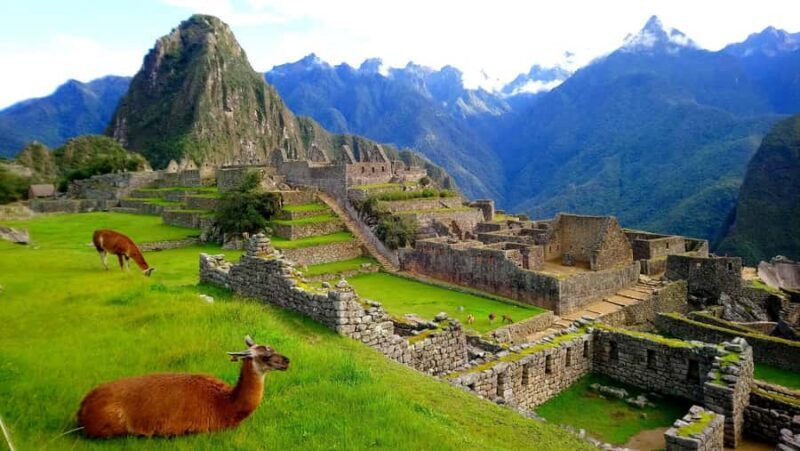
The name can cause a little confusion. This is the Inca Jungle trail, an active route to Machu Picchu that combines cycling, hiking and a walk beside the railway. It is not the classic four-day trek on the famous stone path to the citadel. On Day 2, you hike a section of the wider Qhapaq Ñan Inca road network; on Day 3, the route to Aguas Calientes follows the train tracks.
That difference is a plus if you want variety and a less hiking-only approach. You get Andean mountain views, forest, plantations, village stops and a big archaeological-site finale. But if walking the traditional Inca Trail is the main reason you are coming, check the route carefully before booking.
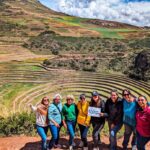
The group limit of nine helps keep the experience personal. There is room for a guide to check in with people on the trail, and small groups can make meals and travel time feel more companionable. Solo visitors may find that especially helpful: the trip has a clear shared rhythm, from the early pickup to the final train ride.
You can check availability for your dates here: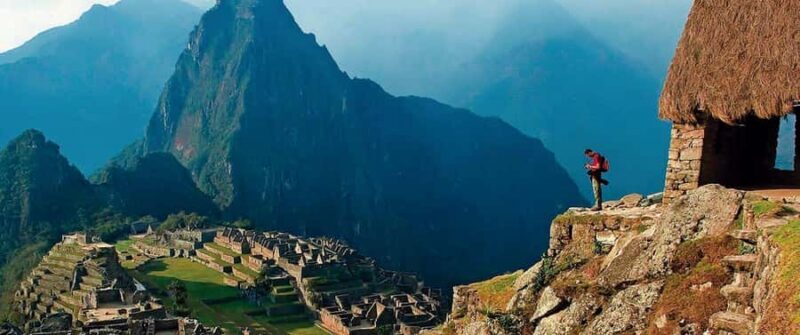
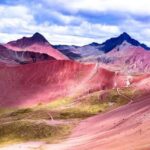
Your day begins with a 6:00 AM pickup at Cusco’s Main Square. The drive passes through Chinchero, Urubamba and Ollantaytambo before climbing to Abra Málaga, a high pass with views of Huacay Willca. You receive a Kona bike and safety gear, including a helmet, gloves, goggles, elbow pads and knee pads.
The downhill ride lasts about three hours and covers roughly 50 kilometers, descending through puna and cloud forest zones. It is the trip’s most dramatic first act: you trade the cold high pass for greener, warmer surroundings as you ride toward Huaman Marq’a ruins. The operator supplies a rain jacket, a sensible inclusion in a region where conditions can change.
This is a long ride, even though it is downhill. You should be comfortable handling a bicycle and following the guide’s directions. The gear is provided, but the tour details do not specify a minimum cycling level, so ask the operator if you have concerns about your ability or experience.
After the ride, a short van journey and walk take you to Santa María, then onward to Pispitayoc. You spend the night at an eco-house in the forest, with dinner included. The simple setting is part of the appeal: you are away from the city and close to the plantations and forest that shape the next day. Bring an open mind about comfort, since this is a rural stay rather than a hotel.
You might also be interested in these Cusco experiences
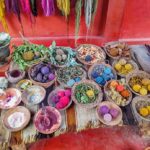
Breakfast comes with a practical lesson: your guide shows you how coffee is roasted, and you can take part. At the eco-house, the process connects the cup at breakfast to the plants and work around you. It is a small activity, but one of the more distinctive moments of the trip.
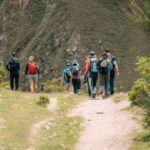
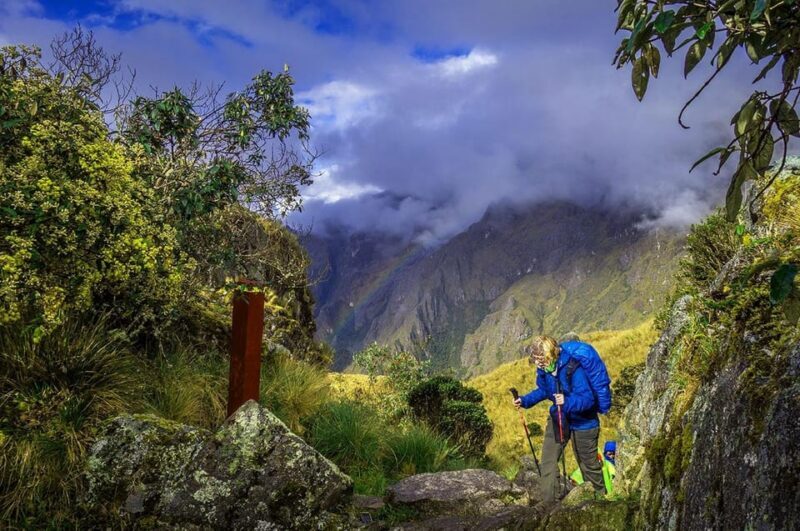
Then you set out on foot along part of the Qhapaq Ñan, the Inca road network. The route passes plantations of coca, coffee and fruit trees, with chances to spot local birds. Your guide can add context about the area and its culture as you walk. Guides on these trips have been praised for sharing Andean history in an accessible way, but the particular person leading your departure will vary.
At the Huancarcasa viewpoint, at about 1,750 meters, you pause for wide views before descending to Qellomayo, at roughly 1,200 meters, for lunch. The day includes a final walk of about two hours toward the Cocalmayo thermal baths, around 1,450 meters, before you continue to Santa Teresa at 1,515 meters for dinner and the night.
Cocalmayo is a welcome chance to rest tired legs, but the entry ticket is not included. Treat the baths as an optional extra and carry money if you plan to go. The itinerary places them after a full day on foot, so you may appreciate the stop; if you would rather save your energy or skip the added expense, you can discuss the plan with your guide.
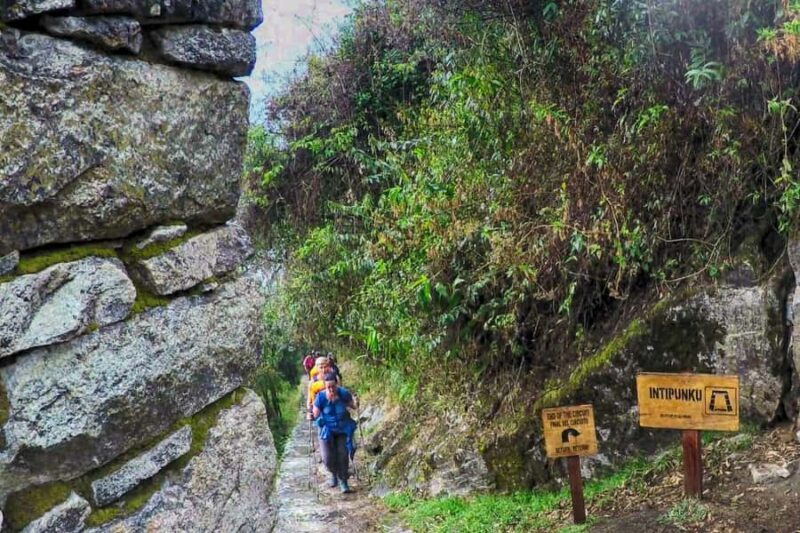
After breakfast in Santa Teresa, the morning hike takes about three hours through coffee and coca plantations toward Hidroeléctrica, at around 1,900 meters. Lunch and a break are scheduled there. This is a good day to pace yourself: the route is not over once you reach the meal stop.
The afternoon continues with roughly three hours of walking beside the railway to Aguas Calientes, the town below Machu Picchu. The route is less about a dramatic climb than about steadily covering ground, with the train line providing a clear guide toward town. By the time you arrive, you have earned the free afternoon.
Use that time to rest, get ready for the early start and have dinner with the group. The guide discusses the next morning’s visit to Machu Picchu. That briefing matters: you will be starting around 4:00 AM, and knowing the plan in advance makes the final day easier to manage.
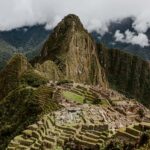
The final morning begins at 4:00 AM with a hike from Aguas Calientes up to Machu Picchu, at about 2,400 meters. The climb takes around an hour and a half. A bus up and down is available as an optional alternative, but it is not included in the tour price. If you are weighing the climb against the bus, decide based on your energy and budget rather than assuming transport is covered.
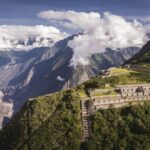
At the citadel, your guide leads a two-hour visit to its main sections. The ticket is included, which is a significant part of the package’s value. You then have free time to explore on your own before returning to Aguas Calientes to collect your belongings.
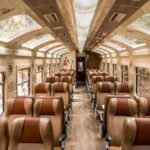
The return trip is by train to Ollantaytambo, followed by a bus to Cusco. After three days of moving under your own steam, the train is a welcome change of pace. The tour ends in Cusco, although a specific arrival time is not provided, so avoid scheduling a tight connection or important appointment that evening.
More Great Tours NearbyThis is an active trip, but it breaks up the effort. Day 1 centers on the long downhill bike ride; Day 2 has a substantial hike, including a descent and a final two-hour leg; Day 3 brings six hours of walking in two sections; and Day 4 adds the climb to Machu Picchu. Optional activities such as rafting or ziplining have also been available on some departures, but they are not listed among the inclusions. Ask what is offered and what it costs before you commit.
The pace can still be manageable for someone with general fitness who is prepared to keep going for several days. Some groups take frequent breaks, and guides have been praised for encouraging people who find the walking hard. That does not make the route effortless: it is a poor fit if you need a wheelchair, are pregnant or have back problems, as the tour specifically excludes those conditions.
For $470 per person, the package covers a lot of the major moving parts: transport from Cusco to Abra Málaga and Santa María, the bike and protective gear, a bilingual guide, three breakfasts, three lunches, three dinners, three nights of accommodation, Machu Picchu entry, the return train to Ollantaytambo and the bus back to Cusco. A first-aid kit is also included.
That level of coordination is the value here. You are not arranging each overnight stop, meal and final train separately, and the tour links several kinds of experience in one four-day trip. A briefing takes place the day before, and pickup is from Cusco’s Main Square.
Budget beyond the headline price. Your first breakfast and last lunch in Aguas Calientes are excluded, as are Cocalmayo’s entry fee and the optional bus up and down to Machu Picchu. Extra activities may also cost more. Bring cash for personal purchases and ask about any add-on costs before you set out; some stops may charge more for basics such as bottled water. Extra bag transfers have also been available for a fee, so check what luggage you are expected to carry.
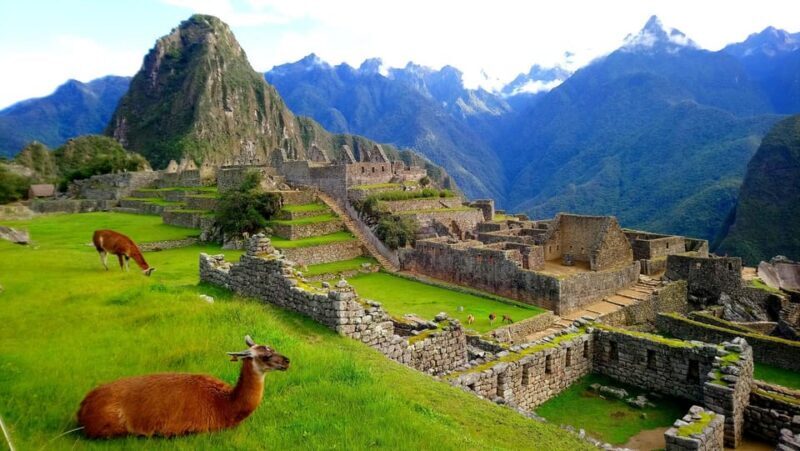
You sleep in three different places: one night at the Pispitayoc eco-house, one in a Santa Teresa hostel and one in a hostel in Aguas Calientes. The change of setting is part of the trip, but you should not book expecting upscale rooms. Some stays have been described as quiet or basic, while others have been considered clean and adequate. Pack with practical comfort in mind.
Meals are included for most of the tour, and food has been a frequent strength, with generous portions noted on some trips. The exceptions are your first breakfast and final lunch. Water is not listed as included, so plan to buy it or carry what you need. If you have dietary needs, ask the operator ahead of time; the tour details do not specify how special diets are handled.
The guide can make a big difference to the feel of the trip. Francis, Gerson, Luis, Amaru and Armando are among the guides who have led departures, with people valuing their local knowledge, encouragement and group care. You cannot count on a particular guide, but you can expect English- or Spanish-language guiding. The tour’s size limit of nine helps keep the group compact, though the actual number on your departure may be smaller.
Choose this tour if you want Machu Picchu as the climax of a varied, active route, and you like the idea of biking, plantation walks and a hands-on coffee session along the way. It also suits you if having the ticket, meals, lodging and return transport arranged is worth more than choosing every detail yourself.
Look elsewhere if your priority is the classic Inca Trail, a more comfortable hotel stay or a slower itinerary. Remember that hot springs, the Machu Picchu bus and possible adventure activities add to the bill. If the blend of movement, local stops and a guided visit to the citadel sounds right, $470 buys a lot of ground and several distinct experiences in four days.
“Amazing trip! Immersive and intimate tour (there were only 4 of us). Our guide Richard was fantastic and made the trip all the more special. He was…”
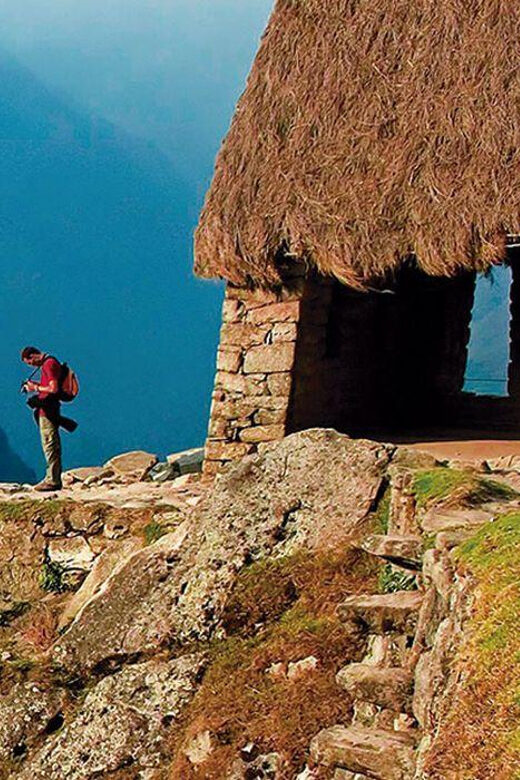
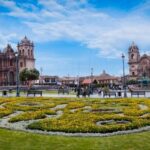
Meet at Cusco’s Main Square, also called Plaza Mayor de Cusco. The guide calls out your name and wears the agency jacket. Pickup is scheduled for 6:00 AM on Day 1.
The tour lasts four days. Check availability for the starting times offered on your chosen date.
Guiding is available in English and Spanish.
The group is limited to nine participants.
Three breakfasts, three lunches and three dinners are included. Your first breakfast and final lunch in Aguas Calientes are not included.
The tour includes one night at an eco-house in Pispitayoc, one night in a Santa Teresa hostel and one night in an Aguas Calientes hostel.
No. The thermal-bath ticket is not included, so you will need to pay separately if you go.
No. The bus up and down is optional and not included. The tour includes the Machu Picchu entrance ticket and a guided visit.
Bring your passport or ID card; a copy is accepted. The tour is not suitable for pregnant women, people with back problems or wheelchair users.
You can check availability for your dates here: