Physical Address
304 North Cardinal St.
Dorchester Center, MA 02124
Physical Address
304 North Cardinal St.
Dorchester Center, MA 02124

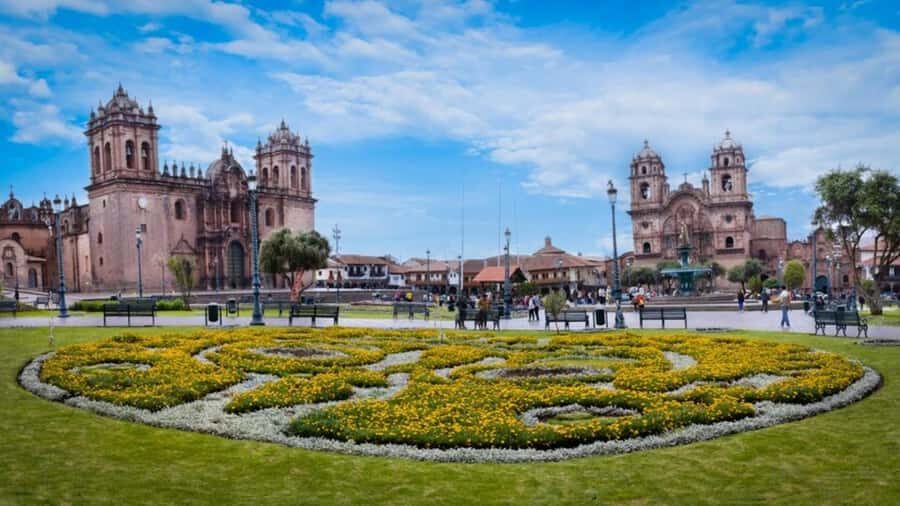
See Cusco’s Inca sites on a five-hour guided tour to Qoricancha, Sacsayhuamán, Q’enqo, Puka Pukara, and Tambomachay.
Cusco’s Inca past comes into focus on this brisk circuit from the city center to the great stone walls of Sacsayhuamán and the water channels at Tambomachay. In about five hours, you see several very different sites without arranging transport between them yourself.
I like two things in particular: the route pairs major ruins with a close look at Qoricancha, and the guide’s explanations give context to what can otherwise look like a scattering of old stones. The high viewpoints at Sacsayhuamán also give you a striking view back over Cusco.
The trade-off is the pace. Four archaeological sites, a city-center visit, and several drives leave limited time to linger. Entrance fees are extra, too, so the $13 starting price is not the full cost.
This is a practical introduction to Cusco’s Inca sites, especially if you have only part of a day to spare. The minivan links stops spread across the hills above the city, while a live guide explains the sites in English or Spanish. An English or Spanish audio guide is also listed as included.
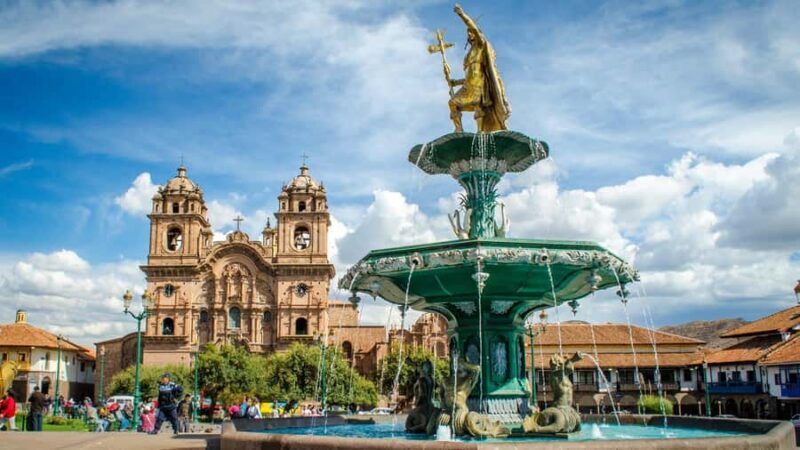
The route starts at Cusco’s main square, visits Qoricancha if you choose to enter, then heads to Sacsayhuamán, Q’enqo, Puka Pukara, and Tambomachay. You return to the historic center and finish on Calle Plateros. Expect a mix of short drives, guided explanations, photographs, and walks at each stop.
The price is appealing, but budget for entrance tickets as well. The tour includes the vehicle and professional guide, not meals, Qoricancha admission, or the tourist ticket. Ask which ticket you need for the sites you plan to enter, and confirm the current charges before you go.
Looking for more options in Cusco? Here are some other experiences worth considering.
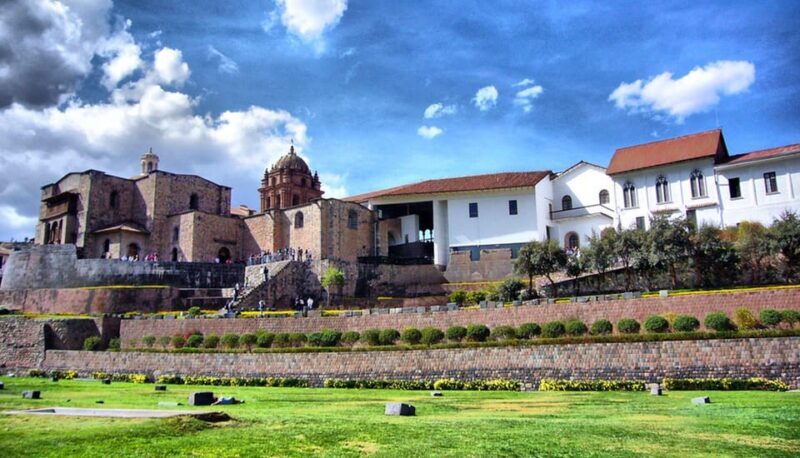
The tour begins in the city center, where Qoricancha offers a useful introduction to Cusco’s layers of history. The site is known as an Inca temple complex, and it is a chance to see what lies inside rather than only pass its exterior. The scheduled visit allows about an hour for a stop, guided explanation, and walk.
Entry is optional and costs S/20, separate from the tour price. That matters when comparing the headline $13 fare with your actual spending. If you are keen on the city’s Inca heritage, I would consider paying the extra fee; if you are keeping costs down, you can ask the operator whether your group will enter or simply continue with the route.
Qoricancha also helps set up the rest of the day. After seeing a major site in the city itself, you head uphill to places that served ceremonial, military, and water-related purposes. The contrast makes the route feel more coherent than a string of photo stops.
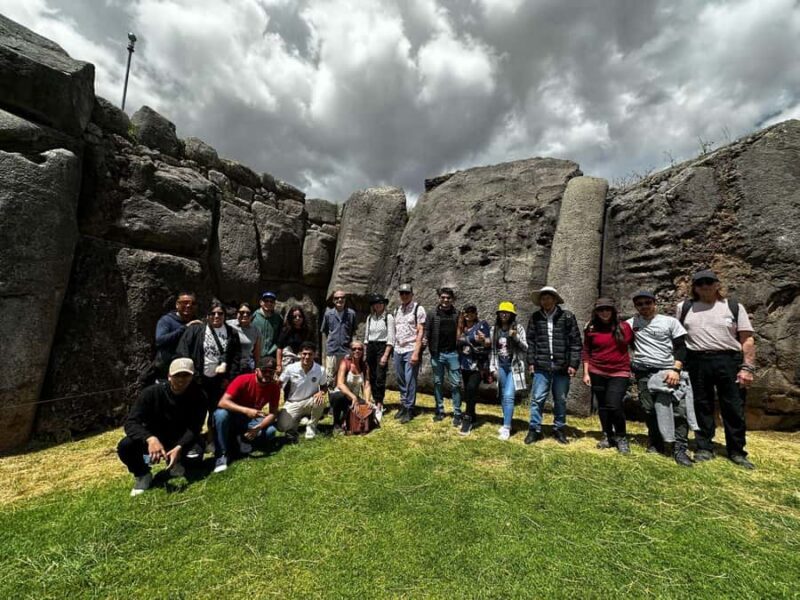
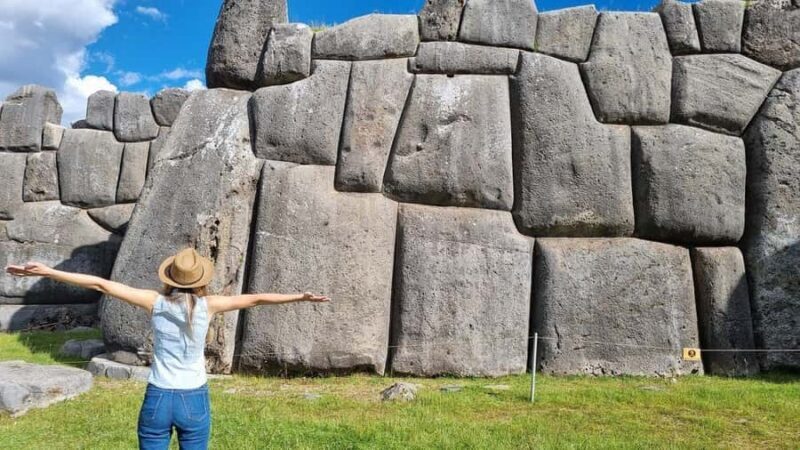
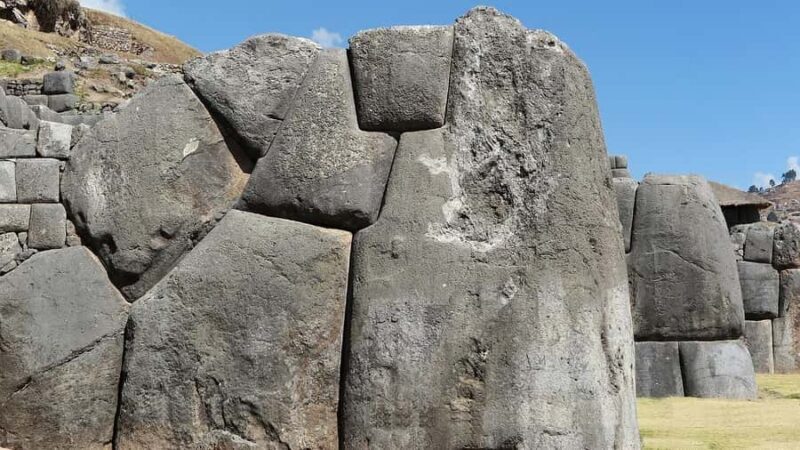
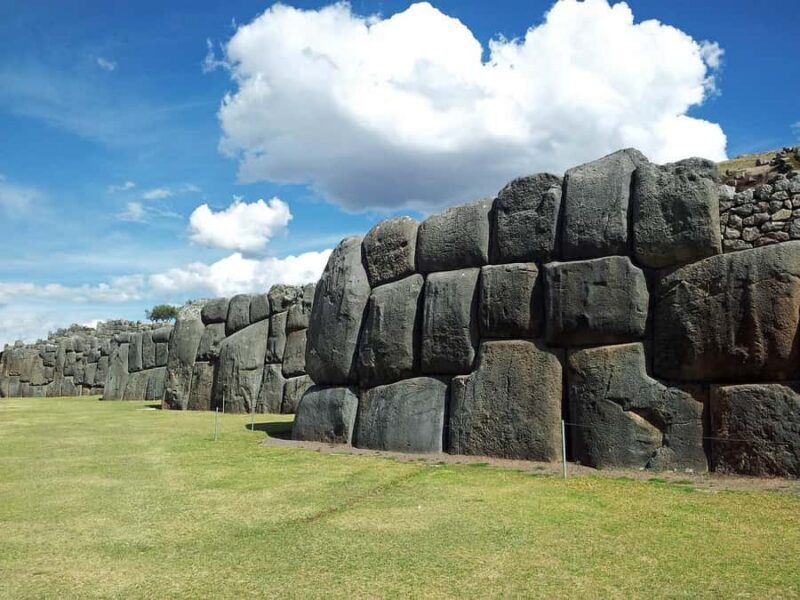
After about 20 minutes by minivan, you reach Sacsayhuamán, the largest and most imposing stop on the route. Its immense fitted stone blocks are the kind of work that makes a guide especially useful. The tour provides about 40 minutes here for a guided visit, photographs, free time, and views across Cusco.
The setting is part of the appeal. From this elevated site, you can look back toward the city and get a sense of its position in the surrounding hills. The stop combines history with a scenic outlook, so allow yourself time to look around rather than aiming to take one quick photograph and reboard.
The 40-minute window is a reasonable introduction, but not an invitation to explore at a slow, independent pace. If you prefer to read every sign or take a long walk around the grounds, you may want to return on your own another day. People who need extra time on slopes can take things carefully: one guide, Wilson, was praised for allowing two older participants to climb at their own pace at Tambomachay. Still, expect walking at several stops.
A short drive of about six minutes brings you to Q’enqo, an archaeological complex described as ceremonial and possibly astronomical in use. The visit lasts around 30 minutes, with a guided explanation and time to look around.
Q’enqo is a smaller stop than Sacsayhuamán, but it adds a different dimension to the route. Rather than focusing mainly on monumental walls and wide views, the guide can help you think about how the site may have been used for rituals and observation. The exact purpose is not presented as certain, so listen for what is known and what remains an interpretation.
This is a good place to ask questions. Several of the guides, including Luis, Victor, and Wilson, have been singled out for answering them with care. The tour’s value depends in part on that storytelling: without it, a short visit to a ceremonial site may leave you with more questions than context.
More Great Tours Nearby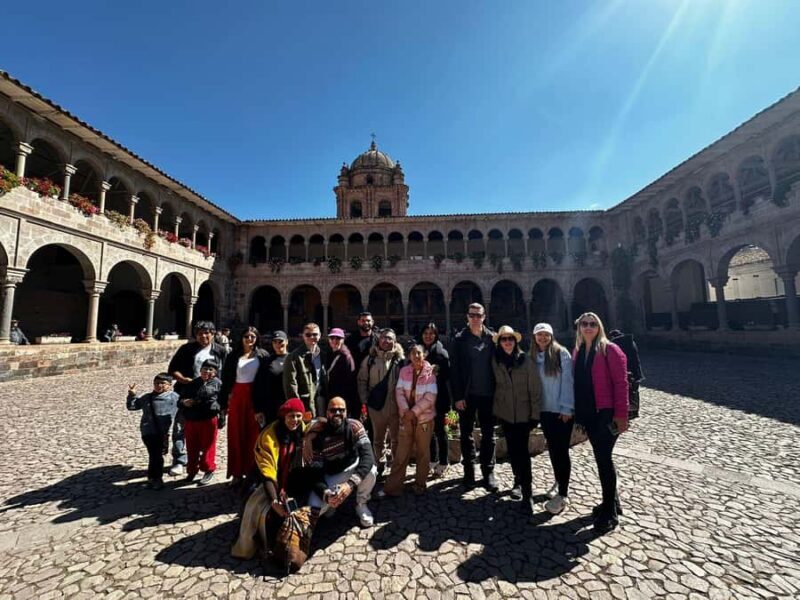
After roughly 15 minutes on the road, the minivan reaches Puka Pukara. The site is described as a military fortress, with rooms, plazas, baths, aqueducts, walls, and towers. The scheduled stop is about 25 minutes, including a guided visit and some free time.
Puka Pukara is a useful change of scale and subject. It shows that the route is not limited to temples and ceremonial sites. You get a short look at a place associated with defense and infrastructure, then continue to Tambomachay nearby.
The time here is brief, so focus on the guide’s explanation and the layout rather than trying to inspect every feature. If you are hoping for long, unstructured exploration at every ruin, this tour may feel hurried. If you want an efficient overview, the compact stop keeps the half-day plan moving.
The final archaeological stop is Tambomachay, about five minutes away by minivan. Its stone water channels are the central feature, and the site may have been dedicated to the worship of water. You have around 40 minutes for a guided visit, walking, photographs, and free time.
The channels offer a clear point of focus after the larger fortress and ceremonial sites. Look closely at how water is guided through the carved stonework, and use the guide’s explanation to place it in the wider route. As with Q’enqo, some parts of the site’s purpose are interpreted rather than known with certainty.
This stop involves walking, and the return drive to central Cusco takes about 30 minutes. Wear comfortable shoes and carry water. If you move more slowly, keep that in mind when choosing a departure and be prepared to take the site at your own pace.
The morning tour runs approximately from 9 a.m. to 2 p.m. The afternoon option starts at about 1 p.m. and finishes around 6:30 p.m. The advertised duration is five hours, though the stated afternoon window is a little longer. Treat the times as estimates and check the selected departure when booking.
The route is busy by design. You spend about an hour at Qoricancha, if included, then around 40 minutes at Sacsayhuamán, 30 at Q’enqo, 25 at Puka Pukara, and 40 at Tambomachay, with drives between. That structure is well suited to a first survey of the sites, not a leisurely day at each one.
Guides such as Luis, Wilson, Victor, Samuel, Jared, and William have been praised for explaining Inca history clearly and keeping the group engaged. Individual experiences can vary, but the guide is a major part of what makes the stops meaningful. The tour may also include a stop at an alpaca-wool shop on some departures. Treat that as a possible extra, not a guaranteed part of the route.
At $13 per person, the tour is a low-cost way to connect several sites that would otherwise require separate transport arrangements. The main value is the combination of a minivan and a guide who can explain what you are seeing. Many people are happy with the amount packed into a half-day, while some find the pace brisk.
The listed extras are worth planning for: Qoricancha costs S/20, and the tourist ticket is listed at S/70. Meals are not included. Since the tour price excludes both entrance charges and food, bring cash and check which entry costs apply to your chosen stops before setting out.
Free cancellation up to 24 hours in advance and the option to reserve now and pay later give you some flexibility. Those policies are useful if your Cusco plans are still taking shape, but they do not change the need to check the schedule and ticket costs.
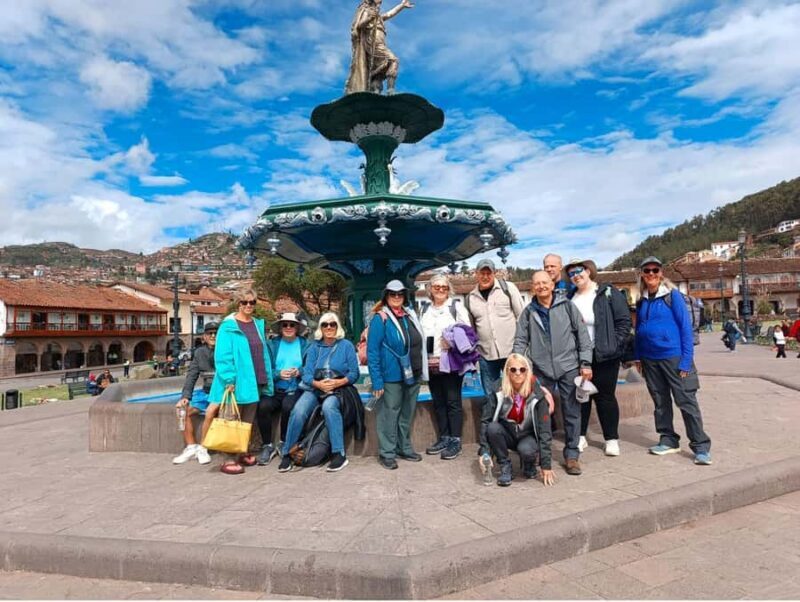
The stated meeting point is by the fountain in Cusco’s main square, at coordinates -13.516772, -71.9787231. One practical wrinkle: the square can be crowded with tour groups, and the meeting directions have caused confusion. Look for the guide with the company flag and a whiteboard showing your name, and allow time to find them.
The tour information also says pickup may be available at the door of hotels in the urban area of Cusco, depending on the selected schedule. Confirm your exact pickup or meeting arrangement before the day; do not assume hotel collection unless it has been agreed.
Pack comfortable shoes, comfortable clothes, sun protection, water, and a small daypack. Sunglasses, a sun hat, a camera, your passport or ID, and cash are also on the suggested list. Food is not provided, so plan ahead if you need a meal before or after the tour. Pets, weapons or sharp objects, smoking in the vehicle, alcohol and drugs, fireworks, and explosives are not allowed.
The activity is marked unsuitable for pregnant women and people with epilepsy. It is described as suitable for all ages, but the walking and brisk schedule still matter when deciding whether it fits your needs.
I would choose this tour if you want a guided first look at Cusco’s main nearby Inca sites and have only half a day available. It is especially useful if you value explanations, want transport between the scattered ruins, and are comfortable with a set schedule.
You may prefer to visit independently if you want to spend a long time at each site, or if you would rather avoid additional ticket costs. For most first-time visitors with a free morning or afternoon, though, the route offers a strong overview for a low starting price. Book it if you want context and coverage in one outing, and go in expecting a busy half-day rather than an unhurried archaeological wander.
“Wilson was an exceptional guide. He was incredibly knowledable, and his English was perfect. He took his time to answer all of our questions. He wa…”
The tour is listed as five hours. The morning schedule is approximately 9 a.m. to 2 p.m., and the afternoon schedule is approximately 1 p.m. to 6:30 p.m.
Meet by the fountain in Cusco’s main square. The listed coordinates are -13.516772, -71.9787231.
Pickup may be available at the door of hotels in Cusco’s urban area, depending on the selected schedule. The stated meeting point is the main square, so confirm your arrangement before the tour.
The route visits Qoricancha, Sacsayhuamán, Q’enqo, Puka Pukara, and Tambomachay. Entry to Qoricancha is optional.
No. The listed extra costs are S/20 for Qoricancha and S/70 for the tourist ticket.
Tourist transport and a professional guide are included. English and Spanish live guides and audio guides are listed.
No. Breakfast and lunch are not included, so plan your meals separately.
The listed languages are English and Spanish, for both the live guide and audio guide.
Bring your passport or ID, comfortable shoes and clothes, sunglasses, a sun hat, sunscreen, water, a camera, cash, and a daypack.
You can cancel up to 24 hours in advance for a full refund. The activity also offers a reserve-now, pay-later option.
You can check availability for your dates here: