Physical Address
304 North Cardinal St.
Dorchester Center, MA 02124
Physical Address
304 North Cardinal St.
Dorchester Center, MA 02124

Walk Cusco’s Inca streets, see the 12-Angle Stone and Qorikancha, and get a practical city introduction from a local guide.
Cusco’s old streets make the city’s layered past easy to read: Inca stone walls meet colonial churches, and a carved stone can stand for an entire neighborhood. I like this tour for its close-up look at Inca masonry and for the practical orientation guides such as Isa, Joshua and Joel offer, including restaurant and sightseeing tips.
The trade-off is the pace and terrain. Two hours covers a lot, and the route climbs toward San Blas and its viewpoint. That uphill stretch can feel demanding at Cusco’s altitude, especially if you have just arrived.
This walk is built for people who want a useful first map of Cusco, not a long, specialist lecture at every monument. In two hours, you move through central streets and historic sites while your guide connects the visible stonework to the city’s Inca and colonial past.
The route starts at Free Tour Cusco Peru and ends at Plazoleta de San Blas. That point-to-point shape is handy: you finish in a distinct neighborhood rather than simply returning to where you began. If you are new to Cusco, the walk can help you recognize landmarks and choose which places to revisit at your own pace.
The tour is offered in English and Spanish, with private groups available. The guides named by people who took the walk include Isa, Isaias, Joshua, Joel, Luis and Enrique. Their strongest contribution is not just naming buildings. They explain the architecture, answer questions, share local context and often offer useful tips for the rest of your stay.
Looking for more options in Cusco? Here are some other experiences worth considering.
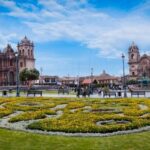
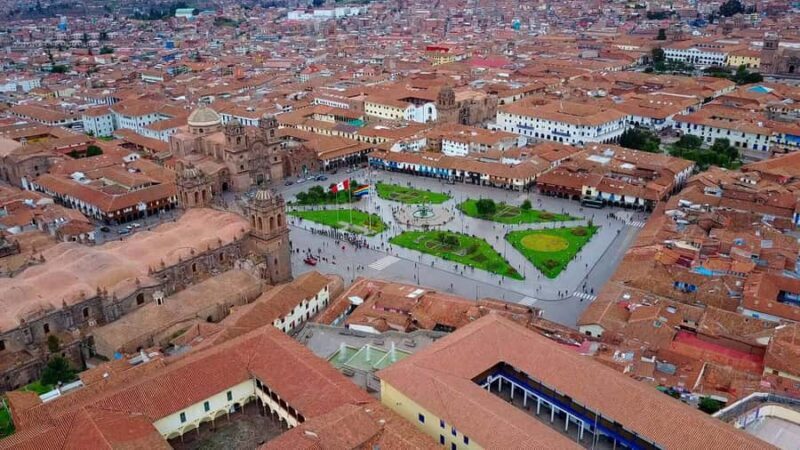
Cusco’s Main Square is a natural place to begin. It has been a sacred site since Inca times, and today two 16th-century churches frame the plaza. That contrast sets up the central theme of the tour: Cusco is not a city with a neat boundary between eras. Its Inca foundations and colonial buildings sit side by side.
Your guide gives the square a story beyond its familiar postcard view. This is a good place to ask how the city changed after the Spanish conquest, or what details to look for as you walk. The tour is short, so you should expect an overview rather than a full account of each church.
There is also a practical benefit to starting here. Cusco’s center can feel confusing on arrival, with many historic lanes and busy plazas. A local guide helps you build a mental map before you set off on your own.
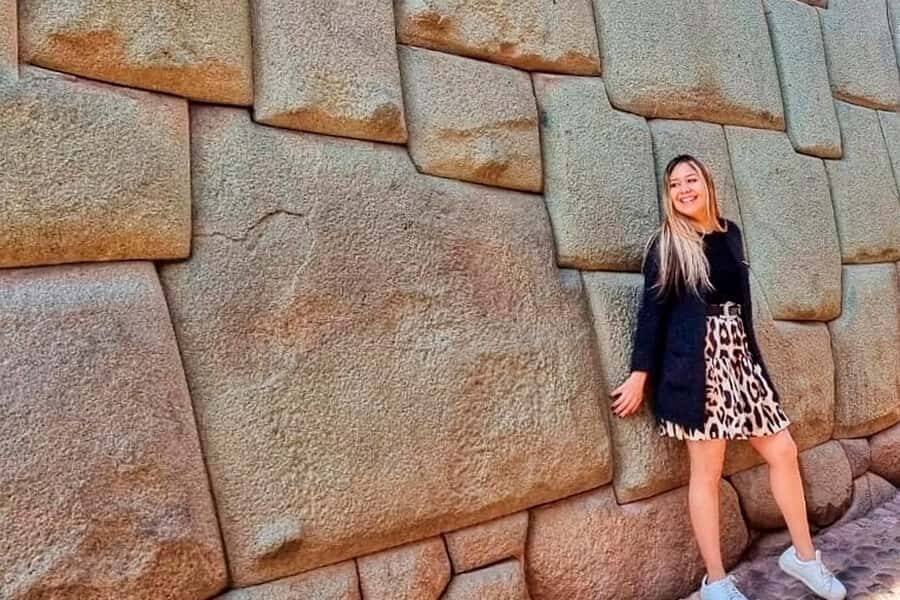
The 12-Angle Stone is one of the tour’s most memorable stops. Set into an Inca wall, it is known for its carefully fitted edges and is associated with Cusco’s 12 Inca neighborhoods. The point is not simply to take a photo. Your guide can help you look closely at how the stone fits into the wall and why this style of masonry still draws attention.
Inca Roca Street adds another architectural detail, with serpent and puma figures incorporated into the stonework. The city’s identity as a puma-shaped settlement is part of the tour’s framing, and these carved forms give that idea a visible link to the streets around you.
Kusicancha Palace offers a different angle on Inca urban design. It was an ancient government residence, laid out in a grid with central courtyards. Seeing the plan described in place can help you picture how buildings served civic life, rather than treating every old wall as a decorative remnant.
The walk also includes the Olave Family House, a workshop linked to a Cusqueño artisan known for detailed balcony carvings and images of Cusco. This stop shifts attention from imperial stonework to the craft traditions that continue in the city. It is a useful reminder that Cusco’s architecture is not only something to study from a distance.
Intiquiqllu Street, also called Loreto Street, is described as the last Inca street. Along it are the historic Amrucancha and Aqllawasi buildings. The lane gives the tour a more intimate scale: instead of looking across a grand plaza, you are following a route through the older city fabric.
Here, your guide can point out how Inca foundations and later structures coexist. The value of this stop is in the details and the explanation. Without a guide, you might walk through quickly and notice the stone, but miss the buildings’ names and their place in Cusco’s story.
The schedule gives the walk several short guided stops, so expect a steady flow rather than long stretches of independent exploration. You will have moments for photos and questions, but this is not designed as a leisurely visit to each site. If one location catches your interest, make a note to return later.
More Great Tours NearbyQorikancha, also written Coricancha, is one of the most important sites on the route. It was the revered Sun Temple and among the Inca Empire’s major buildings. Its place on the tour is valuable because it anchors the wider story of Cusco’s religious and political importance.
The stop includes guided explanation and time for photographs. The supplied details do not specify that admission is included, so do not assume the walk covers entry to the site or a full interior visit. Think of this as an introduction. If you want more time inside, check separately whether you need a ticket and plan a return visit.
This is also a good moment to ask your guide about the relationship between Inca and colonial architecture. A number of people who took the tour found the explanations of history and building methods especially useful. Guides have also been praised for answering questions beyond the prepared route, which makes the experience more engaging than a simple sequence of monument names.
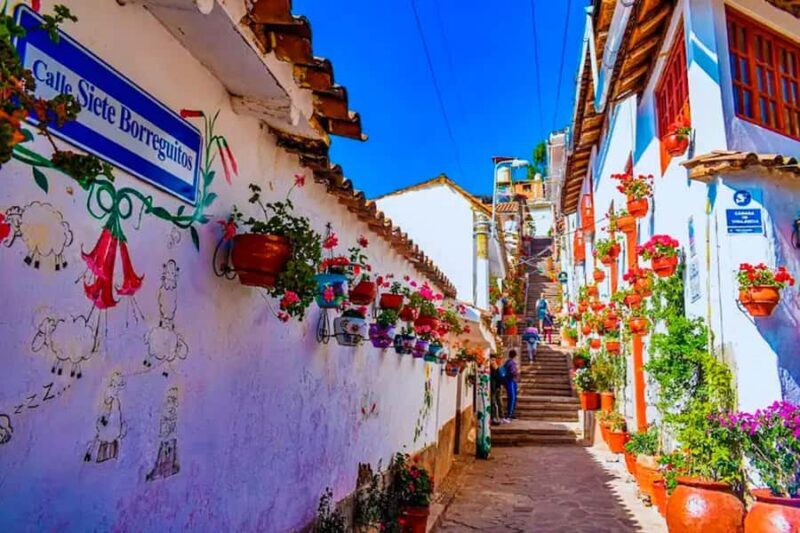
The route heads on foot toward San Blas, Cusco’s artisan district. Its streets are known for 16th- and 17th-century character, and the neighborhood’s craft identity gives the walk a different feel from the main square and major Inca sites. The tour finishes at Plazoleta de San Blas.
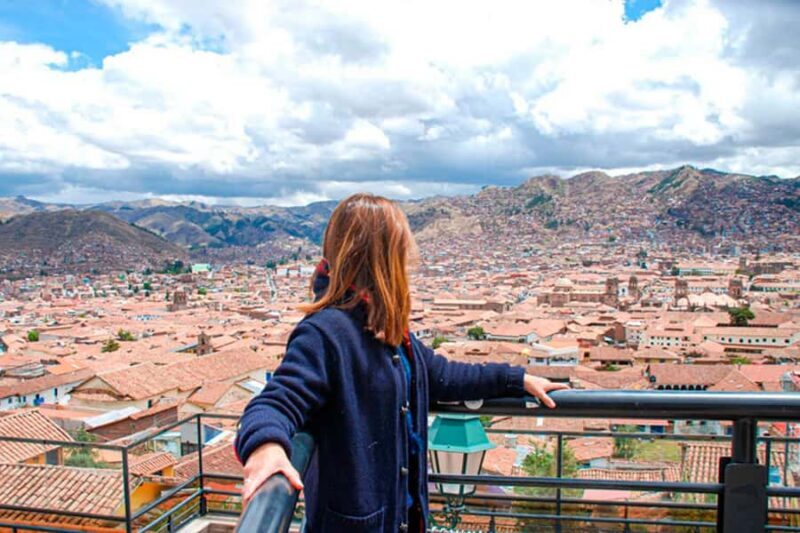
The final viewpoint is a strong closing stop, with panoramic views across Cusco. It gives you a chance to connect the places you have just visited and see how the city spreads out below. Some guides have also offered a drink or a small tasting during the experience, including a pisco sour lesson, but these extras are not listed as guaranteed inclusions. Treat them as possible surprises, not part of the booking promise.
Be ready for the uphill section. One person who took the walk described it as steep but worth the effort, and a guide was noted for checking that the group was coping with the altitude. Even so, you know your own limits best. Walk at a comfortable pace, drink water and tell the guide if you need a pause.
The strongest feature of this tour is the guide’s role in making the city legible. Guides such as Isa, Joshua and Joel have been singled out for clear English, lively delivery and the ability to explain Inca history and architecture in a short time. Some use games or humor to keep the group involved; others focus on local stories and careful answers to questions.
The practical advice matters, too. Guides have shared restaurant recommendations and ideas for what to see next, and one has offered to walk people back toward the starting point after the tour. That kind of help can be especially useful on your first day, when you are still learning how Cusco’s center fits together.
The quality of a walking tour depends partly on the guide assigned that day, so no particular personality or extra activity is guaranteed. The steady pattern is an informed local guide, an English- or Spanish-language tour, and a short route with room for questions.
The stated price is $10 per person. The experience is also presented as a free tour, and one person who took it described the payment as a discretionary tip. Because those descriptions do not fully clarify the payment arrangement, check the amount shown when you book and bring cash if you plan to tip.
At that price, the main value is the guide’s two-hour introduction, rather than admission to attractions or a meal. Food is not included as a stated benefit. Although some people have received snacks or a drink, you should not budget on those being provided every time.
Wear comfortable shoes and clothes, and carry water, sunscreen, sunglasses and a sun hat. A small daypack keeps those basics handy. Bring cash and a camera if you want to take photos, and have your passport or another ID card with you as advised.
The walk is not suitable for wheelchair users. Pets, weapons or sharp objects, alcohol and drugs, fireworks and explosive substances are not allowed. The activity also lists smoking in the vehicle as prohibited.
I would choose this tour if I had just arrived and wanted a compact introduction to Cusco’s central history, architecture and neighborhoods. It is particularly useful if you like asking questions, want local restaurant tips, or would rather understand what you are seeing before exploring the streets on your own.
It may be less suitable if you want a slow visit with long stops, a guaranteed interior tour of Qorikancha, or a route without hills. The walk covers several sites quickly and ends uphill in San Blas, so it works best when you are comfortable walking and ready to keep a steady pace.
For a first orientation, the combination of Inca masonry, colonial-era landmarks, local stories and a city view makes the two hours worthwhile. Book it early in your stay if you can, then use the guide’s suggestions to decide what deserves a closer visit.
“This was an absolutely fantastic tour! Our guide Joshua was incredibly energetic and friendly, and he prepared lots of fun little games for us. He …”
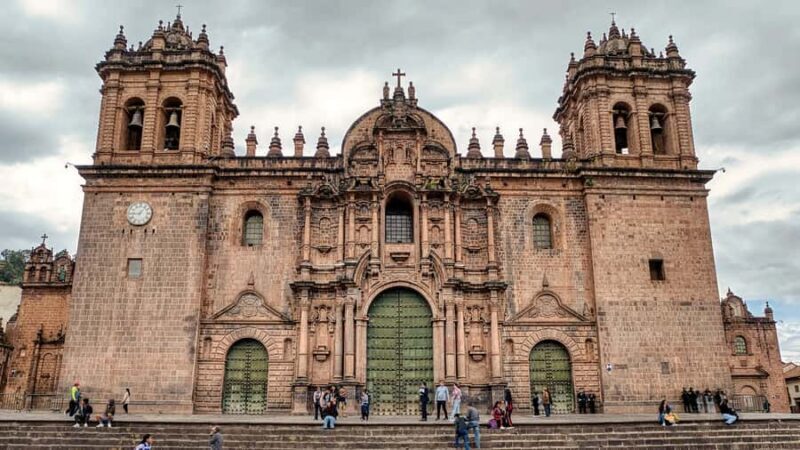
The walking tour lasts two hours.
Meet at Free Tour Cusco Peru, near the stated coordinates of -13.5174197, -71.9786609. Look for a purple umbrella and a purple polo shirt marked Free Tour Cusco. The walk finishes at Plazoleta de San Blas.
Yes. The live tour is offered in English and Spanish.
A certified professional guide in Spanish or English and permanent assistance are listed as included. Food is not listed as included.
No. The tour is listed as unsuitable for wheelchair users.
Bring comfortable shoes and clothes, water, sunscreen, sunglasses, a sun hat, a camera, cash, a daypack and your passport or ID card.
You can check availability for your dates here: