Physical Address
304 North Cardinal St.
Dorchester Center, MA 02124
Physical Address
304 North Cardinal St.
Dorchester Center, MA 02124

Repair a ceramic piece with gold in a calm Kyoto Kintsugi workshop. Learn the craft, meet friendly English-speaking instructors, and take home a souvenir.
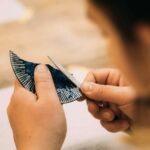
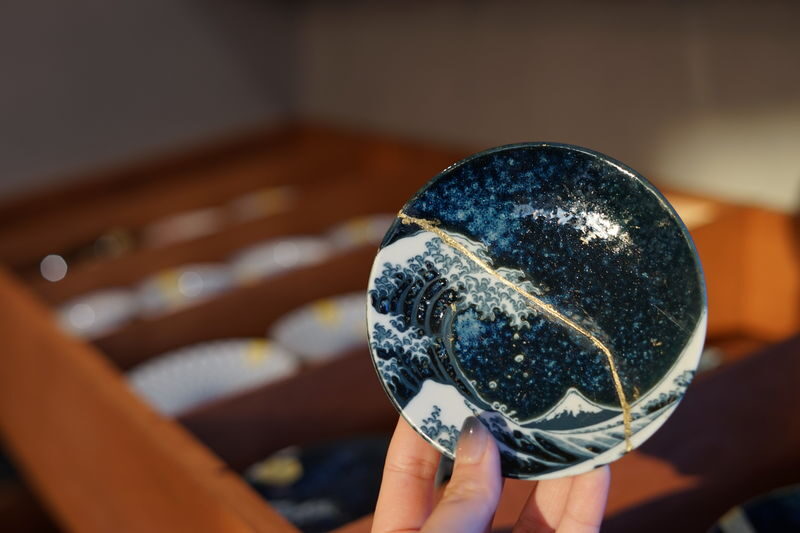
Kintsugi turns a break into part of a ceramic piece’s story. At this one-hour Kyoto workshop, you’ll mend and decorate a bowl or plate with gold lines, while an instructor guides you through each step and explains the ideas behind the craft. It’s an appealing change of pace from temples and sightseeing.
I like two things in particular: you make something with your hands, and the patient, English-speaking instructors make the activity approachable even if you don’t consider yourself artistic. Guides including Yuhi, Cerise, Stephanie, and Katie have been praised for clear explanations and a friendly manner.
One thing to check before booking is which ceramic piece comes with the price. The included option is a basic small white piece; more decorative plates and bowls may cost extra. A participant also reported that some gold finish washed off later, so treat the piece as a souvenir and ask about care instructions before you leave.
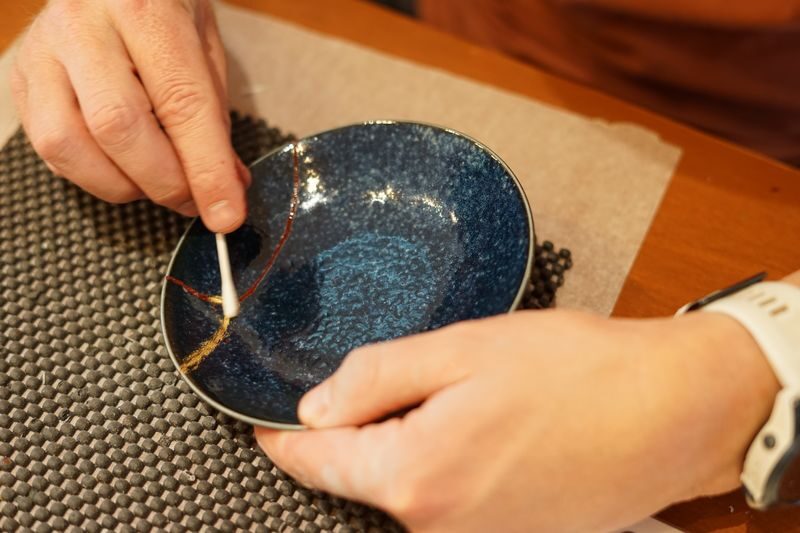
Kyoto days can fill quickly with shrines, lanes, and long walks. This workshop gives you a different way to spend an hour: sitting down, listening, and making something of your own. I like that the activity is not built around a long lecture or a complicated set of skills. You learn by doing, with an instructor nearby to explain the steps and help when needed.
Kintsugi is the Japanese practice of repairing broken ceramics and marking the repair with gold. The idea behind it, finding beauty in imperfection, gives the activity more meaning than simply decorating a plate. You can ask about the history and cultural background as you work. Participants have specifically praised instructors for sharing context as well as practical guidance.
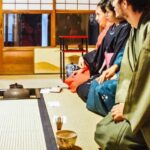
The atmosphere is described as calm and welcoming, a useful contrast to a busy day out. It can suit a couple, a family, or a solo visitor. If you’re traveling alone, the small-group setting can also give you a natural chance to chat with others while you work. If you’re with family, the activity offers something to do together without requiring everyone to have an artistic streak.
You might also be interested in these Kyoto experiences
The activity is listed as a one-hour Kintsugi workshop. You meet at Zen Kyoto Annex, then spend the session learning how to repair and decorate a ceramic piece. The instructor guides you through the process and explains the background. At the end, you take your handmade piece with you.
The exact working sequence is not specified, so I would not expect a formal lesson in every traditional stage of Kintsugi. The experience is presented as a beginner-friendly, practical introduction. The central appeal is getting to try the craft yourself, with an instructor on hand to explain and assist.
The workshop is also described in one section as combining Kintsugi with chopstick-making, but the package named here is Zen Gion Workshop, and its listed activity and highlights focus on Kintsugi. If making chopsticks is important to you, confirm that it is part of the specific session you book rather than assuming it is included.
Although the session is scheduled for an hour, one participant said the group stayed for two hours because they were enjoying themselves. That is a possibility, not a promise, so leave a little breathing room in your plans if you can. If you have a tight schedule, plan around the stated one-hour duration and avoid booking another activity immediately afterward.
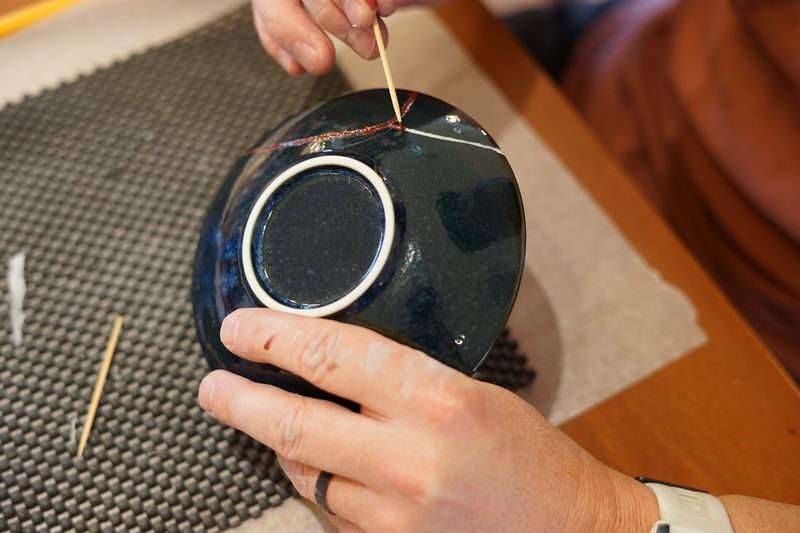
The finished piece is the workshop’s most tangible souvenir. Unlike a purchased trinket, it carries the memory of the time you spent making it, and the gold lines make the repair part of its design. For many people, that personal connection is the best reason to book.
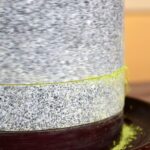
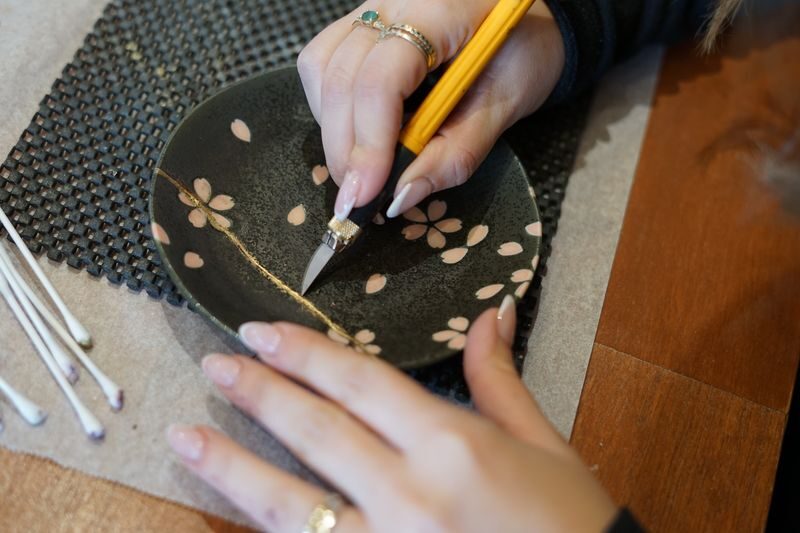
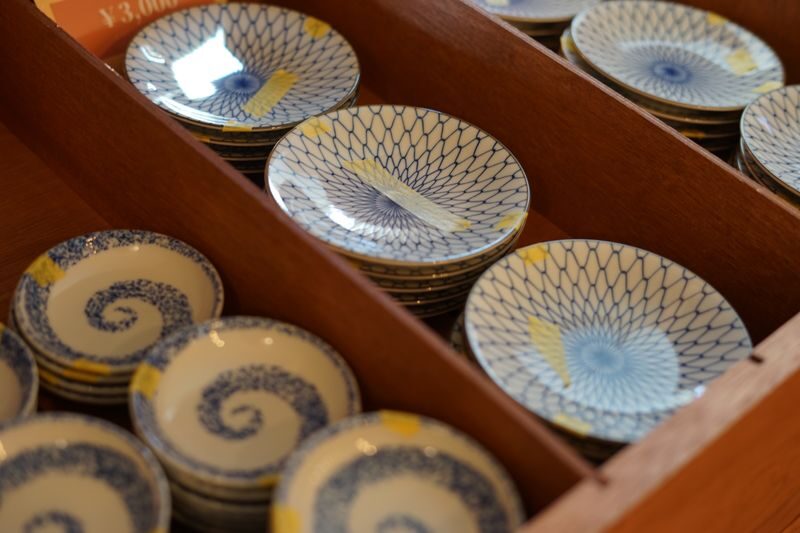
The standard piece is a basic small white ceramic item. More decorative models, including colored plates and bowls, may be offered for an additional charge. One participant said their family paid ¥1,100 per extra bowl, while another was disappointed to discover that the fancier pieces shown in the activity images were not included in the basic price. Options and prices can change, so ask to see the available ceramics and confirm the extra cost before choosing.
You may also want to ask how the piece should be cared for. One participant said some of the gold finish came off after washing, despite waiting before doing so. That does not mean every finished piece will have the same issue, but it is a sensible reason to check whether your creation is intended for display or regular use and what cleaning method is recommended.
One person reported bringing a cherished bowl of their own to be repaired. That is a special possibility, but it is not stated as a standard feature of the package. If you have a meaningful broken item, contact the studio before booking to ask whether it can be accepted, and whether there are size, material, or condition limits.
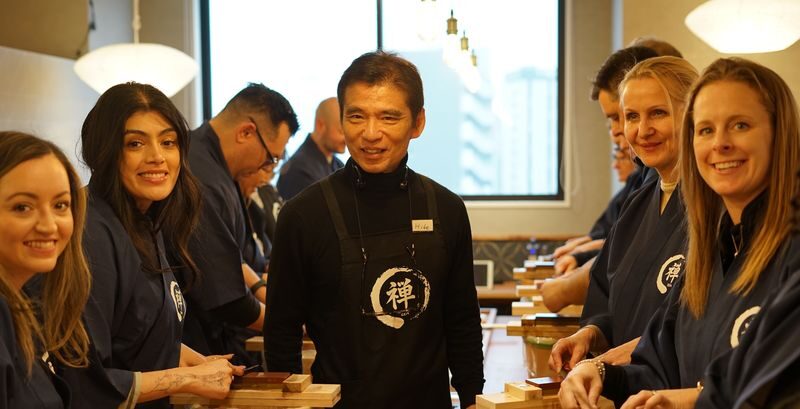
You do not need to arrive with craft skills. The activity is aimed at beginners, and participants describe instructors as patient, clear, and willing to help. Yuhi, Cerise, Stephanie, Katie, Mabia, and Thunder are among the names people have singled out for friendly guidance and cultural explanations.
The teaching style matters here. Kintsugi can feel intimidating if you imagine you need a steady hand or a perfect result. A step-by-step guide helps make the process manageable, and the point is not to produce a flawless object. You are there to learn a little, try the method, and leave with a piece that shows your own hand in it.
The workshop is presented as suitable for families, couples, and solo visitors. The formal age information says children aged 13 and older are charged the adult rate. Since some participants have attended with younger children, but the eligibility details do not spell out a general minimum age, ask the operator directly if you plan to bring a child under 13.
English-speaking staff are included. Some participants have also described instruction in other languages, including French, but language availability may depend on who is leading the session. If you need instruction in a particular language, confirm it when booking.
The meeting point is Zen Kyoto Annex, Building 6F, 439 Ebisu-cho, Nakagyo Ward, Kyoto 604-8005. The activity is associated with Gion, but the stated address is in Nakagyo Ward, so use the full address when planning your route rather than relying on the Gion name alone.
The meeting instructions ask you to arrive five minutes before your selected start time; the additional guidance says five to seven minutes is best. One participant noted that the lift is tucked behind a pillar at the Hayakawa building, so look carefully when you reach the building. You’ll need to attend at the time you booked, and late arrivals or no-shows are not eligible for a refund.
Start times are offered hourly from 09:00 through 18:00. The listed return times run from 10:30 through 19:30, depending on your chosen start time and the session schedule. The workshop is a meet-up activity, not a tour with transport, and it returns to the same address.
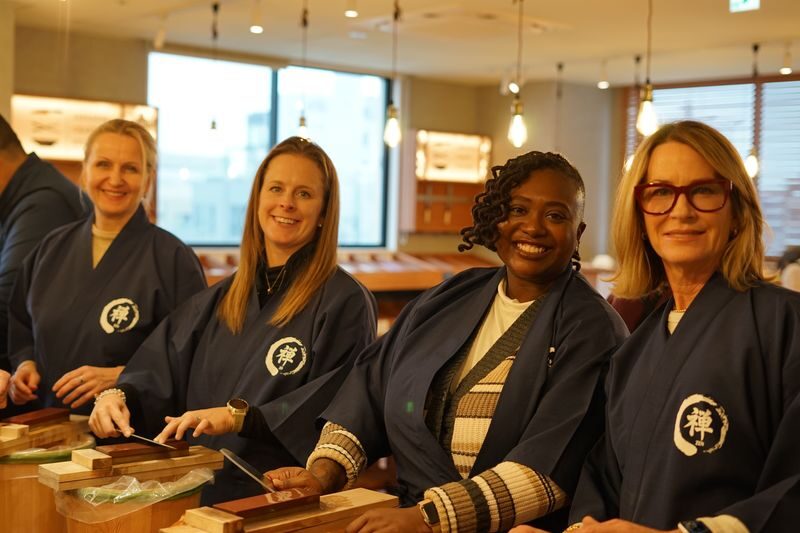
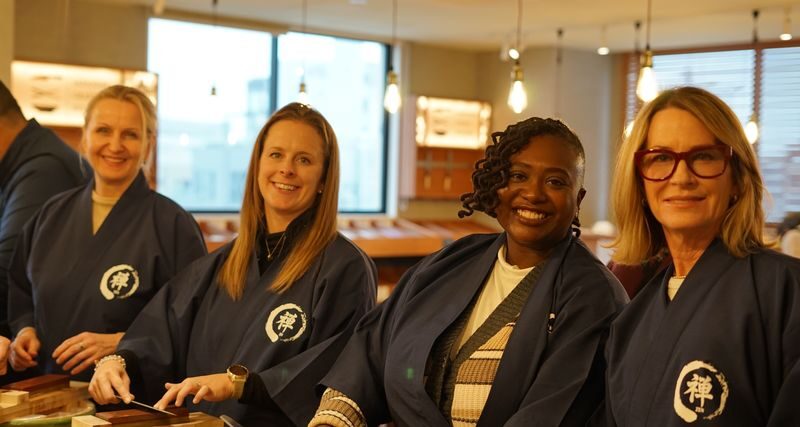
The room has been described as a small, pleasant studio where different groups may be working at once. If you are hoping for a private lesson, do not assume that is included. One participant noted that groups of three to five received private attention, but group arrangements can vary. If personal instruction is important to you, ask the operator how many people are booked for your time slot.
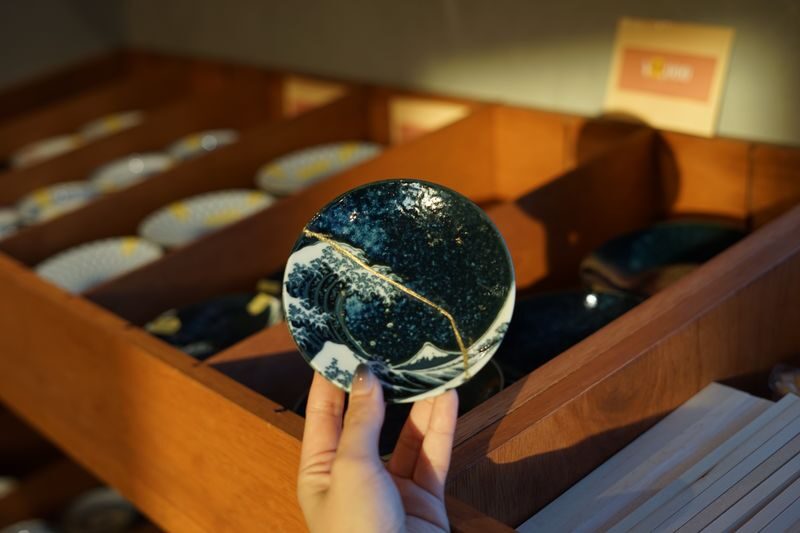
The advertised starting price is from $5.05, but that figure should not be your only guide to the cost. Check the final price for your date and the ceramic included in the package. If you want a more decorative plate or an extra bowl, budget for a possible add-on; one participant reported an extra bowl costing ¥1,100.
The value is strongest if you want an activity, not simply a piece of pottery. You get a guided introduction, time to make something yourself, and a handmade reminder of Kyoto. If you only want a high-end ceramic souvenir, compare the extra charges with the cost of buying a finished piece elsewhere. If you value the process and the story behind your work, the basic option may be enough.
The workshop has a five-out-of-five rating from 386 activity ratings, and the provider lists a 98 percent good review rate across 22,027 reviews. Those figures are encouraging, though they cannot guarantee your own group size, instructor, or finished result. The most consistent strengths are clear instruction, a relaxing atmosphere, and the chance to learn while making something personal.
I’d choose this if you want a short, hands-on cultural activity that fits between sightseeing plans. It is especially suited to people who enjoy crafts, want a break from walking, or prefer a personal keepsake to another shop purchase. The welcoming approach also makes it a reasonable choice if you are traveling with family or a partner and want an activity you can share.
It may be less suitable if you expect to master traditional Kintsugi in an hour, need a fully specified list of materials and aftercare instructions in advance, or want a particular decorative plate included in the base price. Ask about the ceramic options and the finish before paying extra. If you are hoping to repair your own heirloom, confirm that it can be brought in.
Booking is available as soon as tomorrow, with instant confirmation noted. You can cancel for a full refund if you do so at least 24 hours before the activity date, in local time. If the operator cancels because of extreme weather or another unforeseen event, you can reschedule or request a full refund.
“I had a great time learning Kintsugi alongside Cerise. We were a group of 4 and we got to know each other.”
The scheduled activity lasts one hour. One participant said their session ran longer, but that is not guaranteed.
Meet at Zen Kyoto Annex, Building 6F, 439 Ebisu-cho, Nakagyo Ward, Kyoto 604-8005, Japan.
Arrive five minutes before your scheduled start. The guidance also recommends arriving five to seven minutes early.
Listed start times run hourly from 09:00 to 18:00. Available return times depend on your selected start time and the session duration.
Yes. English-speaking staff are included.
A basic small white ceramic piece is included. More decorative pieces may cost extra, so confirm the choices and prices before selecting one.
Children aged 13 and older are charged the same rate as adults. The information provided does not specify eligibility for younger children.
You can receive a full refund if you cancel at least 24 hours before the activity date, based on local time. Late arrivals and no-shows are not eligible for refunds.