Physical Address
304 North Cardinal St.
Dorchester Center, MA 02124
Physical Address
304 North Cardinal St.
Dorchester Center, MA 02124

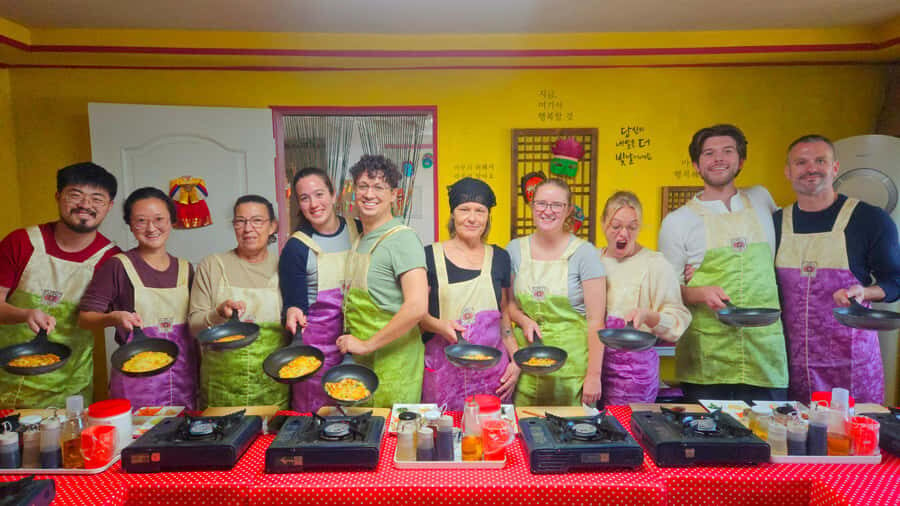
Tour Mangwon Market, taste Korean street food, then cook a meal in a Seoul home with a local chef for $93.
Mangwon Market is more than a place to buy ingredients: it is the opening chapter of this 3½-hour experience. You’ll walk among the stalls with a local host, sample street food, then cook and eat in a real Seoul home. The market-to-kitchen format gives you a useful glimpse of daily food culture, not just a list of recipes.
I like two things especially: you do the cooking yourself, with your own small cooking space, and the host links ingredients to Korean customs and family food traditions. The group is capped at 10, and the host can discuss dietary needs in advance.
One practical caveat: the class takes place in a local home with no elevator, and you must make your own way to and from Mangwon Station. Tell the host about allergies or dietary restrictions before the day, rather than assuming every adjustment can be made on arrival.
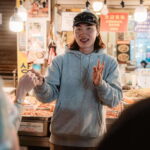
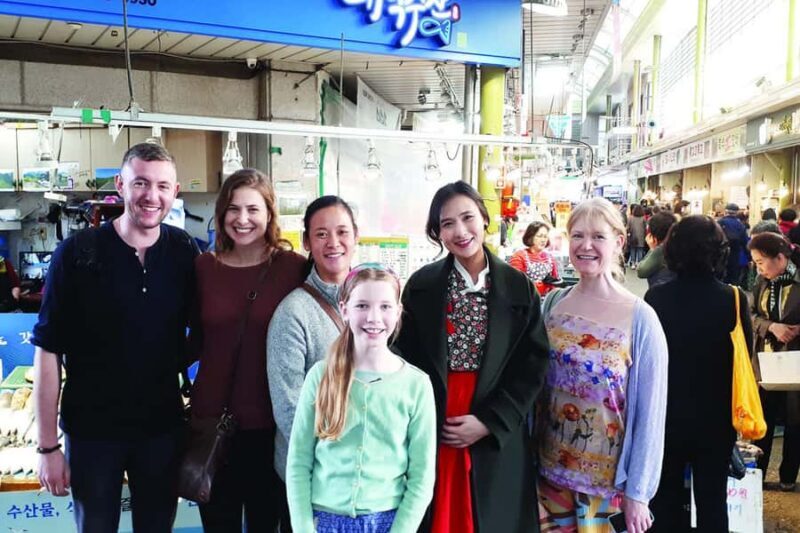
The meeting point is outside Mangwon Station at Exit 2. From there, your host leads the group into a traditional neighborhood market, where the focus is on the foods and ingredients people buy for everyday cooking. That is a useful change of pace from Seoul’s bigger sights: you get to look closely at the contents of the stalls, ask what things are, and learn how they fit into Korean meals.
This is not simply a walk past produce. The guide explains ingredients as you go, and the market visit sets up the cooking class that follows. You may also get to try street-food samples. Kimbap and Korean doughnuts have been served, though you should not count on those exact items being available every time.
The market is a good place to pick up practical context. You can learn a little Korean vocabulary, see what local shoppers are buying, and get a sense of how seasonal ingredients shape meals. Some participants have also practiced simple phrases with the host while shopping. If you are early in your Seoul trip, that language and food knowledge may be useful well beyond the class.
The pace is described as manageable, and the group is small enough for questions. Still, this is a walking tour through a working market, not a private shopping excursion. Expect to move through active aisles and focus on what the host points out rather than browsing every stall at your own speed.
You can check availability for your dates here: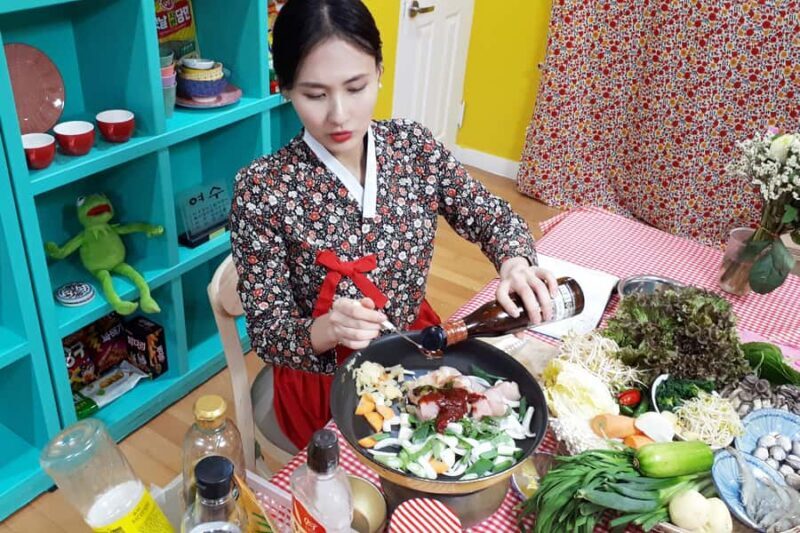
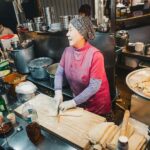
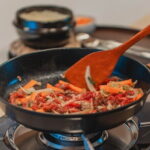
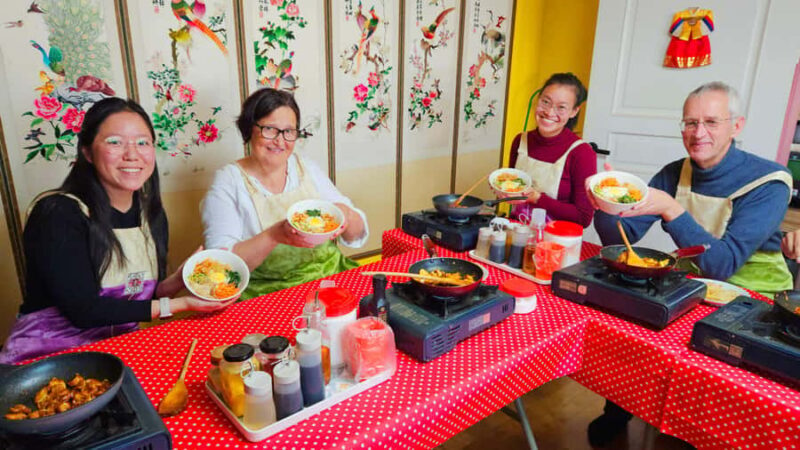
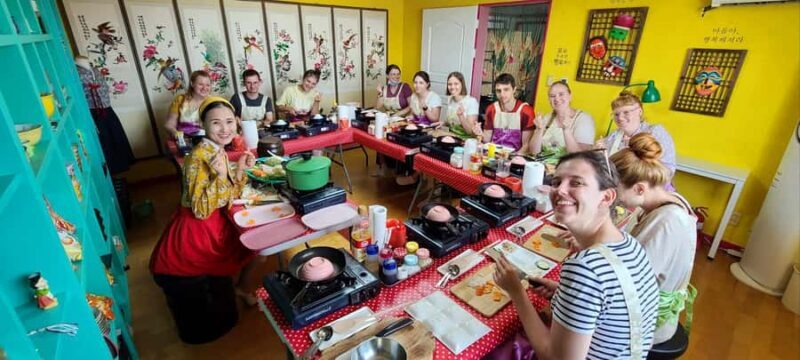
After the market, the group goes to the host’s home for the cooking session. The setting is a central part of the experience: you are welcomed into someone’s real home, rather than a restaurant classroom designed to look domestic. The kitchen and dining area are arranged for a group, and participants have described individual mini stoves and well-prepared ingredients.
The class is fully hands-on. Your host demonstrates and explains the steps, then you prepare the dishes yourself, from fresh ingredients to the finished meal. You do not need cooking experience. Instructions are broken down clearly, and the class is intended for beginners as well as people who already cook.
The recipes are only part of the lesson. Hosts such as Junghee and Sarah or Sara have shared family stories, explained why certain foods are prepared as they are, and talked about Korean food culture. You may also pick up useful phrases for ordering or talking about food. That combination makes the class more rewarding than watching a chef cook while you take notes.
The specific menu is not set out in the available details, so do not book expecting one guaranteed dish. Participants have described making several dishes, and pajeon, Korean pancakes, is one recipe that has been prepared. Bibimbap has also been mentioned in connection with the experience. Ask the host what is planned if a particular recipe matters to you.
Shoppers can discover Seoul's markets and boutiques through these guided experiences
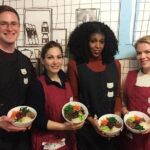
Once cooking is finished, you sit down to eat what you have made, with homemade side dishes and dessert. A glass of makgeolli, a Korean rice wine, is included, along with water. Welcome tea is served as well. The meal gives you time to enjoy the results and talk with the host and the rest of the group.
That shared meal is part of the value. Korean food is often served with several dishes on the table, and the sides help explain how a meal works as a whole. You are not only learning how to prepare one main recipe; you are getting a feel for the way food is served and shared.
The group size, up to 10, helps keep the session sociable without turning it into a crowd. People have described meeting participants from different countries and feeling comfortable in the host’s home. The atmosphere is friendly and lively, but the class still has a clear structure from market visit to cooking to meal.
Photo and video service is included, along with recipes. The recipes are useful if you want to recreate a dish at home, and the host can suggest substitute ingredients that may be easier to find outside Korea. Recipes have been shared digitally, so save the files or messages somewhere easy to find after your trip.
Vegetarian, vegan, halal, and gluten-free requests are welcomed, but you should contact the host ahead of time about any dietary restriction or allergy. That matters especially for serious allergies or celiac disease, where ingredients and preparation need careful discussion. One participant with celiac disease received adjustments, but individual needs can vary, so explain yours clearly before booking or as soon as you have reserved.
There is no hotel pickup or drop-off. You are responsible for getting to Mangwon Station and returning from the activity on your own. Check your route before the day, and allow enough time to arrive at Exit 2 without rushing.
The home has no elevator. If stairs are difficult for you, contact the host before booking to confirm whether the access works for your needs. The class lasts 210 minutes, but some sessions have run a little over. Leave a little breathing room afterward rather than scheduling a tight connection or dinner reservation.
The host speaks English and Korean. The small group limit of 10 gives you a reasonable chance to ask questions, though how much individual attention you get will depend on the size and needs of your group.
At $93 per person, this is not the cheapest way to eat in Seoul. But the price covers a 210-minute experience with a market tour, street-food samples, professional instruction, ingredients, equipment, a cooked meal with side dishes and dessert, welcome tea, makgeolli, water, recipes, and photo and video service. You are paying for more than a meal or a cooking demonstration.
The value is strongest if you want to understand Korean food as part of everyday life. The market explains where ingredients come from; the kitchen puts them to use; and the shared meal shows how the dishes come together. If you only want a quick lesson in one recipe, this may feel like more time and expense than you need. If you enjoy food, cultural conversation, and doing things yourself, the full sequence is a better fit.
A small group also matters. With no more than 10 participants, the class can remain personal, and the host can help people follow the steps. This is particularly useful if you are a novice cook or have a specific food request to discuss. The price includes the practical extras that make the session easy to enjoy, though transport to the meeting point is on you.
More Great Tours Nearby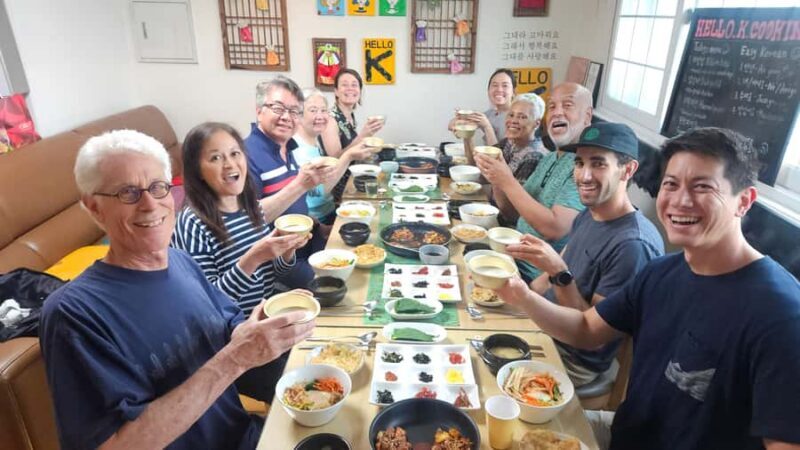
I would put this high on the list for anyone who likes Korean food and wants more than a restaurant meal. It suits couples, solo visitors, friends, and families with children who can take part in a three-and-a-half-hour activity. A six-year-old has joined a session, but the information does not specify an age policy, so check with the host if you are planning to bring a child.
It is also a good choice early in a Seoul stay. The market visit and language tips can help you recognize ingredients and feel more at ease ordering food during the rest of your trip. If this is your first cooking class, the clear instructions and individual cooking stations should make the format approachable.
You may want to skip it if you dislike group activities, have difficulty with stairs, or prefer to set your own pace at a market. It is also not a substitute for a private allergy-safe kitchen unless the host has confirmed that your needs can be met. The class is social by design, and the home setting means you should be comfortable spending time in someone else’s space.
My call: book it if food is one of the ways you like to get to know a place. The market, practical cooking, and meal at a local home make a useful whole, and the recipes give the experience a life beyond your time in Seoul. Contact the host in advance about dietary needs, check the stairs, and leave a little flexibility in your schedule.
You might also be interested in these Seoul experiences
“Outstanding in every way. Our host was kind, generous, so good at her job. We all learned so much and had a really fun time. She was able to make a…”
The activity lasts 210 minutes, or 3½ hours. Some sessions may run a little over, so leave extra time afterward.
Meet your guide outside Mangwon Station at Exit 2. Hotel pickup and drop-off are not included.
The experience includes the market tour, cooking instruction, ingredients and equipment, street-food samples, welcome tea, a meal with side dishes and dessert, makgeolli, water, recipes, and photo and video service.
No. The class is hands-on, but the instructions are designed to be easy to follow, including for beginners.
Vegetarian, vegan, halal, and gluten-free requests are welcomed. Contact the local host in advance about dietary restrictions or allergies so you can discuss what is possible.
The instructor speaks English and Korean.
No. There is no elevator to the local home. If stairs are a concern, contact the host before booking.
You can check availability for your dates here: