Physical Address
304 North Cardinal St.
Dorchester Center, MA 02124
Physical Address
304 North Cardinal St.
Dorchester Center, MA 02124

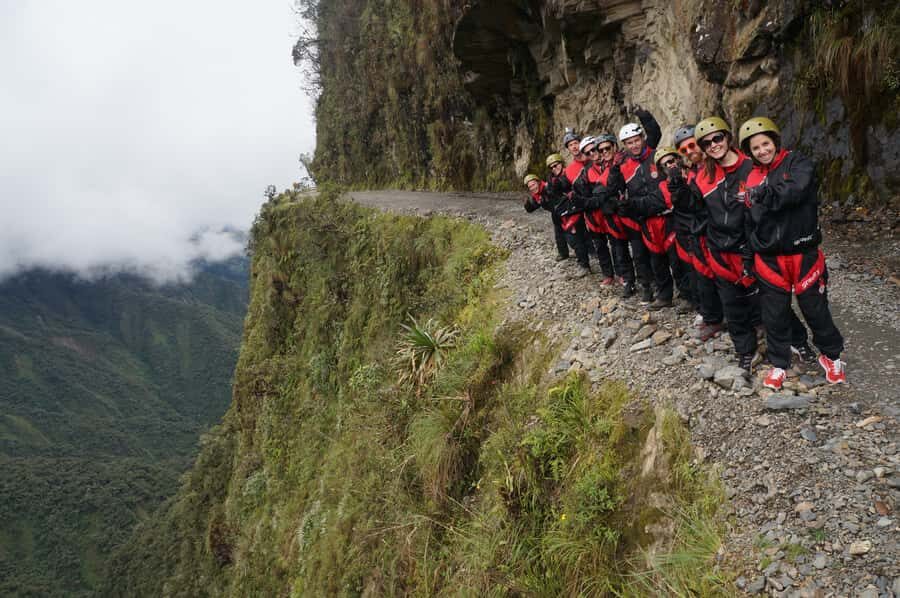
Ride Bolivia’s Death Road from high Andean peaks to the Yungas with Gravity’s guides, full-suspension bikes, support vehicle, and sanctuary lunch.
Death Road is not a nickname designed to soothe your nerves. This one-day ride begins high in the Andes and drops through mountain scenery to a narrow, rough road cut into the hillside, finishing in the warmer Yungas. You cover about 64 kilometers, and the change in altitude, air, and vegetation is part of the adventure.
I like two things in particular: you get capable downhill bikes and a support team that checks them along the way, and the route ends at La Senda Verde Animal Refuge, where lunch and a visit to the rescued animals make a satisfying finish. The trade-off is that this is still a hazardous ride, and the day can run long, especially with the return drive to La Paz.
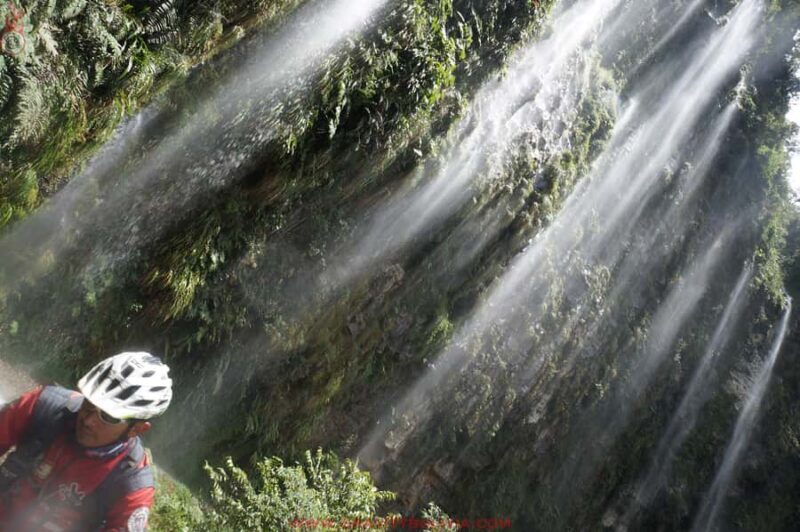
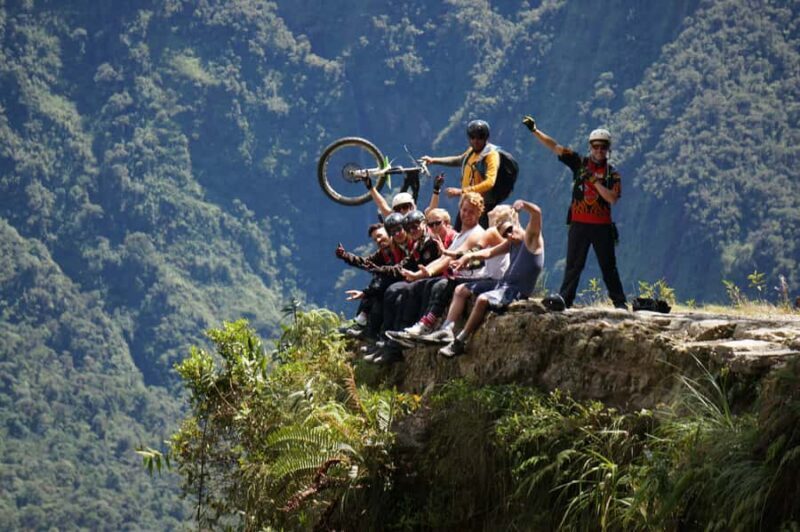
The tour meets outside Café del Mundo in La Paz, then drives up to La Cumbre, the starting point at 4,700 meters. The altitude matters: the air is thin, the weather can be cold, and the ride begins with a very different feel from the warm lowlands where you finish. Breakfast is included, with meat, egg, vegetarian, and vegan options listed.
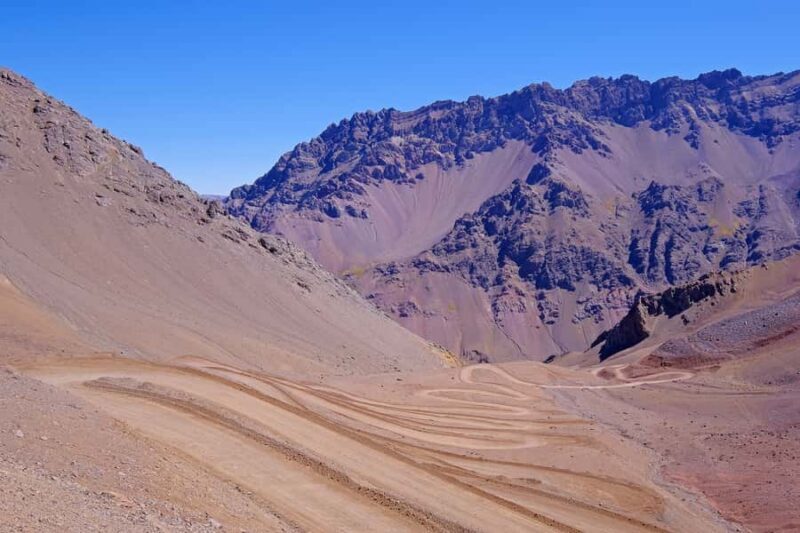
At the top, the views take in snow-covered peaks and broad Andean slopes. You’ll want warm layers here, even if the forecast in La Paz feels mild. The ride begins on asphalt, twisting down among high mountain scenery, grazing llamas and alpacas, and small villages.
The first part is a useful chance to get used to the bike and the group. Guides explain the road and what to expect on the next section, while planned stops give you time for photos, water, and a rest. You are not expected to race the group. You can ride at a pace that feels manageable, though the guide can put you on the bus if continuing is unsafe for you or others.
Cyclists might enjoy these other La Paz biking routes and tours
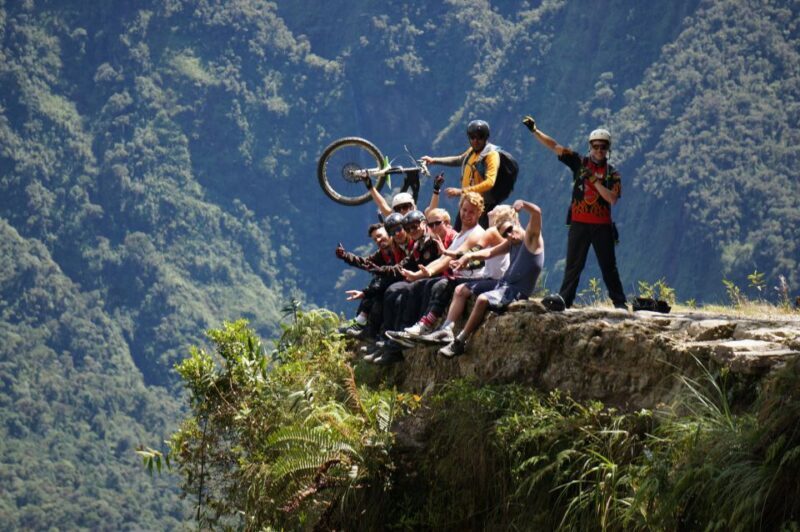
The route moves from asphalt to rougher terrain, and the scenery shifts as you lose altitude. Cliffs, sharp drops, and greener slopes appear along the way. The contrasts are a big part of what makes this ride more than a long downhill: the temperature rises, the air grows more humid, and the mountain setting gives way to forest.
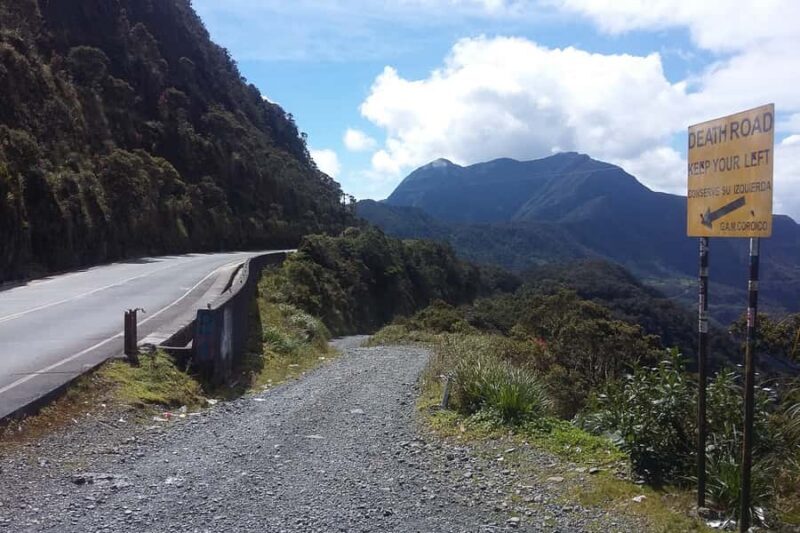
After an undulating section, you reach the infamous dirt-road portion. It is narrow and cut into the side of the mountain, with a descent of about 2,000 meters in altitude. Mist, low cloud, and dust can affect visibility, and conditions may be wet or cold near the top before becoming hotter and dustier lower down.
This is the section that deserves respect. You’ll hear briefings and get pointers before riding onward, and the guides stop to explain what lies ahead. The support vehicle follows the group, and the tour includes a guide and mechanic. You can pause to rest or change clothes, and the team checks bikes at stops.
Some people will find the dirt road thrilling; others may feel tense for much of it. That is no failure. The ride is not a competition, and the tour explicitly allows the guide to put a rider on the bus for safety. If you are nervous, say so early and take the route at your own pace rather than trying to match the fastest person in the group.
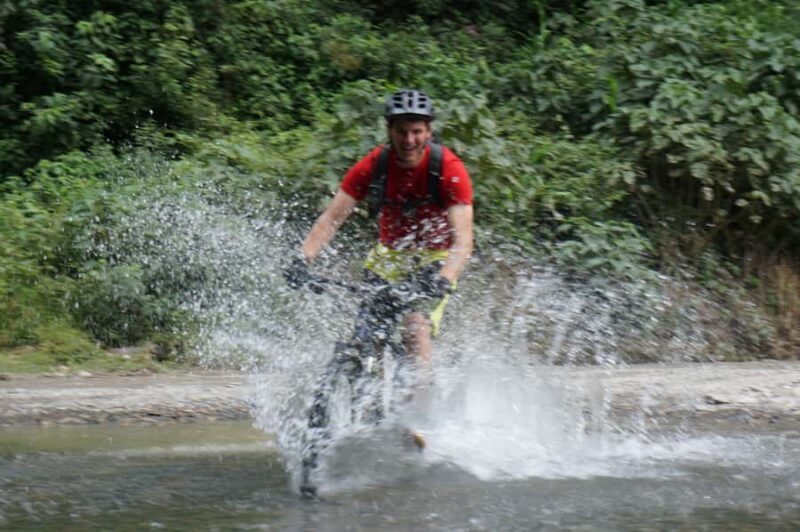
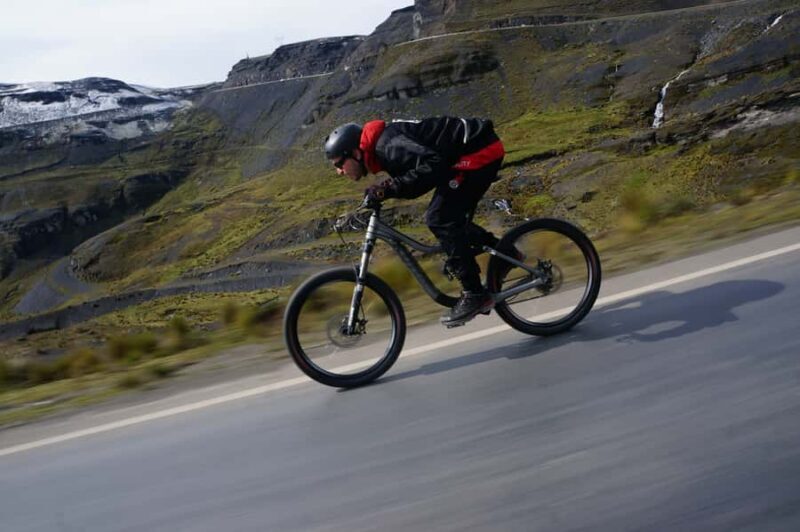
The equipment is a meaningful part of the price. Gravity provides full-suspension downhill mountain bikes with hydraulic disc brakes, along with helmets, gloves, elbow and knee pads, and cold- or wet-weather pants and jackets. The bikes are checked during the day, and a mechanic accompanies each group. That matters on a long route with changing surfaces, where working brakes and suspension are not luxuries.
You also have a private safety vehicle behind the riders. It carries water and supplies, and you can get aboard at any point if you want or need to stop biking. That backup makes the day more flexible than a ride where you are simply expected to keep going under your own power.
The group is limited to 14 participants. Your group is accompanied by a guide, mechanic, and private vehicle, and guides speak English or Spanish. Names you may see on this operation include Kenny, Damien, Noel, and Ruben, but the assigned team can vary. The guides are described as having more than 20 years of experience riding the road, and they provide safety instructions and advice along the way.
That support helps, but it does not make the road risk-free. The name is a reminder that the route has real hazards, and a support van cannot remove them. Follow the briefings, ride within your ability, and accept a bus transfer if the guide advises it. People who cannot ride a bike, pregnant women, people with mobility impairments, wheelchair users, and anyone shorter than 120 centimeters should not book.
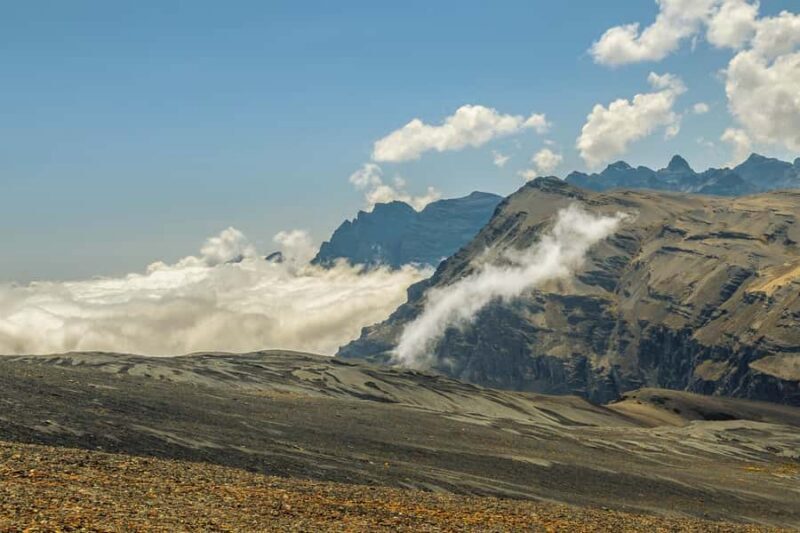
Stops are not wasted time here. They let you rest your hands, drink water, eat snacks, and take in the views without having to focus on the next bend. The tour includes two snacks, unlimited water, and many photos from the day, uploaded and shared afterward. You also get a buff to keep.
The scheduled breaks make the ride more approachable for people who are not expert mountain bikers. Several participants with limited mountain-bike experience have found the coaching and support helpful. Still, comfort on a bicycle matters: this is a long ride on uneven ground, not a sightseeing trip with a few easy pedal strokes.
Do not plan your day around an early return to La Paz. One rider reported getting back at about 8:30 p.m., while another wished the sanctuary stop were shorter because the drive back took several hours. The exact schedule is not specified, but it is sensible to leave your evening open and avoid booking anything tight afterward.
More Great Tours Nearby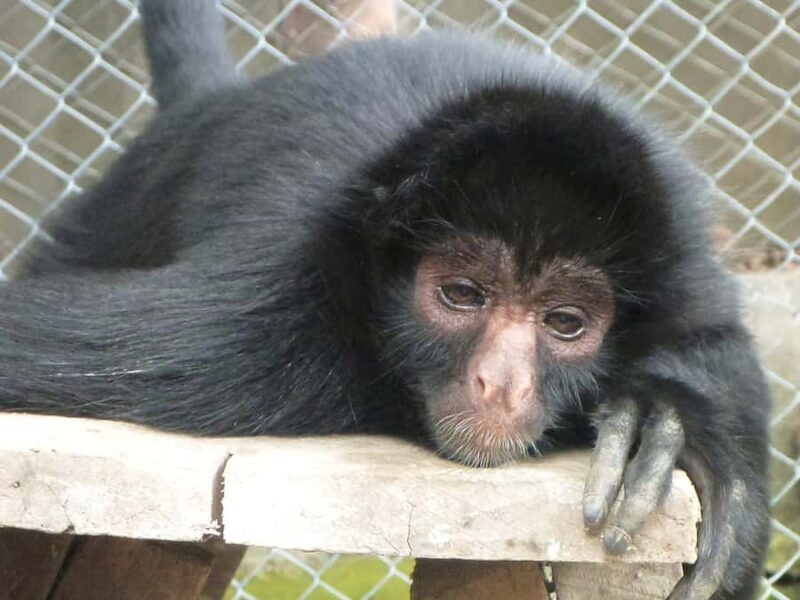
The ride ends in Yolosa, around 3,500 meters below the starting point. From there, the tour visits La Senda Verde Animal Refuge for lunch and a chance to see animals native to the region, including monkeys, an Andean spectacled bear, capybaras, and birds. The refuge rescues animals from the illegal wildlife trade, so the visit supports work with a purpose beyond giving tired riders somewhere to eat.
The stop is a welcome change of pace after the road. You can eat, look around, and cool off before the drive back. Lunch is included, as is entry to the refuge. The refuge is a genuine highlight, but keep the long return trip in mind: after a full day on the bike, you may be ready to sit quietly in the van rather than add more activity.
At $145 per person, this is more expensive than some Death Road options, and there is also a road tax of 50 bolivianos. A zipline is available as an optional extra, but it is not included. The base price covers transport from La Paz, breakfast, lunch, snacks, water, protective gear, the bike, guides, a mechanic, a support vehicle, refuge admission, and shared photos.
That is a fairly complete package for a demanding day. The real value is not only the bike; it is the combination of maintained equipment, a mechanic, a vehicle that stays with the group, and guides who explain what is ahead. A cheaper tour may be enough for an experienced rider who is comfortable managing more on their own, but the extra support is worth considering if safety, coaching, and reliable gear are high on your list.
Food also makes the package easier to plan. Breakfast is served at the start, snacks and water are available during the ride, and lunch comes at the refuge. Bring cash for the road tax and any optional purchase, and do not assume the zipline is part of the price.
Pack a passport or ID, warm clothing, weather-appropriate layers, sunglasses, sunscreen, insect repellent, hiking shoes, a change of clothes, cash, and a daypack. The weather can change sharply between the high starting point and the warmer finish, so dressing in layers is practical. A change of clothes is especially useful after a dusty ride.
This tour suits active visitors who can ride a bike, want a challenging outdoor day, and are comfortable with a degree of risk. You do not need to be an expert downhill rider according to the tour information, but you should be honest about your confidence and listen to the guides. If you want a calm scenic outing, this is not the right pick.
Booking is flexible: you can reserve now and pay later, and cancellation up to 24 hours before departure qualifies for a full refund. Check availability for the start time, and remember that the group is capped at 14.
Book this ride if you want a serious, scenic adventure and value good equipment, regular checks, a guide, and a support vehicle more than the lowest possible price. The descent from La Cumbre to the Yungas is striking, and the animal refuge gives the day a thoughtful finish.
Skip it if you cannot ride a bike, dislike exposed or rough roads, or need a tightly timed day. For everyone else, the strongest reason to choose this version is the support built into the experience: it lets you focus on the road, make your own pace, and know help is close if you need it.
“Top Guides Good Bikes Breakfast and Lunch were great”
The route covers about 64 kilometers, descending from La Cumbre at 4,700 meters to the Yungas. The activity lasts one day, including transport and the sanctuary visit.
The price includes transport from La Paz, a full-suspension mountain bike, helmet and protective gear, weather clothing, breakfast, two snacks, unlimited water, lunch, refuge admission, guides, a mechanic, a private safety vehicle, a buff, and shared photos.
No. The zipline is an optional extra that can be purchased on the day.
The tour information says people with limited experience can take part, and coaching is provided. You do need to know how to ride a bike, and you should follow the guide’s instructions and ride at a comfortable pace.
Yes. The support bus follows the group, and you can get on it at any point. The guide may also ask you to stop riding and take the bus if they judge it safer.
Bring your passport or ID, warm and weather-appropriate clothing, sunglasses, a change of clothes, hiking shoes, sunscreen, insect repellent, cash, and a daypack.
No. The road tax of 50 bolivianos is not included in the tour price.
It is not suitable for pregnant women, people with mobility impairments, wheelchair users, people who cannot ride a bike, or people under 120 centimeters tall.
You can check availability for your dates here: