Physical Address
304 North Cardinal St.
Dorchester Center, MA 02124
Physical Address
304 North Cardinal St.
Dorchester Center, MA 02124

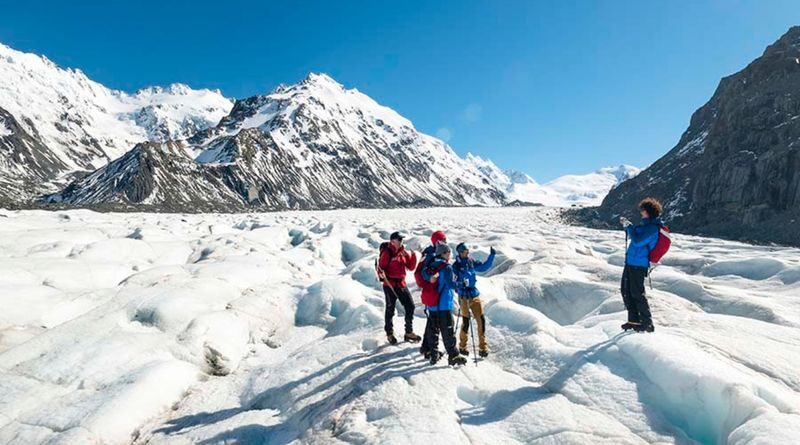
Fly to New Zealand’s largest glacier for a guided two-hour ice hike, with crampons, warm gear and Mount Cook views included.
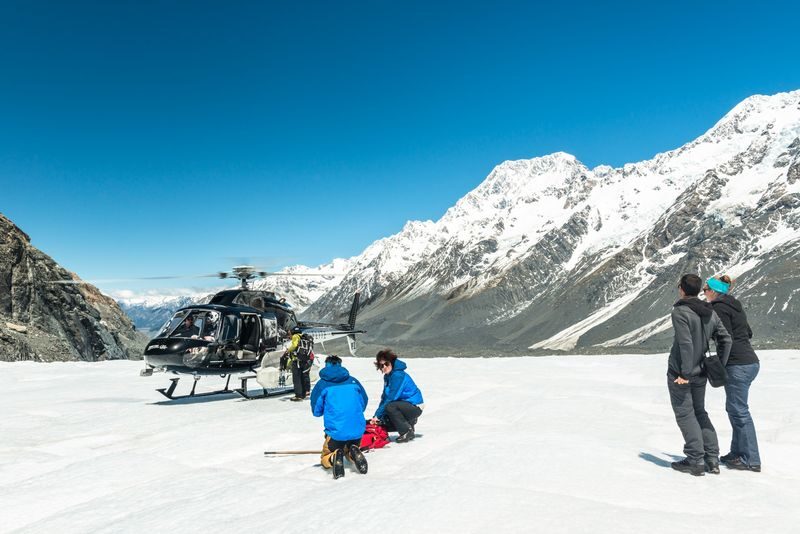
The striking part is the way this trip gets you onto the Tasman Glacier: a helicopter carries you over the mountains to a remote landing spot, then you walk across the ice with a guide. You get a close look at a place that is hard to reach on foot, with Aoraki/Mount Cook rising nearby.
I like two things in particular. First, the helicopter flight is part of the outing, not just a way to get from A to B, and gives you a view of the glacier and surrounding peaks from above. Second, the guide handles the technical bits, including checking the route and cutting steps where needed, so you can focus on the ice.
The main drawback is the weather. Low cloud or wind can ground the helicopter and cancel the hike, sometimes on short notice. This is a costly outing to build around a tight schedule, so allow room to reschedule if you can.
The outing begins at Aoraki/Mt. Cook Airport, where you check in, get fitted with equipment, and hear the safety briefing. Plan to arrive 10 minutes early. Departures are offered at 08:45 and 10:45, though your confirmed time is the one shown on your voucher.
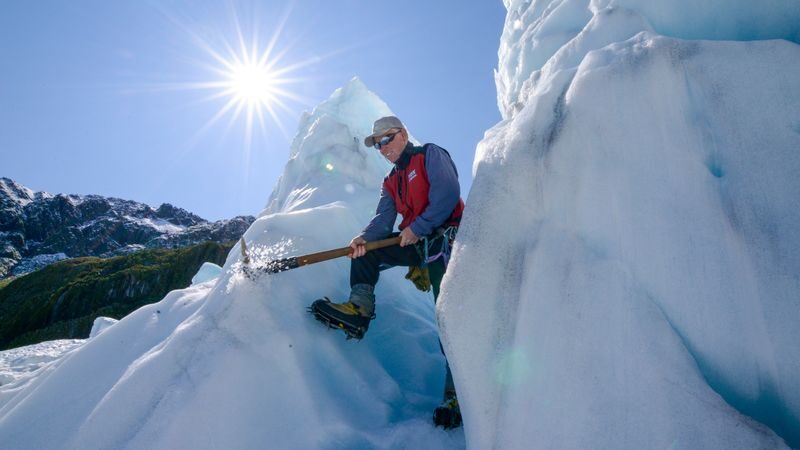
Before boarding, staff explain helicopter safety and how to use the glacier gear. You’ll be given sturdy leather boots, socks, gaiters, waterproof jacket and overtrousers, plus crampons or snowshoes, a harness, and walking poles. Several people note that the equipment fitting and briefing are careful and clear. That matters: you’re not expected to know how to walk on ice before you arrive.
Then comes the flight. The pilot takes you from the airport to a landing point on the glacier, with views of mountains, valleys, and the ice below. The exact flight path and length depend on the weather. The return flight is also included, so you get a second look at the region from the air.
Helicopter seating arrangements are managed by the operator, and people booked separately are not guaranteed to sit together. If you’re keen on a window seat, understand that you may not get one. The ride can also feel bumpy during takeoff and landing. If you’re prone to motion sickness, consider taking suitable medication before the trip.
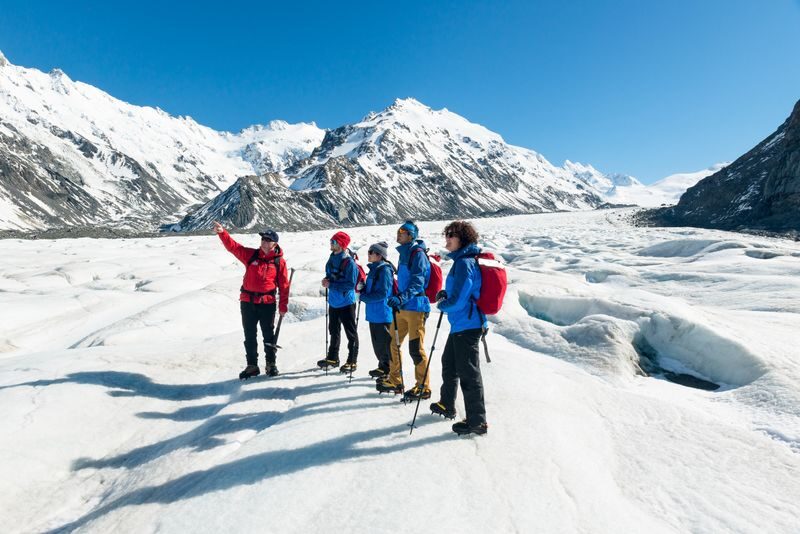
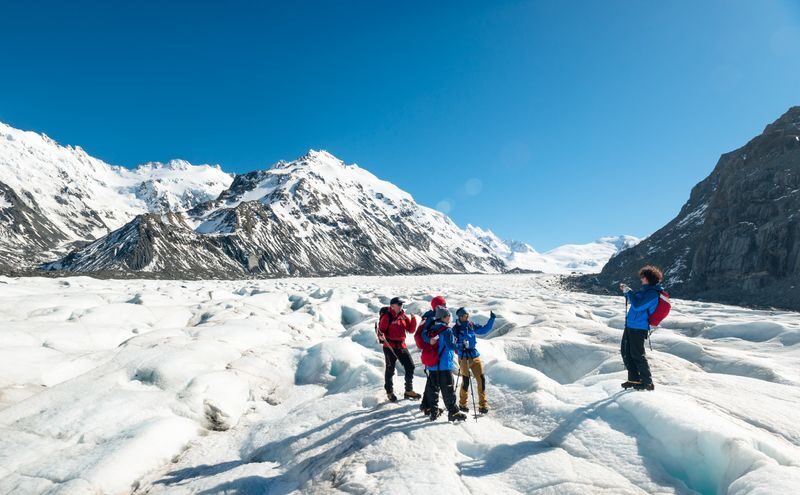
Once you land, your guide leads the group onto the glacier. The surface is not a fixed trail: ice formations and routes change, which is part of the appeal and a reason the guide’s decisions matter. Guides check the ground and prepare safe paths, sometimes cutting steps into the ice with skills passed down from New Zealand’s mountain pioneers.
You’ll fit crampons or snowshoes as conditions require, then walk at a moderate pace, stopping along the way. The advertised three-hour duration includes preparation and both flights, with around two hours on the ice. This is not a long-distance trek, but it does require you to keep moving for much of that time. The guide sets the pace and route, so stay close and follow instructions.
Ice caves and striking formations are among the features people hope to see. The particular route and formations are not guaranteed, since the glacier changes and the guide must respond to current conditions. Some outings may include several caves, while others visit fewer spots. Treat the ice itself as the point, rather than expecting a fixed checklist of sights.
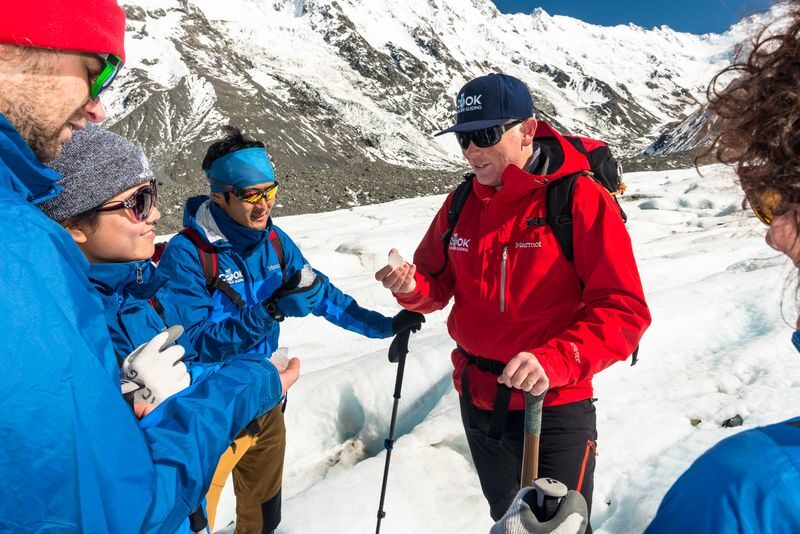
Your guide may explain how the glacier forms and how its features change. Guides named by participants include Hunter, Jimmy, Rich, Kobe, and a guide whose name was written as Shepo or Sherpa. The individual guide can vary, but attentive safety checks and clear explanations are central to the outing. Guides also help with photos, though it’s wise to keep your camera accessible without letting it distract you from where you’re walking.
This is a mountain flight, so the helicopter cannot simply take off whenever the schedule says it should. Cloud, fog, wind, or other poor conditions can lead to a delay, a route change, or cancellation. Some people have needed to try on another day, and even a promising forecast can shift quickly around Mount Cook.
The operator may offer a new time or date, or a full refund if weather or another unforeseen event forces cancellation. That policy is useful, but it does not replace spare time in your itinerary. If you have a flight to catch or a long drive planned right after the tour, you’ll have less room to adjust.
The minimum group size is three. If it is not met, you can request a different date or a full refund, and the operator is meant to contact you the day before. For peak season, November through March, book ahead. If you want to go in the same group as companions, book together rather than separately.
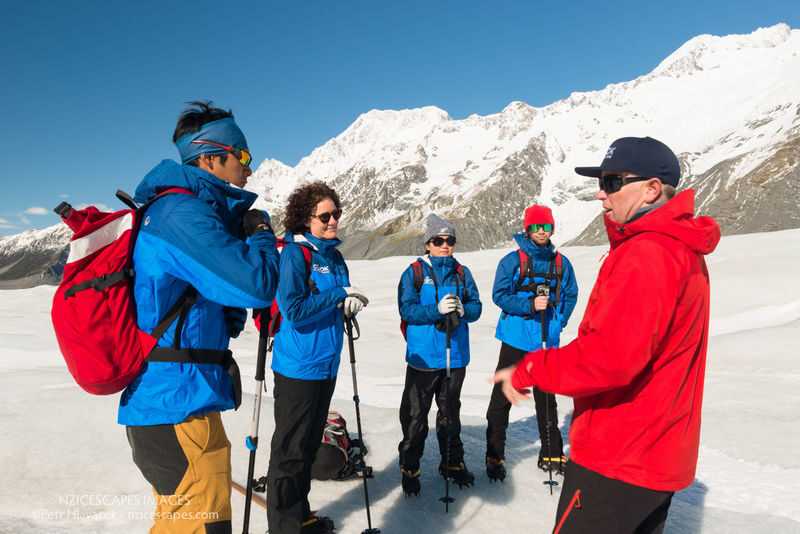
The glacier can feel cold even on a sunny day, and the glare off the ice can be strong. Bring three or four warm upper-body layers, warm trousers, sunglasses, sunscreen, a hat, and gloves. Avoid jeans, which are not recommended for this outing. You can also bring a backpack, snacks, non-alcoholic drinks, and a camera.
The operator supplies substantial outer gear and footwear, but your own warm base layers still matter. Some participants have found that they warm up once they start walking, yet it can remain cold when standing still. A hat and gloves are particularly useful, and sunglasses and sunscreen are not optional extras on a bright day.
You do not need previous hiking or glacier experience. You do need to be able to walk at a moderate pace, starting and stopping, for up to two hours. The minimum age is nine, the weight limit is 116 kg (256 lb) per person, and participants need a good grasp of English to understand instructions. The tour is not suitable if those requirements are a problem.
At a starting price of $622.05, this is a major spend for a three-hour activity. The package is also shown from US$565.49, so check the currency and final amount when booking. A NZD20-per-person fuel surcharge is listed as an extra. Meals, drinks, hotel transfers, tips, and personal expenses are not included.
The value rests on combining a helicopter flight with guided access to the glacier. You’re not paying only for two hours of walking: you’re also paying for the flights, equipment, safety briefing, and a guide who chooses and prepares a route on changing ice. That makes the cost easier to justify if standing on a glacier is a high priority for your New Zealand trip.
It is harder to justify if you’re mainly looking for a long hike or a low-cost way to see the mountains. The time on the ice is limited, and weather can prevent the flight altogether. The overall rating is 4.8 out of 5 from 392 ratings, and the provider’s good-review rate is listed at 95 percent. Those figures suggest strong satisfaction, but they cannot promise clear skies on your date.
There is no hotel pickup or drop-off. You need to make your own way to the meeting point at Aoraki/Mt. Cook Airport on Mount Cook Road. The supplied driving estimates are about four hours from Christchurch and three hours from Queenstown, so plan the day carefully rather than treating the airport as a quick stop on the way through.
The departure time is confirmed after booking. Your voucher shows the time you selected, and late arrivals or no-shows are not refundable because the helicopter leaves on time. Keep the voucher handy on your phone, and arrive early enough to check in without rushing.
The listed return times are 11:45 and 13:45, depending on your departure slot and the day’s itinerary. Weather, traffic, and operational conditions can affect the schedule. Do not make a close connection based on the nominal three-hour duration.
Changes made at least 24 hours before the activity are free. The voucher is valid only on the date and time shown. Accident or travel insurance is recommended, and drones are illegal in the area, so leave yours behind.
Book it if you want a guided, close-up look at New Zealand’s largest glacier and value the helicopter flight as part of the day. It suits adventurous first-timers as well as experienced walkers, provided you can manage a steady two-hour walk and follow English-language safety instructions. The changing ice, mountain views, and chance to see formations up close make it a memorable choice.
Think twice if your budget is tight, your schedule is rigid, or you would be disappointed by a weather cancellation. If you do book, keep a spare day in the Mount Cook area if possible, dress warmly, and bring sunglasses and sunscreen. Those simple preparations make it easier to enjoy the ice when the weather does cooperate.
“We were really lucky; it was very sunny with very little wind that day, making for a very smooth flight. My friend and I got to sit in the front ro…”
The full experience lasts about three hours, including the helicopter flights and preparation. You spend approximately two hours on the ice.
It departs from Aoraki/Mt. Cook Airport on Mount Cook Road, in Aoraki/Mt. Cook National Park.
The listed departure times are 08:45 and 10:45. Your confirmed time appears on your voucher.
No. Beginners are welcome, but you must be able to walk at a moderate pace, with starts and stops, for up to two hours.
The operator provides quality leather boots, socks, gaiters, crampons or snowshoes, a harness, walking poles, a waterproof jacket, and overtrousers.
Bring essential medication, three or four warm upper-body layers, warm trousers, sunglasses, sunscreen, a warm hat, gloves, snacks, non-alcoholic drinks, and a camera. Jeans are not recommended.
Participants must be at least nine years old.
Yes. The limit is 116 kg, or 256 pounds, per person.
The operator may offer a rescheduled date or a full refund if weather or another unforeseen event causes cancellation.
No. Hotel pickup and drop-off, meals, beverages, tips, and personal expenses are not included.