Physical Address
304 North Cardinal St.
Dorchester Center, MA 02124
Physical Address
304 North Cardinal St.
Dorchester Center, MA 02124

See Tokyo Tower, Ginza, Roppongi, and more on a 70-minute open-top bus ride. Learn what to expect, how weather affects the trip, and who it suits.
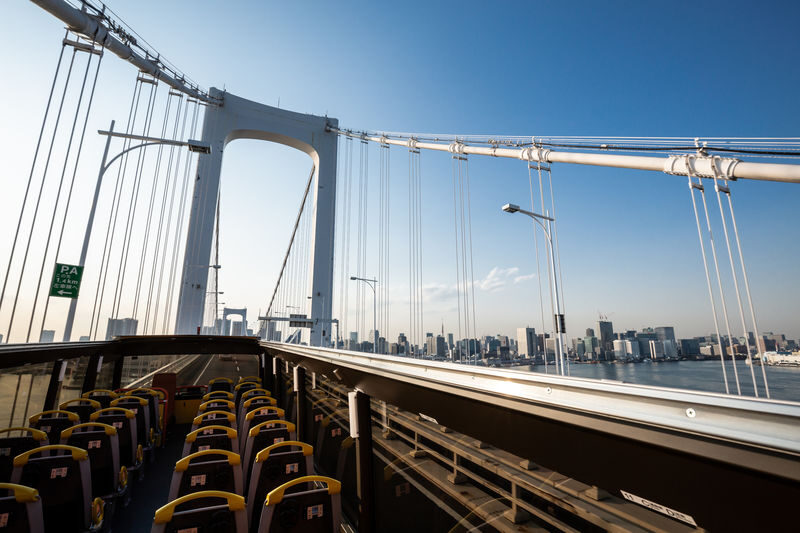
Tokyo looks different from an open-top bus. You get an elevated view of the streets and buildings as the route links Tokyo Station, Marunouchi, Akasaka, Roppongi, Tokyo Tower, and Ginza in about 70 minutes. It is a brisk introduction to the city, not a hop-on, hop-off ride.
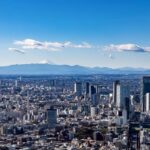
I like two things in particular: you cover several districts without wearing out your feet, and the bus gives you a clear view of Tokyo Tower and the surrounding city when the weather cooperates. The multilingual audio system can also help you place the sights as you pass them.
The main catch is the weather. Rain, heat, and cold can change the ride considerably, and the roof may be covered in wet conditions. The route is also more about seeing the city go by than stopping at its famous sights.
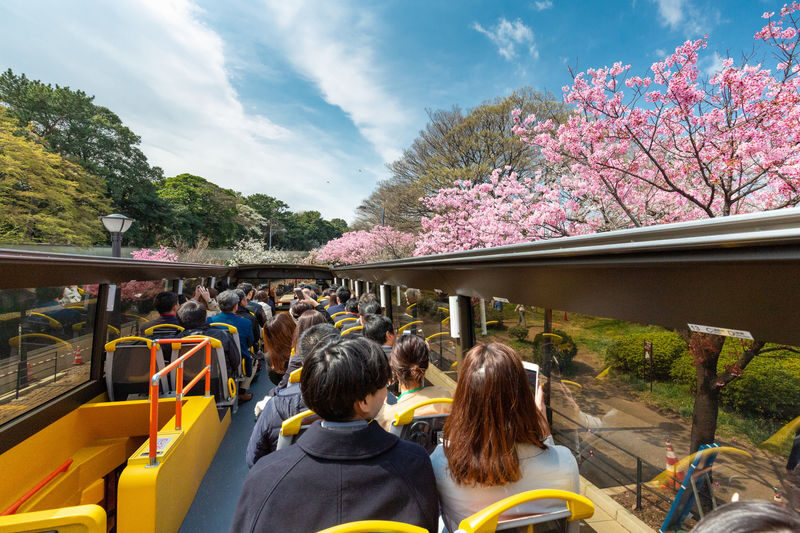
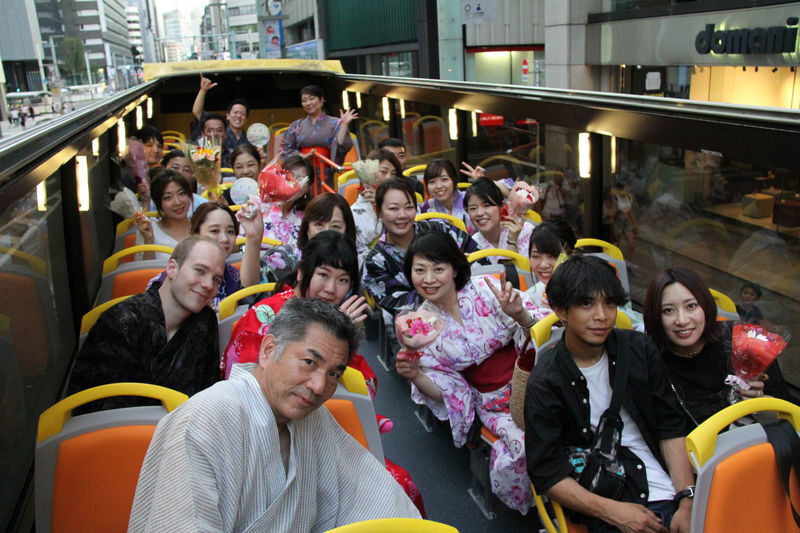
This trip is best understood as a moving city overview. You stay on the bus as it passes a series of central Tokyo districts and landmarks. There are no sightseeing stops listed, so you should not book it expecting time to visit Tokyo Tower, stroll through Ginza, or explore the gardens.
That distinction matters. Tokyo’s rail and subway network is excellent, but it asks you to navigate stations, stairs, and busy platforms. From the bus, you can sit back and see how several areas fit together. It is a useful first-day orientation, a break for tired legs, or an easy way to share the city with someone who wants to limit walking.
The route gives you a look at Tokyo Station and Marunouchi, then passes Chidorigafuchi Park, Akasaka Palace, Meiji Jingu Gaien, Tokyo Midtown, Roppongi Hills, Tokyo Tower, and Ginza. You will see streets, buildings, and neighborhood changes from your seat. You will not get the close-up detail that comes from walking around each place.
Looking to discover more of Tokyo? Consider these other city tour options
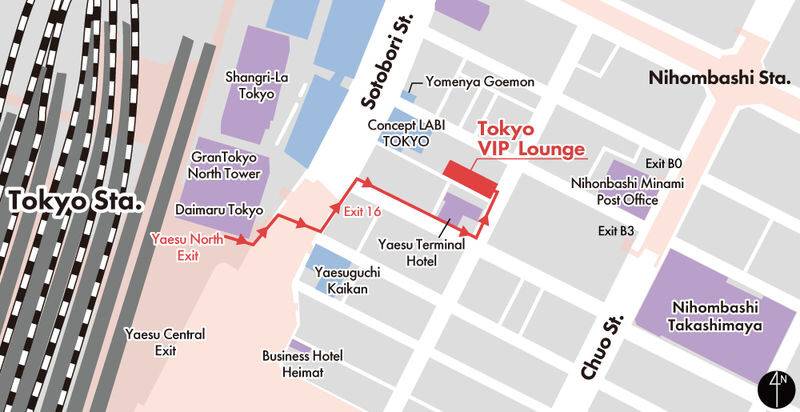
The meeting point is the Tokyo VIP Lounge at Yaesu Kato Building, 1-5-9 Yaesu, Chuo-ku. For the 11:40 package, plan to meet at 11:40, with the bus departing at noon and returning around 13:10. Staff are meant to lead the group to the bus stop shortly before departure, so the lounge and the boarding point are not the same place.
Arrive 20 to 40 minutes early, but do not turn up too far ahead. The operator advises against arriving more than 40 minutes early because an extra facility fee may apply. Staff guidance to the stop begins about 10 minutes before departure, and reception closes then. If you arrive late, you may miss the bus without a refund.
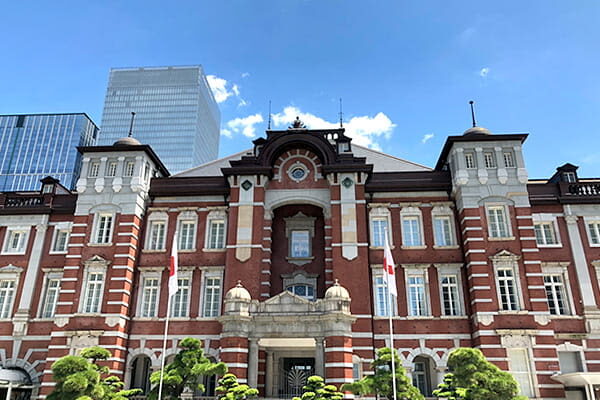
The ride starts around Tokyo Station and Marunouchi, a district of offices and broad city streets. Tokyo Station’s brick exterior is a major sight, but the view from a moving bus can be brief, and the station may not be easy to see clearly from every seat. If getting a good view matters to you, arrive on time and follow the staff’s boarding instructions. Do not count on a particular seat being available.
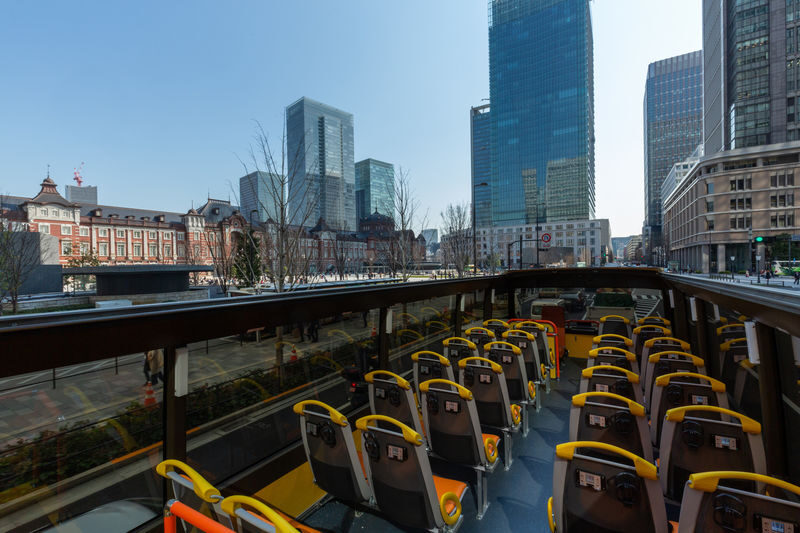
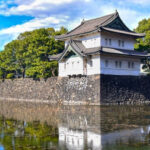
The route also passes Chidorigafuchi Park and Akasaka Palace before continuing toward Meiji Jingu Gaien. From the bus, these are passing views rather than visits. That is useful for spotting places you may want to return to, but it is not a substitute for time on foot.
Meiji Jingu Gaien and the surrounding area offer a change of pace from Tokyo’s business streets. The bus also moves through areas around Tokyo Midtown and Roppongi Hills, where the city’s modern architecture becomes part of the view. You get a sense of the scale and variety of central Tokyo, though you should not expect a detailed account of every building.
On Saturdays, Sundays, and public holidays, road restrictions change parts of the route. Ginza Chuo-dori is replaced by Sotobori-dori, and on Sundays the Imperial Palace’s Uchibori-dori is replaced by Hibiya-dori. The automatic audio system cannot translate automatically for those detour sections. Traffic can also delay the return time, so leave some flexibility after the ride if you have another booking.
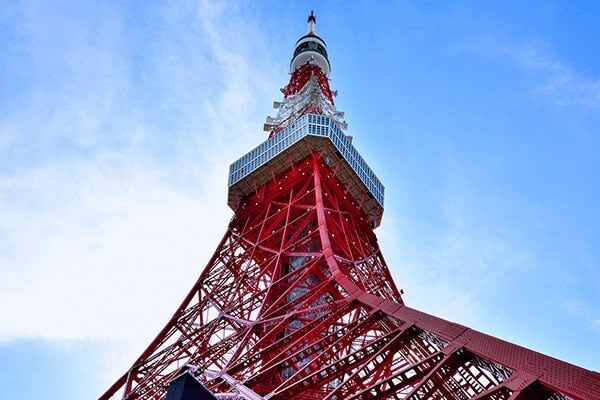
Tokyo Tower is the most dependable headline sight on the city route. The bus passes close enough for a memorable look, and the elevated seat gives you a different angle from the street. Still, you remain on board. This is not a ticket to the tower, and it does not include time to go inside or explore the nearby area.
The view can depend on where you sit and on traffic. Some riders find the tower the clearest landmark of the trip, while other sights can feel fleeting or hard to identify. The bus does not pass Shibuya Crossing, so do not book this route if that famous intersection is your main goal.
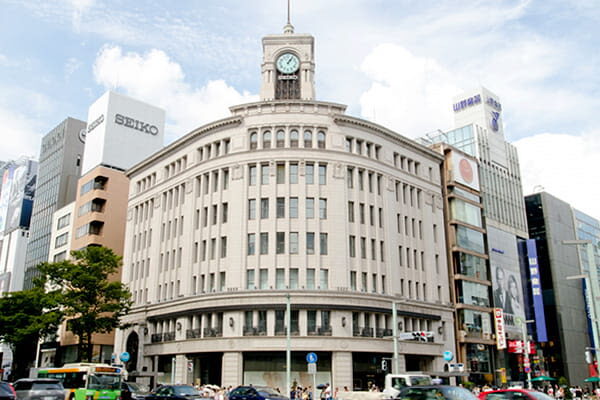
Ginza rounds out the circuit before the bus returns to the Tokyo Station area. Weekend road closures may alter the exact streets used there. Think of the route as a sample of central Tokyo rather than a checklist where each named place gets equal viewing time.
The automatic audio guide is offered in English, Chinese, French, Korean, Vietnamese, and Thai. For an international group, that is a useful feature, especially if you want basic context without relying on a live guide. The activity does not include a tour guide, and the audio system is the main source of sightseeing information.
Bring your own expectations down to a practical level. The guide can help identify what you are passing, but it is not a substitute for an in-depth walking tour. Some riders have found the commentary hard to hear, poorly timed, or unavailable, so check your headphones at the start and ask staff promptly if something is not working. Audio guidance is not available on the Shuto Expressway Thrill Course or seasonal courses, which are separate package options.
The city route is listed as a 70-minute ride, while the full meeting-to-return window is roughly 90 minutes. The 11:40 package starts with the meetup and heads out at noon. That gives you time to gather and board, but the trip can run late when traffic is heavy.
The open top is the tour’s chief appeal, and also its biggest variable. On a clear day, the breeze and unobstructed view make the ride feel quite different from sitting inside a regular bus. In rain, the roof may be covered. Some passengers have found the covered ride stuffy or said that the covering did not keep them fully dry during heavy downpours.
Weather decisions can affect both comfort and what you can see. A roof cover helps shield you, but it can limit the open-air feel and the view. If the forecast looks unsettled, consider whether you would still enjoy a city ride with the top covered. The supplied information does not promise a cancellation or refund just because the weather is poor.
In summer, bring a hat with a chin strap, sunscreen, a handheld fan, or a cooling towel. The sun and heat can be strong with no roof overhead. In winter, dress warmly and consider gloves, a scarf, earmuffs, hand warmers, or a blanket. Evening rides can feel cool even after a warm day, so a light layer is sensible.
At a starting price of $12.69, the tour is an affordable way to see several districts in one stretch. The value comes from the convenience and the open-air perspective, not from access to attractions or lengthy commentary. You pay for a seat and a route, rather than entry tickets or guided time at individual sights.
That makes the price easier to justify if you want an overview, are travelling with children, or need a lower-walking activity. The ride can help you decide which neighborhoods deserve a longer visit later. If you already know central Tokyo well, or prefer to explore each area at your own pace, you may get more from using public transport and walking.
Several package options appear under the same activity, including Tokyo Bay rides at other times, a later Tokyo City ride, and a Shuto Expressway thrill course. The details here apply to the 11:40 Tokyo City trip. Check the package and departure time carefully before booking: different routes can have different views and audio arrangements.
I would consider it for a first visit, a family outing, or a short break between more active sightseeing. Children may enjoy the novelty of riding high above the street, and the bus can spare tired feet. It is also a reasonable option for an independent traveller, since one person can book and the tour can still run with a small group.
It is less suited to anyone who wants to stop at each sight, get close-up photographs at specific landmarks, or count on seeing Tokyo in ideal open-air conditions. The bus holds up to 40 passengers, excluding the driver, so it is a shared ride rather than a private tour. It is not wheelchair- or stroller-accessible.
The best conditions are a clear day and comfortable temperatures. If the weather is poor, the ride may still go ahead, but you could find the roof covered, the commentary difficult to follow, or the views less rewarding. The operator confirms bookings within 48 hours, and cancellation for a full refund is available if you cancel at least 48 hours before the activity date.
Book it if you want a low-cost, low-effort overview of central Tokyo, especially if Tokyo Tower and the city’s changing districts appeal more than a deep visit to any one place. The open-air perspective and the chance to rest your feet are the strongest reasons to go.
Skip it if rain is likely and you would be unhappy with a covered roof, or if your priority is to visit attractions rather than pass them. For the best chance of enjoying the ride, choose a mild, clear day, dress for the temperature, and arrive at the lounge with enough time to board without rushing.
“Very impressed! Even with a short travel time, I was able to visit all the major attractions.”
The bus ride lasts about 70 minutes. For the 11:40 package, the scheduled return is 13:10, making the full meetup-to-return period about 90 minutes.
Meet at Tokyo VIP Lounge, Yaesu Kato Building, 1-5-9 Yaesu, Chuo-ku, Tokyo. Staff guide participants from the lounge to the bus stop before departure.
Arrive 20 to 40 minutes before departure. The operator advises that arriving more than 40 minutes early may lead to an extra facility usage fee.
No sightseeing stops are listed. The bus passes Tokyo Tower and other places on the route, but the trip is a continuous ride.
The route includes Tokyo Station, Marunouchi, Chidorigafuchi Park, Akasaka Palace, Meiji Jingu Gaien, Tokyo Midtown, Roppongi Hills, Tokyo Tower, and Ginza.
The automatic audio guide supports English, Chinese, French, Korean, Vietnamese, and Thai. The Shuto Expressway Thrill Course and seasonal courses do not have the automatic voice guide system.
The open-top bus may be covered in wet weather. Rain can affect visibility and comfort, so bring suitable weather protection and be prepared for the experience to differ from a clear-day ride.
Children aged 0 to 3 can join free if they do not occupy a separate seat. The ride may suit families looking for a short sightseeing activity without much walking.
No. The activity is listed as not accessible for wheelchairs or strollers.
A full refund is available if you cancel at least 48 hours before the activity date, using destination local time.