Physical Address
304 North Cardinal St.
Dorchester Center, MA 02124
Physical Address
304 North Cardinal St.
Dorchester Center, MA 02124

Walk Pompeii’s ancient streets with an archaeologist, see civic buildings and homes, and finish as the afternoon light softens over the ruins.
Pompeii is not a tidy set of ruins you can take in from one viewpoint. It is a whole Roman city, with streets, civic buildings, baths, bakeries and homes spread across a vast site. This 2.5-hour guided walk gives you a route through key places and an archaeologist to explain what daily life looked like before Vesuvius buried the city in 79 AD.
I like two things here: the archaeologist guide turns stones and walls into a story about people, and the afternoon timing can bring softer light, less intense sun and, at times, fewer crowds. The tour also includes skip-the-line entry, which saves you from having to arrange a separate ticket.
The trade-off is that 2.5 hours can only cover a selection of Pompeii. You will see major landmarks and residential and commercial areas, but this is not a full survey of the site. The route involves considerable walking on uneven ground, so it is not a good fit if you have mobility, heart or respiratory problems.
Pompeii’s scale is part of its wonder, but also part of the problem. The site can feel overwhelming if you arrive without a plan: there is a lot to see, and a map alone cannot explain why one street or building matters more than another.
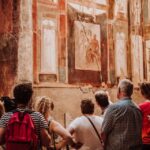
This tour gives you a guided route through important sights and links them to one another. Your guide explains the city before the eruption, points out what remains of public and private life, and answers questions as you walk. That human context is what makes a guided visit worthwhile here. You are not just looking at old walls; you are trying to picture how a working Roman town functioned.
The focus is on highlights, not every corner. In 2.5 hours, you can get a useful introduction without committing an entire day to the ruins. If Pompeii is a major interest for you, or you like taking time to explore at your own pace, plan for more time at the site beyond the guided portion if your schedule allows.
You can check availability for your dates here: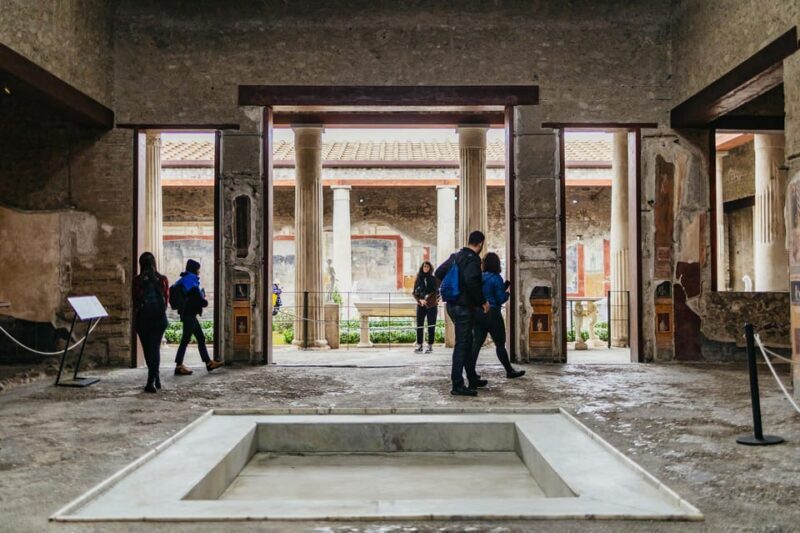
The meeting point is Ristorante Bar Sgambati. Look for a red Enjoy Pompeii sign, and arrive with your ID card or a copy. The tour starts outside the archaeological site, so remember that transportation to Pompeii is not included.
This is a practical detail worth planning around. The tour does not pick you up from Naples, Rome or another nearby town. You need to make your own way to the meeting point, and if you are connecting with a train afterward, leave a buffer rather than planning a tight departure. The guided walk itself lasts 2.5 hours, and the exact start time depends on availability.
The group can be private or small, which is a plus at a site where it helps to hear the guide and ask questions. Group size can vary, so check the option you are booking if an intimate experience matters to you. The guides lead tours in Italian, English and French.
You might also be interested in these Pompei Campania experiences
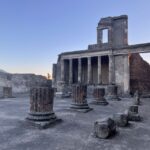
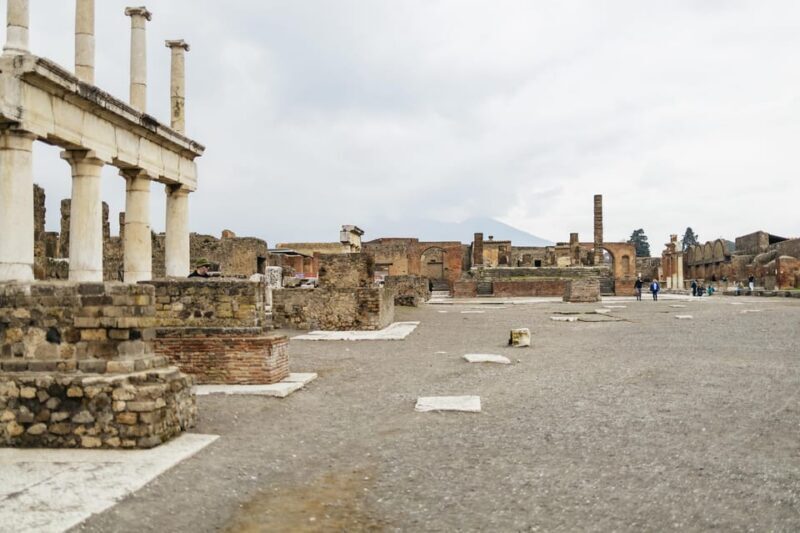
The Forum is one of the main stops and a natural place to begin understanding Pompeii as a city, rather than a collection of isolated ruins. It was a central civic space, and the nearby Basilica and other public structures help show how organized Roman urban life was.
The value of a guide is especially clear in this part of the walk. You can see the scale and layout yourself, but an archaeologist can help connect what survives to the roles these buildings played. The tour also includes the new Antiquarium, adding another stop to the route and a chance to consider what the site preserves and presents.
Expect to spend time listening as well as looking. The guide may pause to explain a building, answer questions and help you notice details you might otherwise pass by. That makes the tour more than a procession of landmark names, though it also means you should be ready to keep pace with the group.
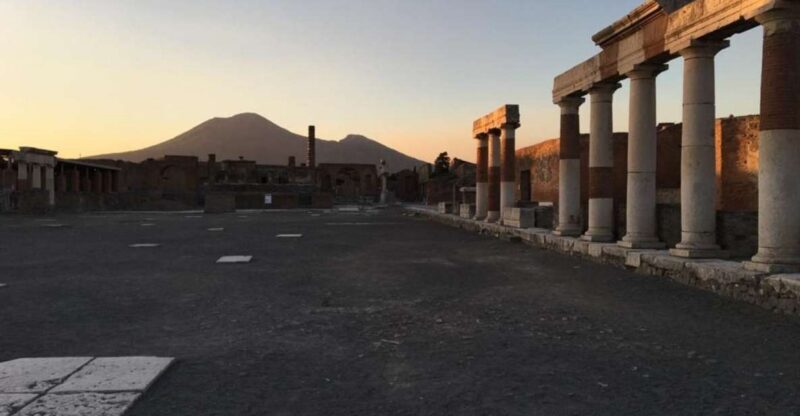
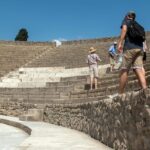
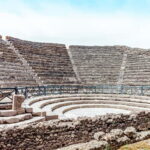
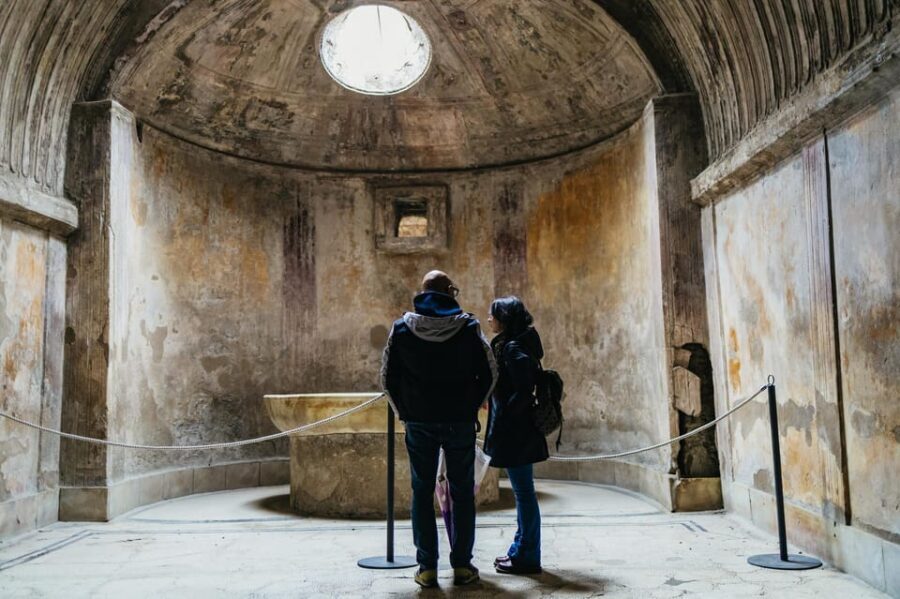
The Thermal Baths and Theater bring another side of the city into focus. Along with the Forum and Basilica, they show that Pompeii’s public life involved more than trade and administration. The guide places these major structures within the wider story of how the city worked.
The tour is a good match for first-time visitors who want a clear orientation. An archaeologist can explain the significance of what you are seeing while keeping the walk moving, and the group can ask questions as they go. Past guides have included Francesco, often called Frankie, as well as Angelo, Anna and Sasa. The particular guide depends on the date and language; you cannot count on a specific person when booking.
The theater is one of the named highlights, but the itinerary does not promise a stop at every part of Pompeii. One useful planning note: the Arena was described as outside the guided route by a past visitor. If it is a priority, check with the provider rather than assuming it is included.
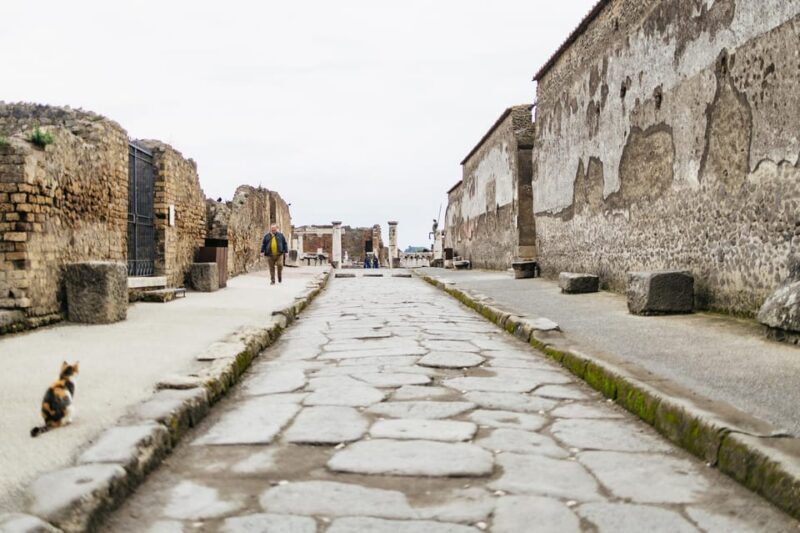
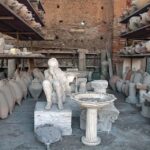
The smaller, everyday sights may be the most memorable part of the walk. The tour visits a bakery and typical housing blocks, giving you a glimpse of commercial and residential neighborhoods instead of focusing only on grand public buildings.
That change of scale matters. A bakery or home makes the story of Pompeii more personal: you can think about where people lived and worked, not just the disaster that ended their city. Your guide describes day-to-day life before the eruption, helping you picture Pompeii as a community rather than a frozen archaeological site.
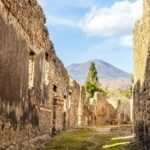
The route also visits ruins in different neighborhoods. You will not see all of them in a short tour, but even a few examples help you grasp how much of ordinary life remains visible. This is where the archaeologist’s interpretation can add the most: a wall becomes part of a home, and a commercial space becomes evidence of a town that had routines, livelihoods and neighbors.
More Great Tours Nearby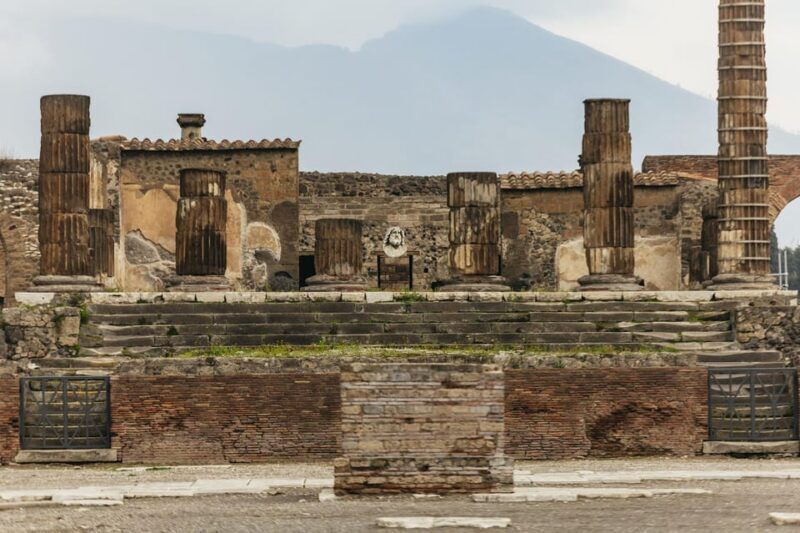
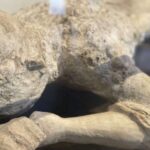
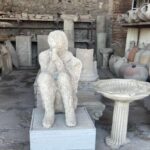
Pompeii’s destruction by Vesuvius is the event most people arrive to learn about. The guide explains the eruption and its impact on the city and broader society, while the walk gives you a physical setting for that account.
A useful tour does not let the catastrophe swallow the whole story. You also learn about the society that existed before the eruption: its civic life, architecture, engineering, art and culture. The combination helps you see the ruins as the remains of a functioning city, not simply as a disaster scene.
This is an especially good reason to choose a live guide over wandering alone with a map. The guide can respond to your questions and adjust explanations to the group’s interests. Several guides have been praised for mixing historical detail with humor and for keeping a range of ages engaged. That matters when you are walking for hours and trying to take in a great deal of information.
If you prefer having a local expert, these guided Pompei Campania experiences could work well
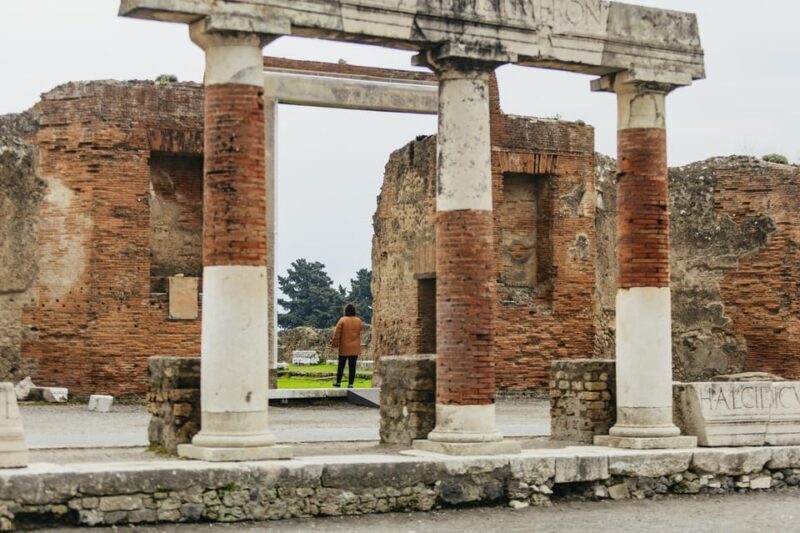
The later timing is one of this tour’s strongest practical advantages. Afternoon visits can be cooler than the hottest part of the day, and the sun may be gentler as the walk approaches sunset. The changing light also lends the ruins a quieter mood.
Still, do not treat the time of day as a guarantee of empty streets or comfortable weather. Conditions vary by season and date, and Pompeii remains an open-air archaeological site. Bring a sun hat, wear suitable walking shoes and carry water for your own needs. The route involves walking across an extensive site, and the ground can be uneven.
The tour’s pace appears designed to make the distance manageable, with guides taking care to answer questions and, when possible, choosing shaded places for explanations. That can make a real difference in warm weather. But if you have limited mobility, heart problems or respiratory issues, this activity is not suitable according to its stated restrictions.
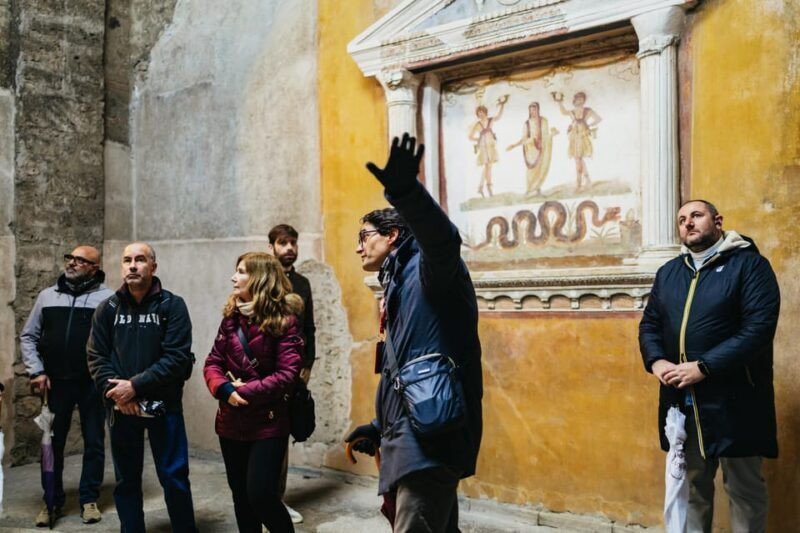
At $58 per person, the price includes skip-the-line entry through a separate entrance and an archaeologist guide. You are paying for more than access: the guide helps you make sense of a large site in a limited time, and the ticket is already part of the package.
The value is strongest if this is your first visit, you want the major sights explained, or you would rather follow a considered route than try to navigate Pompeii on your own. A guide can help you spend your time on places that matter and give you context you might miss while walking independently.
On the other hand, transport is not included, and the guided route cannot cover the entire site. If you want a long, unhurried visit, compare this short tour with a self-guided day or a longer option. You can reserve now and pay later, and cancellation is free up to 24 hours in advance. Those terms are useful if your plans are still taking shape, but they do not change the main question: are you looking for a guided introduction, or a full day to explore?
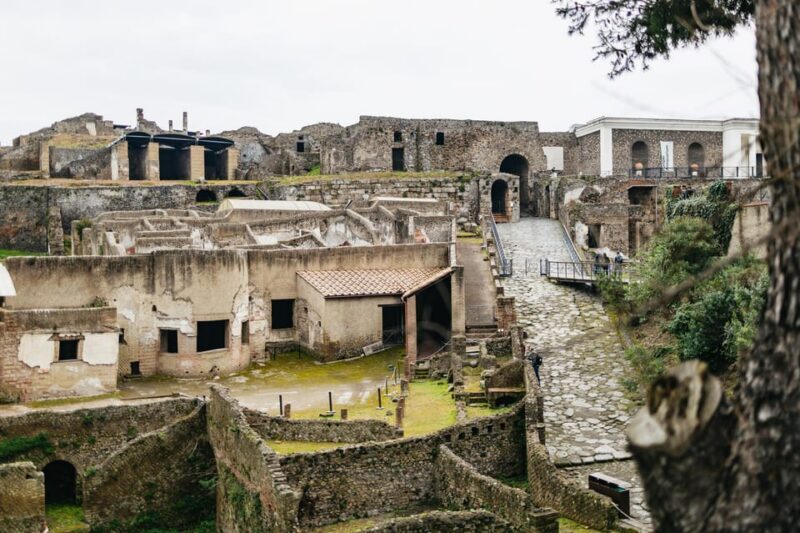
I would choose this tour if you want Pompeii’s essential story in a manageable afternoon, especially if an archaeologist’s explanations matter to you. It suits first-time visitors, curious families with older children and anyone who wants to see major civic sites alongside examples of homes and businesses.
It is also a sensible option if you prefer a small-group feel and the chance to ask questions. The tour’s strongest feature is the guide’s role in bringing the place to life. Several named guides, including Frankie and Angelo, have been noted for clear explanations, humor and attention to the group’s pace, though the guide you get will vary.
I would look elsewhere if you need step-free access, have one of the listed health concerns, or want to see every part of Pompeii in depth. Book this for a well-guided overview, not a complete archaeological survey. Bring a hat, plan your own transport and leave yourself breathing room after the tour if you hope to explore more.
“Fantastic tour! Amazing archeological find. Our tour guide, Angelo, was highly knowledgeable, engaging and personable. Booking was easy and communi…”
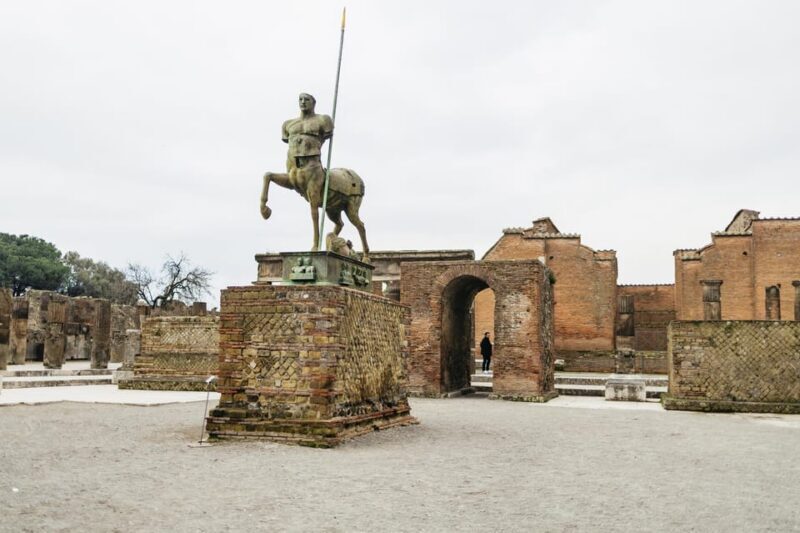
The walking tour lasts 2.5 hours.
The price includes a skip-the-line entry ticket to Pompeii and an archaeologist guide. Transportation is not included.
Meet at Ristorante Bar Sgambati and look for the red Enjoy Pompeii sign.
The route includes the new Antiquarium, Basilica, Forum, Thermal Baths and Theater, as well as commercial and residential areas that include a bakery and typical housing blocks.
Guides are available in Italian, English and French.
Yes. Private or small-group options are available.
Bring a sun hat and an ID card. A copy of your ID is accepted.
You can cancel up to 24 hours in advance for a full refund. Reserve now and pay later is available, so you do not have to pay at the time of booking.
You can check availability for your dates here: