Physical Address
304 North Cardinal St.
Dorchester Center, MA 02124
Physical Address
304 North Cardinal St.
Dorchester Center, MA 02124

See Tokyo’s major sights in one day by coach, with a guide, matcha, Skytree admission and a possible bay cruise.
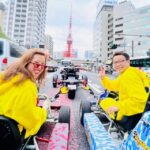
Tokyo’s scale makes a one-day sightseeing plan a real puzzle. This coach tour tackles it head-on, linking Meiji Shrine, the Imperial Palace area, Asakusa and Tokyo Skytree before aiming for a Tokyo Bay cruise. You cover a lot of ground without having to master the subway network on your first day.
I like two things in particular: the mix of famous sights and small cultural moments, from a matcha stop in Asakusa to the shrine’s wooded approach, and the convenience of Skytree admission and transport bundled together. A good guide can also add context between stops. Guides named in accounts of the tour include Levin, Mai-san, Tsubasa and Lovely, often praised for warmth, humor and clear explanations.
The trade-off is the pace. Ten hours is a long day, but Tokyo is larger still, so some landmarks are viewed from the bus and stops have limits. The cruise can be cancelled because of weather, high tide or maintenance, and it is not scheduled on Tuesdays.
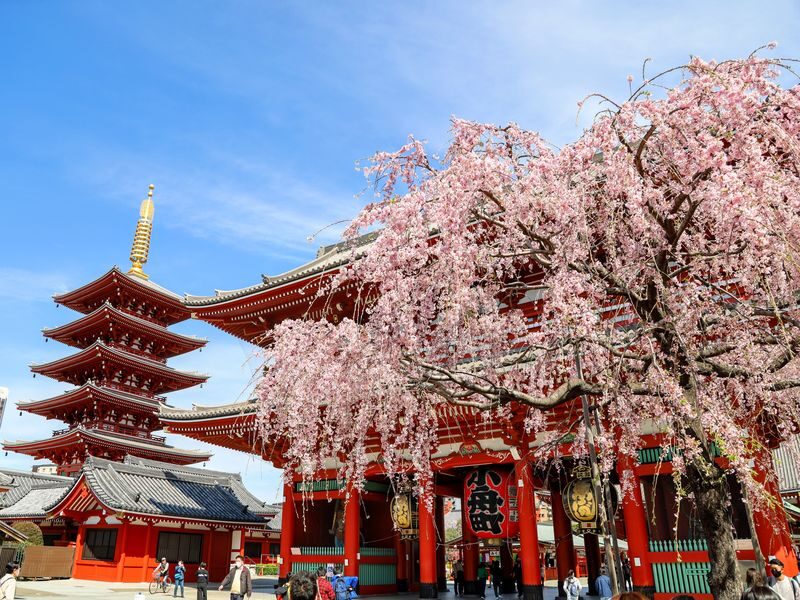
This is a sightseeing sampler, not a slow tour of one neighborhood. The coach passes through several parts of the city, stopping at selected places and giving you views of others from the window. That can be a practical way to understand Tokyo’s spread, especially if you have only a short stay.
The advertised route includes Kabukicho and its Godzilla Head, Meiji Jingu Shrine, Takeshita Street, Omotesando, the National Diet Building, the Imperial Palace area, Akihabara, Ueno’s Ameyoko market, Kappabashi Dougu Street and Asakusa. Not every listed place is a stop. Some are drive-bys, and the order can change with traffic, weather or operating conditions.
That distinction matters. You’ll get a quick look at Tokyo’s different faces, from shrine grounds and old shopping streets to a modern observation tower, but you should not expect time to explore every district on foot. If you want to spend half a day browsing Akihabara or follow your own trail through Harajuku, an independent visit will give you more freedom.
Meiji Jingu is a Shinto shrine dedicated to Emperor Meiji and Empress Shoken. Its wooded grounds offer a striking contrast to the busy city around them, and the tour gives you a chance to walk through some of that green setting rather than simply pass the entrance by bus.
The visit is a useful first stop for seeing how a sacred site fits into modern Tokyo. Wear comfortable shoes: even a short shrine visit involves walking. The tour’s limited schedule means this is an introduction, not an unhurried visit to every corner of the grounds.
Afterward, the bus passes well-known areas such as Harajuku and Omotesando. Takeshita Street and other popular spots are included among the route’s sights, but the itinerary describes several as views from the bus. If you have a particular shop or street in mind, plan a separate visit rather than counting on time to stop there.
If you prefer having a local expert, these guided Tokyo experiences could work well
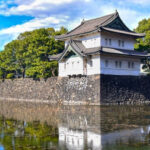
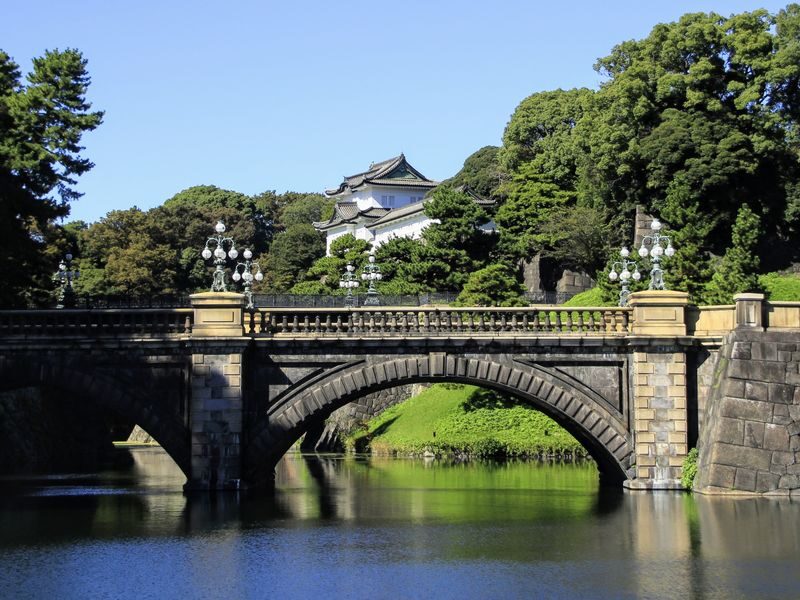
The Imperial Palace is the current residence of Japan’s Imperial family and occupies the site of Edo Castle. The tour includes a visit to traditional gardens, seasonal flowers and historic structures, with the palace grounds as the setting for a look at the city’s past.
Keep your expectations measured: this is not a tour inside the Imperial residence. The grounds are extensive, and the palace itself may not be clearly visible from the areas you can visit. If your main reason for booking is to see the palace building up close, this stop may feel less rewarding than the name suggests.
The value is in the broader context. The former castle site sits at the center of present-day Tokyo, and the gardens offer a break from traffic and commercial streets. The tour then continues by coach, passing more city sights on the way toward Asakusa.
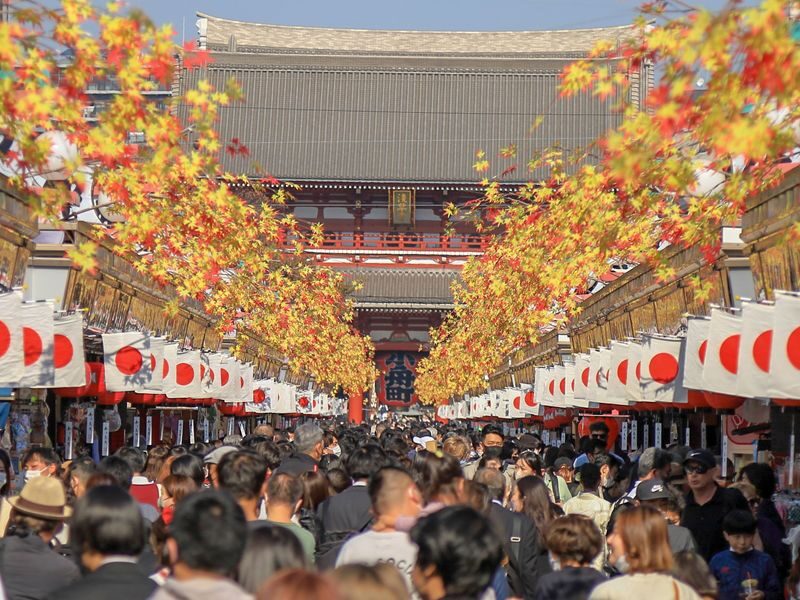
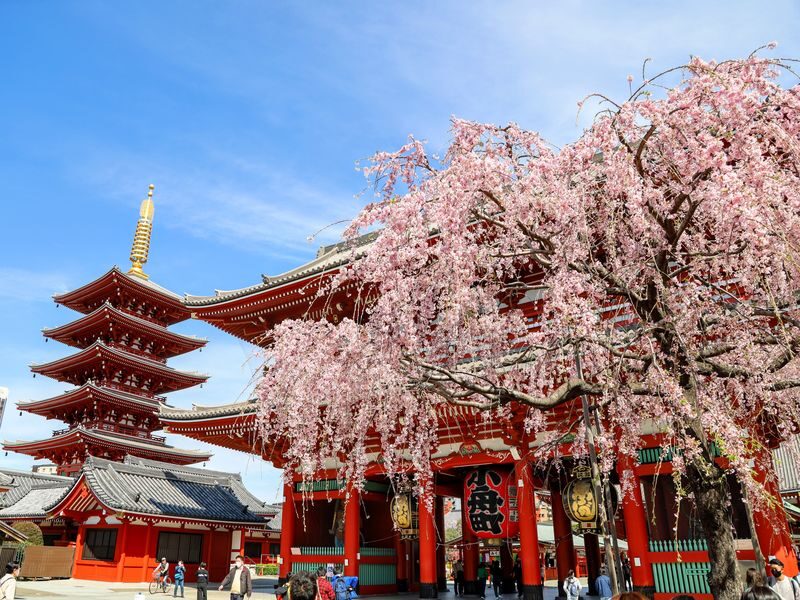
Asakusa is the day’s most concentrated dose of old Tokyo. You’ll have time around Sensoji Temple, Kaminarimon Gate and Nakamise-dori, the shopping lane leading toward the temple. It is a popular area, so expect crowds, particularly around the gate and shops. Stay alert to the meeting time, since it is easy to lose track of the group while browsing.
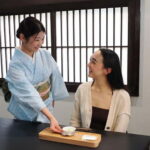
The matcha experience adds a small hands-on pleasure to the stop. A matcha drink or matcha gelato is included, and the experience is associated with a shop in the historic district. On a date when that shop is closed, the operator says a matcha souvenir is provided instead.
Lunch needs a little planning. On the without lunch package, you buy your own meal in Asakusa, and the tour information says the restaurant may change for operational reasons. A with-lunch option is also sold, but check the exact package details before paying: the price and meal arrangements depend on the option you select. If you prefer choosing your own food, the no-lunch package gives you that control, but it also means keeping an eye on time.
Asakusa is where the itinerary’s mix of guided structure and independent time works best. You get a clear meeting point and a defined window, but can use your free time to browse, take photos or find lunch at your own pace.
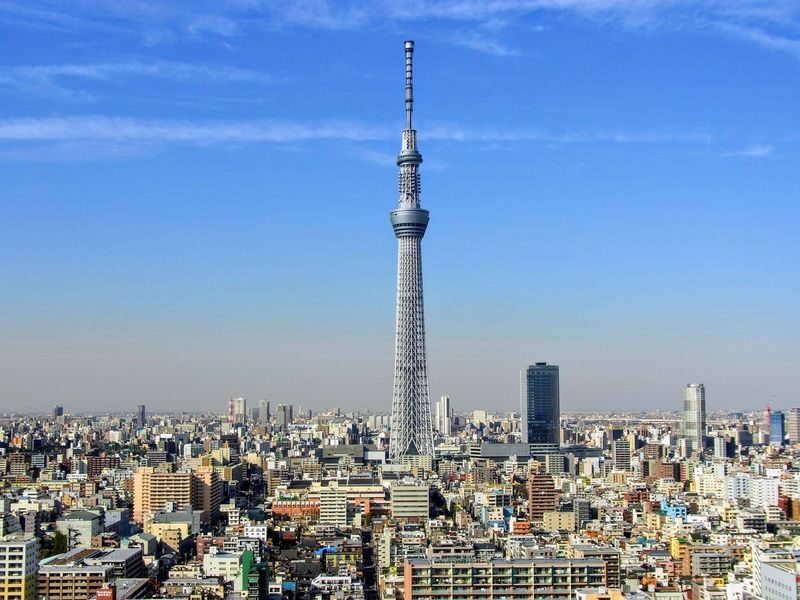
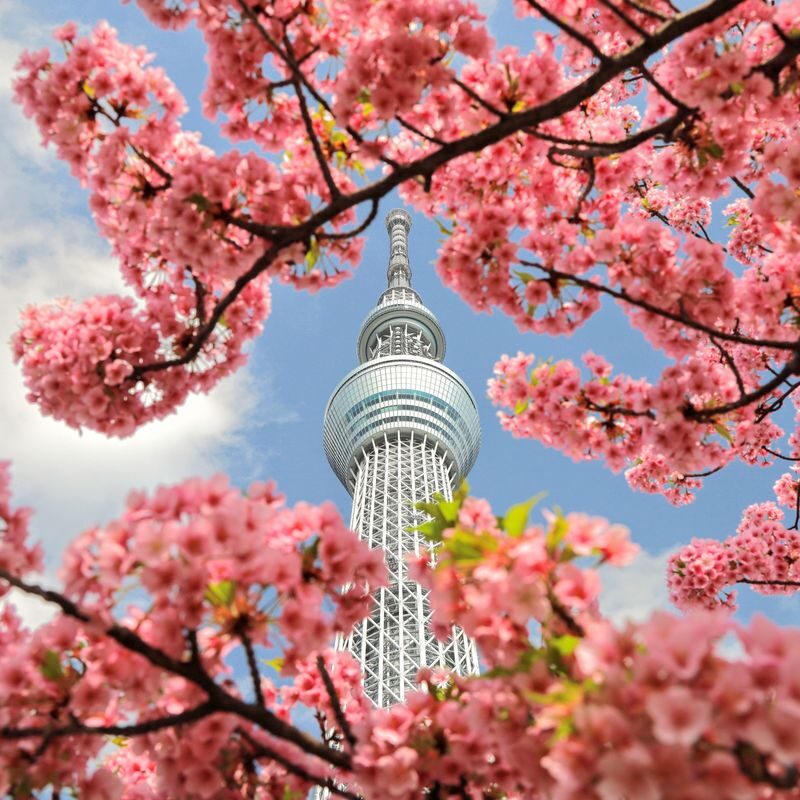
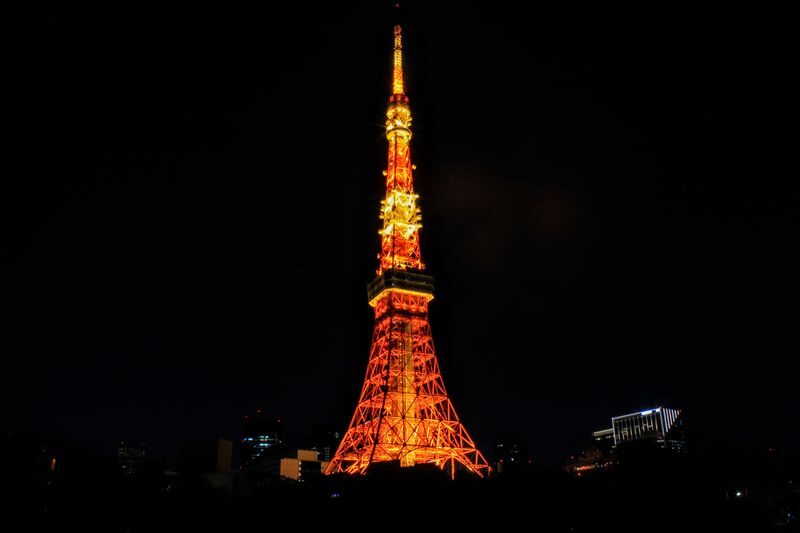
Tokyo Skytree is the day’s high point in the literal sense. Admission to the Tembo Deck at 350 meters is included, and the tour offers skip-the-line admission. From the observation floor, you get a broad view over the city; visibility, of course, depends on the weather.
The higher Tembo Galleria at 450 meters is not included, so allow for an extra charge if you want to go farther up. The nearby Tokyo Solamachi shopping complex has more than 300 shops, but your time is shared with the tower visit and the day’s remaining schedule. Treat the mall as a quick browse unless the tour gives you more free time than expected.
Rain can change the experience. A wet, cloudy day may limit the view, and a sunny day is no guarantee of clear air. The tower still offers an indoor stop and a very different perspective on Tokyo, but it is worth knowing that the panorama is weather-dependent.
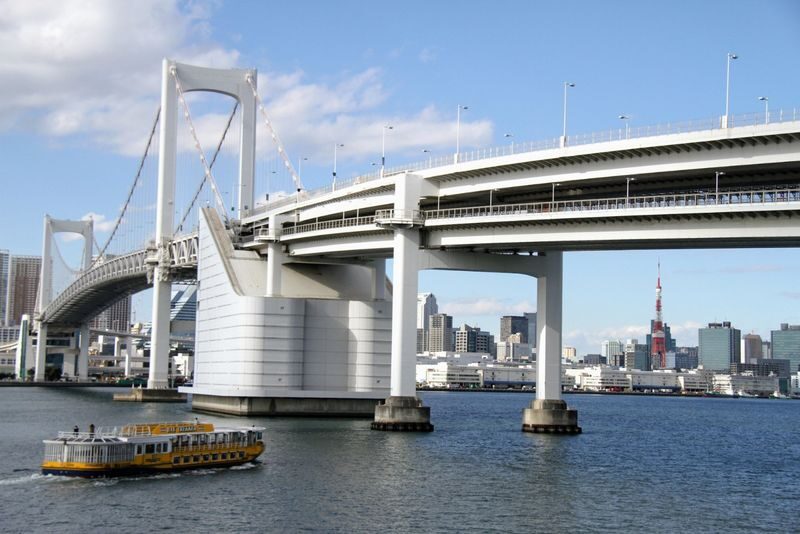
When it runs, the Tokyo Bay cruise leaves from Hinode Pier and passes beneath Rainbow Bridge, with waterfront skyscrapers along the way. It offers a welcome change from coach seats and walking, and a gentler finish to a packed day.
But treat the cruise as a planned possibility, not a promise. It can be suspended for high tide or technical maintenance, and Tuesday tours replace it with a visit to Hamarikyu Gardens or Fukagawa Edo Museum. In those cases, the tour does not go to Odaiba, and no refund is given for the substitution.
The schedule is also subject to traffic, weather and other operating changes. The operator may use an alternative stop or provide a gift, depending on the situation, and says not all activities can always be completed. If the cruise is the one item you most want, check its operating status close to your tour date and keep your expectations flexible.
Tokyo’s public transport is excellent, but a long list of attractions spread across the city can mean repeated transfers, station navigation and careful timetable planning. The coach takes that work off your hands. Wi-Fi is listed as available onboard, and round-trip transport from the meeting point is included.
The tour has a group size of one to 43 people. With a full bus, listen for instructions and note the meeting time and location at each stop. There is no extra drop-off service, and the return is listed at Shinjuku Station’s west exit, near the LOVE sculpture.
A professional English-speaking guide leads the tour, with multilingual audio commentary also offered. The language details provided for the audio guide vary, so confirm the language you need before booking. Guide quality can shape the day: named guides such as Levin, Mai-san, Tsubasa and Lovely have been associated with lively explanations, humor and attentive group handling. Some accounts also point to difficulty understanding a guide’s English or hearing the bus microphone clearly, so the experience may vary by departure.
The tour starts at $120.05, with the final price depending on the package and date. For that fee, the listed inclusions cover the coach, English-speaking guide, audio guide, Wi-Fi, matcha, Skytree’s 350-meter deck and the cruise when it operates. That is a useful bundle if you value transport and want a broad city introduction without organizing each leg yourself.
The price looks less attractive if you prefer to spend several hours at one or two sights, or if you are comfortable planning your own route by train. You also need to budget separately for lunch on the no-lunch option, drinks and personal purchases, and the 450-meter Skytree deck if you choose it. The tour’s appeal is convenience and coverage, not the cheapest possible way to see Tokyo.
I’d consider this tour if it is your first visit, you have one free day, and you want to see several major districts without managing the transport yourself. It can also suit families and visitors who prefer a planned day, though the schedule involves walking and keeping pace with a group. Children aged zero to three can join free if they do not need a separate seat or meals.
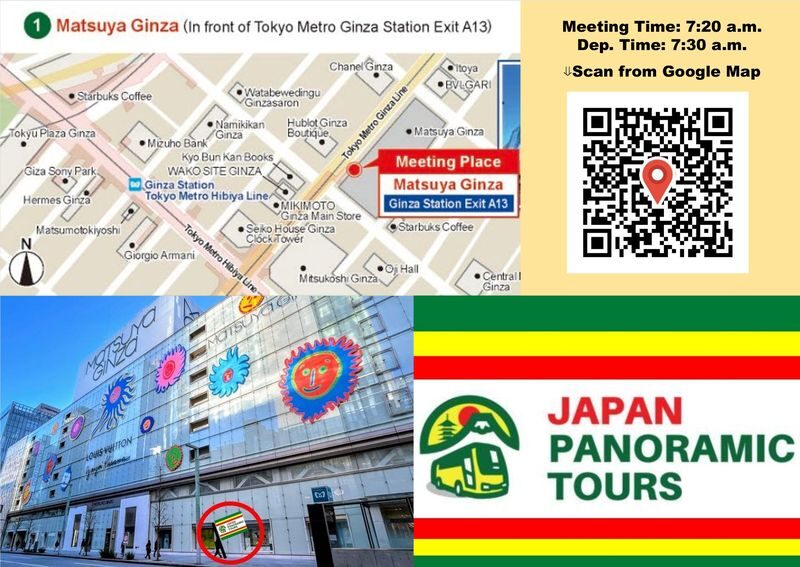
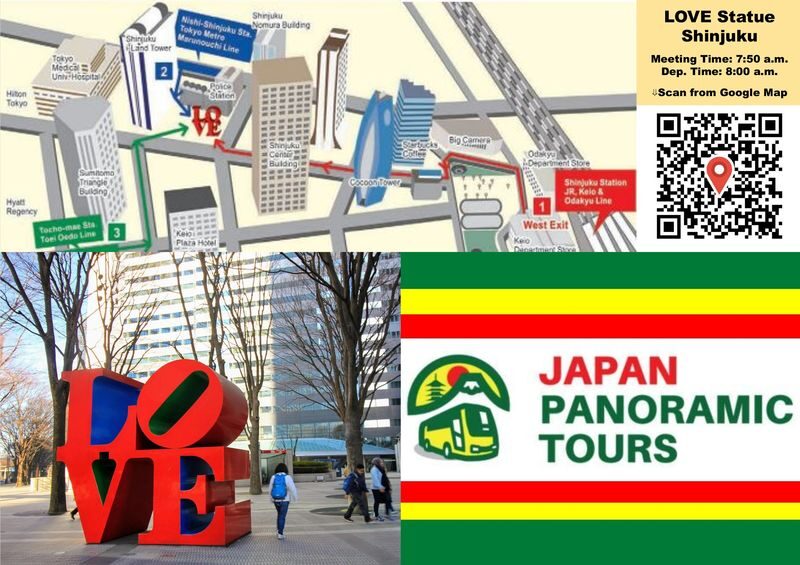
Think twice if you dislike fixed schedules, want long visits at each landmark, or are booking mainly for the bay cruise. The tour begins at 7:50 a.m. at the LOVE statue in front of i-Land Tower in Nishi Shinjuku. Arrive five minutes early and look for the green-and-white Japan Panoramic Tours flag. Latecomers cannot join along the route, so punctuality is essential.
Book it for a convenient Tokyo overview, not an in-depth visit to every stop. If that trade suits your plans, the combination of shrine, Asakusa, Skytree and a possible cruise makes a full day’s sightseeing easier to manage. If you have more time in the city, use the tour to get your bearings, then return on your own to the places you want to explore at a slower pace.
“Good tour. Just that the rainy weather made the experience less enjoyable.”
It runs from approximately 7:50 a.m. to 6 p.m., for a total of about 10 hours. Traffic, weather and operational changes may affect the schedule.
Meet at the LOVE statue in front of i-Land Tower in Nishi Shinjuku. Look for a green-and-white Japan Panoramic Tours flag and arrive five minutes before departure.
The stated return point is Shinjuku Station’s west exit, near the LOVE sculpture. No extra drop-off service is provided.
It depends on the package. The no-lunch option requires you to buy your own meal in Asakusa; a with-lunch option is also available. Check the selected package details when booking.
Admission to the Tembo Deck at 350 meters is included. The higher Tembo Galleria at 450 meters is not included.
No. It can be suspended because of high tide or technical maintenance. Tuesday tours visit Hamarikyu Gardens or Fukagawa Edo Museum instead, and do not go to Odaiba.
Multilingual audio commentary is offered, but the language lists provided for the tour differ. Confirm that your preferred language is available before booking.
Children aged zero to three can join free if they do not occupy a separate seat and do not require meals. The listed group size is one to 43 participants.
No. Latecomers and no-shows cannot join the tour or receive a refund. A full refund is available for cancellations made at least 24 hours before the activity date, in local time.