Physical Address
304 North Cardinal St.
Dorchester Center, MA 02124
Physical Address
304 North Cardinal St.
Dorchester Center, MA 02124

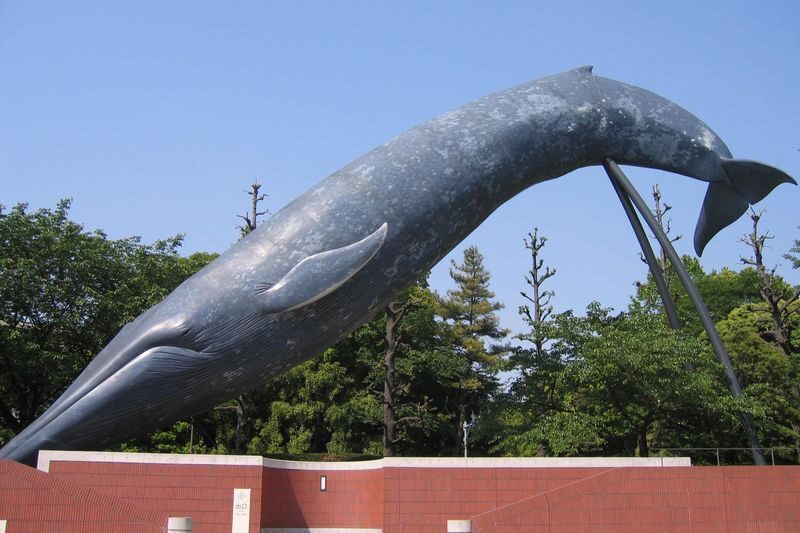
Explore Tokyo’s National Museum of Nature and Science, from dinosaur fossils and Japanese ecosystems to technology, with practical ticket and visit tips.
Tokyo’s National Museum of Nature and Science puts dinosaurs, human evolution, Japanese wildlife, and scientific inventions under one roof. The collection ranges from enormous fossil skeletons to magnified models of single-celled life, so it gives you plenty to follow even if you arrive with no particular subject in mind.
I like two things especially: the wide mix of science and Japanese stories, and the low ticket price, which makes a few hours indoors an easy addition to a Ueno day. The Japan Gallery gives context on the country, while the Earth Gallery follows life and science on a much broader scale.
One caveat: English explanations are uneven. You can get the main idea from displays and visuals, but you may need your phone’s translation tool for some labels. The museum can also feel crowded, and a full visit takes longer than a quick stop.
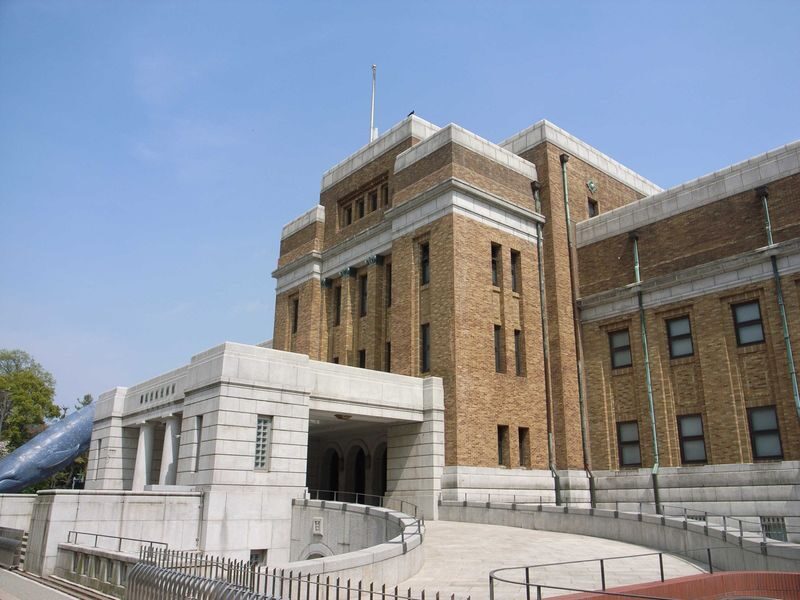
The museum sits at 7-20 Uenokoen, inside Ueno Park, a convenient spot if you are already visiting the area’s museums and other attractions. From Ueno Station, the walk takes about 5 to 10 minutes. The route through the park is pleasant, but allow extra time if you are finding your way from the station or arriving with children.
The ticket covers one admission to the permanent exhibition. You are not signing up for a guided tour or a timed itinerary, so you can set your own pace and spend more time with the subjects that interest you. The museum is large enough that trying to read every label could turn a relaxed outing into a long march. Pick a few priorities, then leave room for discoveries.
Three to five hours is a sensible planning range. You could move through the main displays in less time, especially if you focus on dinosaurs, but the range of exhibits rewards a slower visit. Families may want breaks, and anyone who likes to read detailed explanations should budget toward the longer end.
You might also be interested in these Tokyo experiences
The museum’s two named galleries offer a useful way to think about the collection. In the Japan Gallery, you can look at the country’s history and its natural setting. It adds local context to the science: Japan’s wildlife and ecosystems are not just examples in a global display, but part of the place you are visiting.
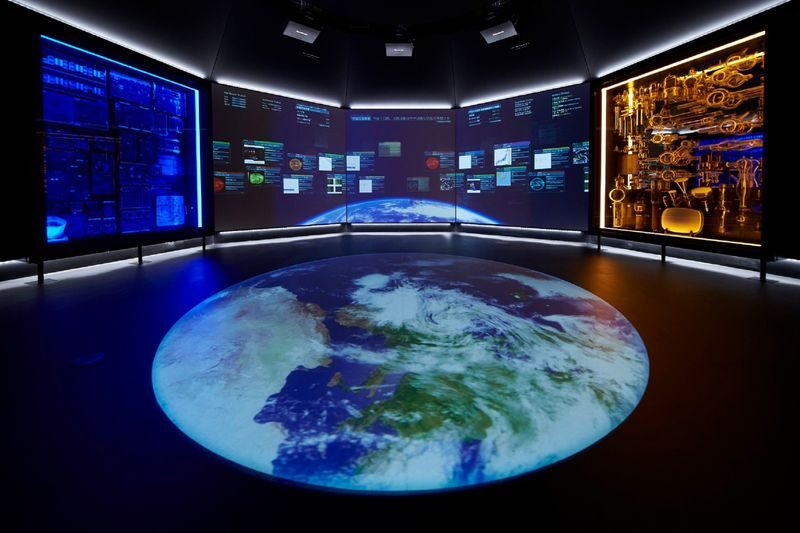
In the Earth Gallery, the view widens. The displays cover the evolution of living things and the progress of science, with subjects that include space, dinosaurs, modern animals, insects, and human development. The breadth is part of the appeal. One room may focus on fossils, another on scientific ideas or technology, and another on the small-scale building blocks of life.
This variety also explains why the museum suits different ages and interests. A child who is drawn to animal forms may linger over fossils and creatures, while a technology-minded adult can look for the displays on scientific progress and Japanese innovations. You do not need to be an expert to enjoy it, though a little curiosity helps.
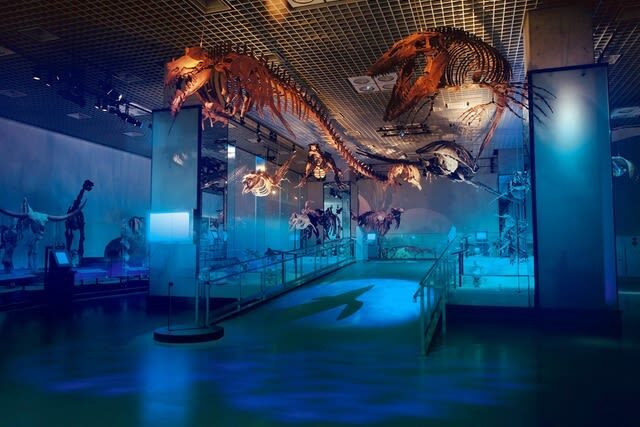
The dinosaur and fossil displays are a natural first stop for many people. Large skeletons make an immediate impression, and the wider fossil collection gives you a glimpse of life from very different periods. Displays of Pleistocene megafauna add another striking chapter: these are animals that shared the ancient world with early humans, and their scale helps make that past feel tangible.
From there, the animal and insect sections shift the focus from extinct giants to living variety. You can encounter examples of modern animals, insects, and other parts of the natural world. The subject range is broad rather than narrowly focused, so this is a good place to let your interests guide you instead of trying to follow a strict route.
Some exhibits bring the science down to a scale you cannot see unaided. Models of magnified unicellular organisms, for example, make microscopic life easier to picture. The museum also includes displays on helminths, or parasitic worms. That may not be everyone’s favorite corner, but it shows the collection’s willingness to cover biology beyond the familiar parade of large animals and fossils.
Minerals and gems offer a different pause in the visit. Their colors and forms are easy to appreciate without a long explanation, which makes them a welcome stop if you are moving with younger children or your attention is starting to wander.
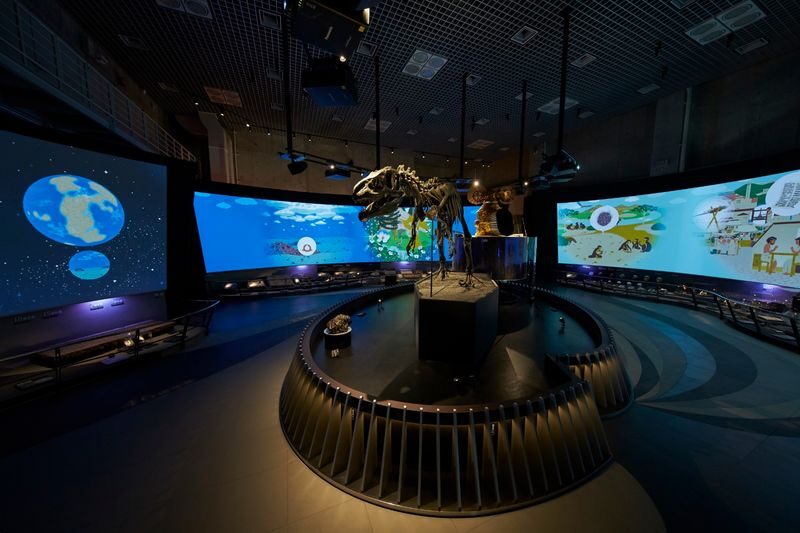
A useful part of this museum is its attention to Japan’s own scientific and technological development. The national perspective helps balance the global story of space, life, and evolution. It gives you a chance to connect what you see in the galleries with the country’s history of research and invention.
Displays on pioneering Japanese computers are worth seeking out if technology interests you. The collection also includes Hachiko, the famous dog, preserved as a specimen. That unexpected encounter sits at the junction of science and public memory: it is a reminder that a natural science museum can tell stories about people and culture, too.
The Japan Gallery is especially valuable if you want a broader sense of the country beyond temples, food, and city life. It is not a substitute for a dedicated history museum, but it links Japan’s past to its nature and scientific development. If understanding the labels matters to you, plan to use a translation app for sections without English text.
English explanations are available in some parts of the museum, but coverage is not consistent. That can be a real limitation if you want the full story behind every object. On the other hand, many displays are visual, and fossils, models, and specimens are interesting even when you cannot read every panel. A phone camera translation tool can fill some gaps; keep your phone ready and charged.
Crowds vary, but busy periods can slow your progress through popular displays. Weekends and school holidays are sensible times to expect more people. The museum is indoors, which can be a welcome change from Tokyo heat or rain, though indoor comfort is not guaranteed to feel the same in every area. If you are visiting in hot weather, take breaks and avoid packing your schedule too tightly.
The museum has multiple levels and a lot to see. That means it may be tiring for small children to cover everything in one go. Focus on a few favorite subjects, and treat anything beyond them as a bonus. A play area is mentioned on the third floor of the permanent exhibition hall, with advance QR-code reservations required for that area. Check on site for current instructions before counting on it.
Culture seekers can explore more Tokyo museums and galleries
The advertised price starts at $3.99, a modest cost for several hours of indoor exhibits. The value is strongest if you enjoy natural history, science, or a varied museum visit. It is less compelling if you expect every display to have a full English explanation or if you are only interested in a single subject and plan to leave quickly.
Children aged 0 to 17 and seniors aged 65 and over enter free, as do disabled visitors and one caregiver per disabled person. Bring a passport or valid ID for age verification when redeeming the e-voucher. The museum also lists free entry for members and certain university-affiliated students and instructors, so check eligibility before purchasing.
The voucher is valid for 61 days from booking confirmation and expires at 23:59 on its final day. It cannot be cancelled or refunded. If you buy more than one ticket, check the quantity carefully before confirming, since accidental extra purchases may be costly.
To enter, sign in to the Klook app or website, open My bookings, and display the voucher on your phone. Internet access is required to open the URL certificate. Show it to staff and let them operate the ticket; if the voucher is marked as used, it is no longer valid. Save access to your account and make sure your phone has a connection before you reach the entrance.
Opening hours are Tuesday through Sunday, 9:00 a.m. to 5:00 p.m., with last admission at 4:30 p.m. The museum closes on Mondays, or Tuesday when Monday is a national holiday, as well as from December 28 through January 1. It also closes in late June, with dates posted on the official website. Re-entry is not allowed, so plan meals and breaks before leaving the building.
Storage areas are available, with rates set by the venue. Outside food and drink are not allowed inside. Selfie sticks and one-pin or three-pin stands are prohibited, as are flash photography, smoking, and drinking. Pets are not allowed, except service animals with valid identification.
Book it if dinosaurs, animals, human evolution, or science sound like a good way to spend a few hours. It is particularly practical for families and curious visitors who want an affordable indoor stop near Ueno Station. The permanent collection has enough range to keep you moving between subjects, and you can choose your own pace.
Think twice if you need English text for every exhibit, dislike crowds, or want a short, tightly guided experience. The ticket is simple admission, not a tour, and it does not include special exhibitions. For the best value, arrive with a few subjects in mind, keep your phone translator handy, and allow more than a quick hour.
“very good for a short trip at euno park if you're planning to come, also near the national museum all in the park and also near the euno station.”
It includes one admission ticket to the National Museum of Nature and Science’s permanent exhibition. Other personal expenses and special exhibitions are not included.
Plan for about 3 to 5 hours, depending on how many exhibits you want to explore and how long you spend reading displays.
The museum is open Tuesday through Sunday from 9:00 a.m. to 5:00 p.m. Last admission is at 4:30 p.m.
It is closed on Mondays, or on Tuesday when Monday is a national holiday. It also closes for New Year’s from December 28 to January 1, and in late June. Check the official website for late-June dates.
Take a train to Ueno Station, served by JR, Ginza Line, Hibiya Line, Joban Line, and other lines. The walk to the museum takes about 5 to 10 minutes.
The voucher is valid for 61 days from the booking confirmation date. It expires at 23:59 on the final day.
Yes. You must open the voucher on your phone through the Klook app or website, and the URL certificate requires internet access. Present it to staff, who must operate the ticket.
Children aged 0 to 17 and seniors aged 65 and over enter free. Disabled visitors and one caregiver per disabled visitor also enter free with suitable identification.