Physical Address
304 North Cardinal St.
Dorchester Center, MA 02124
Physical Address
304 North Cardinal St.
Dorchester Center, MA 02124

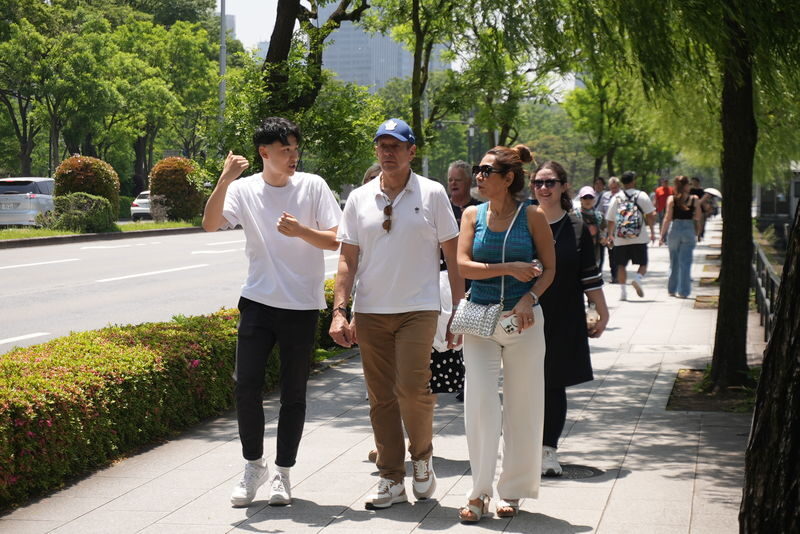
Walk Tokyo’s Imperial Palace East Garden with an English-speaking guide, tracing Edo Castle’s defenses, samurai history, and imperial tradition.
Edo Castle’s old defenses are easier to understand when you’re standing beside their stone walls and moats. This two-hour walk takes you through the Imperial Palace East Garden, where an English-speaking guide explains how the site served as the center of shogun power before becoming part of the imperial grounds.
I like two things about this tour: the guide gives meaning to a garden walk that could otherwise feel like a pleasant but puzzling stroll, and the route offers a calm break close to Tokyo Station. One consideration: there are limited sights to inspect, so the experience depends more on the guide’s stories than on grand buildings or palace access.
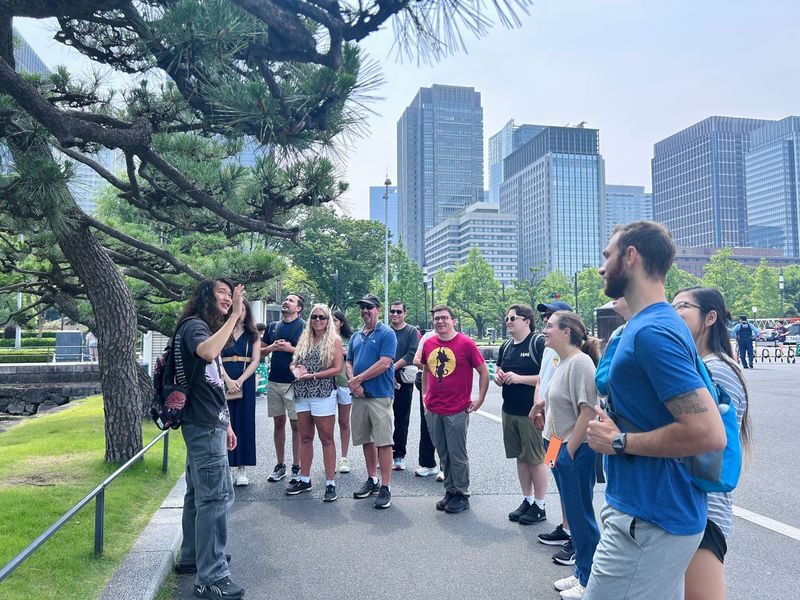
The tour begins at Starbucks Coffee in Kokyo Gaien Wadakura Fountain Park, at 3-1 Kokyogaien in Chiyoda City. Meet in front of the Starbucks by the fountain and arrive five minutes before your selected departure. Available start times are 09:30, 11:00, 12:30, and 14:00, though the options at booking may depend on the tour schedule.
That meeting point is useful in a busy city: it gives you a clear landmark near the palace grounds and a place to get a drink before walking. The tour is a meet-up activity, not a hotel pickup or a vehicle outing, so plan your route to the fountain park yourself. Luggage storage is not provided, so leave suitcases at your hotel or another storage facility before arriving.
From the meeting point, the group walks into the East Garden, the principal stop on the tour. The itinerary also names Ote-mon Gate, one of the main historic features on the route. The exact order and timing can change with conditions, but the walk is designed to bring you back to the Starbucks where you started.
If you enjoy exploring Tokyo on foot, these walking tours might also suit your style
The East Garden occupies ground that was once at the heart of Edo Castle. That change of use is central to the visit: you are walking through peaceful gardens, but the guide helps you picture the political and military center that stood here during the Tokugawa era.
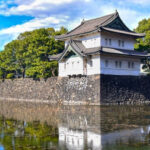
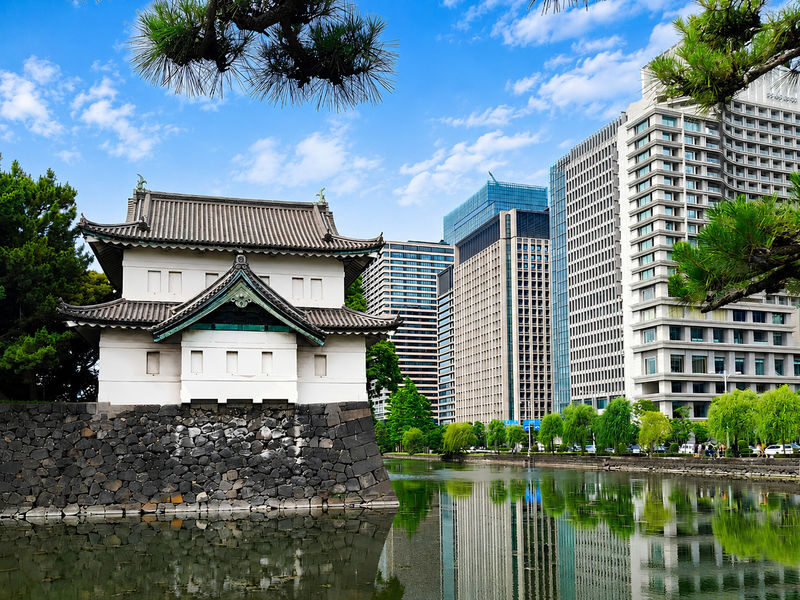
The most tangible evidence of the castle’s former role is its stonework and water defenses. Rather than expecting a complete castle building to dominate the view, pay attention to the scale and placement of the walls, moats, and gateways. The guide’s explanations connect those visible features to the fortress’s defensive strategies and make the site easier to read.
Ote-mon Gate gives the route a particularly useful point of reference. It is not simply a photogenic entrance; it helps anchor the story of how people approached and entered the castle grounds. The tour’s appeal lies in linking a visible structure to the systems of power and protection that shaped Edo.
The trade-off is worth understanding before you book. You are not signing up for a palace interior tour, and the grounds do not present a continuous sequence of elaborate buildings. If you need constant visual spectacle, two hours may feel long. If you enjoy learning why a wall, moat, or gate matters, a guide can turn a quiet walk into a clearer picture of how the site worked.
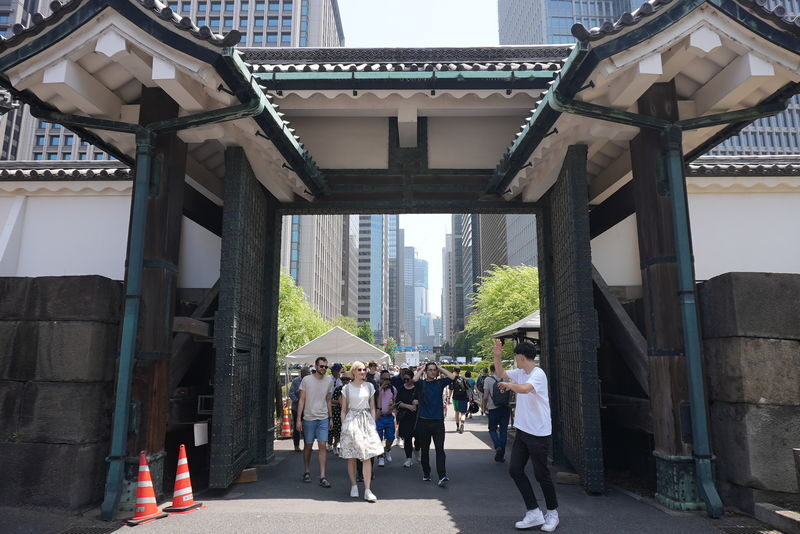
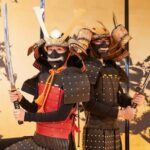
The guide’s main job is to connect the castle grounds to the larger story of Japan. Expect discussion of samurai, shoguns, emperors, and the Tokugawa era, which lasted about 260 years. The tour also introduces Japan’s long imperial tradition, described as a 2,600-year history.
These subjects can be hard to sort out on your own, especially if you are new to Japanese history. A guided explanation gives you a framework: the castle was a center of shogun authority, while the imperial story stretches across a much longer span. The details help explain why the same grounds carry both military and royal associations.
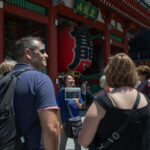
The strongest version of this tour is conversational. Ask questions as you go, particularly if you want to connect the palace grounds with other parts of Japanese history or culture. Guides have been praised for answering wider questions, offering food recommendations, and keeping the lesson lively with humor. Christian, Yuya, Giulia, Rucha, Ma, Matheus, and Hiroki are among the guides named for this experience. Your guide will depend on the date and tour, so do not book expecting a particular person.
Different guides may bring different strengths. Yuya has been associated with a patient pace and care for older family members, while Christian is known for explaining broader historical topics with humor. Rucha has used imagery to make the gardens and their significance easier to picture. Those details matter because the physical setting is understated: a warm, clear guide can make more difference here than at a site full of obvious monuments.
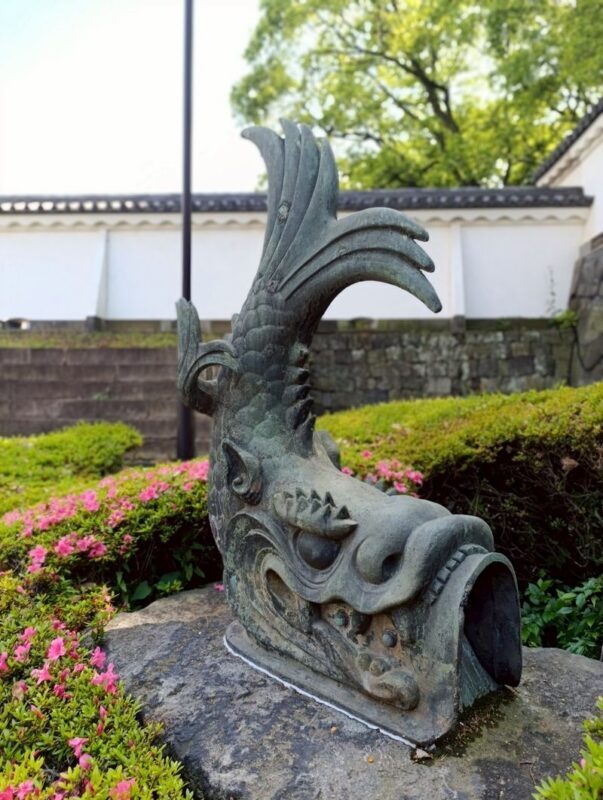
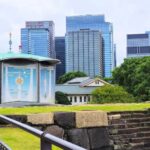
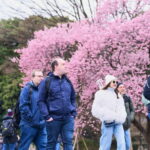
The East Garden offers a welcome contrast to Tokyo’s busy streets. You move through open green space and historic grounds rather than spending the visit in a museum or rushing between landmarks. The seasonal appeal changes through the year, with cherry blossoms in spring and colorful leaves in autumn.
Keep your expectations grounded. This is still a history-focused walking tour, not a garden-design lecture or a promise of flowers at their peak. Seasonal conditions vary, and the schedule may change because of weather. A rainy-day tour can still work, but bring suitable clothing; guides have continued to lead tours in wet weather.
The pace has been described as manageable, with guides waiting for slower walkers and pausing in shaded spots during hot weather. That is encouraging if you are travelling with older relatives or simply prefer not to march through a site. Still, this is a two-hour walk, so wear comfortable shoes and be ready to spend most of the activity on your feet.
You may also catch small details that are easy to miss when walking alone. Koi in a pond and the sound of imperial guards practising have been noted during past visits, but treat these as possible moments, not guaranteed parts of the tour. The core experience is the garden, the castle remains, and the guide’s account of their significance.
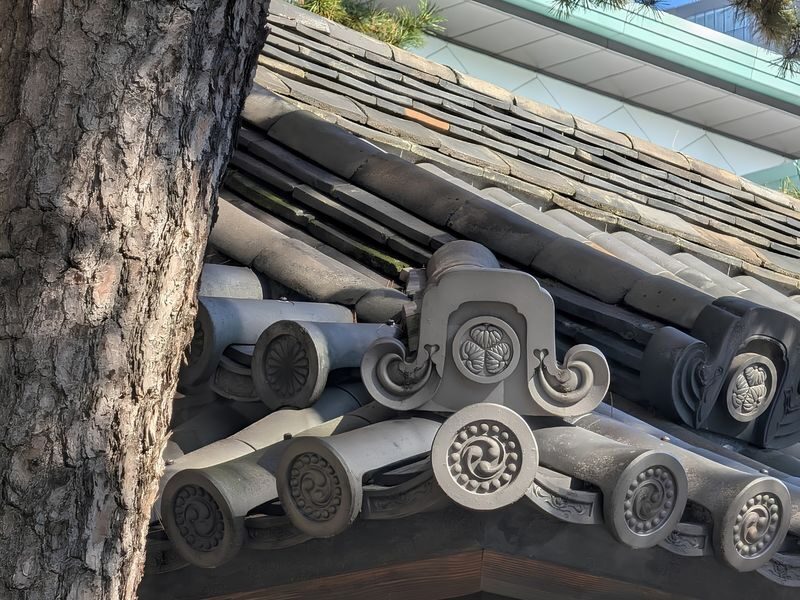
The listed starting price is $13.29 for the two-hour walking tour. Admission to the Imperial Palace East Garden and an English-speaking guide are included, so the fee covers both entry and interpretation. Personal expenses are not included.
The value is strongest if you want context. The grounds can be visited without a guide, but the walls and gardens do not explain their own history. For a relatively modest starting price, you get a structured route and a person who can connect what you see with the samurai, shoguns, and imperial history behind it.
If you already know the history or prefer wandering at your own pace, you may not need the guided option. The tour does not promise access to palace interiors, and there is not a long list of separate attractions. You are paying for the story and the chance to ask questions, not for a packed sightseeing schedule.
The activity has several daily departure choices, which makes it easier to fit around a Tokyo itinerary. Return times are listed as 11:30, 13:00, 14:30, and 16:00, with availability depending on your chosen start time and the tour duration. The return point is the same Starbucks by Wadakura Fountain Park.
Booking can be made as late as the day before, with instant confirmation stated for the activity. You receive a mobile voucher that is valid only for the date and time selected. Free cancellation is available if you cancel at least 24 hours before the activity date, in local time. Late arrivals and no-shows are not eligible for refunds or amendments, so the five-minute early arrival is practical advice, not a formality.
If you prefer having a local expert, these guided Tokyo experiences could work well
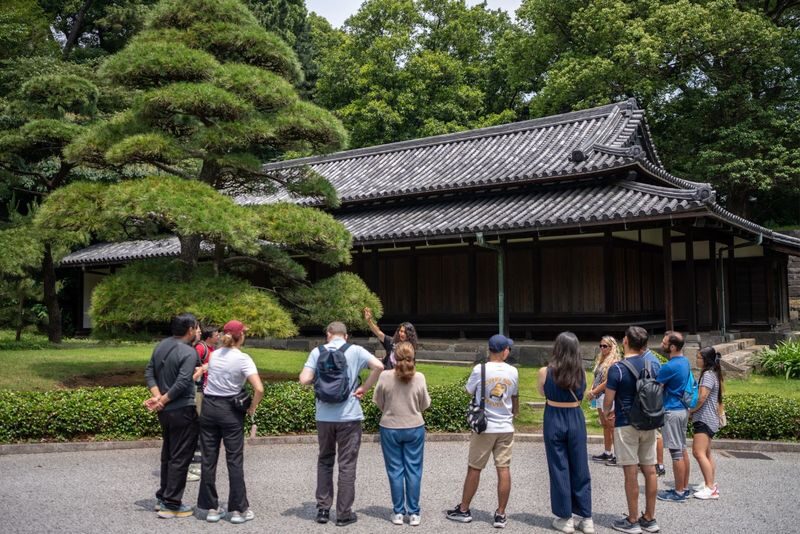
I would choose this walk if I wanted a first introduction to Edo Castle and the Imperial Palace grounds without spending half a day on a museum visit. It suits history-minded visitors, curious first-timers, and families who like learning outdoors. There is no age limit, and the guide-led format gives you room to ask questions as you go.
It also works well as a gentle start to a day in central Tokyo. The garden provides a quiet change of pace, and the two-hour length leaves room for other plans. If you are visiting in spring or autumn, seasonal scenery adds another reason to come, though the historical content remains the main event.
You may want to skip it if you expect to see the emperor’s residence, enter palace buildings, or tour a large collection of castle structures. The experience is about the East Garden and the history attached to it. If that sounds too restrained, use the time for a more visual attraction; if you enjoy having a thoughtful guide turn a landscape into a story, this is good value.
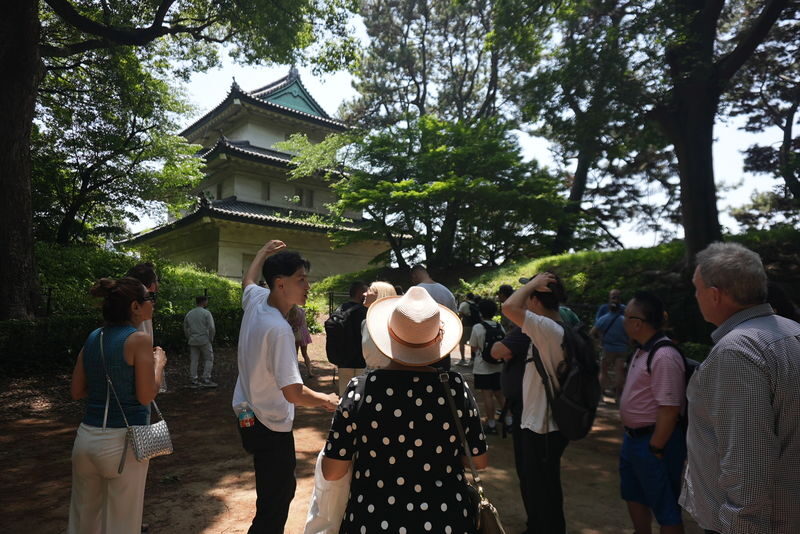
Book it if you want a well-priced, two-hour introduction to Edo Castle’s defenses and Japan’s imperial and shogun history. The best reason to go is the guide: a strong storyteller can make the walls, moat, gate, and garden feel connected rather than like separate sights.
Go independently if your main goal is a quiet garden stroll and you are happy to read the setting for yourself. Choose the tour if you want the context, questions, and human stories that the scenery alone cannot supply. Arrive on time, travel light, and let the history carry the walk.
“Giulia was really kind, personable, and fun. We had a fantastic time!!”
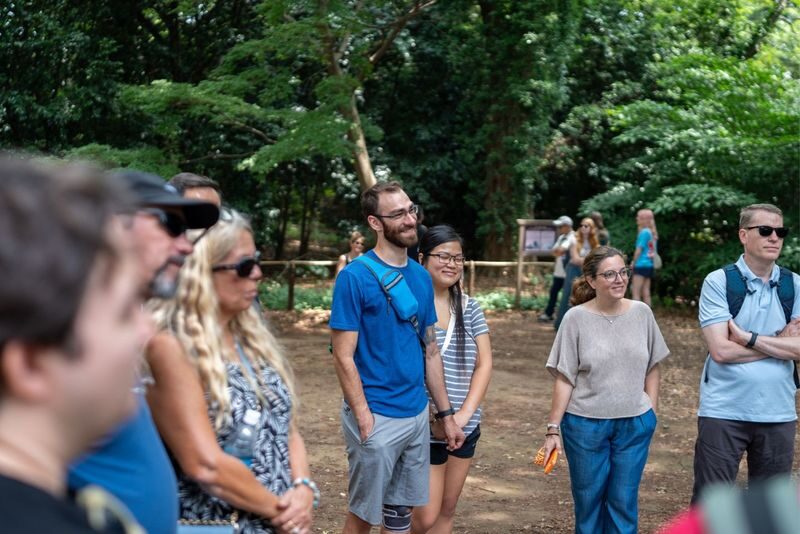
The tour package is a two-hour walking tour.
Meet in front of Starbucks Coffee at Kokyo Gaien Wadakura Fountain Park, 3-1 Kokyogaien, Chiyoda City, Tokyo.
Arrive five minutes before the departure time you selected.
The available departure times are 09:30, 11:00, 12:30, and 14:00. Options can vary by booking.
The tour returns to Starbucks Kokyogaienmae, the same meeting point.
Admission to the Imperial Palace East Garden and an English-speaking guide are included. Personal expenses are not included.
The tour visits the Imperial Palace East Garden and Ote-mon Gate.
No. The activity has no age limit.
No. Luggage storage is not provided.
You can receive a full refund if you cancel at least 24 hours before the activity date, using destination local time. Late arrivals and no-shows are not eligible for refunds or amendments.