Physical Address
304 North Cardinal St.
Dorchester Center, MA 02124
Physical Address
304 North Cardinal St.
Dorchester Center, MA 02124

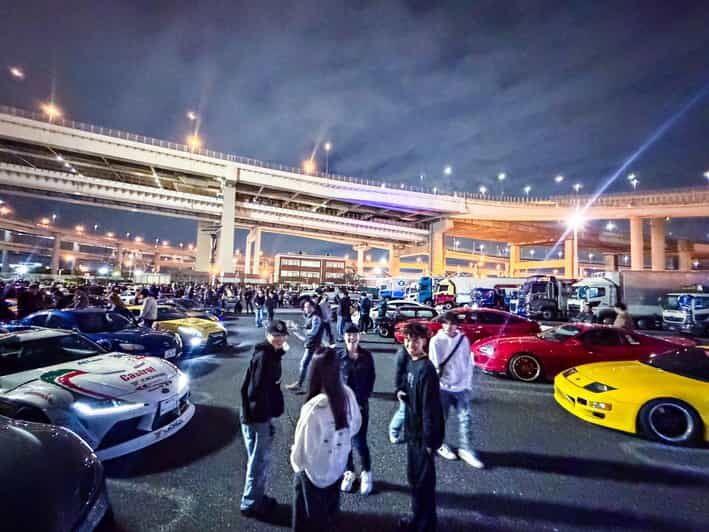
Ride in a privately owned JDM sports car through Tokyo at night, stop at Daikoku PA, cross Rainbow Bridge and photograph Tokyo Tower.
Tokyo’s car culture feels different from a sightseeing bus window. On this three-hour night tour, you ride in a privately owned JDM sports car, cross Rainbow Bridge and spend about an hour among the cars at Daikoku Parking Area. The machines are part of the guides’ own lives, not simply vehicles hired for a tourist route.
I like two things in particular: the chance to ride in a real enthusiast-owned car, with models ranging from a Skyline to a Supra, and the time set aside at Daikoku PA, where you can walk around and see what turns up. Guides including Haru, Taishi, Ree, JJ and Yago have drawn praise for friendly service, safe driving and good photos, though your guide and car will depend on the day.
The main caveat is that the experience cannot promise a particular car or a packed car meet. Daikoku is a public highway stop that can close, and its lineup changes; the tour offers a backup destination, but it is not a guaranteed race or drift session.
The tour is a guided night drive, not a self-drive rental. You meet your guide in Shibuya, settle into the assigned car and head out onto Tokyo’s expressways. The experience is built around the ride, the views and the car gathering, so you do not need to know Japanese car culture to enjoy it. Still, you will get more from the outing if you are curious about the cars and willing to ask your guide questions.
The operator describes its cars as personal machines owned and maintained by the local enthusiasts who guide the tour. The possible lineup includes Nissan Skyline R31, R32, R33 and R34 models, a widebody Silvia S15, Toyota Supra JZA80 MK4, Toyota Chaser JZX100 Turbo and Nissan GT-R R35, among other selected cars. Each one can have its own modifications and character.
That variety is part of the appeal, but it also means you cannot count on one specific model. Vehicle assignments depend on availability and group size. If you have your heart set on a Skyline or Silvia, contact the operator before booking and ask; they will try to arrange a preference, but cannot guarantee it.
Space is another practical matter. Some sports cars have limited interior or rear-seat room, so contact the operator first if you are tall or have a larger build. The tour is not suitable for people over 95 years old or for pregnant women.
You can check availability for your dates here: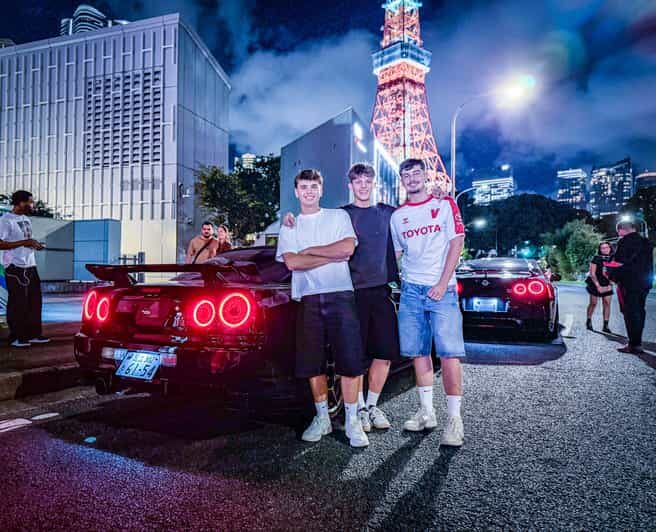
After leaving Shibuya, the route takes you onto Tokyo’s highway network, including a crossing of Rainbow Bridge. From the car, the draw is the view across Tokyo Bay and the illuminated city, framed by the windows and the car’s interior. This is not a stop for a long walk or a skyline lecture; it is a moving view that makes the journey itself part of the sightseeing.
The roads also carry a particular appeal for fans of Wangan Midnight, the anime associated with Tokyo’s expressway car culture. The tour passes highway sections known from that story, with tunnels, elevated roads and city lights along the way. If you are unfamiliar with the series, the route still gives you a useful sense of the city’s scale after dark.
A few people have described the ride as exciting, with noticeable acceleration. But this is not a promise of racing, drifting or a high-speed stunt. The tour information explicitly excludes illegal street drifting, and you should think of this as a guided passenger experience on public roads. If you want a calm scenic drive, ask about the driving style before you book; if you expect a track-day thrill, this is not that.
Looking for more options in Tokyo? Here are some other experiences worth considering.
Daikoku Parking Area is the main event for many car fans. It is a well-known gathering point for enthusiasts, and the tour allows about an hour there when conditions permit. You can leave the car, look around the parking area and take pictures of the vehicles that happen to be present.
The mood can recall Japanese car scenes from films, games and anime, but this is a working public highway rest area, not a staged show. The cars are not guaranteed, and the number and types can vary by day. That uncertainty is part of the experience: you may find an assortment of striking machines, or a quieter scene than you hoped for.
Daikoku can also close because of police activity, traffic, road restrictions, severe weather or other conditions beyond the tour team’s control. If that happens, the guide may take you to another suitable car gathering place, such as Umihotaru PA. A guide named Ryo, for example, has been praised for switching to an alternative when Daikoku closed early. That kind of flexibility matters more than a fixed promise of a particular car lineup.
The hour is a sensible amount of time. It gives you room to look closely, take photos and enjoy the scene without turning the outing into an all-night event. Bring a camera and a drink, as suggested, and keep in mind that this is an informal public place. Follow your guide’s instructions and be considerate when photographing cars and their owners.
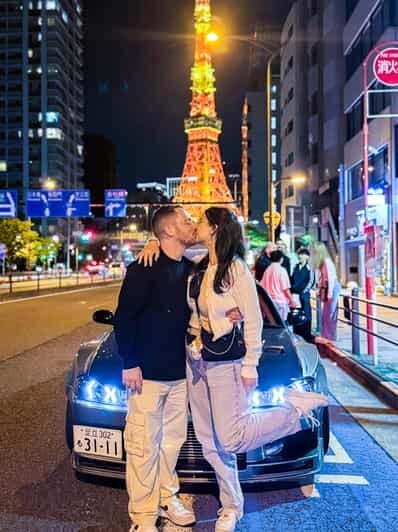
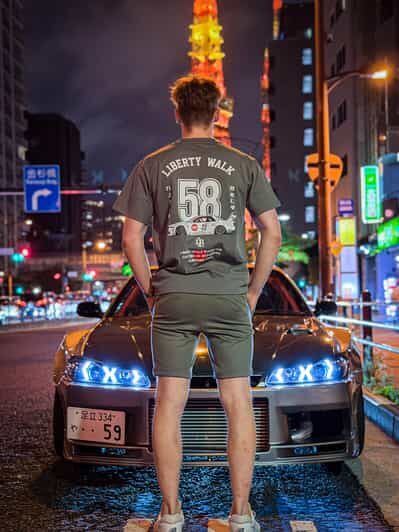
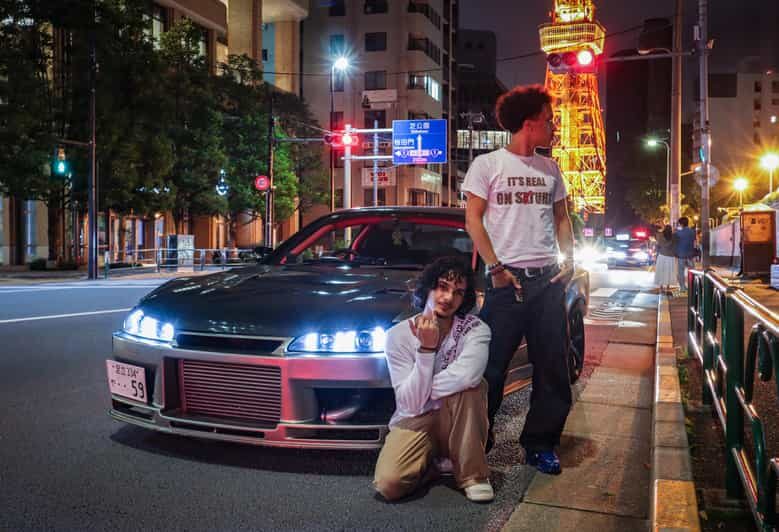
After Daikoku, the route returns through Tokyo’s expressway network, including sections linked with Wangan car culture. The final planned stop is near Tokyo Tower, with about 15 minutes for photos. The tower’s lighting gives you a recognisable Tokyo backdrop, and the guide may help take souvenir pictures.
Several visitors have singled out the photography as a welcome extra, especially shots with the car and Tokyo Tower in the background. Bring your own camera or phone, but do not overlook the guide’s camera if they offer to take pictures. This is a good moment to ask for a group shot or a photo beside the car before the ride ends.
The tour then returns to Shibuya. The activity details describe a Shibuya start and finish, while the itinerary also notes that starting and drop-off options depend on the selected option. Check the meeting and return point shown for your chosen booking rather than assuming every departure uses the same arrangement.
The cars are the headline, but the guide shapes how much you learn. The guides are local drivers familiar with Japanese cars and Tokyo’s night routes, and the experience is offered in English, Japanese, Spanish and Portuguese. Names that have come up often include Haru, Taishi, Ree, JJ, Yago and Shoma. You cannot select a particular guide from the information provided, so treat those names as examples, not a booking guarantee.
The strongest praise has focused on guides who are friendly, explain the cars and routes clearly, drive confidently and help visitors feel safe. Some have also taken extra care with photos or adjusted plans when road and parking conditions changed. If you are especially interested in the technical side of JDM cars, say so early and ask questions; the amount of explanation can vary, and at least one person wanted more detail about the car scene.
The driving style can also differ from one guide or car to another. Some people describe a lively ride, while others value a smooth, professional driver. I would be clear about your comfort level before setting off, especially if you are travelling with a child or someone who dislikes brisk acceleration. The tour is a passenger ride, and the standard plan may mean sharing the car with other passengers.
More Great Tours Nearby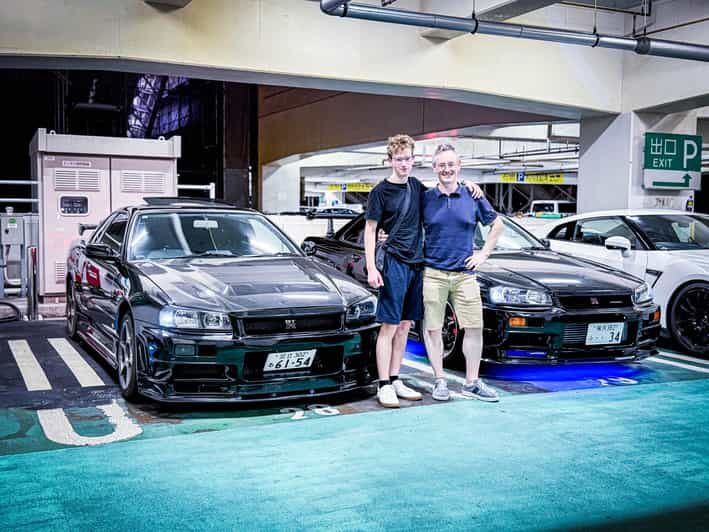
At $89 per person, you are paying for more than a transfer to Daikoku. The price covers a three-hour guided night drive, the JDM car ride, highway travel, the Rainbow Bridge crossing, about an hour at Daikoku, a Tokyo Tower photo stop and souvenir photos taken by the guide. The local driver and access to a privately owned enthusiast car are the central value, not a long list of attractions.
For a car enthusiast, that combination is compelling: you get time in a Japanese performance car, a route tied to Tokyo’s car culture and a chance to see a real, changeable gathering rather than a staged display. It also works for a couple or family member who is not a dedicated car fan but wants to share a memorable night out. A family group with a car-loving teenager, for example, can enjoy the ride and city views together.
The value is less clear if your main goal is a guaranteed view of a specific model or a close encounter with a particular car meet. You may not get your preferred vehicle, Daikoku may be closed, and the car scene is never fixed. Nor is this the right purchase if you want to take the wheel yourself: it is a guided ride, not a driving lesson or rental.
Private or small-group options are available, while the standard plan may involve sharing a ride. If privacy matters, check the exact option before you book. The activity lasts three hours, and starting times depend on availability.
You can cancel up to 24 hours in advance for a full refund, and the reserve-now, pay-later option lets you hold a place without paying immediately. Check the available start time and meeting details for your date, particularly if you have plans before or after the tour.
Alcohol and drugs are not allowed. Bring a camera and drinks, and dress for a night out in a car rather than assuming you will be indoors the whole time. Daikoku is an outdoor parking area, and the tour may spend time outside the vehicle.
Most important, keep your expectations flexible. A car meet is shaped by the cars that arrive and by road and weather conditions. A good guide can make a change of plan worthwhile, but no guide can promise that Daikoku will be open or that your favourite model will appear.
Book it if you want to ride in a real JDM car, enjoy Tokyo’s expressways after dark and spend unhurried time at a car gathering. The mix of Rainbow Bridge, Daikoku PA and Tokyo Tower gives the three-hour outing a clear shape, while the enthusiast guides can add useful context and help with photos.
Skip it if you need a guaranteed R34, Supra or GT-R, expect to drive, or want a scheduled racing or drifting experience. The best way to approach it is as a guided passenger ride through Tokyo’s car culture, with a flexible stop at a public meet. At $89, it is a strong value for the right kind of car fan, provided you are comfortable with the car, lineup and route varying.
“Ryo was an amazing tour guide! Even though Daikoku PA closed earlier than expected, he made sure we still had a great experience by taking us to an…”
The tour lasts three hours.
The listed price is $89 per person.
The guided night drive is described as starting and ending at Shibuya Station. The available starting and drop-off locations may depend on the option you select, so check your booking details.
Possible cars include Nissan Skyline R31, R32, R33 and R34 models, a Nissan Silvia S15, Toyota Supra JZA80 MK4, Toyota Chaser JZX100 Turbo and Nissan GT-R R35. The assigned car depends on availability and group size.
You can contact the operator with a preference, and they will try to arrange it. A particular model cannot be guaranteed.
The planned stop is about one hour when conditions allow.
The guide may take you to another suitable car gathering place, such as Umihotaru PA.
Yes. The tour includes a photo stop near Tokyo Tower that lasts about 15 minutes.
The live guide is available in English, Japanese, Spanish and Portuguese.
Private or small-group options are available. With the standard plan, you may share the ride with other passengers.
You can check availability for your dates here: