Physical Address
304 North Cardinal St.
Dorchester Center, MA 02124
Physical Address
304 North Cardinal St.
Dorchester Center, MA 02124

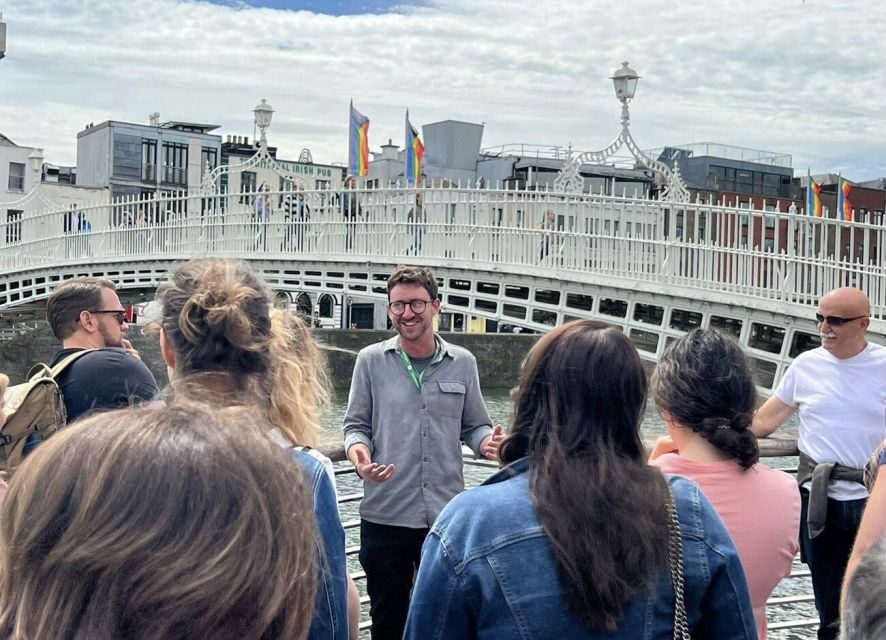
Follow Irish folklore through Dublin on a two-hour walk, from Temple Bar’s Celtic origins to Georgian-era grim tales and Gaelic revival on O’Connell Street.
Irish folklore is not kept behind museum glass on this walk. It turns up in stories about fairies, the banshee and púca, then meets the actual city at Temple Bar, the Georgian Quarter and O’Connell Street. The result is a fresh way to look at familiar Dublin sights and a closer listen to the stories that helped shape Irish identity.
I like two things in particular: the mix of myth and real history, from Celtic beliefs to rebellion, grave robbing and the Abbey Theatre’s tragic past; and the guides’ lively storytelling. Helena, Emily, Lee and Dave are among the guides named by people who have taken the tour, with humour and audience-friendly tales frequently praised.
One consideration: this is a two-hour walking tour, not a seated storytelling session. There are several stops and the pace sounds manageable, but you will still be on your feet and the route covers more than the usual central sights.
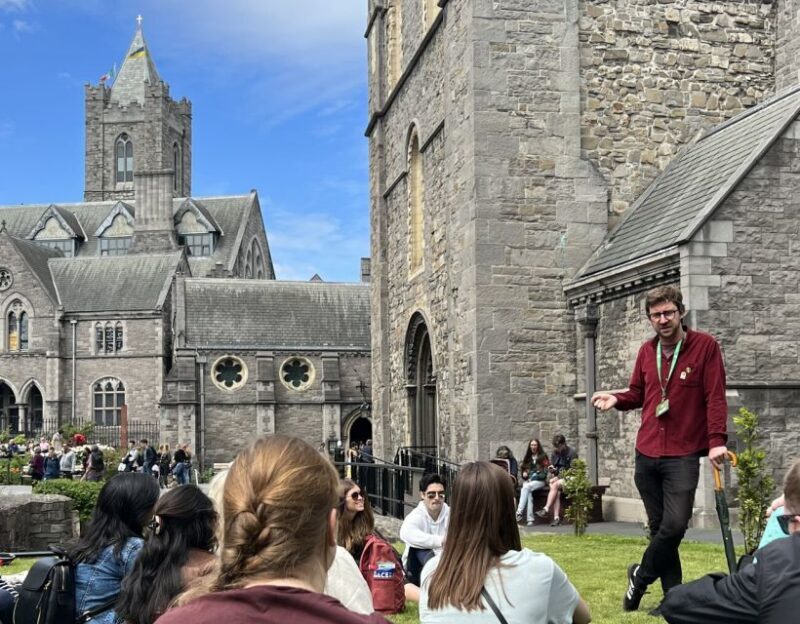
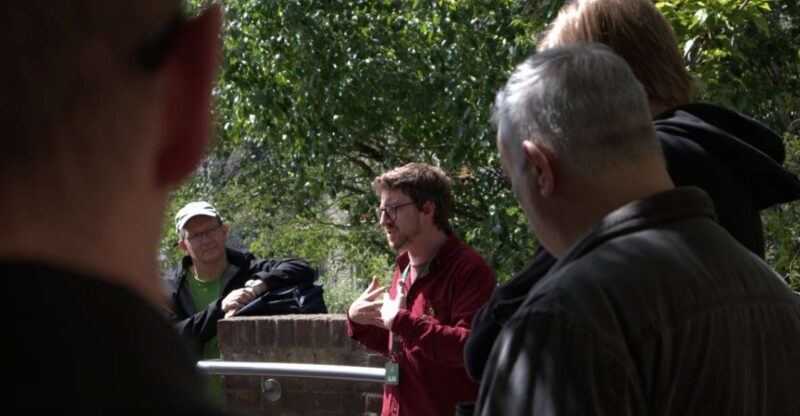
Dublin’s major sights are easy to pass through with your eyes on the next photo stop. This tour gives you another reason to pause: a street or building can serve as the setting for a story about belief, memory, political struggle or cultural change. That shift is the point. You are not just collecting landmarks; you are learning how stories live alongside them.
The tour is led by a local folklore expert and runs in English. Its subject is broader than a parade of supernatural characters. Irish myths and legends sit beside historical events and the changing place of Gaelic language and culture. That makes the walk useful even if you already know the broad strokes of Irish history. One visitor from Belfast, who knew plenty of the history, particularly valued learning more about folklore.
I would think of this as a story-led introduction to Dublin, not a full historical survey. You will hear selected tales and get a new frame for the city, but two hours cannot explain every era or settle every question about the origins of a legend. If one story catches your interest, treat it as a starting point for your own reading or a conversation with the guide.
If you enjoy exploring Dublin on foot, these walking tours might also suit your style
The meeting point is outside The Old Storehouse pub in Temple Bar. Look for the green umbrella, which is the practical landmark to watch for in a busy central area. The walk begins here with Ireland’s mythical beginnings and traditions rooted in Celtic culture.
Temple Bar is familiar territory for many visitors, but folklore gives it a different job. Instead of treating the district only as a popular place to eat, drink or wander, the guide uses it to introduce the beliefs and stories that run through the tour. That opening can help you listen for the ties between myth, identity and place as you move on.
The guide is central to the experience. The strongest accounts describe guides such as Helena, Emily, Lee and Dave as funny, welcoming and skilled at holding attention. Their storytelling is the main attraction, not a string of elaborate props or a dramatic production. You are there to hear a person bring the tales to life, ask questions and make connections as the group walks.
If you are choosing a starting activity for your Dublin visit, this tour can work well early in the trip. The stories give you context to carry into later sightseeing, while guides may also offer suggestions for exploring the city. Just remember that guides can vary, so a specific name is not guaranteed.
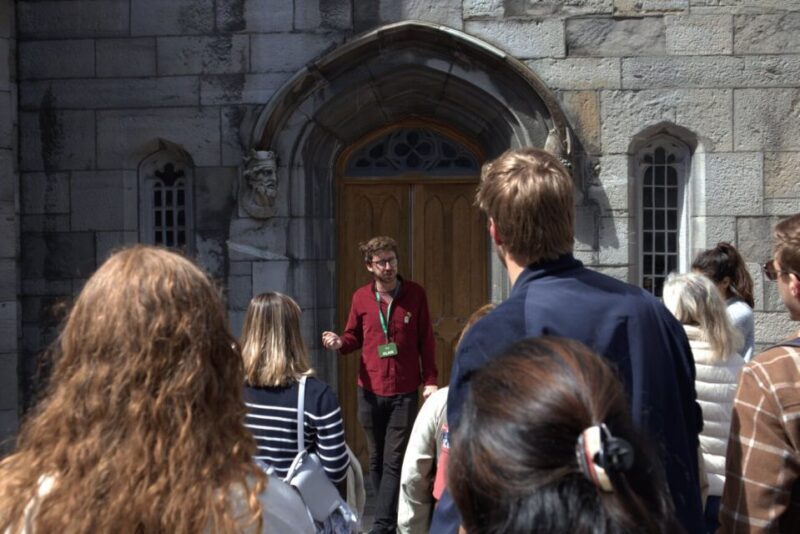
The folklore section brings in some of Ireland’s most familiar mythical beings: fairies, the banshee, the púca and the leprechaun. You will hear about the characters and beliefs that have travelled through Irish and Gaelic culture, as well as ancient warriors. The value is not simply learning a list of names. You get to see how storytelling keeps these figures present in the country’s cultural imagination.
A good storyteller can make complex tales clear without flattening them into a lecture. That matters here, because a folklore tour works best when you can follow the story and still ask what it means or where it fits. The guides’ humour helps keep the subject approachable, and the style appears to suit both people already keen on mythology and those arriving with only a passing interest.
I would not book this expecting a specialist seminar. The focus is a lively, accessible walk through selected myths and characters, not a detailed academic treatment of every tradition. But if you like hearing a good story and want to understand why folklore matters beyond the page, the format has real appeal.
As the route leaves the usual tourist circuit, the tone shifts. The Georgian Quarter section brings in rebellion, grave robbing and revolutions, giving you a more macabre angle on the city. This is where the tour’s blend of legend and history becomes especially useful: the past is not presented as one tidy story, but as a collection of struggles, fears and turning points.
The change of subject also keeps the walk from feeling like a series of fairy tales. You move from ancient beliefs and legendary creatures to the darker facts and conflicts associated with Dublin’s past. That contrast gives the stories weight. It also offers a reason to explore streets you might otherwise skip while moving between the headline sights.
The Abbey Theatre features in this part of the tour through its tragic history. The supplied details do not name the events or people involved, so go in ready to listen rather than expecting a particular account. For theatre fans, or anyone interested in how culture and history intersect, this offers another layer beyond the familiar image of Dublin as a literary city.
There is a practical benefit to the stops, too. People who have taken the walk describe several longer pauses, which can make a two-hour route feel less tiring than continuous walking. The tour is still on foot, and your comfort will depend on your own energy and mobility, but the format is not described as a march from one landmark to the next.
More Great Tours Nearby
The tour’s story reaches O’Connell Street with an introduction to the revival of Gaelic language and culture in Ireland. That provides a bridge from folklore and the past to questions of identity in modern Ireland. It also helps explain why myths are not just entertaining old tales: they can be part of how a people remember and express who they are.
The walk also introduces some of Dublin’s contemporary street characters. That detail hints at a broad view of storytelling, one that includes people and everyday city life as well as ancient figures. The supplied information does not specify which characters you will meet, so think of this as an observation of present-day Dublin rather than a promised encounter with named individuals.
The tour information says the activity ends back at its meeting point, while the route description places its closing discussion on O’Connell Street. Check the exact end arrangements when booking if that detail matters to your plans. Either way, the route connects central Dublin with less familiar locations and returns you to the same general city area rather than requiring hotel transport.
At $27 per person, you are paying for a guided experience, not transport or hotel pickup. The price makes most sense if you value the guide’s ability to link stories with places and bring the folklore to life. You can read about mythical creatures on your own, but a local guide adds a walking route, live interpretation and room for questions.
Two hours is a useful length for this subject. It gives the guide time to move from Temple Bar’s mythic introduction to the Georgian Quarter’s darker history and the Gaelic revival, without taking over a full day. The walk is also described as having several longer stops, which can make the time feel more relaxed than a nonstop city march.
The tour is wheelchair accessible, according to its activity details. That is helpful, though it is sensible to confirm any route-specific needs with the provider before booking, since the walk includes multiple locations and the supplied information does not describe surfaces or step-free access at each stop.
Booking is available with free cancellation up to 24 hours in advance, and a reserve-now, pay-later option is offered. Starting times vary, so check availability for your date. The guide speaks English, and hotel pickup and drop-off are not included. Meet outside The Old Storehouse pub and look for the green umbrella.
I would recommend this to you if you enjoy stories, want more than a standard overview of Dublin’s best-known sights, or are curious about how folklore and national identity connect. It is also a good fit for visitors who already know some Irish history and want a different angle. Families may find the tales engaging, and the stops can offer welcome pauses, though the activity remains a two-hour walk.
It is less suited to someone who wants a tightly focused tour of architecture, a comprehensive chronology of Irish history, or a mostly seated experience. The appeal depends on the guide’s delivery and your interest in myths and storytelling. If you are eager for a clear, entertaining introduction to folklore with a few darker historical turns, the subject matter is well chosen.
The 4.9 rating from 703 reviews is a strong signal of consistent satisfaction, but the practical question is whether the theme matches your interests. The most praised qualities are the guides’ humour, warmth and storytelling, along with the unusual mix of mythology and history. Those are the reasons I would choose it over another standard walk through central Dublin.
Book this tour if you want Dublin’s streets to come with stories attached. The blend of Celtic beliefs, mythical creatures, Georgian-era troubles and Gaelic revival offers a distinctive two-hour introduction, and the guides’ names most often associated with the experience include Helena, Emily, Lee and Dave. You cannot choose which guide will lead your date, but the tour’s storytelling focus is clear.
Skip it if your priority is a detailed architectural route or if two hours on foot does not suit your plans. For everyone else, especially curious first-time visitors and folklore fans, $27 buys a focused, entertaining way to see a less familiar side of Dublin.
“Helena was an excellent tour guide. Very charismatic and entertaining. The content of the tour was also fascinating, and we got to see some Dublin …”
The walking tour lasts two hours. Check availability to see the starting times for your date.
Meet outside The Old Storehouse pub in Temple Bar. Look for the green umbrella.
The activity information says it ends back at the meeting point. The route description says its closing discussion takes place on O’Connell Street, so check the end arrangements when booking if needed.
The live tour guide speaks English.
Yes, the activity is listed as wheelchair accessible. The supplied details do not describe access conditions at each stop.
The price includes the guide and walking tour. Hotel pickup and drop-off are not included.
Yes. You can cancel up to 24 hours in advance for a full refund, and a reserve-now, pay-later option is available.
You can check availability for your dates here: