Physical Address
304 North Cardinal St.
Dorchester Center, MA 02124
Physical Address
304 North Cardinal St.
Dorchester Center, MA 02124

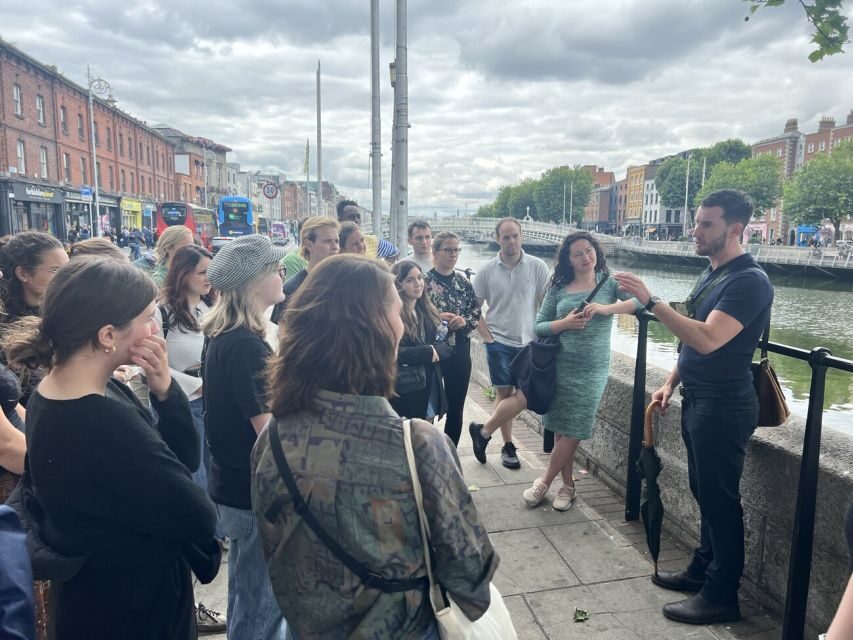
See Dublin Castle, Trinity College and the Liffey on a two-hour walking tour led by an accredited local guide, with history and practical city tips.
Dublin’s story is written into a compact city centre: Viking beginnings, medieval streets, Georgian avenues and the hard edges of Victorian life all sit within walking distance. This two-hour tour links landmarks such as Dublin Castle, Christchurch Cathedral and Trinity College with stories about writers, rebels and other characters who shaped the city.
I like two things in particular: you get the main sights alongside lesser-known corners, and the guide offers practical advice about where to eat, drink, hear live music and shop. Guides including Ian, Keith, Alan, Dave, Kieran, Gemma, James, Karl, Emily and Helena have been praised for mixing history with humour and useful local perspective.
The main consideration is the pace. You will be on your feet for two hours, and one account describes a tour that ran close to three hours without a break. The stated duration is two hours, so allow some extra time if you have a tight schedule.
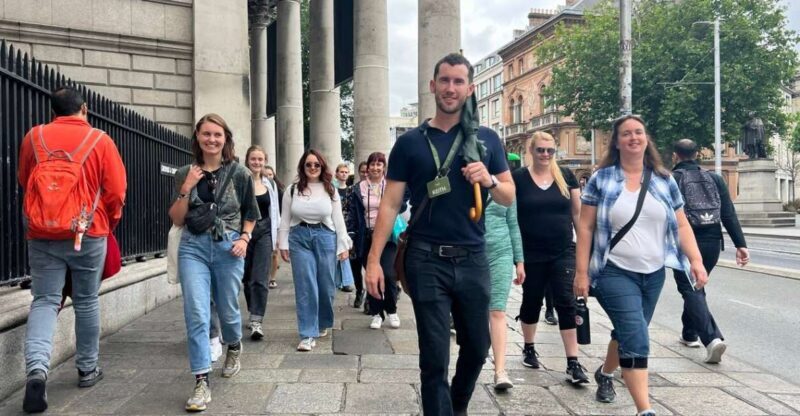
This tour is a quick way to make sense of central Dublin. Rather than treating each landmark as a separate photo stop, a guide ties places together through a story that runs from the city’s Viking origins through medieval Dublin and into later periods of change.
That broader frame is useful on a first visit. Once you have heard how the city’s character developed, familiar sights can feel less like isolated names on a map. The tour also introduces a cast of writers, rebels, rock stars and rogues, giving you human stories to hold on to alongside the dates and buildings.
The format is simple: walk with an accredited local guide, listen, ask questions and get a sense of the city’s layout. The tour is listed as two hours, and the route stays in Dublin city centre. You do not need to plan transport between stops, but you should be ready to keep moving and spend the visit outdoors.
You can check availability for your dates here: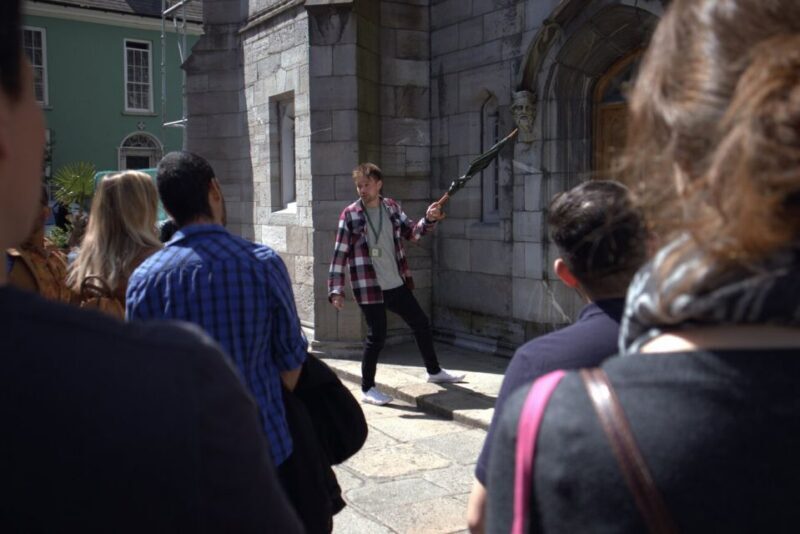
The route includes Temple Bar and Dublin Castle, two well-known central stops that give the guide a chance to talk about different sides of Dublin. Temple Bar is one of the areas many visitors already have in mind. The tour’s value is not simply passing through it, but hearing how it fits into the city’s wider story and getting advice on where to spend your time.
Dublin Castle provides another anchor for the walk. You can expect to hear about the landmark and its place in Dublin’s past, rather than simply being pointed toward its façade. The tour description does not promise entry, so treat this as a guided city walk that visits notable places, not as a ticket to the buildings themselves.
Christchurch Cathedral brings the route into medieval Dublin. It is one of the city’s major historic sights, and a useful point for understanding how much older Dublin is than its Georgian streets might suggest. Your guide can connect this stop to the medieval period without asking you to piece the timeline together alone.
Smock Alley Theatre adds a different kind of landmark to the mix. Along with the city’s churches and civic buildings, it helps show that Dublin’s story is not only about rulers and political change. The stops give your guide room to talk about culture and everyday character, too.
If you enjoy exploring Dublin on foot, these walking tours might also suit your style
The River Liffey and its bridges are part of the tour’s city-centre route. The Ha’Penny Bridge and O’Connell Bridge offer clear points of reference as you move between areas, and the river helps explain the shape of central Dublin. These are also good places to pause, look around and get your bearings.
The GPO is another significant stop. It offers a natural opening for discussion of Ireland’s political history and the people who shaped it. The tour promises a journey through Ireland’s past, including its turbulent chapters, so you can expect more than a checklist of buildings.
The walk also brings in the story of Viking Dublin. The route names this period as a subject, but does not promise a particular museum visit or a specific archaeological site. Think of it as a guide-led introduction to the city’s earliest chapter, woven into the streets and landmarks you pass.
Because the stops span different eras, the guide’s storytelling matters as much as the route. The most useful guides make those transitions easy to follow, moving from one period to another without turning the walk into a lecture. Feedback repeatedly singles out guides such as Alan, Keith, Kieran, James and Emily for combining historical detail with clear explanations and humour.
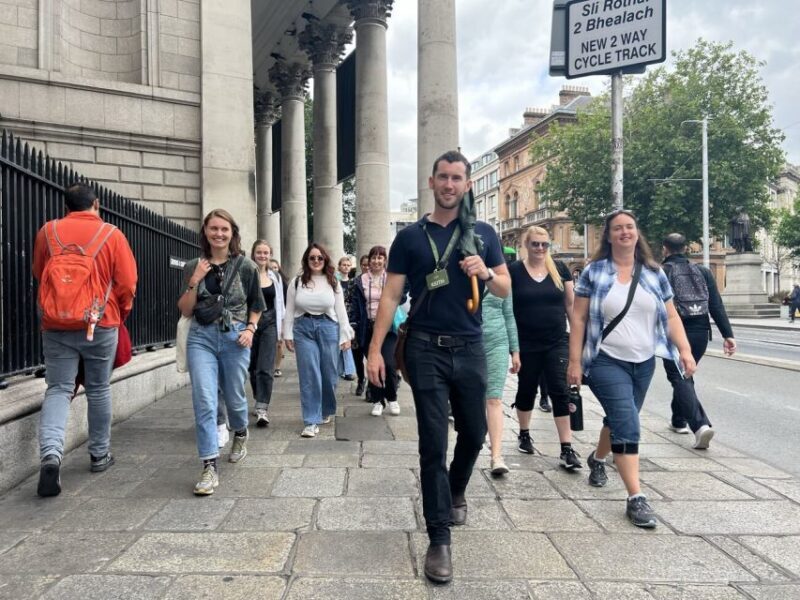
Trinity College is among the tour’s named sights and gives the walk a final landmark with strong ties to Dublin’s identity. The activity description does not say that the tour includes entry, so plan on seeing it as part of the city walk rather than booking it as a visit inside the college.
The larger story moves beyond famous buildings. Dublin’s Georgian boulevards and Victorian slums are named as part of the city’s changing history. That contrast is one of the more useful themes of the tour: a city’s grand streets and difficult living conditions belong to the same timeline, and a guide can help you see how the different layers meet.
You will also hear about people rather than just periods. The tour promises stories of writers, rebels, performers and rogues. That approach suits visitors who enjoy character-led history and want to understand how Dublin’s reputation and culture took shape, not only memorise a list of dates.
The route is described as covering must-see sights as well as less obvious corners, but the exact sequence and stops may vary. The named places give you a good idea of the territory and themes, while the guide’s local choices provide room for the less expected details.
The strongest reason to choose a walking tour is the person leading it. Names mentioned by the provider include Ian, Keith, Alan, Dave, Kieran, Helena, Gemma, James, Karl, Emily and Chris. Individual guides differ, of course, but the praise is consistent on a few useful points: clear history, lively storytelling, humour and an ability to engage the group.
That balance matters. A guide who is funny but light on substance may leave you entertained without understanding much. A guide who is all dates and names can make two hours feel long. The accounts describe guides who bring the historical context and keep the walk enjoyable, with some also watching out for the group and answering practical questions.
Use the opportunity to ask for recommendations. The tour specifically includes tips on places to eat and drink, live music and souvenirs, as well as advice on making the most of a visit to Ireland. If you are new to Dublin, those suggestions can help you avoid spending the rest of your trip choosing from the first options you see.
Some people appreciate a guide who will talk openly about difficult or contentious parts of Irish history. One account describes a guide who did not shy away from the full story and encouraged the group to think about what they were seeing. If that kind of frank, thoughtful conversation appeals to you, this format should suit you better than a purely scenic walk.
More Great Tours NearbyAt $27 per person, the tour offers a relatively affordable way to cover several central sights and get an introduction to Dublin’s history. You are paying for a local guide, a city-centre walking route, historical and cultural context, and practical recommendations. You are not paying for meals, drinks, hotel pickup or entry to attractions.
I see the best value here for a first visit. A guide helps you make connections between places that might otherwise register as a run of buildings and bridges. You also leave with a better sense of where things are and suggestions that can shape the rest of your stay.
The value depends on what you want from the walk. If you are looking for a deep visit inside Dublin’s major attractions, this is not the right substitute for separate admission and time at each site. If you want an overview, a local voice and a useful start to exploring on your own, two hours can go a long way.
The advertised duration is two hours, though one person described a tour that stretched close to three hours without a snack or toilet break. That is not enough to suggest every tour runs long, but it is sensible to leave breathing room afterward. Have a snack beforehand and take care of any practical needs before setting off.
Meet outside The Old Storehouse pub and look for the green umbrella. Arrive no later than ten minutes before the start and have your booking ready for the guide. The walk ends back at the same meeting point, which makes it easier to plan the rest of your day.
The tour is in English and is listed as wheelchair accessible. Since it is a walking tour through the city centre, consider your own comfort with being on foot for the full duration. No hotel pickup is included, and food and drinks are not provided.
Booking is flexible: you can reserve now and pay later, and cancellation up to 24 hours in advance is eligible for a full refund. Check availability for the start times that suit your plans.
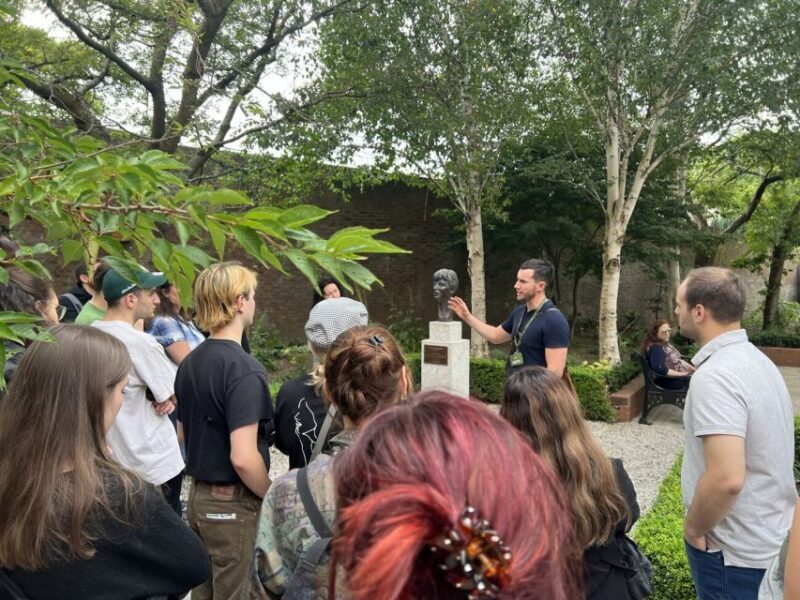
Book it if you want a lively introduction to Dublin’s centre, value a guide who can connect Viking origins with later chapters, and would welcome local suggestions for the rest of your stay. The combination of landmarks and human stories is the tour’s real strength.
Skip it if you prefer to explore entirely at your own pace, need guaranteed visits inside the attractions, or have little appetite for a sustained walk. For most first-time visitors, though, $27 is a fair price for a well-guided orientation, especially if you arrive ready to listen, ask questions and keep an eye out for the green umbrella.
“Amazing tour book if your visiting Dublin.. Our guide Ian was so knowledgeable, witty and humourous it made the tour so enjoyable.”
The stated duration is two hours. It is wise to leave some extra time afterward, as the pace and finish may vary.
Meet outside The Old Storehouse pub, where you will find the green umbrella. The tour ends back at the meeting point.
Named stops and areas include Temple Bar, Dublin Castle, Christchurch Cathedral, Smock Alley Theatre, the River Liffey, Ha’Penny Bridge, O’Connell Bridge, the GPO and Trinity College.
The live tour guide speaks English.
Yes, the activity is listed as wheelchair accessible.
No. Food, drinks, hotel pickup and drop-off are not included.
You can check availability for your dates here: