Physical Address
304 North Cardinal St.
Dorchester Center, MA 02124
Physical Address
304 North Cardinal St.
Dorchester Center, MA 02124

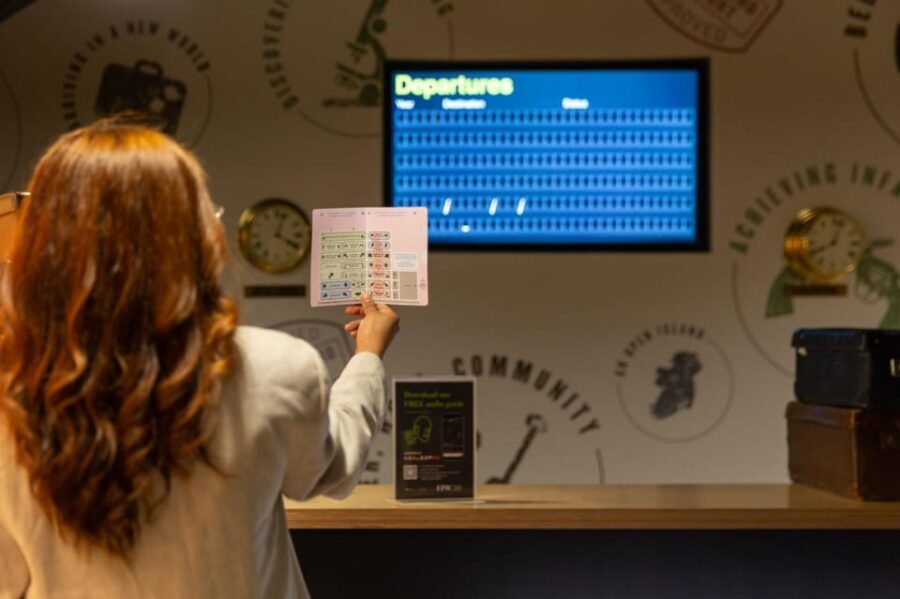
Explore Irish emigration at Dublin’s EPIC Museum with interactive galleries, an audio-guide app, a souvenir passport, and a return visit within 10 days.
EPIC tells Irish history through the people who left Ireland and the mark they made around the world. Its touch screens, motion-sensor quizzes, audio, and video turn emigration from a list of dates into a series of human stories, from famine and religion to artists, inventors, politicians, and outlaws.
I like two things in particular: the self-guided format lets you set your own pace, and the ticket allows a return visit within 10 days if one pass is not enough. The souvenir passport adds a playful thread to the galleries, too.
One consideration: there is a great deal of multimedia, and some people may find it a little much. Plan for at least two hours, arrive with a charged phone and headphones, and leave time to pause rather than rushing through.
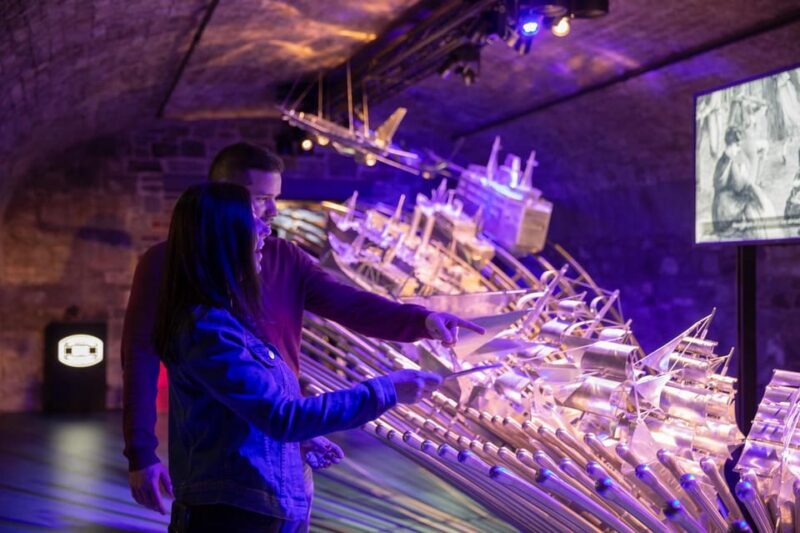
EPIC’s central idea is simple and far-reaching: Ireland’s story is not only the story of the island, but also of the people who left it and the lives they built elsewhere. The galleries connect emigration with the work of Irish people across the world, including scientists, politicians, poets, artists, musicians, and outlaws.
That approach makes the museum especially worthwhile if you want more than a quick collection of dates and famous names. You follow how leaving Ireland shaped individual lives and helped carry Irish culture into other countries. If you have Irish ancestry, the stories can feel personal, but the subject is not limited to family history. You can also come for a broader look at migration and its effects.
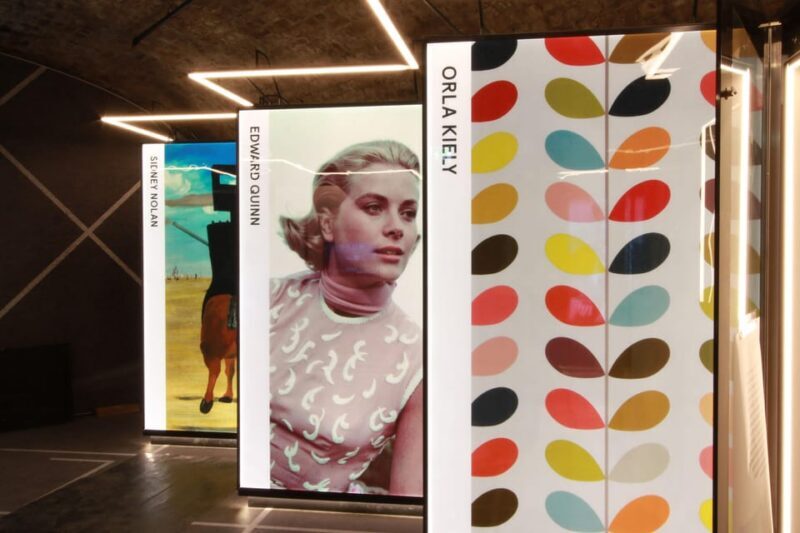
The museum addresses familiar Irish stereotypes by putting the focus on real people and their achievements. It gives you room to consider both the pressures that led people to leave and the contributions they made after they did. The famine is part of that story, but the exhibition reaches beyond one period: accounts of emigration stretch across different times and circumstances.
Religion, convicts, inventions, and politics are among the subjects represented. These varied threads help show that there was no single Irish emigrant experience. You may arrive expecting one story and find that the galleries keep widening the frame.
You can check availability for your dates here:
This is not a guided tour. Your ticket gives you entry to the museum, and the galleries are designed for you to explore on your own. An audio-guide app offers a helpful layer of explanation, so bring your charged smartphone and headphones. You can pause, replay, or move along at your own pace rather than keeping up with a group.
Touch screens and motion-sensor quizzes give you ways to interact with the material. Audio and video add voices and atmosphere, while the souvenir passport offers a small task to carry from room to room. The result is more active than a museum where you simply read label after label.
That format has a trade-off. Multimedia is a major part of the experience, and if you prefer quiet displays and a slower, object-focused visit, the screens and sound may feel like a lot. You can still choose what to spend time on, but it helps to know in advance that this is a highly digital museum.
The app is useful for making sense of each section, but it is not a substitute for headphones. Bring your own, and make sure your phone has enough charge for the visit. The ticket includes the app with audio guide, not a live guide or guided tour.
You might also be interested in these Dublin experiences
Set aside at least two hours if you want to follow the exhibition at a comfortable pace. You could spend longer if you listen to more of the audio, try the interactive features, and take time with the stories. A brisk visit is possible, but it risks turning a people-focused exhibition into a sequence of screens.
The one-day ticket and the option to return within 10 days help take pressure off the first visit. If you arrive late, feel tired, or discover that you want to give certain sections more attention, you have the chance to come back rather than trying to absorb everything in one sitting. Check the venue’s current opening details when planning, as the return visit is within the stated 10-day window.
The temporary exhibition is included, so it adds another part of the visit without a separate entry ticket. Its subject can change, so treat it as an extra rather than building your whole plan around a particular theme unless you have checked what is currently on display.
One practical lesson: do not arrive hungry and late in the afternoon if you hope to take your time. Cafés and restaurants are in the building, which makes it easy to plan a break nearby, but food and drink are not allowed inside the museum.
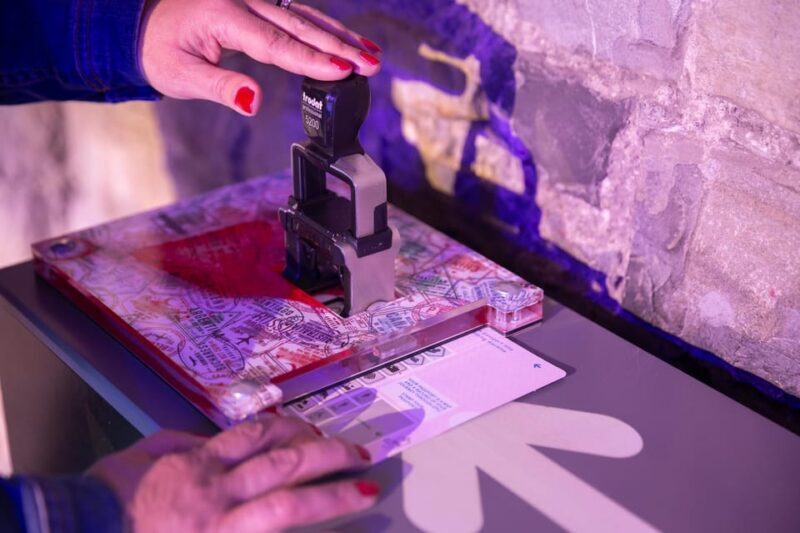
The passport is a small detail, but it gives the visit a sense of progression. Instead of treating each room as a separate stop, you have a memento that connects the route. It is a simple idea, not a replacement for the exhibition’s content, but it suits the museum’s interactive style.
The return privilege may be the ticket’s most practical extra. Some exhibitions reward a second look, especially when there is a lot to read, hear, and try. With a return visit allowed within 10 days, you can split your time or revisit the parts that stayed with you. Check the ticket’s terms when booking for the exact conditions.
At $24 per person, the value depends on how much time you give it. If you stay for two hours or more, use the audio guide, and explore the interactive sections, the price buys a substantial indoor activity rather than a quick stop. The included temporary exhibition and the option to return add value, particularly for anyone who likes to take museums slowly.
It is less compelling if you only have a short gap in your Dublin schedule or do not enjoy screen-based displays. The price is easier to justify when Irish emigration is a subject you care about, or when you want a structured way to understand how the Irish diaspora shaped lives and culture beyond Ireland.
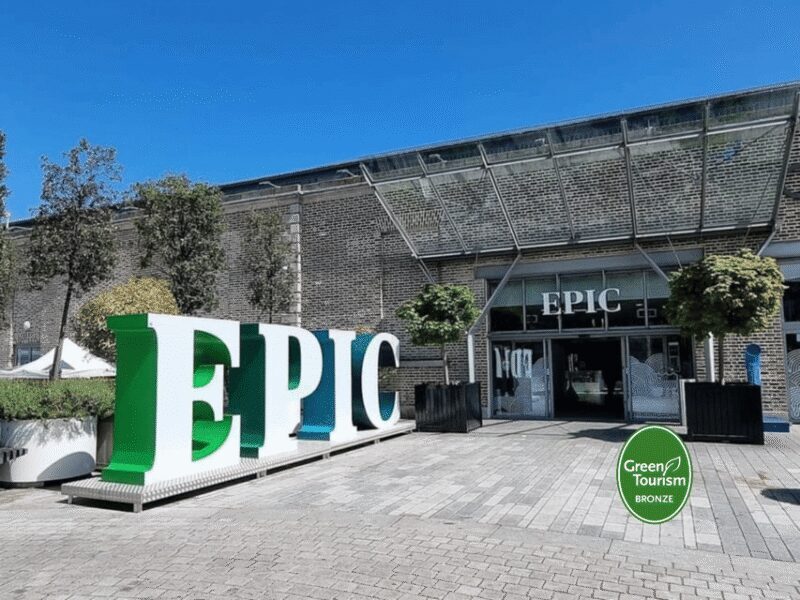
EPIC is in the CHQ building at George’s Dock on Custom House Quay, in Dublin’s Docklands. It is described as a 10-minute walk from the city centre, and the ticket desk is about a five-minute walk from Connolly and Tara Street train stations. That makes it straightforward to work into a city itinerary without arranging a separate tour or transport.
The museum sits directly opposite the Jeanie Johnston Famine Ship, which is about a two-minute walk away. The ship is not included in the EPIC ticket, and entry to the Irish Family History Centre on-site is also separate. Keep that distinction in mind when planning your day: EPIC’s admission covers the museum, not the nearby or on-site attractions.
Still, the location makes it easy to pair a visit with another activity in the same area. You can choose EPIC for its broad account of Irish emigration, then decide separately whether the ship or family-history centre suits your interests and budget. Cafés and restaurants in the building give you a convenient place to eat before or after the galleries.
More Great Tours Nearby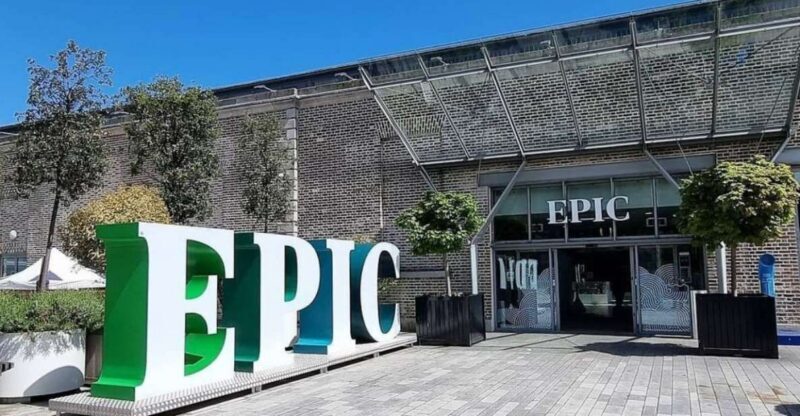
The museum is fully wheelchair accessible. Seating and secure lockers for bags and coats are available, which can make a longer visit more comfortable. A wheelchair was also available to one person who needed one during a visit, though you should contact the museum directly if you need to confirm current arrangements.
Food and drink are not allowed in the museum, so plan your snack or meal around the visit. With cafés and restaurants in the building, you do not need to go far for a break. The museum itself is a place to give your attention to the stories and multimedia.
For your visit, bring a charged smartphone and headphones for the audio-guide app. The host or greeter language is English, and the activity information lists English as the language. If you want a guided group experience, this ticket is not the right product: the visit is self-guided.
Free cancellation up to 24 hours in advance and a reserve-now, pay-later option offer flexibility if your Dublin plans are still taking shape. These terms are useful, but the bigger planning point is time: do not squeeze EPIC into a brief stop if you want to read, listen, and use the interactive features.
Culture seekers can explore more Dublin museums and galleries

I would put EPIC high on the list for anyone with Irish ancestry who wants more context than family names and dates can provide. It connects personal heritage with a wider story of migration and influence, and the passport and interactive displays give the visit a clear sense of movement.
It also suits anyone interested in emigration, social history, or how people carry culture across borders. The range of subjects, from religion and convicts to politics, invention, and music, offers different ways into the material. You do not need Irish roots to find the subject relevant.
Families and mixed-interest groups may appreciate the varied ways the galleries present information, though no age guidance is provided here. The interactive elements can break up the reading, but the museum still asks for time and attention. If you prefer a quiet collection of historic objects, or dislike screens and audio, you may find the style less satisfying.
Book EPIC if you want a thoughtful, hands-on account of Irish emigration and can give it at least two hours. The strongest reasons to go are its broad range of human stories, the flexible self-guided pace, and the chance to return within 10 days.
Skip it or choose another activity if you have only a short window, want a live guide, or prefer a less multimedia-heavy museum. For a $24 ticket, it offers good value when you take your time and use what is included. Pair it with the Jeanie Johnston or the Irish Family History Centre only if you are happy to pay for those separately.
“Really coveted do much of the Irish history through immigration and exporting of famous people. Religion, convicts, inventors and politicians. Very…”
The listed price is $24 per person. The ticket includes museum entry, the temporary exhibition, an audio-guide app, a souvenir passport, and a return visit within 10 days.
Allow at least two hours to explore at a comfortable pace. You may want longer if you listen to the audio and spend time with the interactive galleries.
No. The ticket is for a self-guided visit. An audio-guide app is included, but a guided tour is not.
Yes. Your ticket allows a return visit within 10 days.
Bring a charged smartphone and headphones to use the audio-guide app.
Yes. The museum is fully wheelchair accessible, and seating and secure lockers for bags and coats are available.
No. The Jeanie Johnston Famine Ship is about a two-minute walk away, but entry is not included in the EPIC ticket.
No. Entry to the Irish Family History Centre is not included.
No. Food and drinks are not allowed inside the museum. Cafés and restaurants are available in the building.
EPIC is in the CHQ building at George’s Dock, Custom House Quay. It is about a five-minute walk from Connolly and Tara Street train stations and a 10-minute walk from the city centre.
You can check availability for your dates here: