Physical Address
304 North Cardinal St.
Dorchester Center, MA 02124
Physical Address
304 North Cardinal St.
Dorchester Center, MA 02124

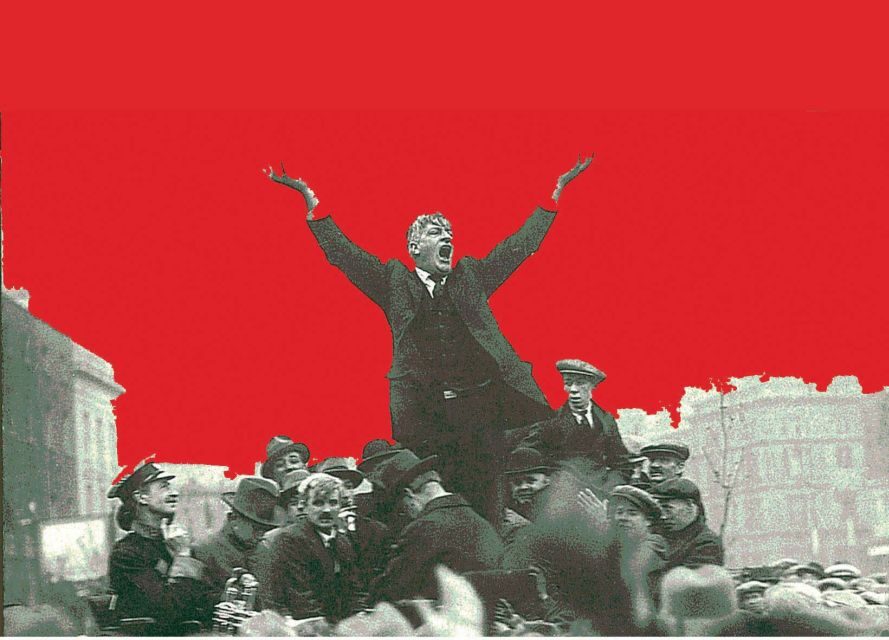
Trace Dublin’s history on a two-hour walk past Dublin Castle, Temple Bar and the Medieval City, led by an entertaining local history graduate.
Dublin’s past is never far from its streets. In two hours, this walking tour connects landmarks such as Dublin Castle, City Hall and Temple Bar with the events that shaped Ireland, from revolution and famine to the Northern Ireland Peace Process. Guides are history graduates of Trinity College Dublin or University College Dublin, and the best bring dates and people to life with humor and a knack for storytelling.
I like the clear historical thread, which helps you make sense of a complicated past without spending a day in a museum. I also like that the walk gives you a quick orientation to central Dublin while pointing out details you could easily pass by, including bullet holes noted by one guide.
The trade-off is pace: two hours can only sketch a long, tangled story, and there are plenty of names and dates to absorb. If you want a slow visit inside Dublin Castle’s State Apartments, this is not it. Those rooms are not included.
This is not a tour that treats history as a list of old buildings. Its central idea is to show how Dublin’s streets and landmarks fit into Ireland’s changing story. You will hear about outside influences, political upheaval and the long path toward modern Ireland, then see some of the places where that story played out.
The named stops include Dublin Castle, Temple Bar, City Hall and the Medieval City. The tour description also promises stories about the American and French revolutions, the Potato Famine, the 1916 Rising, the War of Independence and the Northern Ireland Peace Process. That is a wide span of history for a short walk, so expect an overview rather than a detailed account of every event.
I see that breadth as an advantage if you are new to Dublin. You get a framework for the city before you decide which period or site deserves more of your time. If you already know Irish history well, the tour may still offer useful local context, but you may find its quick pace and broad sweep less satisfying than a specialist tour.
If you enjoy exploring Dublin on foot, these walking tours might also suit your style
Dublin Castle is one of the tour’s key landmarks. Its importance is not just architectural: it helps frame the political history that guides discuss as they connect Ireland’s past with the institutions and events that shaped the country. Seeing the site as part of a city walk gives you a sense of how history sits alongside everyday Dublin.
Be clear about what is and is not included. The State Apartments are not part of the tour, so this is not a substitute for a separate visit inside the castle. The activity includes entrance fees as per the itinerary, but it specifically excludes entry to the State Apartments. If those rooms are a priority, plan for that visit separately.
A good guide can make an outdoor stop feel substantial by explaining the people and decisions tied to it. Guides such as Daragh and Colm have been praised for connecting facts with context and answering questions. That kind of interpretation is the real value here: the landmark gives you a place to stand, and the guide gives you a reason to look closer.
Temple Bar is one of Dublin’s best-known districts, but a history walk gives you more than a quick look at its name and streets. The guide places it within the broader story of the city, so you can begin to distinguish the historic layers from the modern-day setting. The tour also covers City Hall and the Medieval City, adding civic and older urban landmarks to the route.
The walk is a useful counterweight to seeing Dublin only through its pubs and shops. You are moving through the present-day city while hearing about the events that shaped it. One guide has been praised for pointing out bullet holes, a small physical trace that can make a broad historical account feel immediate. The exact details you hear will depend on your guide and the stops on the day.
Do not expect every site to be an extended visit. This is a walking tour with several landmarks and a large amount of history to cover in two hours. You will likely spend more time listening and looking than entering buildings, and you should think of the route as a guided introduction rather than a series of full site visits.
The tour’s subject matter is ambitious. It links the influence of the American and French revolutions with the Potato Famine, the 1916 Rising and the War of Independence, then brings the story forward to the Northern Ireland Peace Process and modern Dublin. One guide has also been described as tracing the story from the Stone Age to Brexit, a reminder that the exact emphasis can vary.
That range is useful because Irish history can be hard to follow when you meet it in fragments. A guide can set events in order, introduce important figures and explain why a particular turning point matters to the city. You may leave with a clearer sense of how political decisions, conflict and social change connect, even if you need to read more later to fill in the detail.
The pace asks something of you. Some guides are described as delivering many facts and dates, while keeping the group engaged with humor, personal anecdotes and questions. Jody Fitzpatrick, for example, is an actor as well as a history graduate, and has been praised for making a broad historical story lively. Other guides, including Daragh, Colm and Eoin, have also been praised for their command of the material and their ability to answer questions.
That energy is a major part of the experience, but it will not suit every listening style. If you prefer a quiet stroll with only occasional commentary, a guided history walk may feel like a lecture on the move. If you like a strong narrative and enjoy asking questions, the guide’s personality can make two hours go quickly.
More Great Tours NearbyThe tour’s strongest asset is its guide. A history graduate can provide structure and detail, but the most effective guides also know how to make a group listen. The descriptions of Jodie, Daragh, Colm, Nate, Tommy, Grace and Eoin point to a mix of humor, enthusiasm, storytelling and a willingness to handle questions. Some guides even sing a few lines connected with the history they are discussing.
Guide assignments can change, so do not book expecting a particular person. Instead, think of the format: a local guide with an academic grounding in history leads the walk in English, with the aim of informing and entertaining. The 4.7 rating across 865 reviews supports the sense that the tour delivers a reliable introduction, while the individual experience will naturally depend in part on who is leading it.
You will need good English to follow the detail. The guide speaks live in English, and the tour covers a lot in a short time. If English is not your strongest language, you may still enjoy the sights and broad outline, but you could miss some of the finer points and wordplay.
If you prefer having a local expert, these guided Dublin experiences could work well
The tour lasts two hours and begins at the Henry Grattan Statue opposite the front gate of Trinity College. Look for a guide wearing a lanyard or badge marked Authenticity Tours. The activity ends back at the same meeting point, which makes it simple to continue exploring central Dublin afterward.
This is a walking tour, so wear comfortable shoes. A participant described it as an easy walk with frequent stops, but the experience still involves moving around the city for about two hours. Check the available starting times when you book, since the schedule is not fixed in the information provided.
Wheelchair access is listed, which is useful to know when planning. If you have specific access needs, it is sensible to confirm that the route and conditions on your chosen date will work for you. The guide is live and the tour is offered in English.
At $22 per person, this is good value if you want a guided introduction rather than a self-guided walk. You pay for a guide’s interpretation of several central sites and for a coherent account of Irish history in a short, practical window. The value rises if this is your first visit and you want context before exploring Dublin on your own.
The price is less compelling if you want access to interiors, an in-depth study of one historical period or a leisurely pace. The State Apartments at Dublin Castle are specifically excluded, and two hours cannot do justice to every subject the tour touches. Treat the fee as payment for a focused overview and a guide’s storytelling, not a ticket bundle for major attractions.
The tour includes a local guide and entrance fees as per the itinerary, but personal expenses are not included. You can reserve now and pay later, and cancellation up to 24 hours in advance qualifies for a full refund. Those terms give you some flexibility if your plans are still taking shape.
I would choose this tour if you are in Dublin for a short stay, want to understand the city beyond its most famous streets or need a starting point for further sightseeing. It is especially well suited to anyone who enjoys history told aloud, with a bit of humor and room for questions. The short format makes it easy to fit into a day without giving up an entire afternoon.
It can also work for repeat visitors. If you have seen the main sights before, the historical connections and smaller details may help you look at familiar places differently. But if you already have a strong command of Irish history, consider whether a broad survey is what you want, since the tour covers many centuries quickly.
I would skip it if you prefer to explore at your own pace, want a detailed visit inside Dublin Castle or find a high volume of dates difficult to follow. For most visitors seeking a clear, lively orientation, though, the combination of landmarks and historical storytelling is a sensible use of two hours.
“Our guide Jodie was knowledgeable, engaging, friendly, and quite funny. He imparted a great deal of information in a memorable and well-organized w…”
It lasts two hours. Check availability for the starting times offered on your date.
The listed price is $22 per person.
Meet at the Henry Grattan Statue opposite Trinity College’s front gate. The tour ends back at the meeting point.
The guide wears a lanyard or badge marked Authenticity Tours.
The tour visits Dublin Castle, Temple Bar, City Hall and the Medieval City.
No. Entry to the State Apartments is not included.
Topics include the influence of the American and French revolutions, the Potato Famine, the 1916 Rising, the War of Independence and the Northern Ireland Peace Process.
The live tour is in English, and the activity is listed as wheelchair accessible.
You can cancel up to 24 hours in advance for a full refund. The reserve-now, pay-later option lets you book without paying today.
You can check availability for your dates here: