Physical Address
304 North Cardinal St.
Dorchester Center, MA 02124
Physical Address
304 North Cardinal St.
Dorchester Center, MA 02124

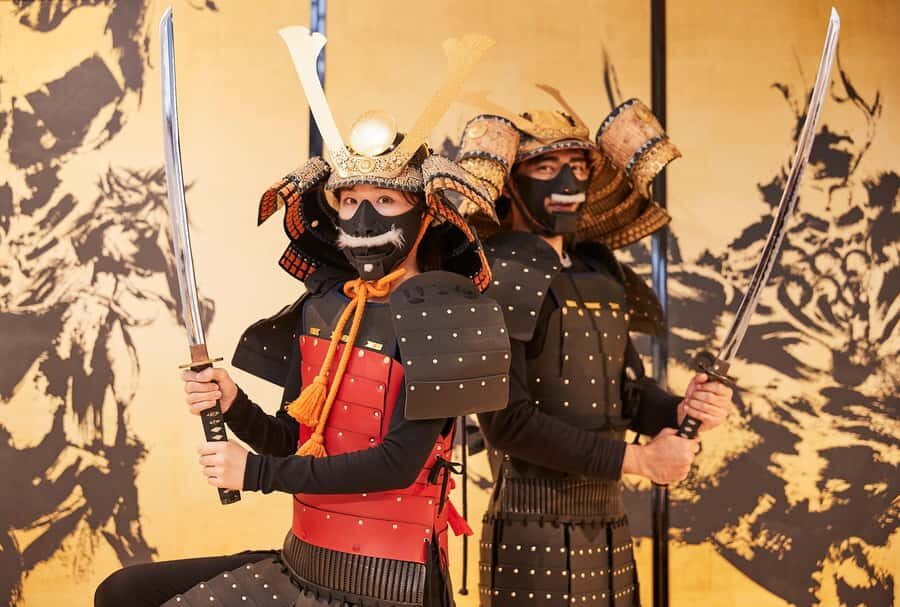
Explore samurai armor, hear lively English commentary, dress in samurai gear, and try ninja star throwing in a one-hour Asakusa tour.
The sharpest part of this Asakusa visit is the switch from looking at samurai armor to trying a ninja skill yourself. In one hour, you get a guided museum tour, a chance to wear samurai gear and hold a metal sword, and a go at throwing ninja stars.
I like two things in particular: the guide-led stories make the objects easier to understand, and the hands-on activities give families and curious first-timers more to do than simply walk past displays. Guides including Akira, Nami, Kenny, and Meg have led lively English tours, often with jokes and time for questions.
One consideration: this is a compact introduction, not a long, scholarly museum visit. The samurai material gets more attention than the ninja story, and group size can vary, so expect an energetic shared experience rather than quiet time with each display.
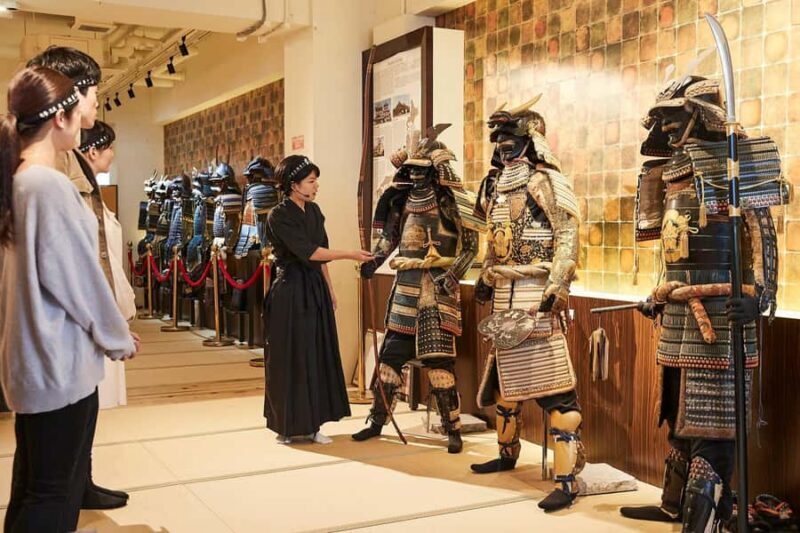
This experience offers a brisk introduction to two familiar figures from Japanese history: the samurai and the ninja. A guide leads you through the museum, explains the role these groups played in the past, and points out the objects on display. The format is part museum visit, part activity, with the history and hands-on moments sharing the hour.
That balance is useful if you want cultural context without committing half a day. You hear more than you would by simply looking at armor on your own, then get to handle the subject in a playful way through the costume and throwing activities.
The tone is aimed at a broad audience. Guides such as Akira, Nami, Kenny, Rin, Meg, and Kazuki have been praised for clear English, humor, and lively storytelling. That can make the difference between a row of unfamiliar artifacts and a visit that gives you a few useful points to remember.
If you prefer having a local expert, these guided Tokyo experiences could work well
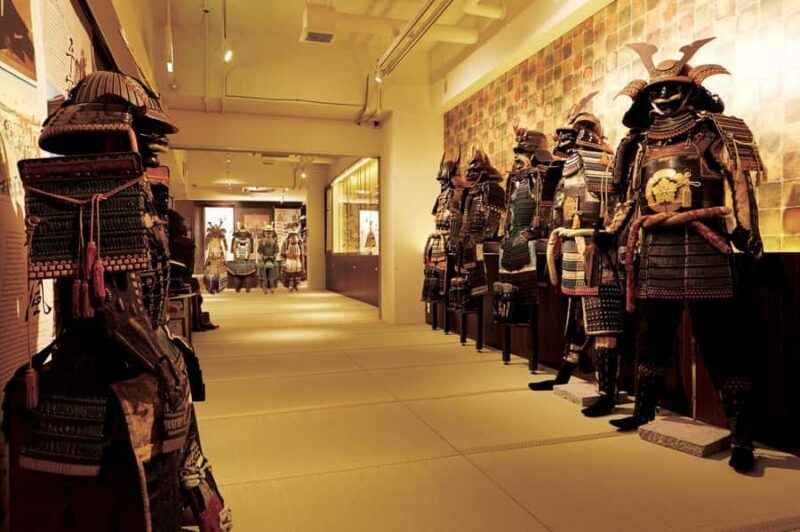
The museum’s samurai displays are a central part of the visit. You can expect to see armor, helmets, and swords, including original pieces, while your guide gives context about samurai history and culture. The objects make the subject tangible: details of armor and weapons help bring the guide’s explanations out of the abstract.
The hour gives you a guided look rather than a long, self-paced museum session. That is a plus if you prefer having someone connect the displays to a bigger story, or if you are visiting with children who need a little structure. It is less suited to anyone hoping to study each artifact at length.
The focus leans more toward samurai than ninja history. If the ninja side is your main reason for booking, keep that in mind. You will learn about ninjas and their role in the past, but the museum visit is not an equal-length survey of both subjects.
The guide is more than a voice pointing out objects. A strong storyteller can explain what you are seeing in plain English, answer questions, and keep the pace moving. Past guides named by visitors include Akira, Nami, Kenny, Meg, Kazuki, and Rin. Their style is often described as humorous and energetic, though your guide will depend on the session.
That light touch suits a short visit. Humor helps make the information stick, and questions give you a chance to follow up on details that interest you. One guide, Sensei Ryo, was described as helping visitors into samurai clothing and showing them some moves. Experiences can vary, so treat that as a possible extra rather than a guaranteed part of every tour.
The visit is not built as a formal lecture. You get a guided overview, with enough room for the guide’s personality to shape the hour. If you prefer quiet reading and long stretches to explore independently, this format may feel quick and social.
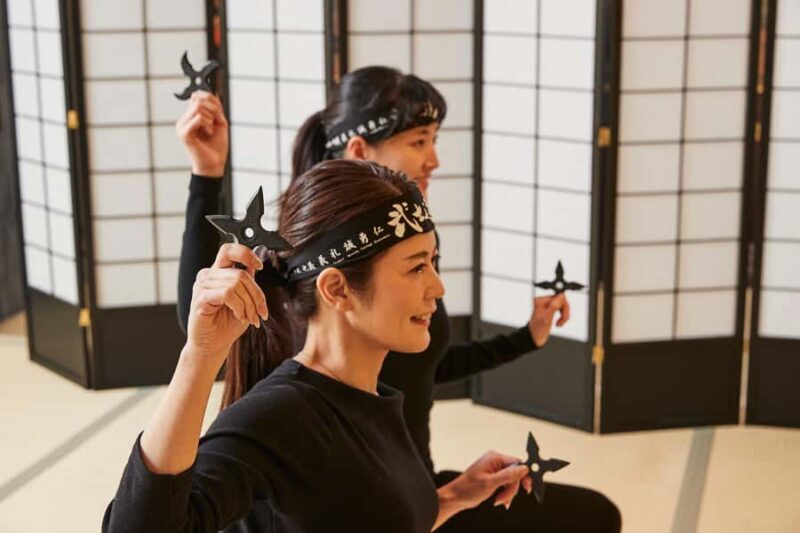
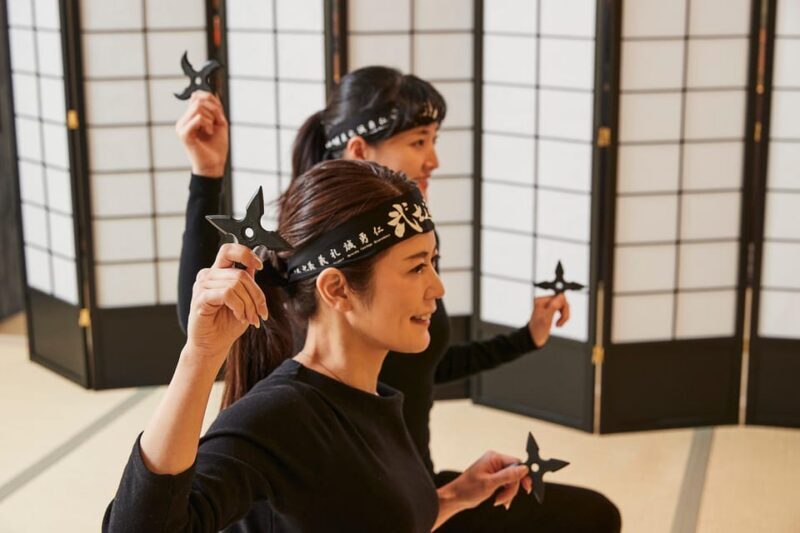
The ninja star throwing is the most hands-on part of the visit. You get to practice aiming and take part in the activity, which can turn into a friendly contest. It gives children and adults a simple challenge to share, and it breaks up the more information-heavy museum section.
The experience includes ninja star throwing, but it is a supervised activity rather than a lesson in real combat techniques. Some sessions have also included games or a quiz, and a few end with a contest or prize. Those details may vary, so book for the core activity rather than expecting a particular competition.
Some visitors have also described trying blow darts, but the listed inclusions specifically promise ninja star throwing. If that extra matters to you, check with the provider rather than assuming it is part of your session.
More Great Tours NearbyThe included samurai experience lets you dress in samurai attire, wear a real samurai helmet, and hold a metal samurai sword. It is a photo opportunity as much as a history activity, but the equipment adds a physical sense of scale that a display case cannot provide.
This part is especially appealing if you are traveling with children or want a memorable souvenir photo. You do not need to know anything about samurai beforehand to enjoy it. The guide or staff help make the outfit part of the experience, and some sessions may add a brief demonstration or instruction.
Do not assume that a ninja costume is included. The stated outfit experience is samurai dress-up, and the ninja activity centers on throwing stars. That distinction matters if you have a particular photo in mind.
Culture seekers can explore more Tokyo museums and galleries
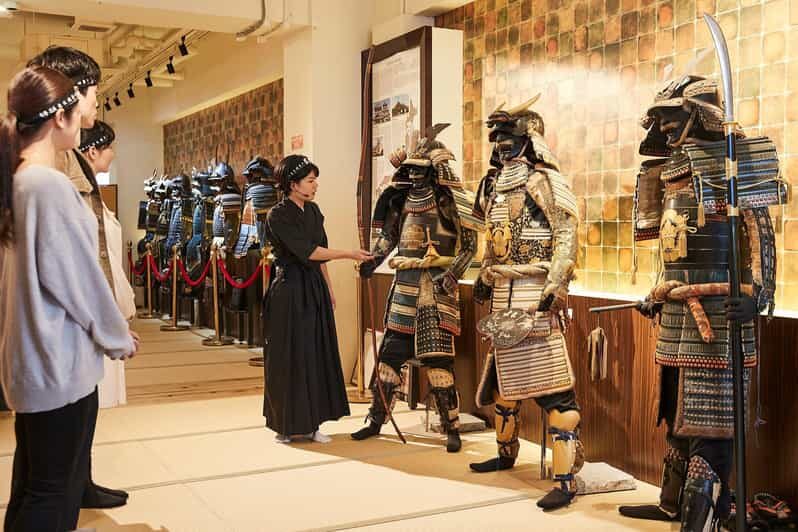
An hour is enough for a guided overview, a look at the main exhibits, and the interactive activities. It is also easy to fit into a day built around Asakusa’s other sights. Several people have found the length just right, while others have wanted more time, especially for the ninja history.
I would think of this as a focused introduction, not a deep study of either subject. The limited duration is a strength when your schedule is full or you are traveling with younger children. If samurai history is a major interest, you may wish to pair it with further reading or another museum visit.
The experience is described as a small group limited to 10 participants, but bookings from other sites can bring additional people. The stated maximum is 30 visitors. That means the group may be more intimate or more crowded depending on the session, so it is worth keeping expectations flexible.
At $28 per person, you are paying for more than admission. The price includes an English-speaking guide, the museum visit, ninja star throwing, and the samurai dress-up experience with a real helmet and metal sword to hold. For a short activity with several parts, that is reasonable value, especially if you want the guide and interactive elements.
The value depends on what you are after. If you want a quiet museum with extensive displays and time to read every detail, an hour of guided activities may not feel like the best use of your budget. If you want a lively cultural stop that works for different ages and includes a few memorable photos, the package is easier to justify.
The short duration also helps with planning. You can add it to an Asakusa day without giving up a large block of time, and the museum is near Senso-ji, making it practical to combine with other nearby sights.
Families are a natural fit. The mix of short explanations, samurai dress-up, photos, and star throwing gives children a reason to stay engaged while adults get a basic history lesson. The format can also suit adults traveling without children who want a hands-on cultural activity rather than another hour of sightseeing from the sidewalk.
First-time visitors to Japan may find the museum useful as an accessible starting point. The guide helps explain the broad roles of samurai and ninja, while the displays give you something concrete to connect with the story. It is also a good choice for anyone curious about Japanese history but not looking for a full academic treatment.
If you have limited mobility, the activity is listed as wheelchair accessible. If you need details about the exact route or facilities, confirm them with the provider before booking, since those specifics are not given here.
The location works well as part of a wider visit to Asakusa, with Senso-ji close by. You can place the museum before or after other sightseeing in the area and keep the visit to a manageable hour. Check the available start times when choosing a session so it fits your day.
The tour is in English, and the guide-led format means you do not need to prepare background reading. If you are traveling with a group, note that the booking limit through one platform is 15 people, while the activity may accept bookings from other sites and can have more participants overall.
You can reserve now and pay later, and cancellation is free up to 24 hours in advance for a full refund. Those terms offer flexibility if your Tokyo plans are still taking shape.
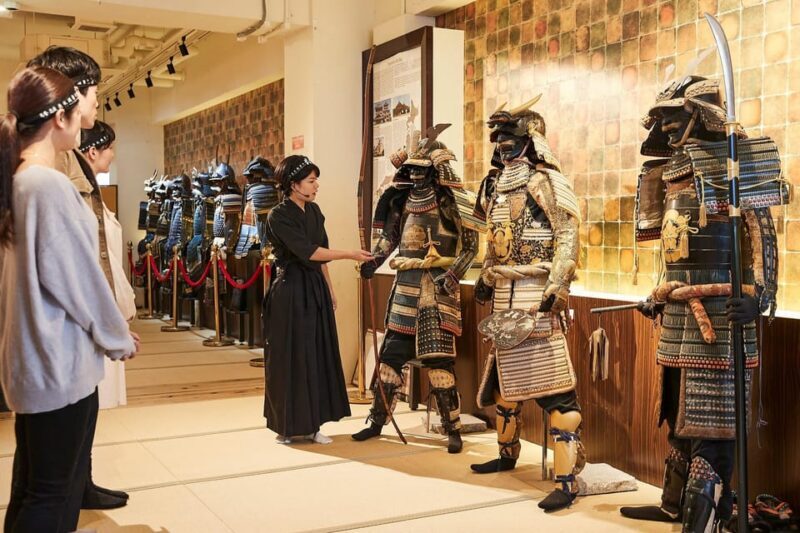
Book it if you want a short, entertaining introduction to samurai and ninja history, especially if you value a guide and want to try the activities yourself. The armor, costume photos, and star throwing make this more engaging than a basic museum entry, and the location is convenient for an Asakusa itinerary.
Skip it if you want a lengthy, quiet visit or a detailed examination of ninja history in particular. The experience is brief and gives more time to samurai material. For most visitors looking for an easy cultural activity with a little history and a little play, the balance is appealing.
“Had a great tour with Yu. Very informative and fun. Would recommend”
The experience lasts about one hour. The exact starting times depend on availability.
Yes. The guided tour is in English with a live English-speaking guide.
The experience includes ninja star throwing and a samurai activity where you dress up, wear a real samurai helmet, and hold a metal samurai sword.
It is described as a small group limited to 10 participants, but other booking sites may add more people. The maximum group size is 30 visitors.
Yes. The activity is listed as wheelchair accessible.
You can cancel up to 24 hours in advance for a full refund. Reserve-now, pay-later booking is also available.
You can check availability for your dates here: